Georgian parliament speaker says Brussels policy towards country 'at dead end'






Georgian parliament speaker on EU policy
“Yesterday’s statement by the European Union’s spokesperson once again confirms that Brussels’ policy towards Georgia has reached a dead end,” Georgian parliament speaker Shalva Papuashvili said on social media.
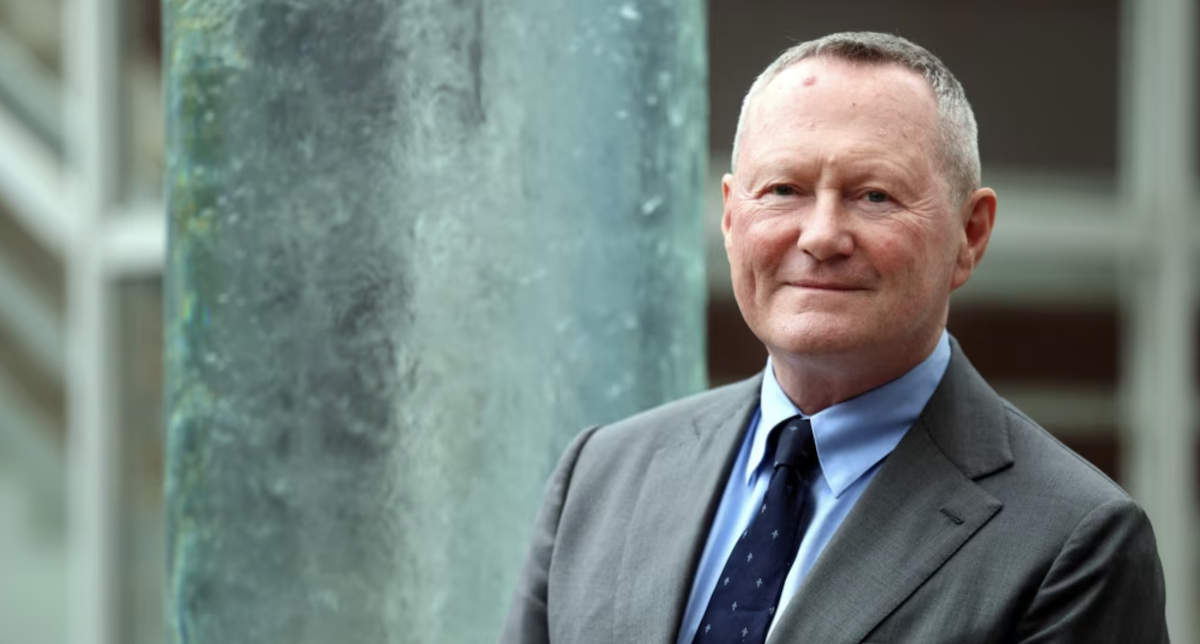
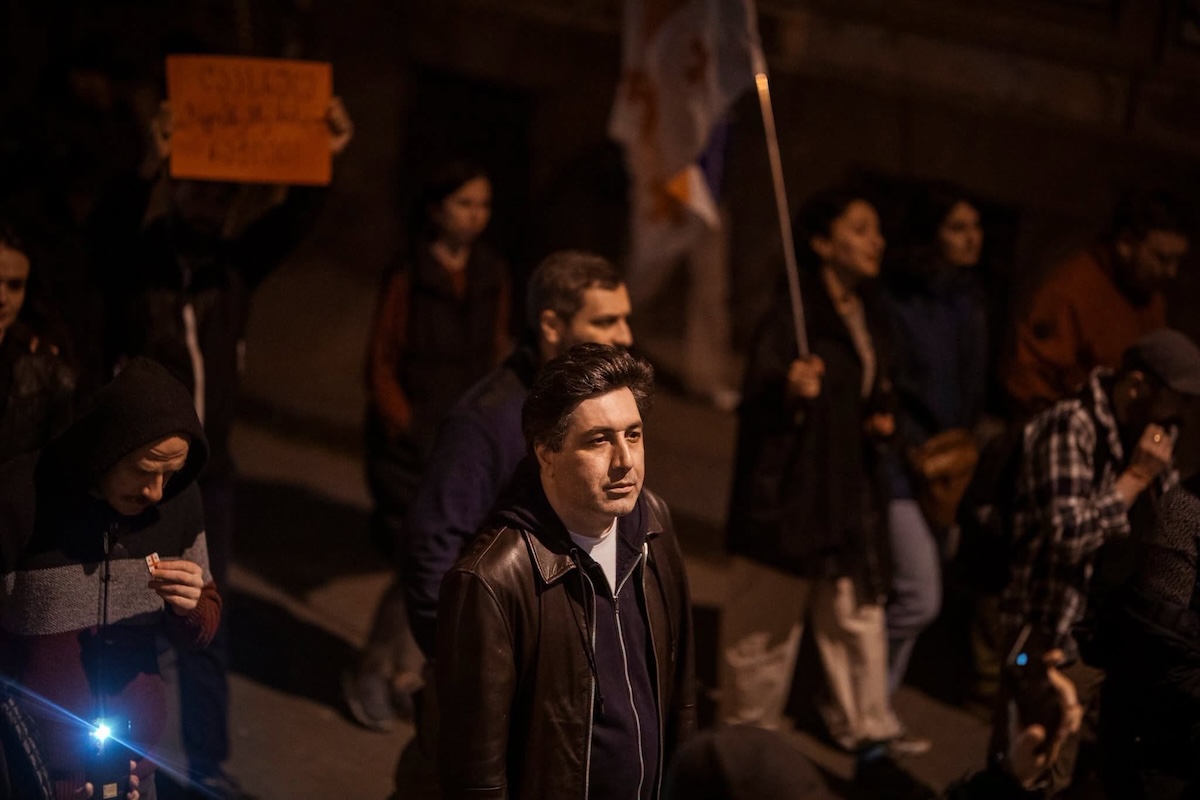
Papuashvili later also commented on the situation of prisoners of conscience, describing them as “prisoners of Brussels’ lack of conscience” and accusing Brussels of having encouraged them to take to the barricades.
On 8 September, addressing a session of the UN Human Rights Council, the EU’s deputy permanent representative to the UN, Michele Cervone d’Urso, said the EU was deeply concerned about the “politically motivated use” of the judiciary and the adoption of repressive measures against civil society organisations in Georgia.
A report by the UN High Commissioner for Human Rights says Georgia must protect fundamental freedoms and repeal or revise all laws that undermine human rights.
According to Papuashvili, the EU representative’s statement at the UN is concerning because it repeats what he described as “worn-out lies” about “arbitrary detentions” and “repression”.
“It is thought-provoking that statements by European Union officials once again completely contradict not only the facts, but also the values and principles recognised by the EU itself,” Papuashvili wrote.
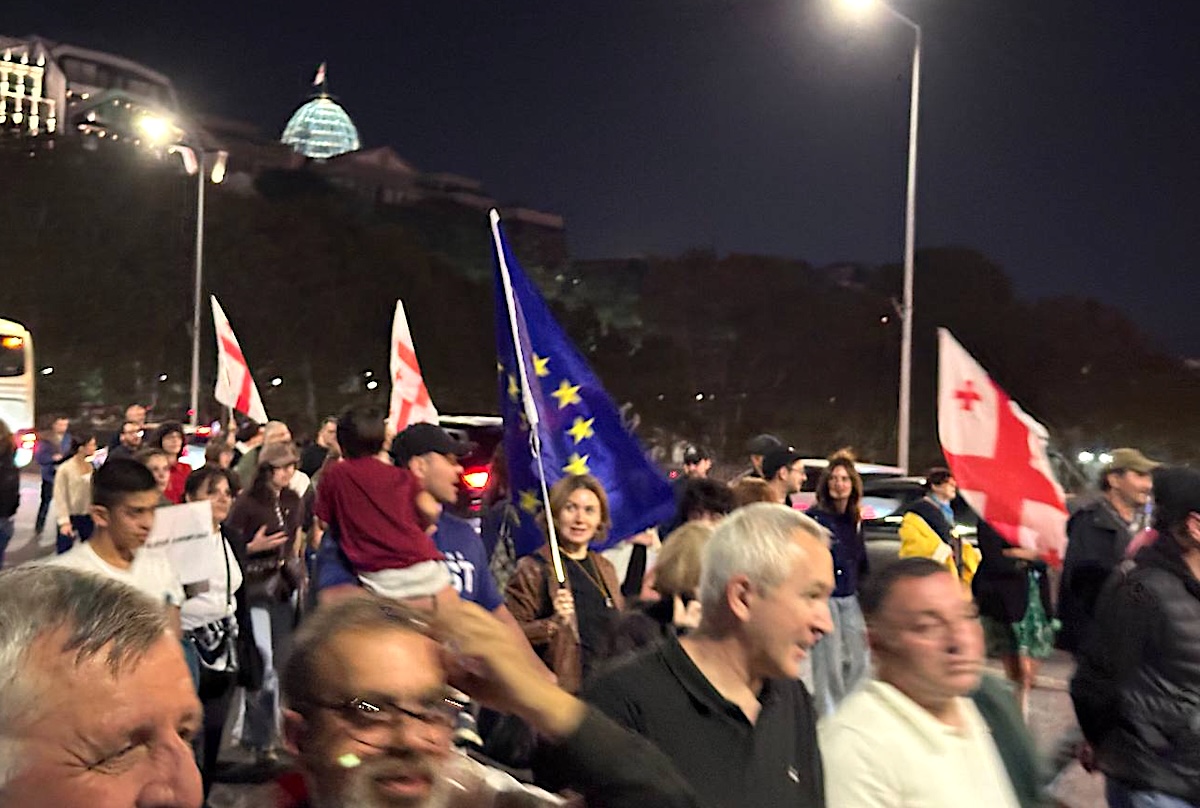
He alleged that violent protests against the Georgian authorities had been partly funded by the European Union and that an attempt to overthrow the government had been made on 4 October 2025 after the EU gave it the “green light”.
“However, the Georgian people and the Georgian government properly defended the country, its freedom, sovereignty and interests. Today, it is clear to everyone that the foreign-funded revolutionary process of 2024 has failed,” the speaker wrote.
Papuashvili also said narratives about “election fraud” and the “crackdown on peaceful protests” had been “disproved by time and reality”.
“The violent crimes that were committed have been investigated, sentences have been handed down, everything has been documented and recorded and, moreover, acknowledged by the perpetrators themselves.
Once again, facts have prevailed over perceptions. A lie does not become the truth simply because Brussels persistently repeats it, nor does a criminal become a victim simply because some European Union official wants it that way.”
The speaker compared Brussels to “a soldier who does not know that the war is over and continues to plan military operations”.
Papuashvili said that if EU officials wanted to normalise relations with Georgia, they should end what he called their “aggressive rhetoric” towards the country, stop “providing information support for the failed revolutionary scenario” and show respect for Georgia’s sovereignty and the Georgian people’s “democratic choice“.