The German city of Saarbrücken is severing ties with its sister city Tbilisi






Saarbrücken cuts ties with Tbilisi
The German city of Saarbrücken is ending its 51-year-long city partnership with Tbilisi, citing the current political situation in Georgia.
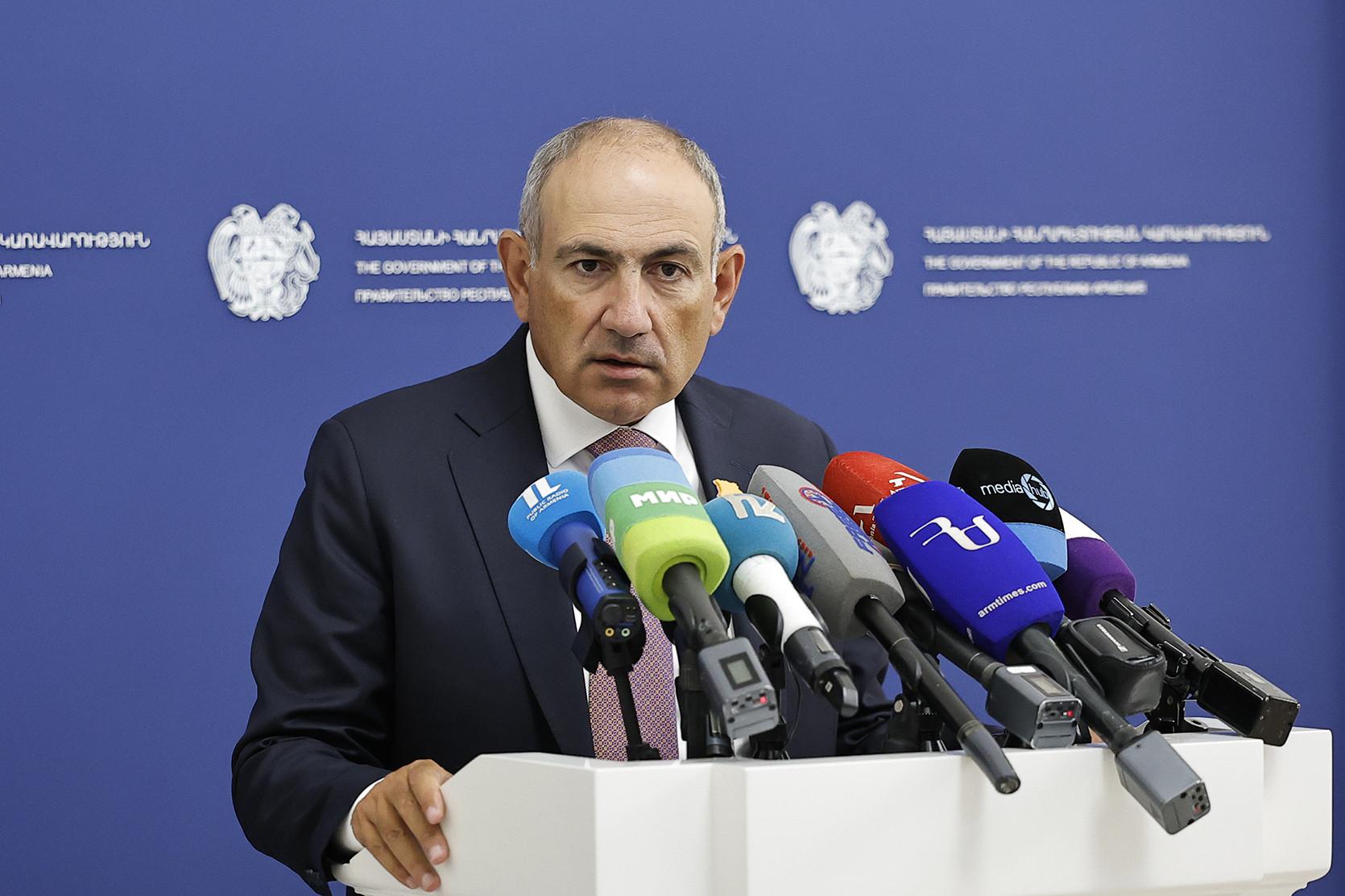
Tbilisi Mayor Kakha Kaladze responded with a lengthy statement in which he accused German bureaucrats of serving the interests of the “deep state” and said that the historic friendship had become “a subject of political speculation.”
What the Mayor of Saarbrücken says
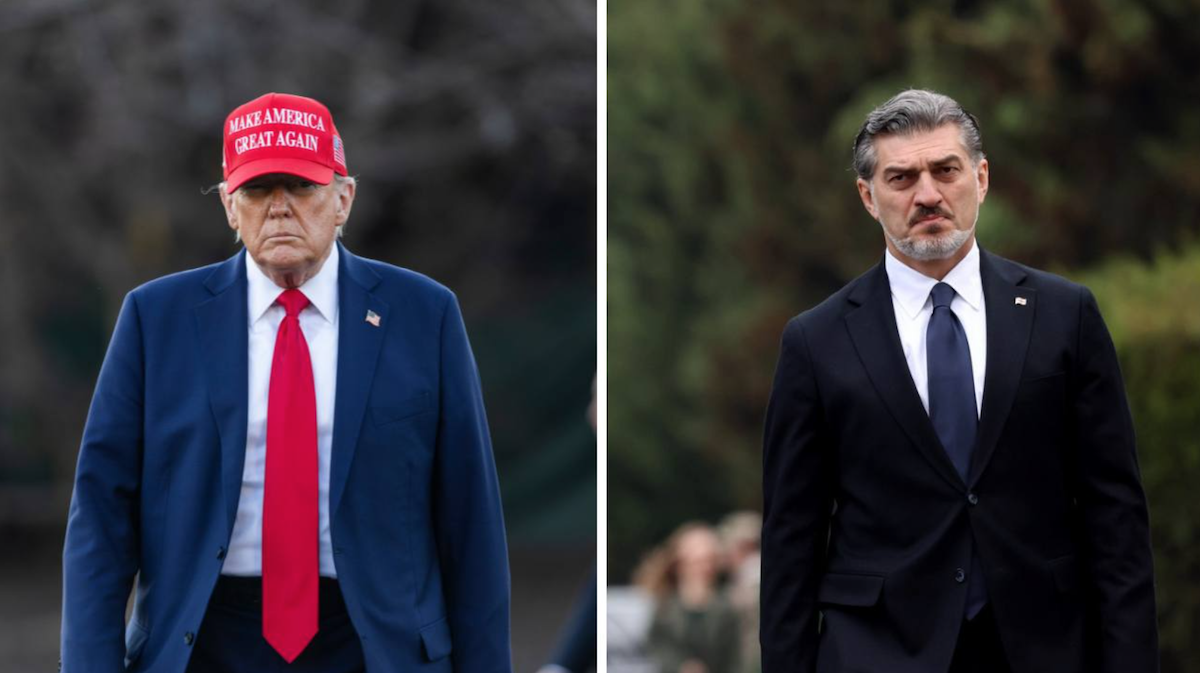
According to the German newspaper Saarbrücker Zeitung, the official statement on ending relations was issued by the office of Saarbrücken Mayor Uwe Conradt. The mayor said the decision was taken in response to what he described as democratic backsliding in Georgia.
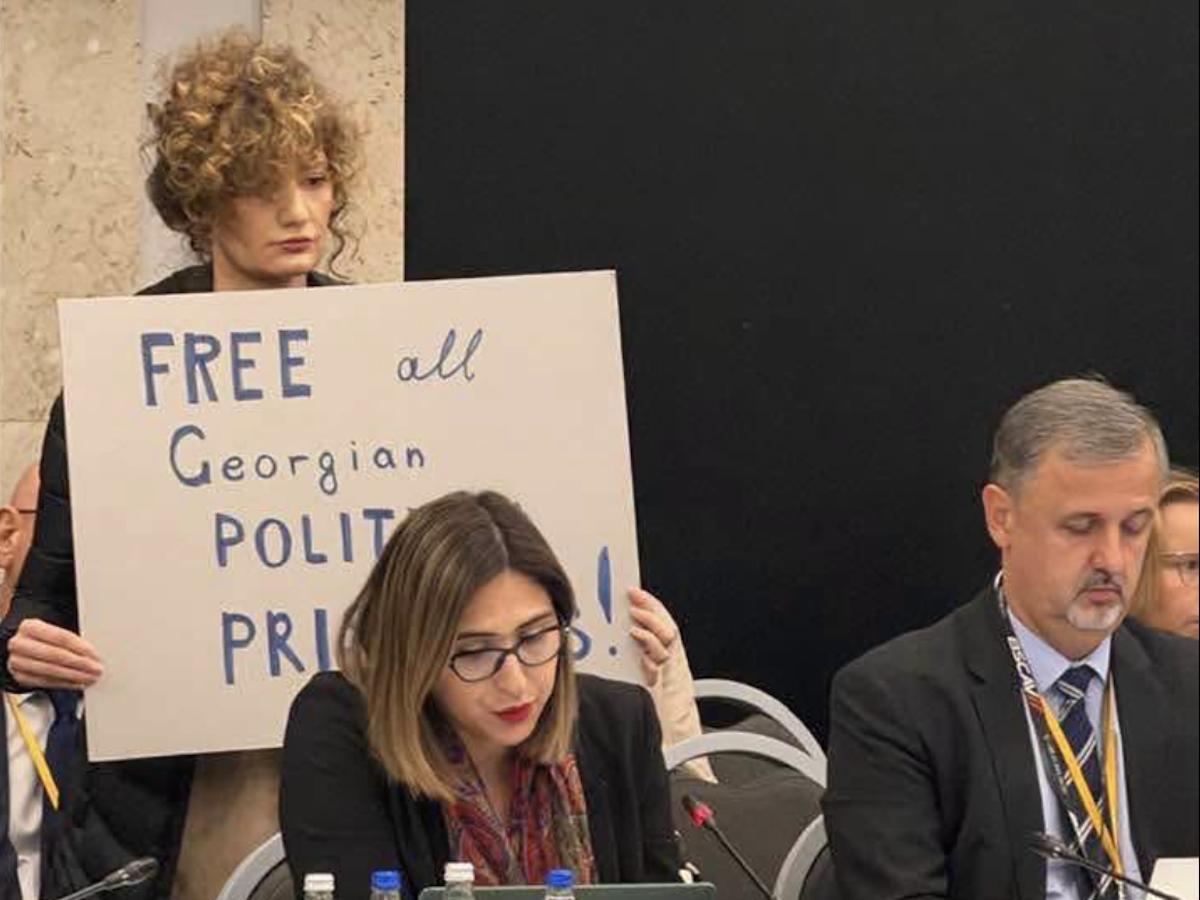
In particular, he referred to the Georgian government’s designation of NGOs receiving foreign funding as “foreign agents,” the possible banning of opposition parties, the violent dispersal of protests, and the arrests of opposition figures.
He also noted that new laws and regulations have been introduced in the country that restrict freedom of assembly, media, and expression.
What Kakha Kaladze said
Tbilisi Mayor Kakha Kaladze called Saarbrücken’s decision “absurd” and said that the German bureaucracy serves not the German people but the “deep state.”
He said it was particularly regrettable that “one-sided political considerations” were damaging cultural and partnership ties built over decades. According to him, while Europe is facing economic, demographic, and security crises, German bureaucrats are instead focused on assessing the situation in Georgia.
Kaladze also said Germany should focus on events in its own countries, citing the dispersal of a protest in Copenhagen, where, he claimed, police used force and dogs against demonstrators.
He added that there are growing questions in German society about whether the current bureaucratic governance serves the interests of the German people.
Kaladze said he believes the German people have enough “wisdom” to defend their national interests and bring to power a political force that would “follow the will of the German people.”
Context
Saarbrücken and Tbilisi became sister cities in 1975, when Georgia was still part of the Soviet Union. This partnership was considered one of the longest-running municipal cooperations between West Germany and Soviet republics.
The idea of twinning was based on strengthening cultural and social ties. In the 1970s, West Germany actively developed a “city partnership model” aimed at building direct relations between peoples during the Cold War. Saarbrücken, located on the border with France and seen as a symbol of European cooperation, sought to establish contacts with cities in Eastern Europe and the Soviet sphere.
Over the decades, the partnership with Tbilisi included cultural exchange programs, student and youth visits, art and music festivals, sports events, and official delegations. Cooperation also developed between schools and universities.
The relationship continued after German reunification and Georgia’s independence. In the 1990s, Saarbrücken supported Tbilisi in various municipal and cultural projects. The partnership was particularly active in the fields of culture and education.
There is also a Saarbrücken Square in central Tbilisi.
News in Georgia