Second chance: South Ossetia revives efforts to promote Ossetian amid leadership change






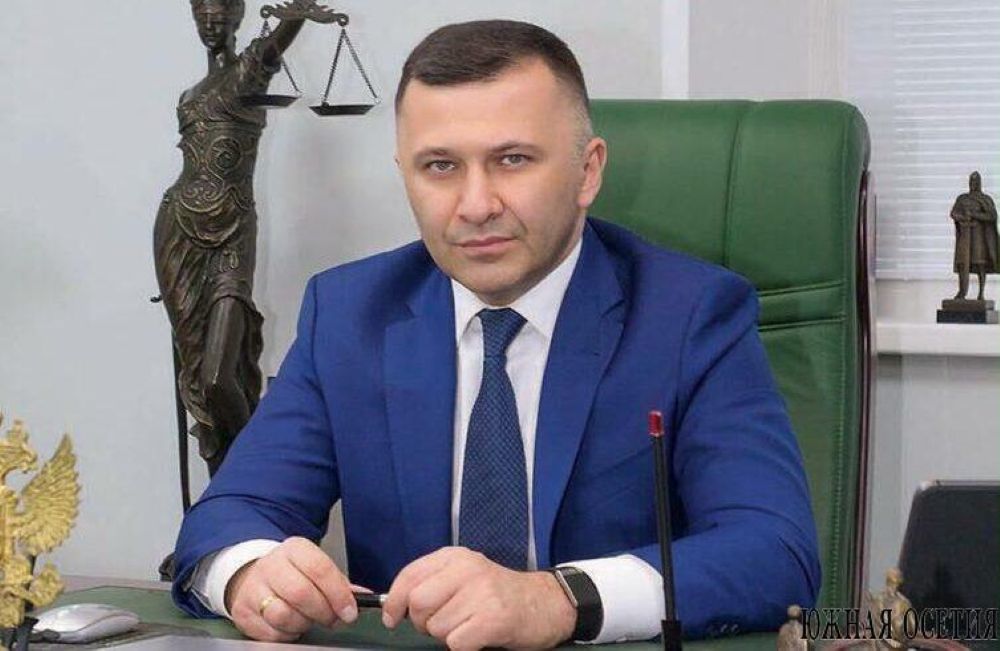
South Ossetian Education and Science Minister Aslan Lolayev has announced plans to open a specialist class offering advanced study of the Ossetian language and literature.
Lolayev said the class would accommodate more than 30 pupils, but did not specify which school it would be based at or which year group it would be for.
“The authorities plan to open another three such classes in the next academic year — two in Tskhinvali and one in one of the districts,” Lolayev added.
He said the authorities hoped the introduction of classes offering advanced Ossetian-language study would “become one of the stages in developing a national Ossetian school system and expanding the use of the native language in education”.
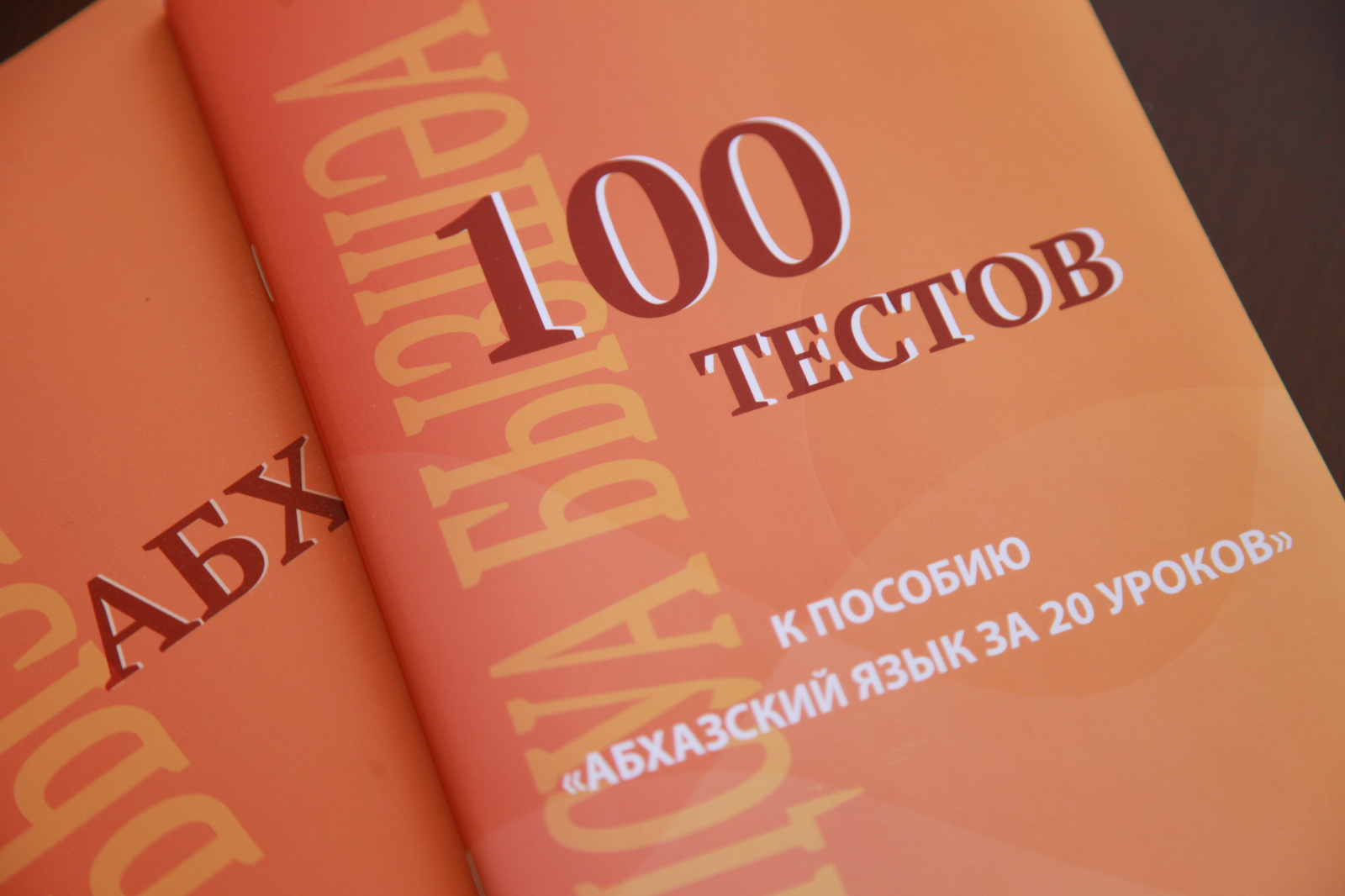
Russian and Ossetian are South Ossetia’s official languages, but administrative work and education are conducted only in Russian. Russian is dominant overall, and is also the language predominantly used by the local population in everyday life.
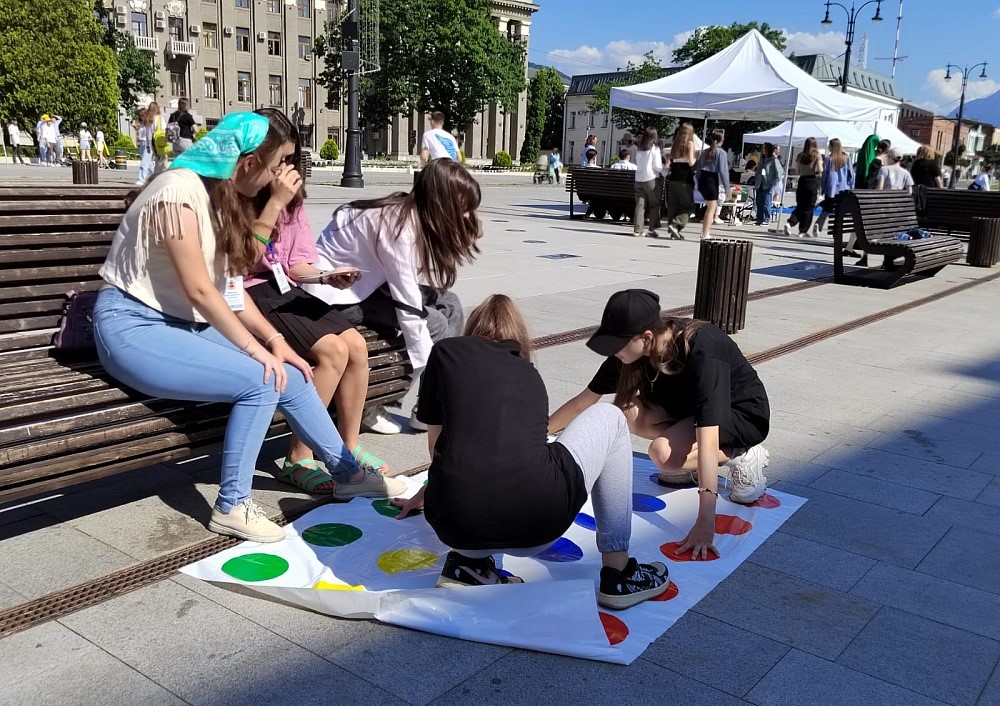
However, Zarema Ts, a schoolteacher from Tskhinvali, says there is demand among young people for greater promotion of the Ossetian language. She believes the younger generation should therefore be encouraged to study the Ossetian language and literature, as well as Ossetian history and ethnography.
“There should be more opportunities, clubs and classes for studying Ossetian, not only within the education system but also outside educational institutions. For example, why not organise Ossetian-language classes for visitors and Russian specialists working here?”
North Ossetian experience not fully embraced
Zarema says, however, that proficiency in Ossetian is considerably higher in South Ossetia than in North Ossetia. Statistics appear to support her claim: in North Ossetia, which is part of the Russian Federation, the situation surrounding the Ossetian language has been recognised as critical, prompting the local authorities to take serious steps to preserve it.
The Alan Gymnasium, a multilingual Ossetian-Russian boarding school, has been operating in Vladikavkaz for nine years, with most subjects taught primarily in Ossetian. The school was established at the initiative of then North Ossetian leader Vyacheslav Bitarov, who continues to provide it with financial support.
South Ossetian officials, however, have been slow to adopt this model.
In early 2026, Aslan Lolayev was preparing to present a project for a national school in Tskhinvali modelled on the Alan Gymnasium. Reports said the project had already been agreed with the relevant Russian authorities and only needed to be implemented.
Lolayev was subsequently dismissed as education minister, and acting minister Rimma Pliyeva said the North Ossetian gymnasium model was unsuitable for South Ossetia. She argued that South Ossetia’s education system was already “perfectly fulfilling its role in teaching the Ossetian language”.
Second chance
Several months later, however, there was another twist: South Ossetian President Alan Gagloyev resigned early and Prime Minister Marat Kambolov took over as acting president.
Kambolov reinstated former Education Minister Aslan Lolayev, giving him another opportunity to implement at least part of his programme to expand advanced study of the Ossetian language and literature.
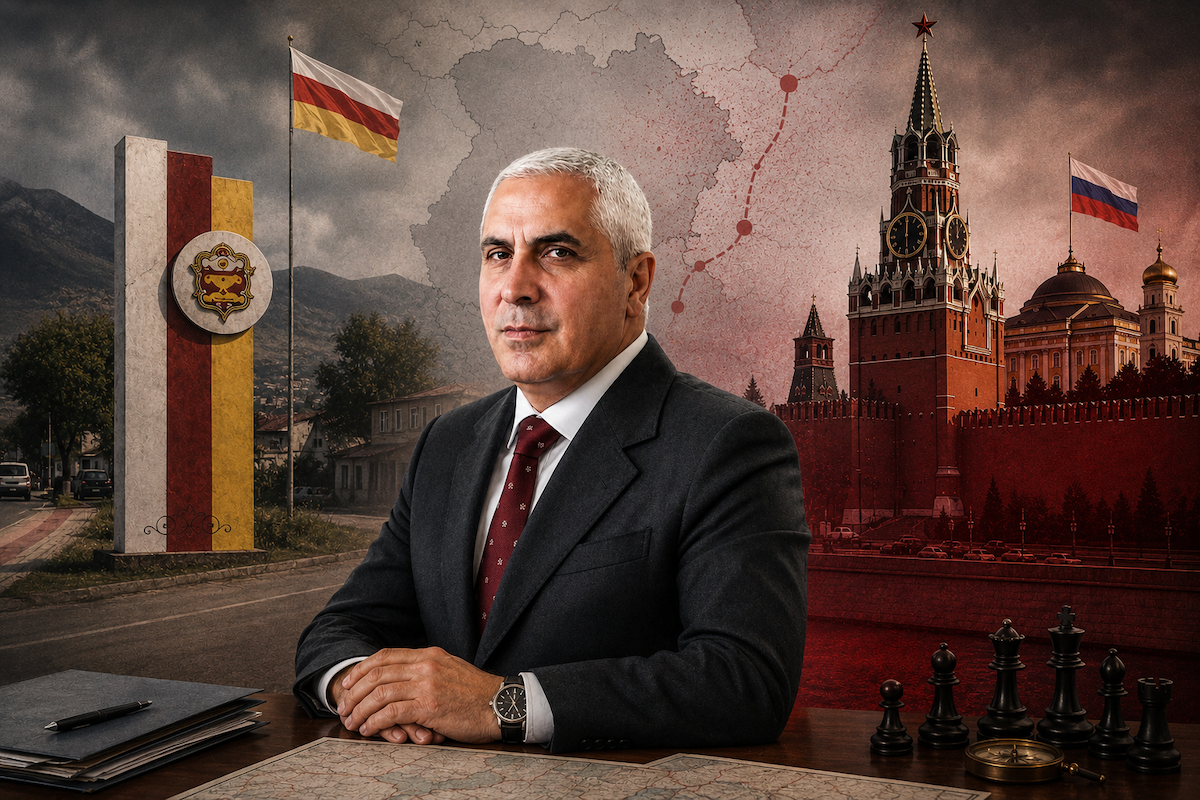
How successful the initiative will prove remains unclear, with South Ossetian experts so far reluctant to make predictions.
Three years ago, in September 2023, Aslan Lolayev raised concerns about a shortage of Ossetian-language textbooks.
“These textbooks cannot be purchased commercially because they were published under a state procurement programme. All copies were distributed to educational institutions. Moreover, the textbooks were published in 2019 and, if handled with care, have a lifespan of five years. After that, they need to be replaced,” he said at the time.
Lolayev added that the republication of the textbooks was included in a three-year programme that was due to be submitted to parliament and the government for consideration.
“I hope it will receive support and that we will be able to resolve this issue,” Lolayev said in 2023. There have been no reports of new textbooks since then.
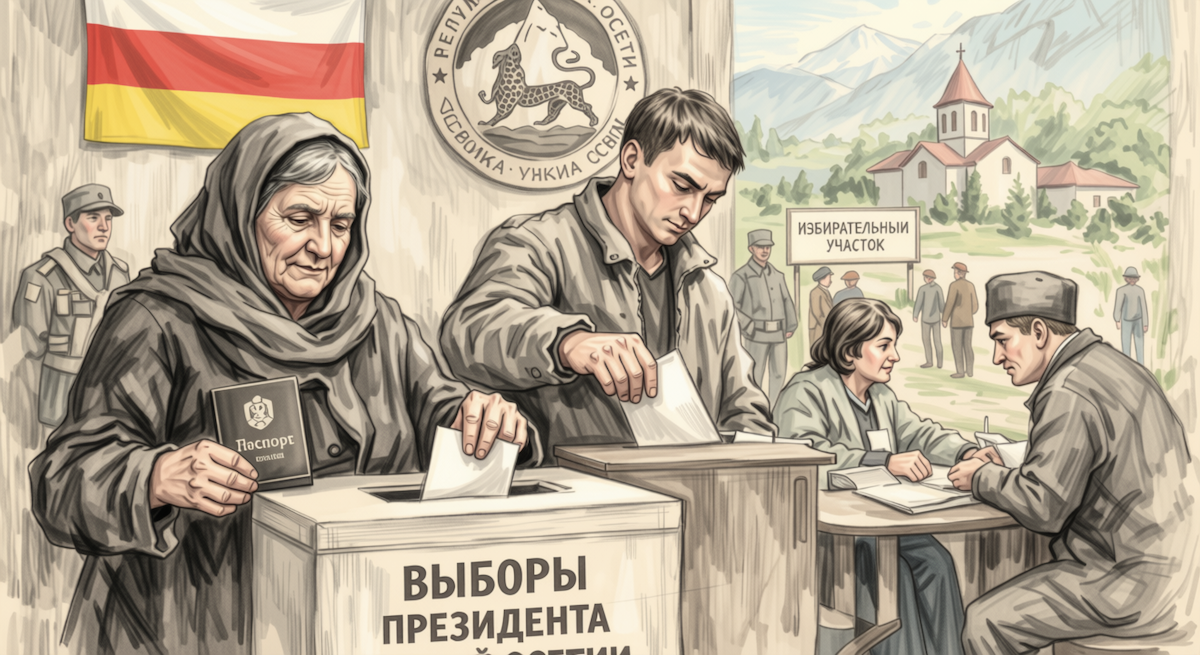
South Ossetia is due to hold a presidential election on 18 September. Whether the change of leadership and the arrival of a new team, which includes Aslan Lolayev, will alter the situation remains to be seen, although there are hopes within society that it will.
Madina Valiyeva, a finalist in the Team of the Future personnel programme, for example, says that if she is appointed to an official post, one of her goals will be to establish a South Ossetian version of the Alan Gymnasium.
“There is a very apt saying: ‘No language, no nation.’ We must preserve our native language and pass it on to future generations. That is the future of our people,” Valiyeva said.
The terminology, place names and views expressed in this article are those of the author and do not necessarily reflect the editorial position of this website.