Opinion: 'Armenia is returning to space it was pushed out of'






Armenia joins Trump-created Board of Peace
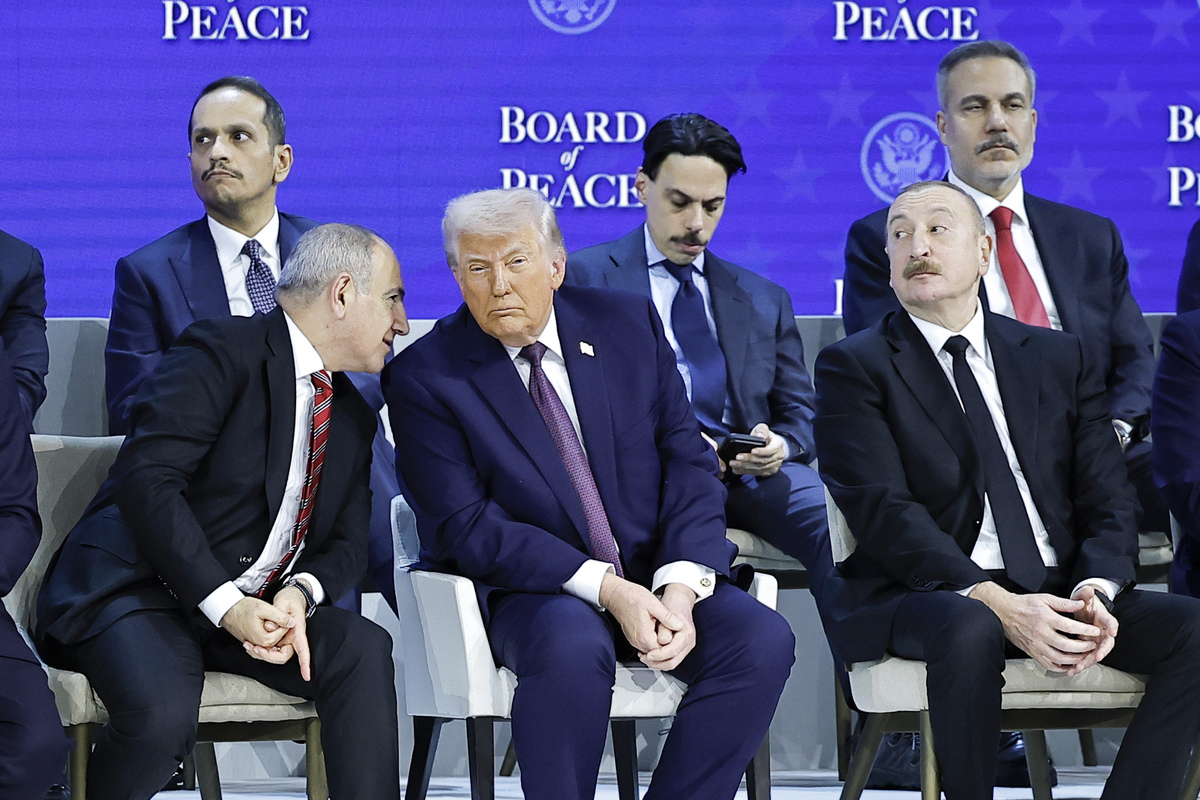
Armenia has joined the Board of Peace as a founding member. US President Donald Trump created the body.
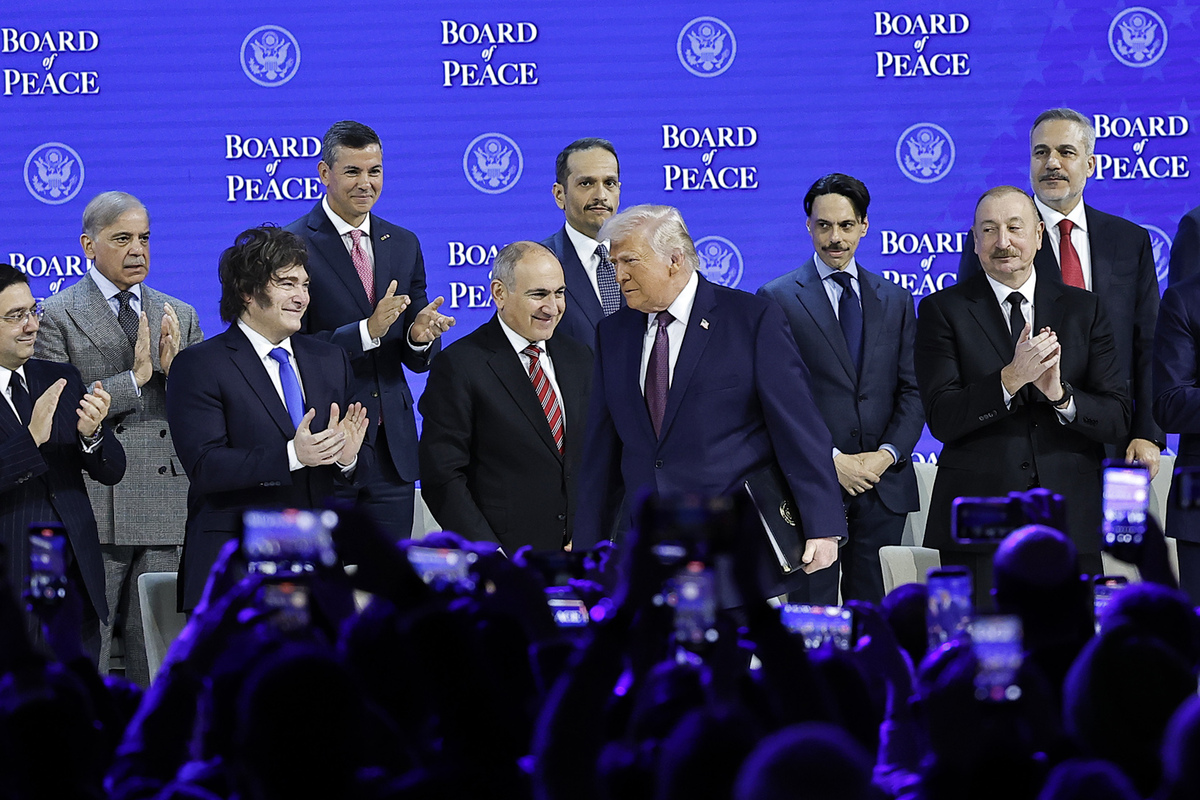
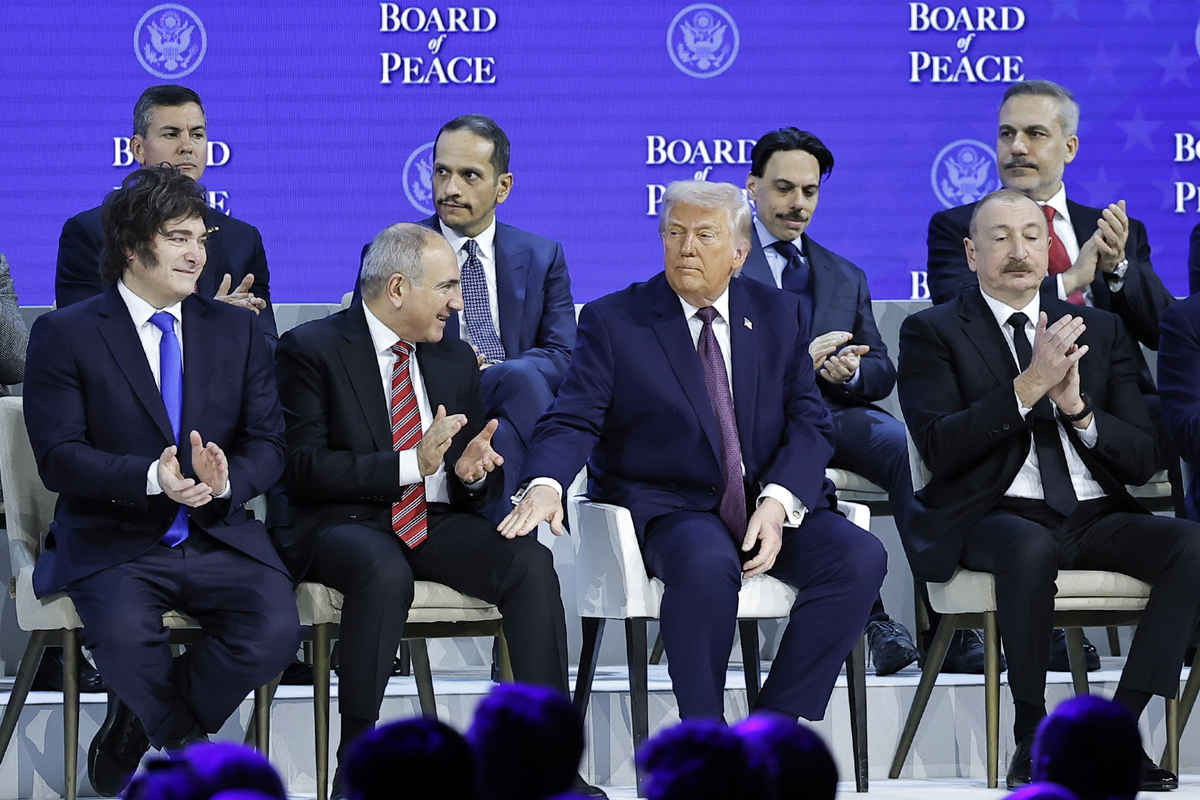
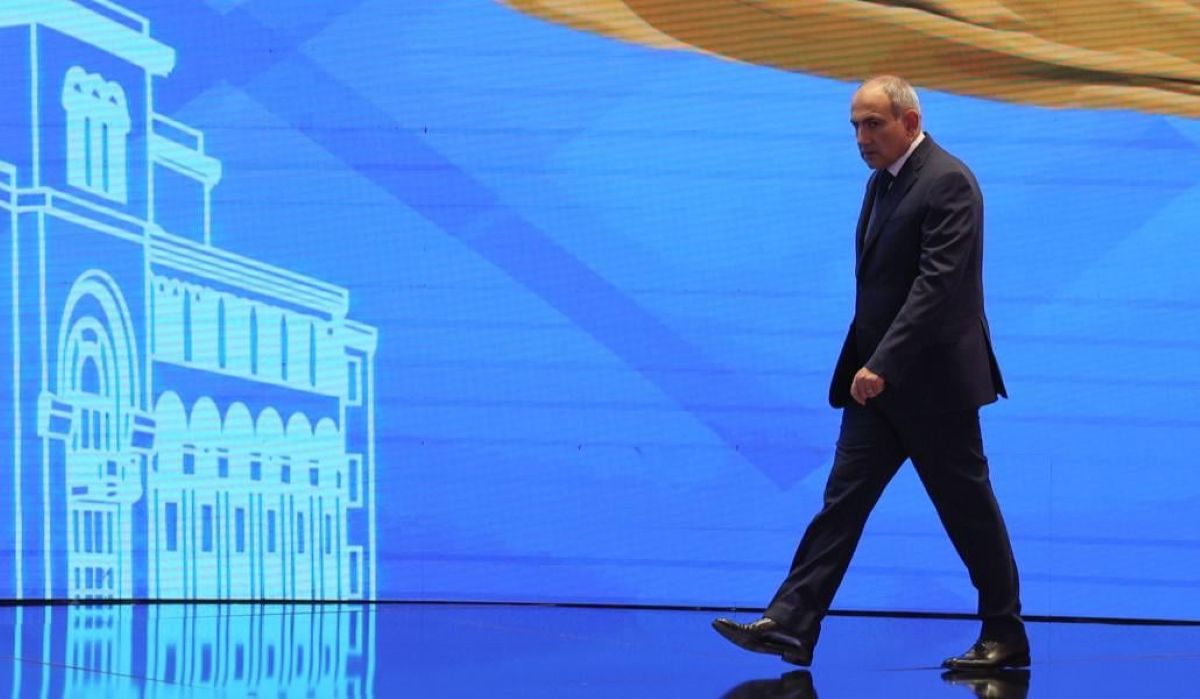
On 22 January, Armenia’s prime minister Nikol Pashinyan took part in the council’s first meeting. He also attended the ceremonial signing of its charter in Davos. The White House said the council now holds the status of an international organisation.
Officials initially said the Board of Peace would monitor the reconstruction of Gaza. President Trump later said the body should address broader issues. He said it should focus on global conflicts.
Some experts believe the council aims to reduce the role of the United Nations. They point to President Trump’s repeated criticism of the organisation’s effectiveness. Trump rejected this interpretation in Davos. He said the council “does not seek to replace the UN in addressing global problems”.
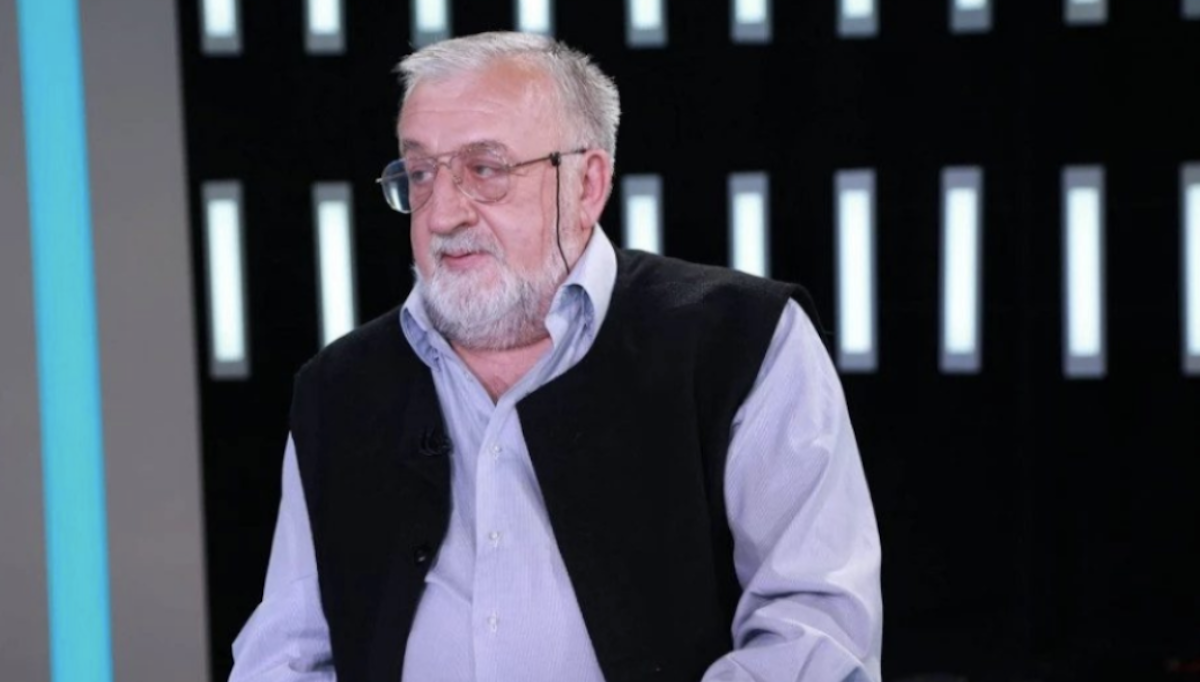
Political analyst Stepa Safaryan says the United States invited Armenia for a reason. He views this as a strategic bet on the South Caucasus country. He argues that Armenia gains a chance to become an influential player in the Middle East. “Armenia is returning to a historical space from which it was pushed out,” he said.
Below is everything known on the issue at the time of publication, along with comments from Armenian politicians and experts.
- ‘Military escalation unlikely, but risks remain’ — Armenian Foreign Intelligence Service report
- Opinion: ‘Armenia will restore rail links with Azerbaijan and Turkey – with or without Russia’
- Will US vice-president visit Armenia? Yerevan discusses possible trip
Countries that have joined the Board of Peace
Armenia’s prime minister’s office said heads of delegations from the following countries signed the council’s charter: Armenia, the United States, Argentina, Azerbaijan, Bahrain, Belgium, Bulgaria, Egypt, Hungary, Indonesia, Jordan, Kazakhstan, Kosovo, Morocco, Pakistan, Qatar, Paraguay, Saudi Arabia, Turkey, the United Arab Emirates, Uzbekistan and Israel.
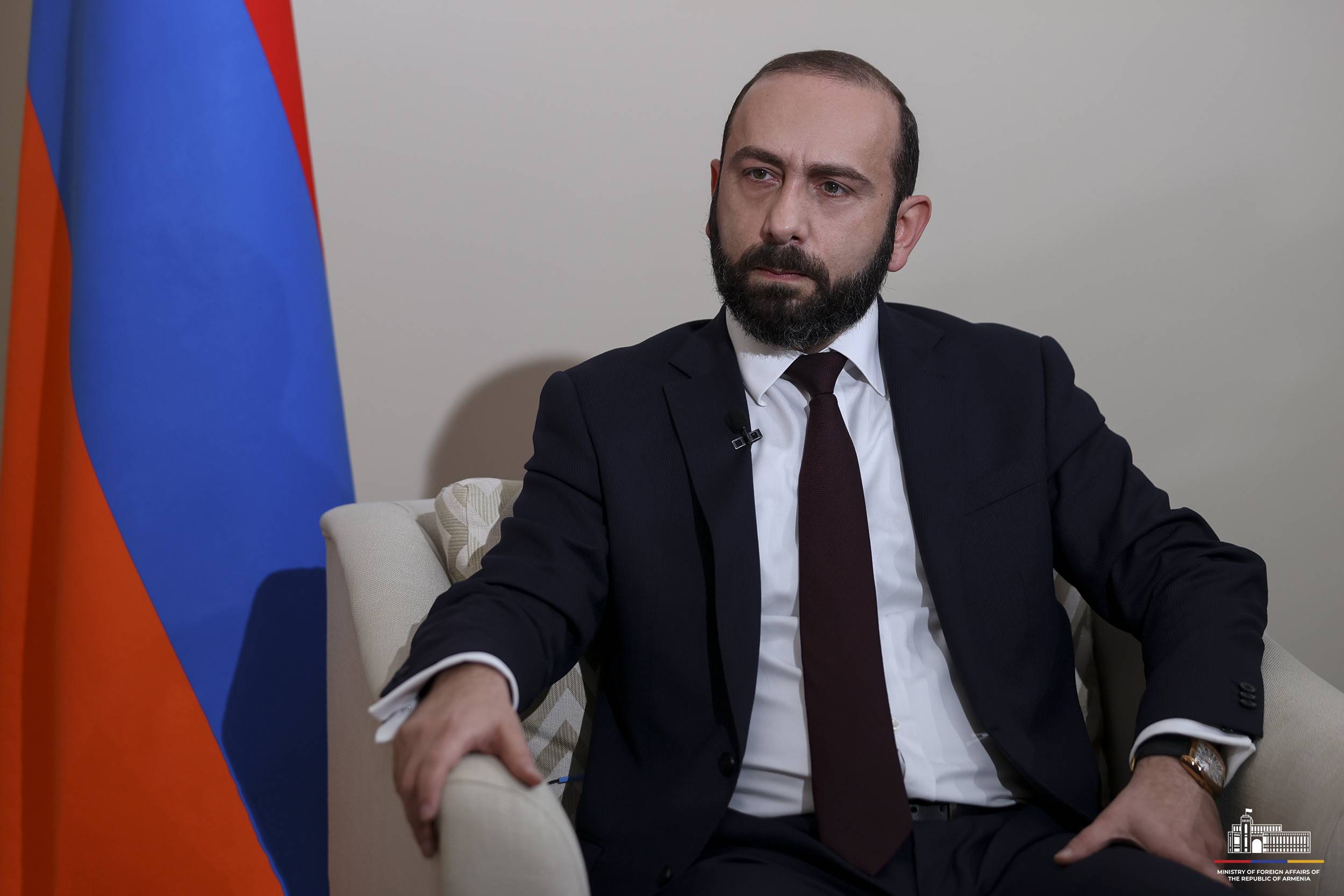
Alongside Armenia’s prime minister Nikol Pashinyan, the event also brought together President Vahagn Khachaturyan and Foreign Minister Ararat Mirzoyan.
Armenia will not pay a $1bn membership fee to join the Board of Peace
Western media reported that under the board’s charter, members receive a three-year mandate. They said countries must pay a $1bn fee to obtain permanent membership.
The Armenian foreign ministry’s spokeswoman, Ani Badalyan, confirmed this information. She said a country that receives an invitation may join the board for three years without paying a fixed membership fee. She added that the provision could change after the three-year period expires.
“The membership fee is voluntary and applies only if a country chooses to become a permanent member within one year after the charter enters into force,” she said.
Politicians’ commentaries
Arman Babajanyan, leader of the For the Republic party, said Armenia’s participation in the Board of Peace reflects recognition of the country’s political maturity.
“We are returning to the centre of international politics as a subject with rights, a voice and responsibility,” he said.
At the same time, Babajanyan stressed that Yerevan’s participation would prove effective only if Armenia pursues a clear foreign policy line. He said the country needs professional diplomatic work that uncompromisingly defends Armenia’s sovereign choice.
The deputy speaker of parliament and a member of the ruling faction, Ruben Rubinyan, commented in a post on Facebook.
“The opposition said Pashinyan had turned Armenia into a weak country with no weight on the international stage,” he wrote. “As always, the opposition was wrong.”
Experts’ commentaries
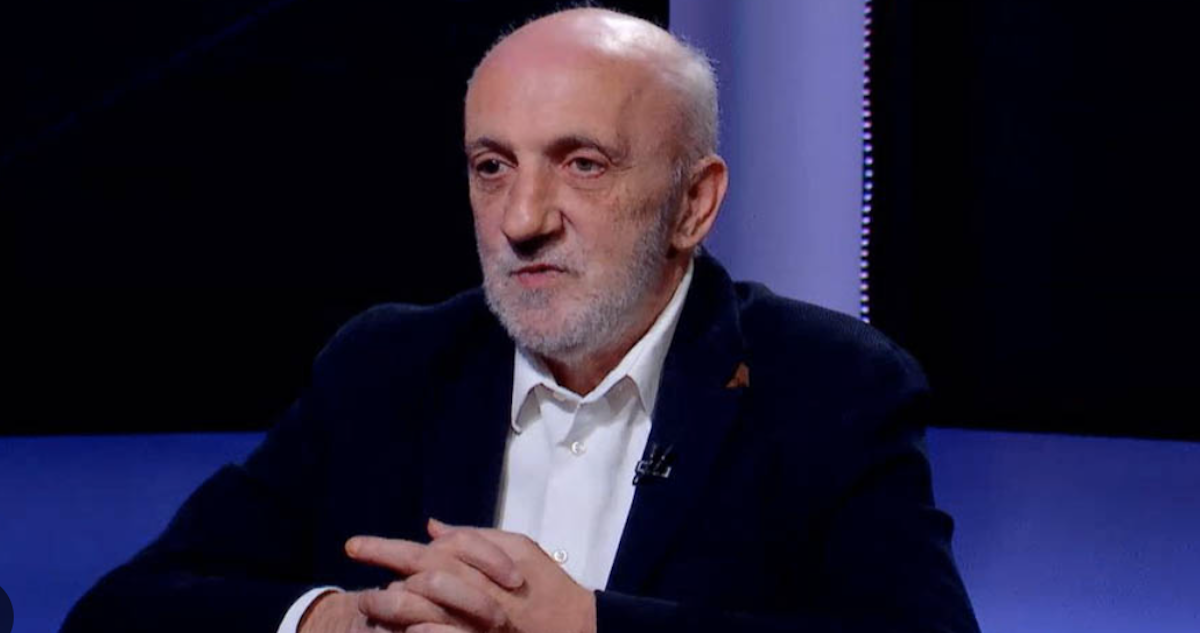
Political analyst Ruben Meghrabyan said:
“US President Donald Trump, despite escalating his disagreements with Europe to the level of conflict, nevertheless initiated the creation of the Board of Peace. Given the diversity of the board’s member states, there are solid grounds to believe it may be perceived as an alternative to the United Nations — at least from the US perspective.
How the organisation’s future will unfold remains to be seen. It is unclear how it will function, what it will do, and how exactly it will do it.
It is evident that the international order established after 1945 has collapsed. Elements of a new one are emerging. Armenia’s position must be unequivocal. As Canada’s prime minister, Mark Carney, has said: if you are not at the negotiating table, then you are on the menu.”
Political analyst Stepa Safaryan said:
“Armenia’s institutional participation in the Board of Peace is an unprecedented event.
Of course, the ‘body language’ seen in the published photographs of President Trump and Prime Minister Nikol Pashinyan points to serious progress in cooperation between Armenia and the United States. But behind the visual signals lies a deeper substance. That substance is reflected in the bilateral and trilateral agreements reached in Washington on 8 August, and in their continuation — the statement on the joint TRIPP project.
The core and foundation of these achievements is the Armenian government’s ‘Crossroads of Peace’ project as a strategic Armenian-American initiative. A separate memorandum of cooperation on this project was signed on 8 August.
It radically changes the North–South transport corridors, as outlined in the Russia–Azerbaijan–Iran–India agreements of 2015, and the West–East corridors shaped by China’s ‘Belt and Road’ initiative or the Turkey–Georgia–Azerbaijan–Kazakhstan agreements through the Middle Corridor. Previously, Azerbaijan served as the crossroads or hub in the Caucasus. Now that role belongs to Armenia.
Without diminishing Turkey’s geopolitical position as a hub linking several continents, or even Azerbaijan’s role in connecting to Central Asia, both the published photographs and the signed documents underline Armenia’s importance for the United States. And President Trump values Armenia not only for our beautiful Christian eyes.
At this junction, the Persian Gulf — the Arab world — intersects with the Black Sea. It is no coincidence that the United States includes Armenia as a player in the Board of Peace, created to address issues related to the Middle East and Gaza. Countries from that region are also members of the board.
Yes, Armenia is returning to the historical space from which it was pushed out. And now its Middle East policy must be based on entirely different principles. Peace opens up new opportunities for this return — access to markets, a voice in security matters, and more.”
Armenia joins Trump-created Board of Peace