Top stories in Azerbaijan, Armenia, and Georgia from 6-10 April, 2026
 Live
Live




-
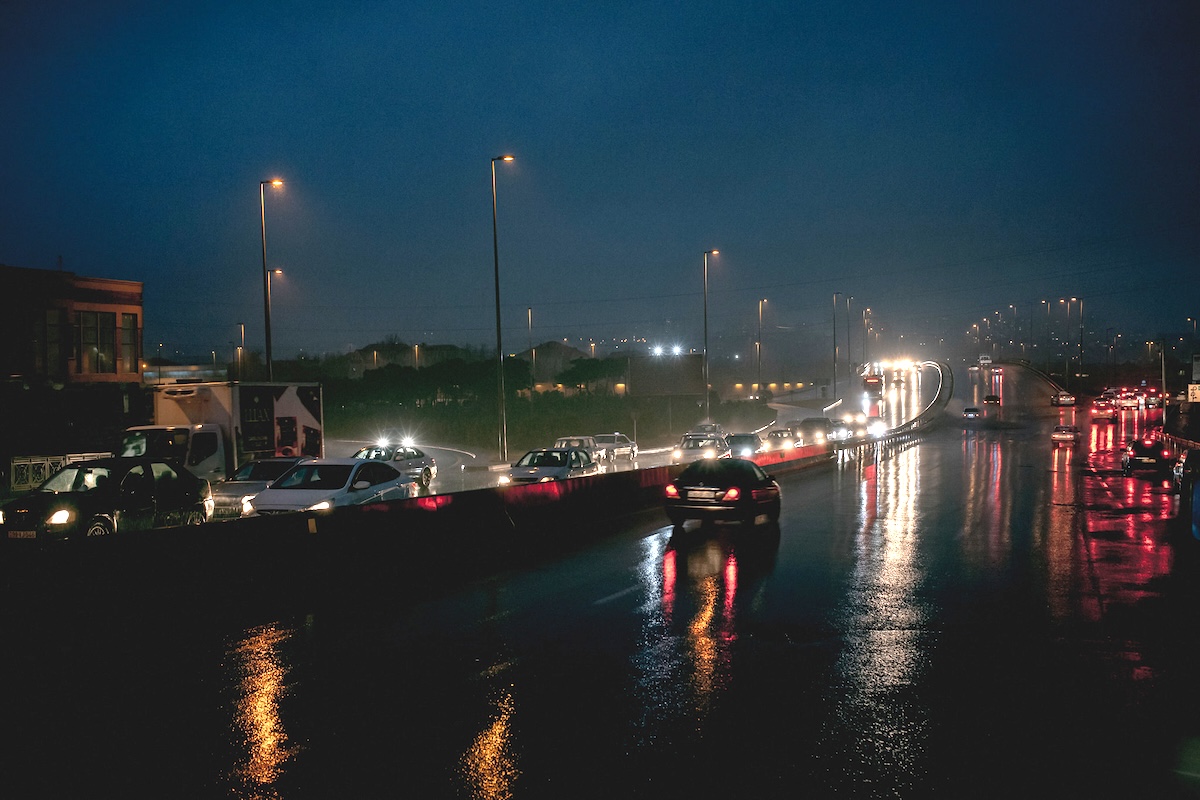
Friday, 10 April, Azerbaijan. Head of Radio Free Europe/Radio Liberty said that JD Vance raised with Ilham Aliyev the issue of releasing the Radio Free Liberty journalist Farid Mehralizade, who was convicted in Baku
-
Friday, 10 April, Armenia. Nikol Pashinyan: “Armenia does not plan to hold negotiations with Kazakhstan on the concession management of its railways”
-
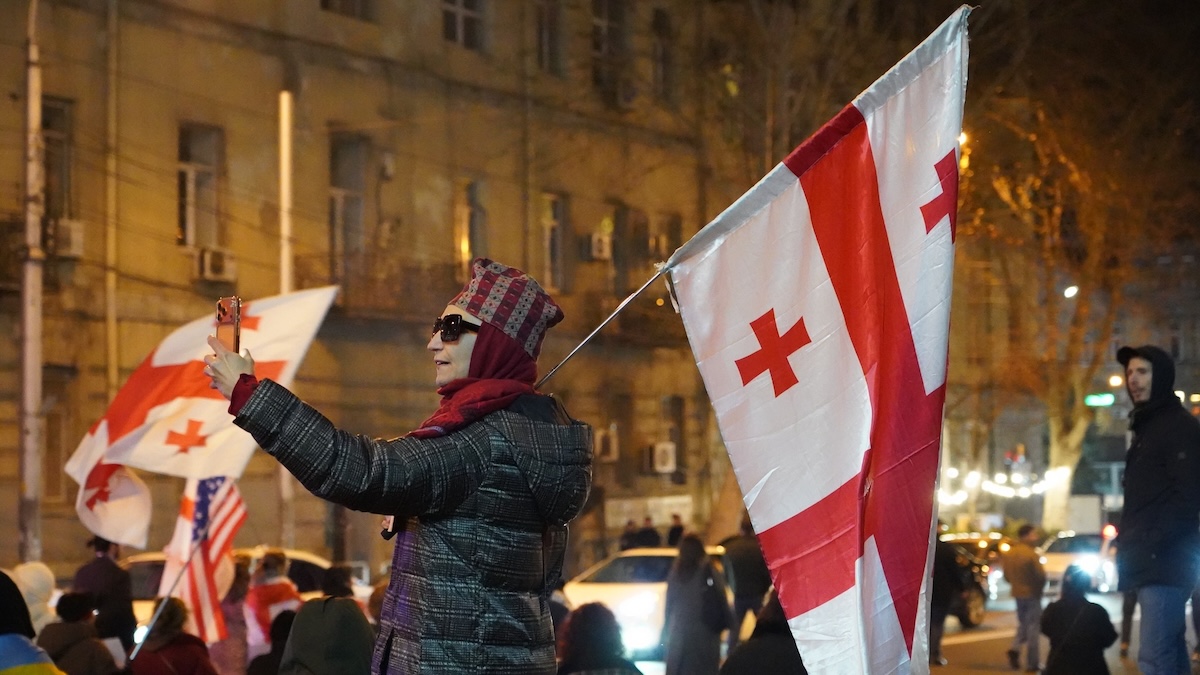
Friday, 10 April, Georgia. The opposition alliance has announced a large-scale public gathering on May 26, Independence Day, “with the aim of starting a process of national mobilization around the idea of independence”
-
Thursday, 9 April, Armenia. Russian Foreign Ministry: “Moscow hopes that pro-Russian forces will be able to freely participate in the parliamentary elections in Armenia”
-
Thursday, 9 April, Azerbaijan. Visits to Baku by high-level delegations from Kazakhstan, Serbia, and Lithuania
-
Thursday, 9 April, Georgia. Government: construction work on the new deep-water port of Anaklia will continue in the coming days
-
Wednesday, 8 April, Georgia. Opposition party “Lelo” proposes naming the under-construction Anaklia port after Trump
-
Wednesday, 8 April, Armenia. A bill banning the use of personal names or the names of state institutions in party bloc names has been approved in the first reading
-
Wednesday, 8 April, Azerbaijan. The president of Radio Free Europe/Radio Liberty calls on Azerbaijani authorities to release journalist Farid Mehralizada, who was sentenced to nine years in the “AbzasMedia case”
-
Tuesday, 7 April, Azerbaijan. Ilham Aliyev met with Bidzina Ivanishvili in Tbilisi
-
Tuesday, 7 April, Armenia. The Defense Ministry has once again denied reports about the construction of Azerbaijani fortifications on Armenian territory
-
Tuesday, 7 April, Georgia. Amendments to the Law on Grants are being introduced — part of foreign financial support will no longer be considered grants
-
Monday, 6 April, Armenia. Kremlin: “If Armenia joins the EU, it will not have air links with Russia”
-
Monday, 6 April, Georgia. Azerbaijani journalist Afgan Sadygov has been extradited to Baku
-
Monday, 6 April, Azerbaijan. The Ministry of Foreign Affairs expressed protest to the Russian leadership over the discussion between Putin and Pashinyan about which of them first recognized Karabakh as Azerbaijani territory
-
Top stories in Azerbaijan, Armenia, and Georgia from 30 March-3 April, 2026

-
Friday, 10 April, Azerbaijan. Head of Radio Free Europe/Radio Liberty said that JD Vance raised with Ilham Aliyev the issue of releasing the Radio Free Liberty journalist Farid Mehralizade, who was convicted in Baku
● The foreign ministers of Azerbaijan and Pakistan held a phone conversation and expressed hope for the success of talks between the United States and Iran in Islamabad, Pakistan, expected on April 10–11.
● The TRIPP transport corridor project (“Trump Route”) remains one of the priorities for the United States, a U.S. State Department representative said in response to a request from Armenpress. “The ultimate goals of the project are to strengthen prosperity and security for Armenia and Azerbaijan, expand U.S. trade opportunities through the development of regional trade and connectivity, and create new transit links from Central Asia and the Caspian region to Europe,” the State Department representative said.
On August 8, 2025, in Washington, the leaders of Azerbaijan and Armenia, with the participation of Donald Trump, signed a joint declaration consisting of 7 points. One of the points concerns the launch of the transit “Trump Route,” or TRIPP, which will run from Azerbaijan to its exclave Nakhchivan through the territory of Armenia. It is expected to become part of global international transit projects.
● Several countries, including Kazakhstan, have shown interest in the TRIPP project, as this route will open a new path for international transport, Armenian Prime Minister Nikol Pashinyan said at a briefing. “Everyone should have a clear understanding of how cargo will be transported once it reaches the border of Armenia and passes through its territory, and along which roads it will continue. All countries along the route are parts of a single chain,” Pashinyan said.
● With the achievement of long-term peace between Azerbaijan and Armenia, the Turkey–Armenia border will also be opened, said Turkish parliament representative Şamil Ayrım to journalists during a joint meeting of working groups of the parliaments of Azerbaijan, Turkey, and the Turkish Republic of Northern Cyprus held in Baku.
● The president of Radio Free Europe/Radio Liberty, Stephen Capus, wrote on X that U.S. Vice President JD Vance raised the case of imprisoned RFE/RL journalist Farid Mehralizade during his visit to Baku on February 10. “Our colleague should not have been convicted and charged. He has been in prison for almost two years; during this time he was not with his daughter when she was born and has not been able to spend a single day with her. The Azerbaijani leadership can humanely correct this injustice,” Capus wrote. It was not officially reported whether Vance discussed with President Ilham Aliyev the release of dozens of journalists and activists whom local and international human rights defenders consider political prisoners.
● The New York-based Committee to Protect Journalists condemned the decision of the Supreme Court of Azerbaijan, which upheld long prison sentences for six journalists from AbzasMedia and a Radio Free Liberty correspondent. The committee called on the Azerbaijani authorities to immediately release all journalists, stating that they were unjustly detained as part of a crackdown on press freedom in the country. “The authorities of Azerbaijan are afraid of reports about corruption at the highest levels of power in the country. If they have nothing to hide, they should stop the repression and release all imprisoned journalists. Foreign governments should emphasize press freedom and the release of imprisoned journalists in their relations with officials in Baku,” said Gulnoza Said, Europe and Central Asia program coordinator.
● President Ilham Aliyev and Prime Minister Ali Asadov held meetings with visiting Lithuanian Prime Minister Ingrida Šimonytė in Baku. It was reported that special attention was paid to deepening cooperation in the economic sphere, promoting investment opportunities, and expanding cooperation on the Middle Corridor and other international transport routes. The importance of developing relations between Azerbaijan and the European Union was emphasized.
● During the meeting with Ingrida Šimonytė, Ilham Aliyev highlighted demining challenges in territories “liberated from occupation” by Armenian forces as a result of the Second Karabakh War in autumn 2020 and the 2023 military operation. He said that more than 400 people have been killed or injured in mine explosions in these territories after the war, and reconstruction work has been slowed due to ongoing demining. He added that around 30,000 former internally displaced persons have so far returned to their ancestral lands.
● A delegation from Slovakia led by Ombudsman Robert Dobrovodský is visiting Azerbaijan. A meeting was held with the Chairman of the Constitutional Court, Farhad Abdullayev, where prospects for further cooperation and opportunities for joint projects were discussed.
● A delegation of the Azerbaijan Banks Association paid a working visit to Japan, where it met with the leadership of the Japanese Bankers Association (JBA). Business meetings were also held with the Japanese Banks’ Payment Clearing Network, the Cooperation Agency for Anti-Money Laundering, Mizuho Bank, Money Forward, Inc., and the Bank of Japan. “The visit is important for expanding cooperation between the banking sectors of Azerbaijan and Japan, introducing innovative approaches, and supporting institutional development,” the press release said.
● A delegation from Azerbaijan headed by the Chairman of the Central Election Commission traveled to Hungary to observe parliamentary elections on April 12, at the invitation of the Chairman of the Hungarian National Election Office. The Azerbaijani delegation is also part of the OSCE/ODIHR observation mission. A series of high-level meetings is planned during the visit.
● The term of compulsory military service for women servicemembers has been reduced from 3 years to 6 months. It is stated that this decision aims to improve adaptation opportunities for women in military service, reduce staff turnover, and increase the efficiency of military organization.
● An international Karate Grand Prix tournament is taking place in Baku from April 10 to 12, organized by the Azerbaijan Karate Federation. Around 700 athletes from 9 countries are participating.
-
Friday, 10 April, Armenia. Nikol Pashinyan: “Armenia does not plan to hold negotiations with Kazakhstan on the concession management of its railways”
● Prime Minister Nikol Pashinyan considered unacceptable the questions from the opposition and some experts about what the government would do if Russia carried out its threat and increased the price of gas supplies to Armenia, while Russian gas currently has no alternative for the country. “And if that does not happen, what will those people who are now asking such questions do then?” Pashinyan responded with a counter-question. He stated that Armenia has long-term agreements with Russia, and there are no grounds for increasing the gas price. “Two entities cannot build relations if one side violates the agreements,” said Nikol Pashinyan.
● The Prime Minister met with a delegation led by the Minister of Foreign Affairs of Kazakhstan, Yermek Kosherbayev. Nikol Pashinyan emphasized the strategic nature of the partnership between the two countries.
● Armenia does not plan to hold negotiations with Kazakhstan on the concession management of its railways, the Prime Minister said, stressing that this issue is currently being discussed with Russia.
Context: Armenia’s railway infrastructure was transferred in 2008 into concession management to Russia for 30 years with the right of extension for another 10 years. During this period, there has been a significant decline in turnover, and after Russia entered the war with Ukraine, many countries do not want to deal with businesses controlled by Moscow. Armenia’s leadership had previously stated that it hoped the concession would be transferred from Russia to Kazakhstan.
● The electoral list of the opposition party “Prosperous Armenia” is headed by the party leader, major businessman Gagik Tsarukyan. He stated that he excludes a coalition with the opposition faction connected to former presidents of Armenia. “New forces must emerge,” Tsarukyan said. Running in a bloc with “Prosperous Armenia” in the elections is the party “Mother Armenia,” whose leader Andranik Tevanyan is in second place on the electoral list. All the political forces mentioned, like most of the opposition in Armenia, have a pro-Russian reputation.
● The current Constitution does not allow a businessman with Russian citizenship, the leader of the party “Strong Armenia,” Samvel Karapetyan, to become a candidate for member of parliament or prime minister. This was stated by Prime Minister Nikol Pashinyan during a briefing.
● Speaker of the National Assembly Alen Simonyan received a delegation led by the chair of the Austria–Armenia parliamentary friendship group, Martina von Königsberg-Sarre. The discussions covered bilateral relations, democratic reforms in Armenia, the established peace process between Armenia and Azerbaijan, and regional developments. Simonyan drew the attention of the group members to the issue of ethnic Armenians held in detention in Azerbaijan, as well as hundreds of people considered missing after the Second Nagorno-Karabakh war in the autumn of 2020.
● Members of the Austrian delegation visited the Tsitsernakaberd memorial complex, dedicated to the memory of the victims of the Armenian Genocide in Ottoman Turkey. They also visited the Armenian Genocide Museum-Institute.
● Constitutional law expert Vardan Poghosyan condemned the inclusion of a clause on “reform of the Armenian Church” in the election program of the ruling party “Civil Contract.” “This means that the government is grossly violating the Constitution,” Poghosyan stated.
● A protest was again held near the building of the Prosecutor General’s Office by relatives and friends of 18-year-old David Minasyan, who was arrested after an incident involving the Prime Minister during a church service in Yerevan. The participants of the rally are demanding a meeting with the Prosecutor General. “David has serious health problems. His right to education has also been violated. We are asking to consider releasing David or placing him under house arrest,” said Anna Ovannisyan, head of the charitable foundation “Imonk.”
● David Minasyan’s lawyer wrote on Facebook that he has been diagnosed with a closed traumatic brain injury and a concussion. In videos circulated on social media, it was seen that the young man tried to strike the Prime Minister, but a security service officer delivered a preemptive punch.
● The Ombudsman, Anahit Manasyan, continues meetings with relatives of missing persons and Armenians deprived of liberty in Azerbaijan. “These issues must always remain at the center of the state’s attention; it is necessary to continuously take steps aimed at ensuring and guaranteeing the rights of these individuals,” the statement from the Ombudsman’s office said.
● The Ministry of Foreign Affairs expressed condolences in connection with the deaths and injuries of people as a result of Israeli airstrikes on Lebanon.
● A decision has been made to pay compensation to 8 families of soldiers who died as a result of the Azerbaijani operation on September 19–20, 2023, and who were buried in the military pantheon.

-
Friday, 10 April, Georgia. The opposition alliance has announced a large-scale public gathering on May 26, Independence Day, “with the aim of starting a process of national mobilization around the idea of independence”
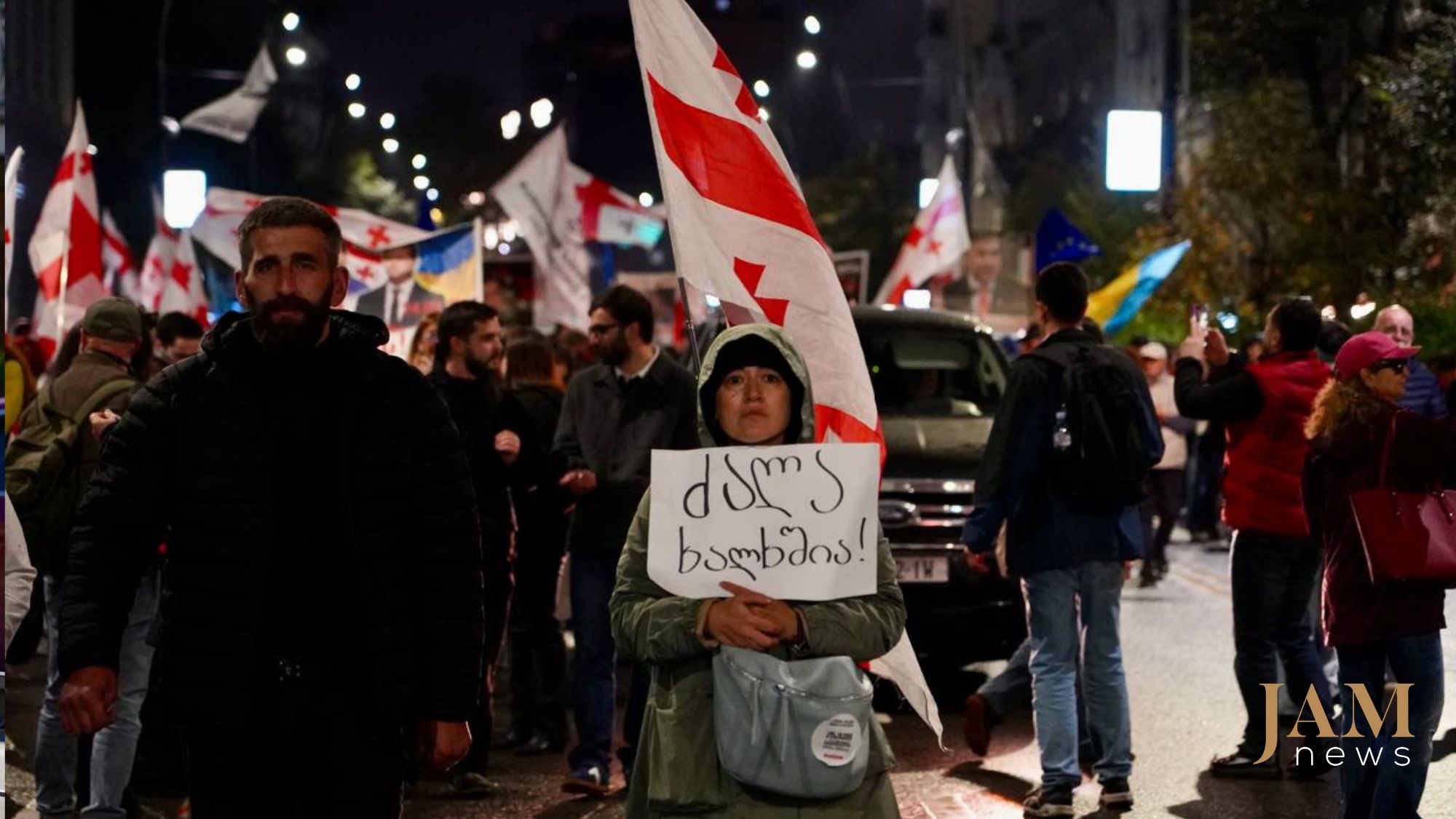
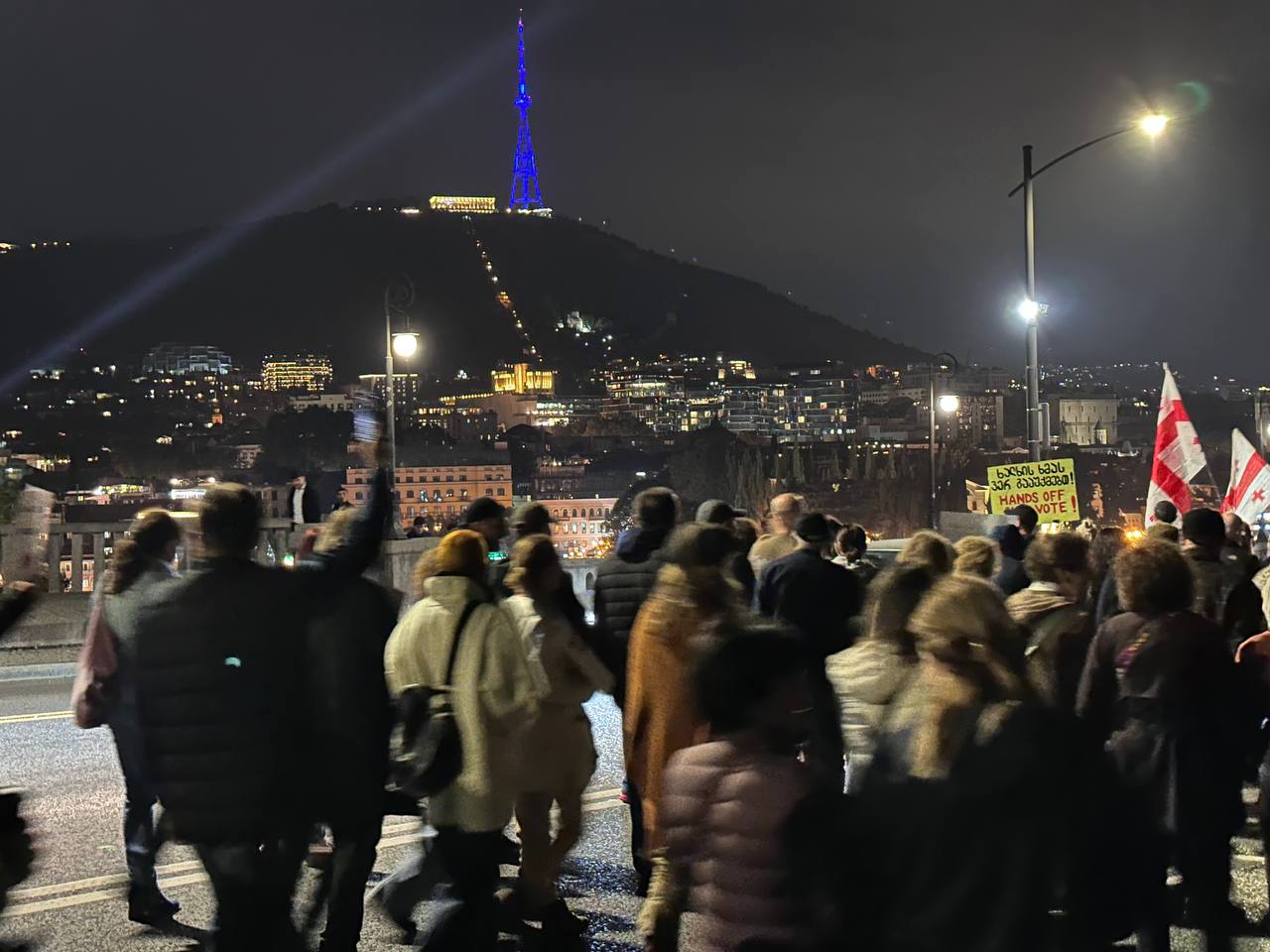
● An opposition alliance consisting of nine parties has announced a large-scale gathering on May 26, on Georgia’s Independence Day, “with the aim of starting a process of national mobilization around the idea of independence.” “This process will take place similarly to the historic referendum of March 31, 1991 (on Georgia’s withdrawal from the USSR – JAMnews), will finally overthrow the treacherous regime and return the country to its historical path of development,” the statement says.
● The Embassy of Ukraine in Georgia issued a statement on the occasion of the 37th anniversary of the April 9 tragedy. “On the Day of National Unity, we together with the Georgian people pay tribute to the peaceful demonstrators who died on April 9, 1989, and to all those who fought for the freedom, independence, and democratic future of Georgia. These events became defining for Georgia and Georgian society and will forever remain a symbol of the aspiration for freedom and independence of the state,” the statement said. Read more here about the April 9 tragedy, when a peaceful protest in Tbilisi was dispersed with the use of Soviet Russian army forces, resulting in 21 deaths and hundreds of people being injured and poisoned.
● The Embassy of France in Georgia and the French School of the Caucasus, located near the Parliament, laid flowers at the memorial of those who died on April 9. In its statement, the embassy confirmed “France’s full and unwavering support for the sovereignty and territorial integrity of Georgia and its commitment, together with the Georgian people, to a peaceful, free, and European future.”
● Nearly 128 million lari (about 47.6 million USD) is the value of property seized and confiscated in Georgia in 2025 as part of investigations into financial crimes, according to the Investigation Service of the Ministry of Finance. According to the report, real estate with a total area of 3.86 million square meters was seized in 2025. In addition, 154 units of movable property were seized. During these operations, nearly 986,000 packs of cigarettes worth more than 6.1 million lari (2.2 million USD) and about 80,000 bottles of alcohol worth more than 11.3 million lari (4.2 million USD) were confiscated. In addition, more than 30 kg of gold was seized. Counterfeit currency was also removed from circulation, including 220,300 US dollars, 6,050 euros, and 1,200 lari. In total, 1,909 criminal cases were under investigation last year.
● Former “Minister of Foreign Affairs of Abkhazia” Inal Ardzinba has been appointed to work in the administration of Russian President Vladimir Putin. This is reported by Russian media. According to them, Ardzinba has taken a position in the Department for Strategic Partnership and Cooperation, which is responsible for shaping policy regarding foreign countries.
● The head of the State Security Service, Mamuka Mdinaradze, has again been awarded an early promotion and has become a colonel of the State Security Service. The rank of lieutenant colonel had been awarded to him only a month ago.
● Khvicha Kvaratskhelia, the leader of the Georgia national team, has been included by UEFA in its symbolic “Team of the Week.” In the current season of the Champions League, Kvaratskhelia has 8 goals and 4 assists, and he is ranked third in the top scorers’ race.
-
Thursday, 9 April, Armenia. Russian Foreign Ministry: “Moscow hopes that pro-Russian forces will be able to freely participate in the parliamentary elections in Armenia”
● Armenia welcomes the important decision reached between the United States and Iran to cease all military actions, Prime Minister Nikol Pashinyan wrote on X. He highly praised the mediation efforts, including those of Pakistan, and stated that “diplomacy must prevail in resolving all outstanding issues and preserving peace in the Middle East.”
● “We need peace, people think only about that. If there is peace, there will be everything,” said a resident of a community in the Kotayk region, addressing Nikol Pashinyan, who visited the area as part of his pre-election trips across the country. “Right now we have peace, but peace needs care. I compare it to a child. When a child is born, it lives, but if it is not cared for, it will not live. It is important that the foundation has been laid — for exactly two years now there have been no fatalities or injuries at the border. Thank you for your position and your perception,” Pashinyan replied.
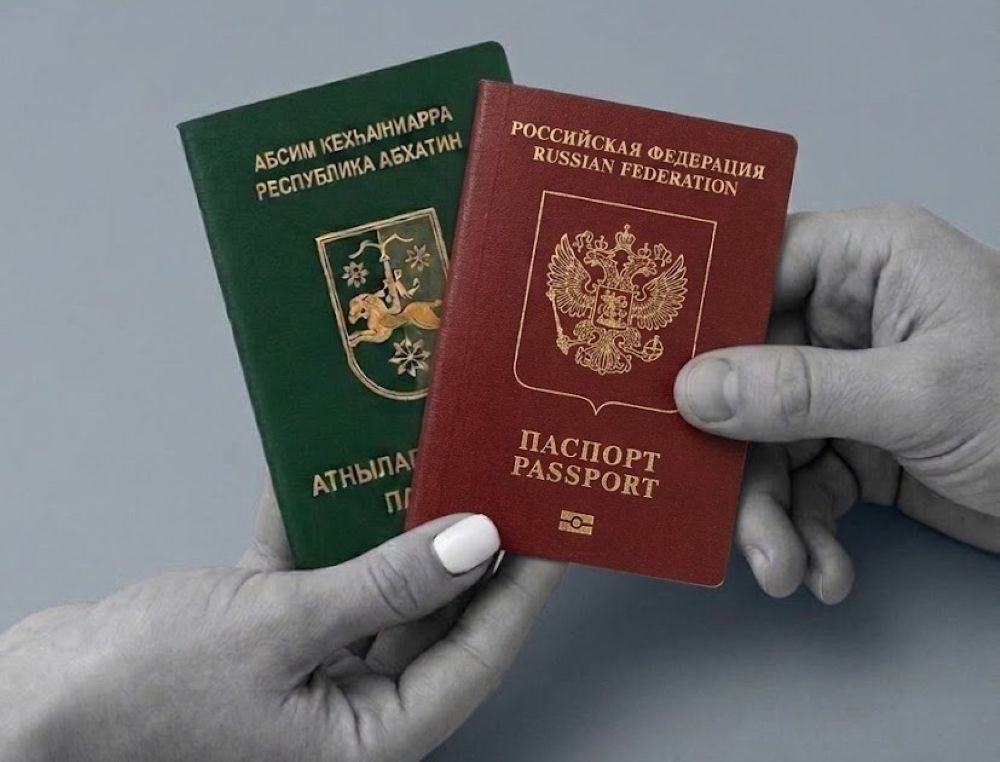
● Former president and leader of the opposition “Armenia” bloc Robert Kocharyan (who has a pro-Russian reputation) said he does not consider the Russian president’s remarks about the upcoming June 7 parliamentary elections in Armenia to be interference in the country’s internal affairs. During a recent meeting with Nikol Pashinyan in Moscow, Vladimir Putin said he would very much like “pro-Russian political parties and politicians to be able to take part in Armenia’s domestic political process.” “Some of them are in places of detention, and they have Russian passports,” Putin noted.
Robert Kocharyan said he sees in these remarks only a “cause-and-effect relationship.” “The Russian president would not have raised this topic if not for the Armenian foreign minister’s visit to Brussels and the talk of a hybrid war allegedly coming from Russia, as well as the visit of the EU mission to Yerevan. It is the Armenian authorities themselves who are provoking this issue. And Russia has before its eyes the example of Moldova. Armenia is following the same path and is not hiding it,” Kocharyan said. In his view, “the Armenian authorities are trying to neutralize forces that advocate strengthening relations with Russia, while the Russian president spoke about the need to allow the Armenian people to make their own choice.”
● Russian Foreign Ministry spokesperson Maria Zakharova also commented on the issue during a briefing. “Moscow hopes that pro-Russian forces will be able to freely take part in the parliamentary elections in Armenia in June,” she said. Zakharova also critically commented on the new amendments to Armenia’s electoral code, while emphasizing that “Russia does not interfere in Armenia’s internal political affairs.”
● Estonian Foreign Minister Margus Tsahkna is on an official visit to Armenia on April 9–10.
● Maria Zakharova: “Russia is interested in Armenia restoring full participation in the activities of the CSTO” (a military alliance led by Russia).
● Former Foreign Minister Zohrab Mnatsakanyan: “The TRIPP transit project (Trump Route) is not just a local infrastructure agreement. For Armenia, it is a window of opportunity in a much broader sense. The project fits into the large-scale restructuring of Eurasian trade routes, as geopolitical tensions and disruptions in supply chains are forcing governments and businesses to rethink how goods move between Asia and Europe.”
● Parliament discussed a draft law, after the ratification of which Armenia will begin exchanging financial information with various countries around the world. Deputy Chairman of the State Revenue Committee Rafael Gevorkyan said that this year Armenia has already carried out such exchanges under agreements with more than 40 countries.
● First President Levon Ter-Petrosyan (who has a pro-Russian reputation) stated that “a leader of a country of Armenia’s ‘caliber’ has no right to engage in the geopolitical games of superpowers.” “One should not be so naive as to promise one thing to one superpower and another thing to another, and think that such supposedly ‘clever policy’ can bring success. It is impossible to make deals behind the back of any superpower that other superpowers would not know about in the smallest detail,” Ter-Petrosyan wrote on Facebook.
● Two investigators in the case of an 18-year-old young man who was arrested after a confrontation with the prime minister during a church service have been dismissed. It is unclear whether their removal is related to the case.
● Nikol Pashinyan visited a 5.2-hectare pepper greenhouse established with government support in the settlement of Nor Geghi in the Nor Hachn community. The greenhouse owner said they can store peppers for about 40 days before they reach the market. It was also noted that experimental spicy preserves and jam have been produced and have already received positive feedback from the United States.
-
Thursday, 9 April, Azerbaijan. Visits to Baku by high-level delegations from Kazakhstan, Serbia, and Lithuania
● President Ilham Aliyev called Iranian President Masoud Pezeshkian and congratulated him on the announced ceasefire with the United States. Pezeshkian expressed gratitude for the humanitarian assistance provided to Iran by the country.
● Lithuanian Prime Minister Ingrida Šimonytė arrived in Azerbaijan on an official visit.
● The energy ministers of Azerbaijan and Serbia discussed energy supplies and joint infrastructure projects during the visit to Baku by Serbian Minister Dubravka Đedović-Handanović. In a social media post, she emphasized that “Azerbaijan is not just a gas supplier for Serbia, but a strategic partner,” and cited the following data:
• The volume of natural gas supplies from Azerbaijan to Serbia has doubled since the launch of cooperation three years ago.
• The contract for the supply of Azerbaijani gas to Serbia via the Bulgaria–Serbia interconnector has been extended until the end of 2026.
• Construction of a large gas-fired power plant in the city of Niš in Serbia is beginning. The project will be implemented jointly with Azerbaijan, with the plant scheduled to be commissioned by 2029. It will serve as a backbone of Serbia’s energy system, ensuring high production efficiency and minimal emissions.
• A direct air link between Belgrade and Baku will be launched in May.
• A series of high-level bilateral visits is planned.
• The talks held in Baku marked a significant step toward strengthening Serbia’s energy security and expanding the bilateral strategic partnership.
● During the visit to Baku by Kazakhstan’s Deputy Prime Minister and Foreign Minister Murat Nurtleu and Minister of Transport Nurlan Sauranbayev, the implementation of key regional infrastructure projects was discussed, including the Middle Corridor and the laying of a fiber-optic cable from Kazakhstan to Azerbaijan along the bottom of the Caspian Sea. It is reported that the main focus was on developing details of cooperation in the transit of Kazakh energy resources to global markets through Azerbaijan, as well as in agriculture, industrial cooperation, and telecommunications. In this context, the growing role of the joint investment fund was emphasized.
Prior to arriving in Baku, the high-level Kazakh delegation visited Georgia, and from Baku they will travel to Armenia.
● A Kazakh delegation led by Deputy Defense Minister Darkhan Akhmediev is on a visit to Azerbaijan. Prospects for developing bilateral military-technical cooperation are being discussed.
● The foreign ministers of Azerbaijan and Iran discussed the regional security situation by phone, with Jeyhun Bayramov welcoming the ceasefire agreement between Iran and the United States.
● The foreign ministers of Azerbaijan and Ukraine also held a phone conversation, during which their commitment to deepening bilateral cooperation was reaffirmed.
● In the Nakhchivan Autonomous Republic, the law on the ombudsman will be repealed, and changes will be introduced to the composition of the Central Election Commission and the law “On the Status of a Deputy.” A session of the autonomous republic’s parliament will take place tomorrow, April 10.
● The World Bank expects Azerbaijan’s GDP to grow by 2% in 2026 and by 1.8% in 2027, according to the April issue of its Europe and Central Asia Economic Update. Compared to January estimates, the forecasts have been revised upward by 0.2 and 0.1 percentage points, respectively. In 2025, Azerbaijan’s economic growth amounted to 1.4%, nearly three times lower than in 2024. The report cites a significant decline in oil production as the main reason.
● The Caucasus Muslim Board rejected as “unfounded” the conclusions of the annual report by the U.S. Commission on International Religious Freedom (USCIRF) regarding the situation in Azerbaijan in 2025. “Claims of violations of religious freedom and pressure on religious communities reflect a biased lobbying position of certain circles, do not correspond to reality, and ignore Azerbaijan’s significant efforts to promote religious tolerance both domestically and globally,” the statement said. The Board called on USCIRF to “eliminate the injustice toward Azerbaijan related to its inclusion on the ‘Special Watch List’ on baseless and unsubstantiated grounds.”
● New state standards for vehicles have been approved, based on the regulations of the UN Economic Commission for Europe (UNECE). These include stricter requirements for noise levels, door locks, steering systems, braking systems, seat belt anchorages, seats, and headlamp bulbs.
● Authorities have announced the development of a new package of measures to protect personal data and online privacy. In particular, requirements for internet service providers will be significantly tightened.
● A next-generation screening technology has been introduced at Baku’s international airport, allowing passengers to undergo security checks without removing electronic devices and liquids from their carry-on luggage. This significantly speeds up the screening process and improves the detection of potential risks. The project is being implemented in line with international aviation security standards set by ACI Europe, ICAO, and TSA.
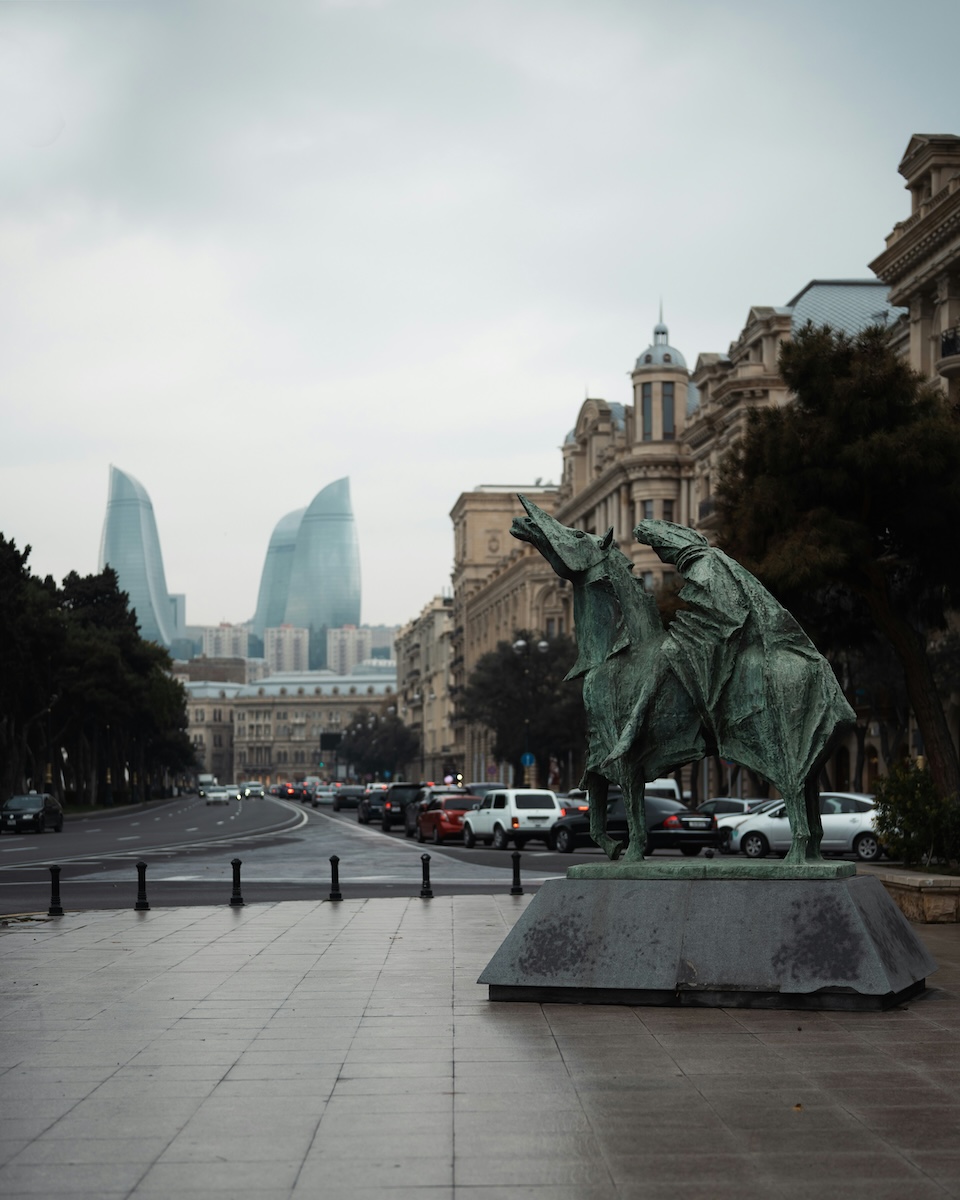
Photo by Nurlan Isazade
-
Thursday, 9 April, Georgia. Government: construction work on the new deep-water port of Anaklia will continue in the coming days
● The State Security Service reported the release of a Georgian citizen who had been detained on April 2 by Russian military personnel near the occupation line in the Georgian–Ossetian conflict zone. The EU Monitoring Mission “hotline” was used in the process.
● Georgia welcomed the announcement of a ceasefire between the United States and Iran. Prime Minister Irakli Kobakhidze stated that “the agreement reached is an important signal in the context of reducing regional tensions.”
● The ruling Georgian Dream party has introduced a bill in parliament providing for a new multiple-entry visa category C5. It will be issued for five years, while the period of stay will be limited to 90 days within any 180-day period.
● A verdict has been delivered to three minors accused of the murder of young teacher Giga Avaliani in Tbilisi. Their maximum sentences were reduced in accordance with the juvenile code. Two were sentenced to 10 years and 6 months in prison, and the third to 6 years and 9 months. More details here
● President from Georgian Dream Mikheil Kavelashvili met with the Chinese Ambassador to Georgia. It is reported that the main topics of discussion were economic cooperation and the Belt and Road Initiative. Particular attention was paid to the development of the Middle Corridor.
● The Communications Commission issued warnings to four television companies for violations of broadcasting rules. Monitoring identified breaches of impartiality and accuracy standards.
● Work on the construction of the new deep-sea port of Anaklia will continue in the coming days. According to the government, the project cost has been reduced by $52 million. The project is of strategic importance for the country’s transport infrastructure. More details here
● The Prosecutor’s Office has refused a plea agreement to former Defense Minister Juansher Burchuladze and several other detainees accused in a large-scale embezzlement case. The General Prosecutor’s Office stated that an agreement will be signed with only one defendant who cooperated with the investigation. Convictions have been requested for the others. More details here
● Several families living in the central Abanotubani district of Tbilisi staged a protest. Their homes are being forcibly taken in order to build the Heydar Aliyev Cultural Center on the site. The families are being offered compensation, but they refuse to leave their homes.
● The Prosecutor’s Office has charged the brother of the mayor of Marneuli, Kenan Ismailov, with group violence. He faces a prison sentence of 3 to 5 years.
● Two new structures will be created within the Ministry of Economy — a development corporation and an investment agency. Their main tasks are to attract investment and expand economic policy instruments.
● The government has written off fines totaling about $370 million for 157 energy companies under a conditional scheme, meaning the penalties will be reinstated if future obligations are not met. Officials say the move is aimed at helping the sector recover financially. More details here
● The introduction of a ban on plastic bottles has been postponed for four years and will only come into force in 2031. The decision was made after consultations with businesses, which warned of an inevitable rise in prices if the regulation were adopted.
● A case of rabies in a wild fox has been confirmed in the Tsalka district. Quarantine has been declared and vaccination has begun. This is the third confirmed case this year, indicating the need for preventive measures.
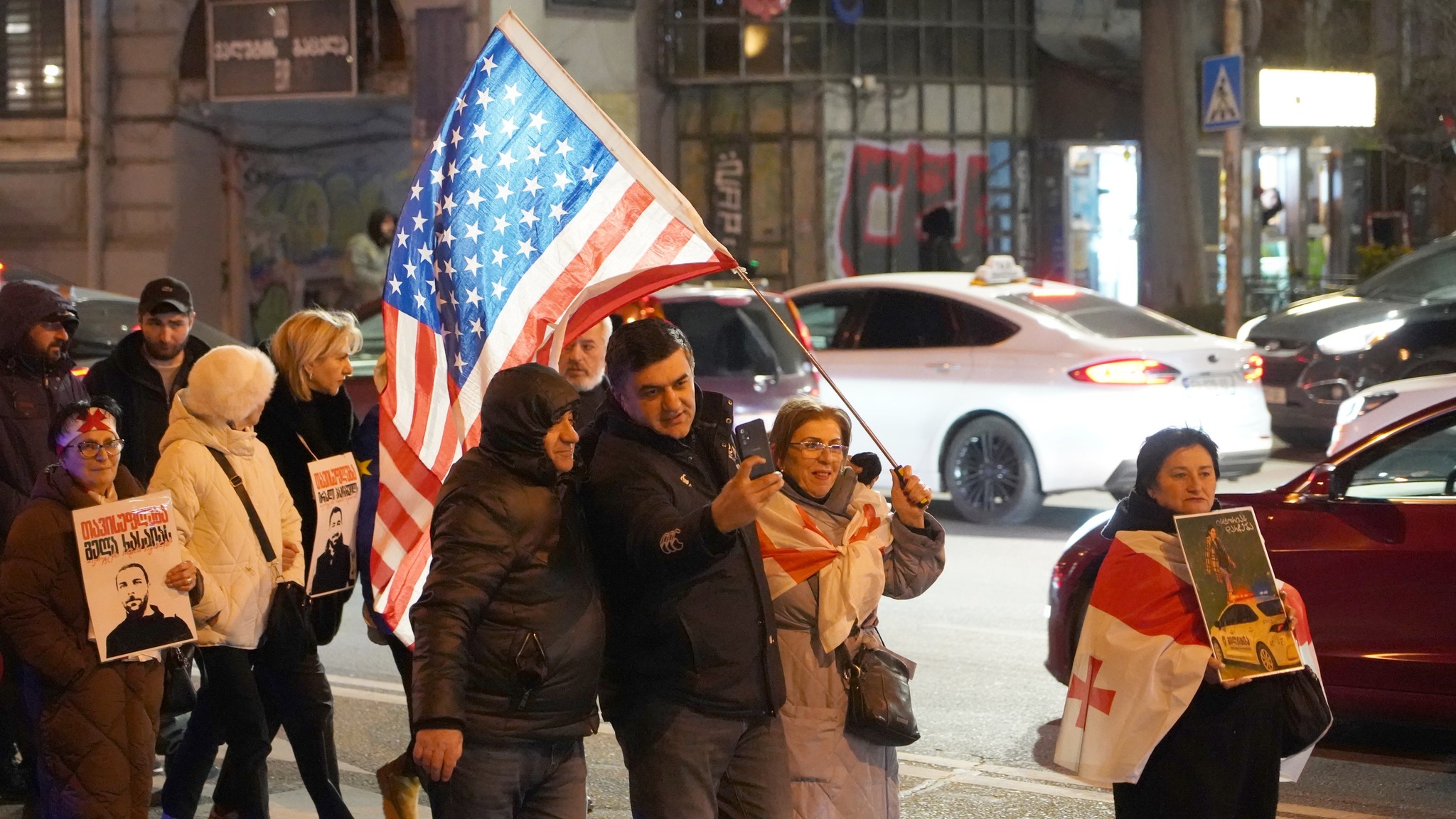
-
Wednesday, 8 April, Georgia. Opposition party “Lelo” proposes naming the under-construction Anaklia port after Trump
● Five families will lose their residential and commercial properties due to the construction of the Heydar Aliyev Cultural Center in Tbilisi. The project has been granted the status of a “vital public necessity,” and compensation to residents will be paid in advance.
● According to a study published by “Myth Detector,” following the death of the Catholicos-Patriarch of All Georgia, an information campaign quickly unfolded, dividing society into two camps — the “mourning” and the “protesting.” This division not only reflected emotional reactions but also deliberately intensified confrontation. A detailed analysis is available here
● Kazakhstan’s Foreign Minister Murat Nurtleu visited Georgia, and a cooperation program between the foreign ministries for 2026–2027 was signed. More details here
● The opposition coalition “Lelo for Georgia” proposed declaring the under-construction Anaklia deep-sea port a strategic national facility and naming it after U.S. President Donald Trump. More on the port project and the political developments around it here
● A court has kept former head of the State Security Service Grigol Liluashvili in detention. He is accused of large-scale bribery and faces up to 15 years in prison. The trial is being held behind closed doors, with the next hearing scheduled for April 22. More details on the case here
● In the case of an attack on a police officer in Gori, the defendant was sentenced to 17 years in prison for attempted murder of a police officer and involvement in criminal gang violence.
● As part of an operation against the “thieves’ underworld,” 44 people have been arrested, with 6 charged in absentia. The case involves organized crime networks and criminal disputes.
● Parents of children with Duchenne muscular dystrophy are asking for support from the authorities and the Patriarchate to ensure the supply of necessary medicines and financial assistance.
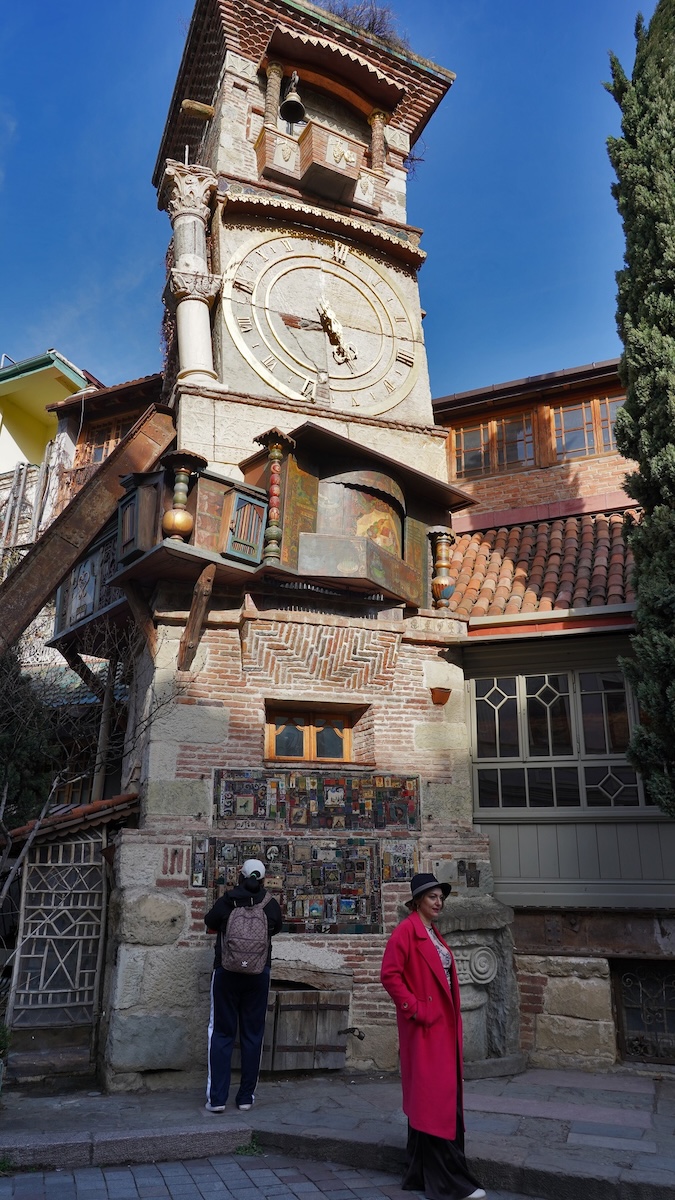
-
Wednesday, 8 April, Armenia. A bill banning the use of personal names or the names of state institutions in party bloc names has been approved in the first reading
● A draft law is being discussed in Armenia that would require audiovisual media to indicate when content has been created or altered using artificial intelligence. Minister of High-Tech Industry Mkhitar Hayrapetyan said this must be announced at the beginning and end of the specific program or content. Failure to comply would result in a fine of 300,000 drams (about $800). Compliance will be monitored by the Television and Radio Commission.
● The National Assembly has passed amendments to the Electoral Code in the first reading, supported only by members of the ruling Civil Contract party. The proposal bans party blocs from using personal names, as well as the names of state or local government bodies, or similar titles. The opposition says the amendment targets Russian dollar billionaire Samvel Karapetyan, whose name appears in the bloc formed by his “Strong Armenia” party. Ruling party MP Vaagn Aleksanyan said the initiative is meant to preserve the logic of the proportional electoral system, noting that the names of the top three candidates already appear on the ballot.
● The process of Samvel Karapetyan renouncing his foreign citizenships has already begun and is underway, a representative of the “Strong Armenia” party, Alik Aleksanyan, told journalists. According to him, Karapetyan holds Armenian, Russian, and “European” citizenship, though he did not specify which European country. Karapetyan is currently under arrest on charges of calling for the overthrow of state power in Armenia.
● Russian regulatory authorities have identified discrepancies in products from Armenia’s Proshyan Brandy Factory. According to a statement, samples of brandy imported into Russia were tested and found to contain alcohol not derived from grapes, as well as inconsistencies between the composition and the declared product name, meaning it does not meet the definition of “brandy.”
● Foreign direct investment in Armenia amounted to $139 million in 2024, according to a UN report. In 2023, the figure was $580 million—four times higher than in 2024—while in 2022 it reached $976 million, seven times higher than in 2024.
● Armenia has opened a national office for the European Erasmus+ youth support program. The Ministry of Education said the program aims to facilitate the participation of Armenian beneficiaries in European Commission initiatives in higher education, vocational training, and sports.
● All works underway at the Tsitsernakaberd memorial complex will be completed on time, Education Minister Zhanna Andreasyan told journalists. She emphasized that the memorial, dedicated to the Armenian Genocide in the Ottoman Empire, remains open and operational.
● Online taxi drivers in Armenia will be included in the universal health insurance system starting January 1, 2027, after parliament approved the relevant amendments.
● The Defense Ministry accused ruling party MP Hayk Sargsyan of disclosing military secrets and spreading disinformation. The issue concerns his claim that the number of conscripts dropped from 44,000 to 14,000 over the past 10 years. The ministry said such data is classified and added that the number of conscripts in 2025 increased by 25.3% compared to 2022.
● The Defense Ministry also denied Sargsyan’s claim that a soldier died of pneumonia in 2024.
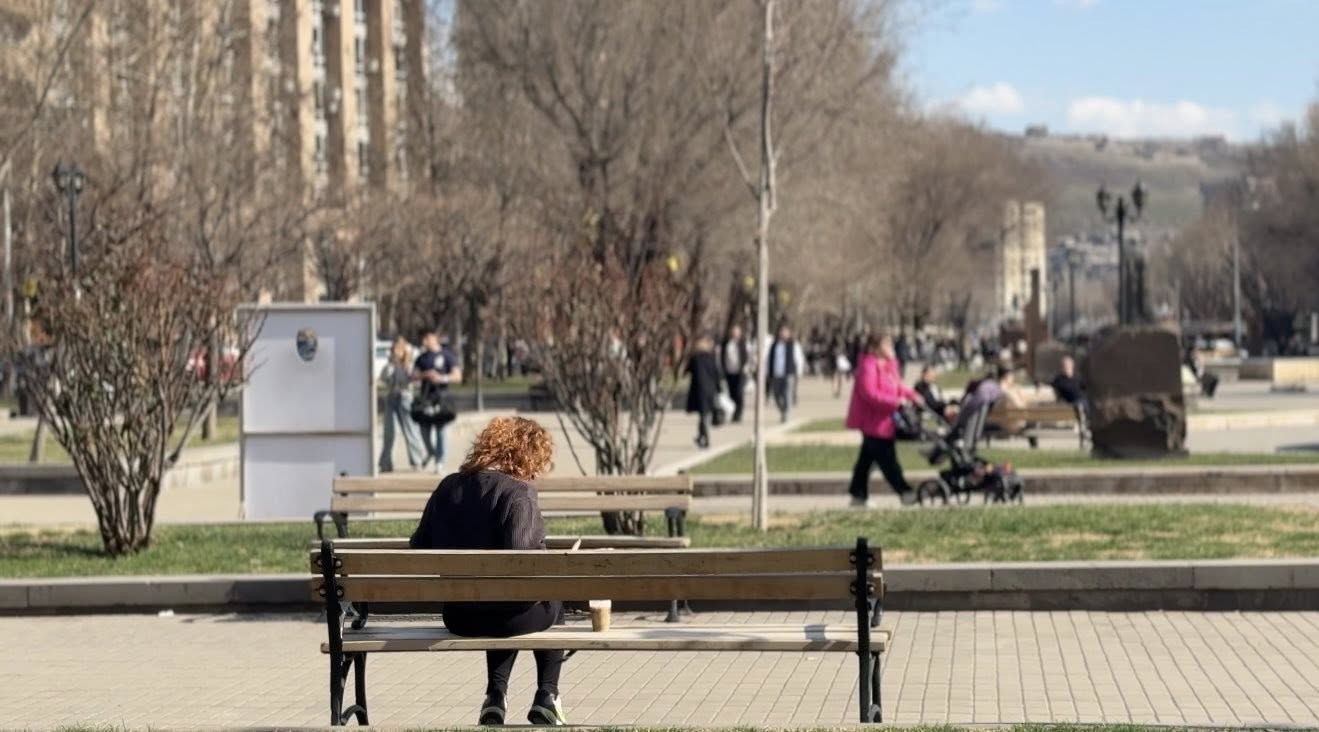
-
Wednesday, 8 April, Azerbaijan. The president of Radio Free Europe/Radio Liberty calls on Azerbaijani authorities to release journalist Farid Mehralizada, who was sentenced to nine years in the “AbzasMedia case”
● Kazakhstan’s Foreign Minister Murat Nurtleu will pay an official visit to Azerbaijan. Ahead of this, he visited Tbilisi, where he stated Kazakhstan’s readiness to expand cooperation with Georgia in developing routes in the Caspian–Black Sea region. Ahead of his visit to Baku, it was reported that trade turnover between Kazakhstan and Azerbaijan exceeded $470 million in 2025. There are 1,518 Azerbaijani companies operating in Kazakhstan, and Azerbaijani direct investment since 2013 has totaled $220.1 million. Over the past seven years, cargo volumes along the Trans-Caspian International Transport Route have increased fivefold—from 0.8 to 4.5 million tons annually, with a potential of up to 10 million tons per year.
● Radio Free Europe/Radio Liberty President Stephen Capus called on Azerbaijani authorities to take steps to reunite the family of Farid Mehralizada, an economist and RFE/RL journalist sentenced to nine years in prison in the “AbzasMedia case.” On April 3, Azerbaijan’s Supreme Court рассмотрел cassation appeals from seven journalists convicted in the case, rejecting all of them and upholding the sentences. The journalists were charged with smuggling and other financial crimes. They deny the accusations and say they are being punished for investigative reporting exposing corruption. At his hearing, Mehralizada said he was being punished for his critical research published by RFE/RL.
“This decision will further prolong the painful separation that Farid’s family is enduring for crimes he did not commit. Azerbaijani authorities must immediately act to correct this injustice and allow Farid to return home,” Capus said.
● The European Court of Human Rights has ordered Azerbaijan to pay an additional €12,000 in compensation to prominent investigative journalist Khadija Ismayilova. Earlier this year, the court awarded her €16,000 over violations related to her conviction for “illegal entrepreneurship.” This time, the court рассмотрел her complaint about restrictions on her right to leave Azerbaijan. Ismayilova had appealed domestically to lift the travel ban, noting that she receives invitations to international conferences and that attending them is important for her work. She also submitted medical documents requesting permission to accompany her mother to Turkey for surgery, but local courts rejected her requests.
Khadija Ismayilova was arrested in December 2014 on multiple charges, from incitement to suicide to financial crimes, and sentenced to 7.5 years in prison. In 2016, the Supreme Court reduced this to a suspended sentence, later shortened further. She has always denied the charges, saying she was targeted for her critical journalism.
● An International Monetary Fund mission concluded that a peace agreement between Azerbaijan and Armenia could significantly reshape the logistics architecture of the South Caucasus by opening alternative trade routes bypassing Georgia. The report says this could boost the region’s investment appeal. At the same time, if the Middle East conflict drags on, the opposite effect is possible—financial and tourism flows could shift in Georgia’s favor, along with increased transit along the Middle Corridor.
● The Foreign Ministry condemned an attack by a group of protesters on the UAE embassy in Damascus and welcomed the Syrian authorities’ intention to hold those responsible accountable.
● The Energy Ministry reported that 29.1% of electricity produced in Azerbaijan over the past day came from renewable sources—hydropower, solar, and wind.
● Azerbaijan will purchase 100 heavy-duty trucks from Belarus for its Ministry of Ecology.
● President Ilham Aliyev awarded more than 40 citizens for special заслуги in defending the country’s territorial integrity and for bravery shown in carrying out combat missions.
● Azerbaijan is marking the anniversary of the Aghdaban tragedy during the first Karabakh war. According to the state agency APA, 34 years have passed since the night of April 7–8, 1992, when Armenian forces and armed groups in Karabakh attacked the village of Aghdaban, burning all 130 houses, subjecting 779 civilians to violence, and killing 32 people. Cultural sites were destroyed, and manuscripts of Azerbaijani ashug poets were burned. Today, residents have returned to live on their native land.
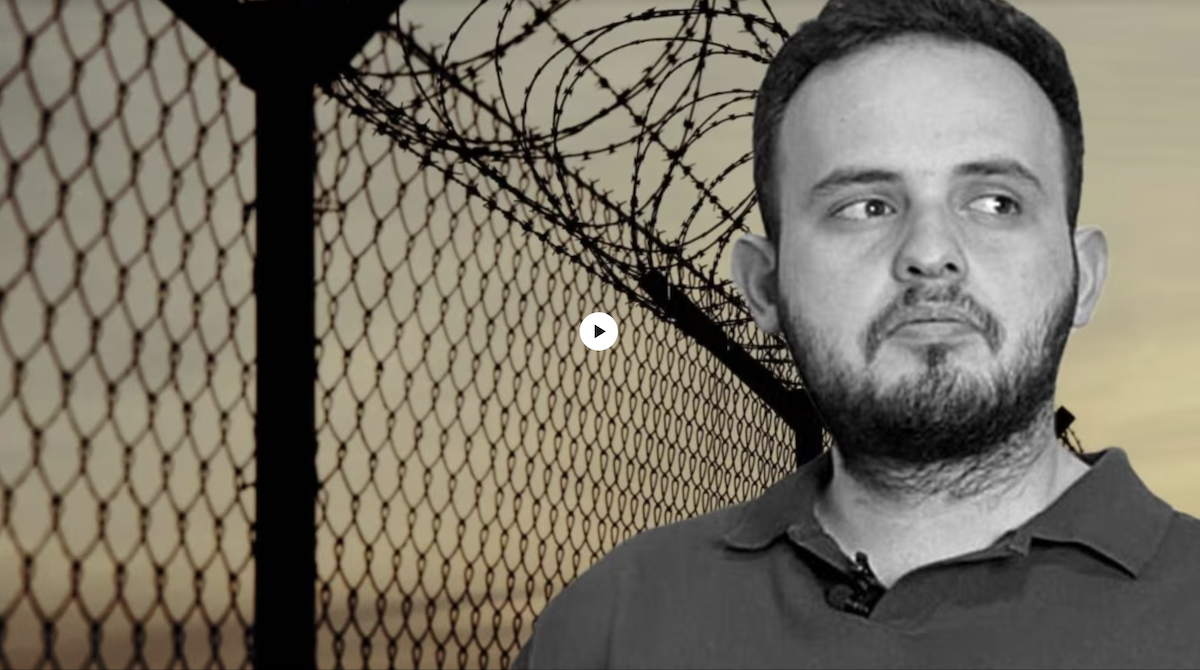
-
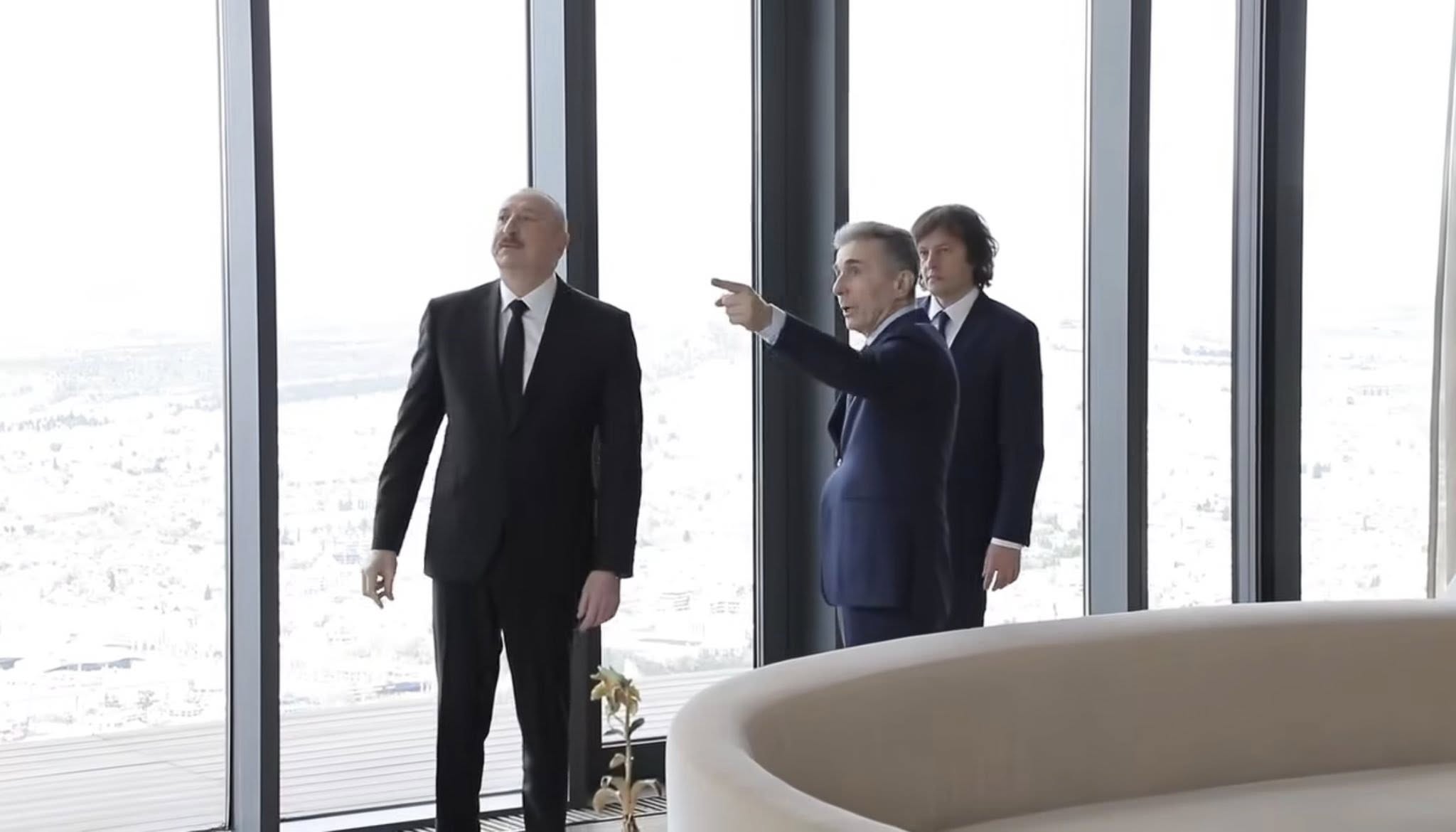
Tuesday, 7 April, Azerbaijan. Ilham Aliyev met with Bidzina Ivanishvili in Tbilisi
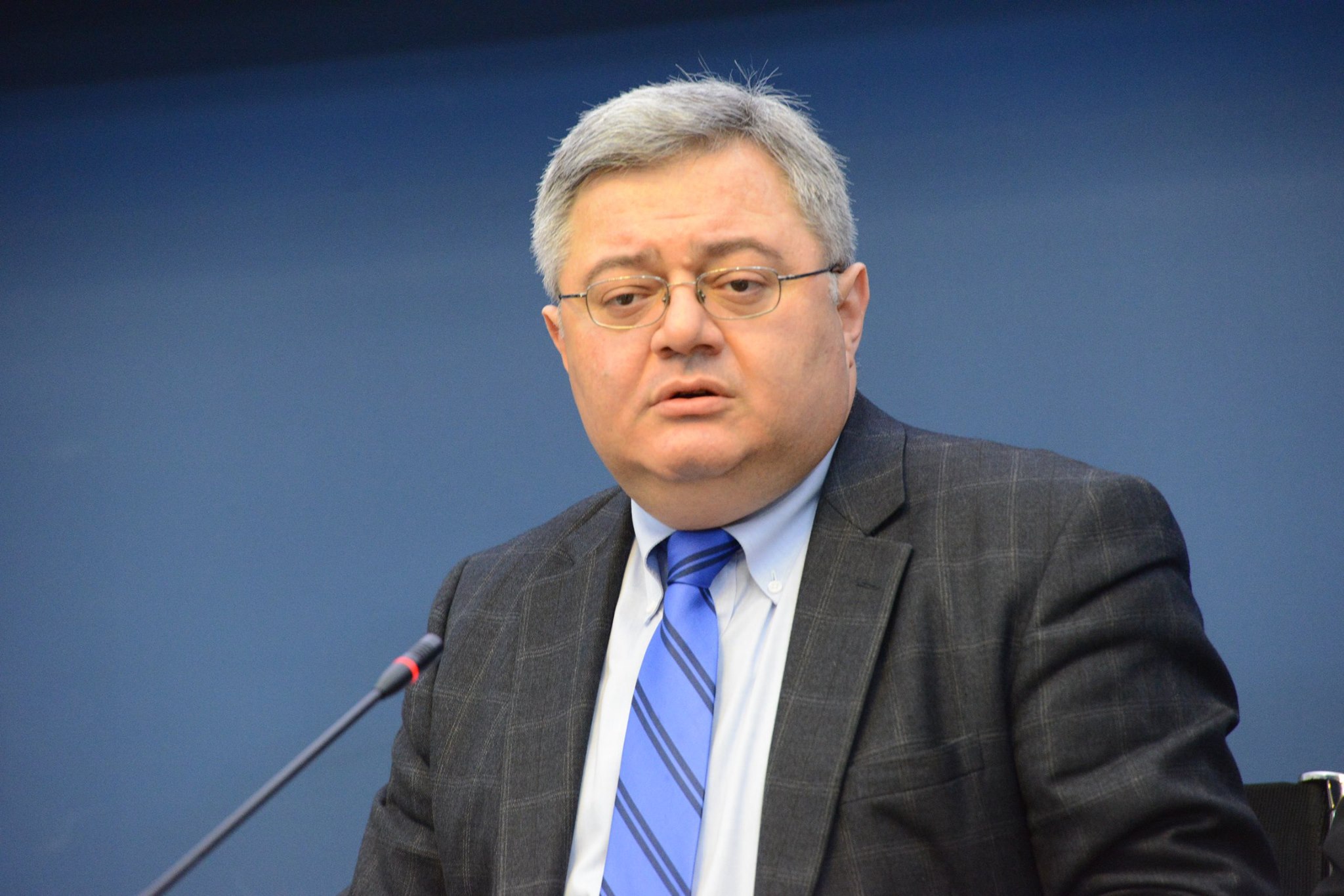
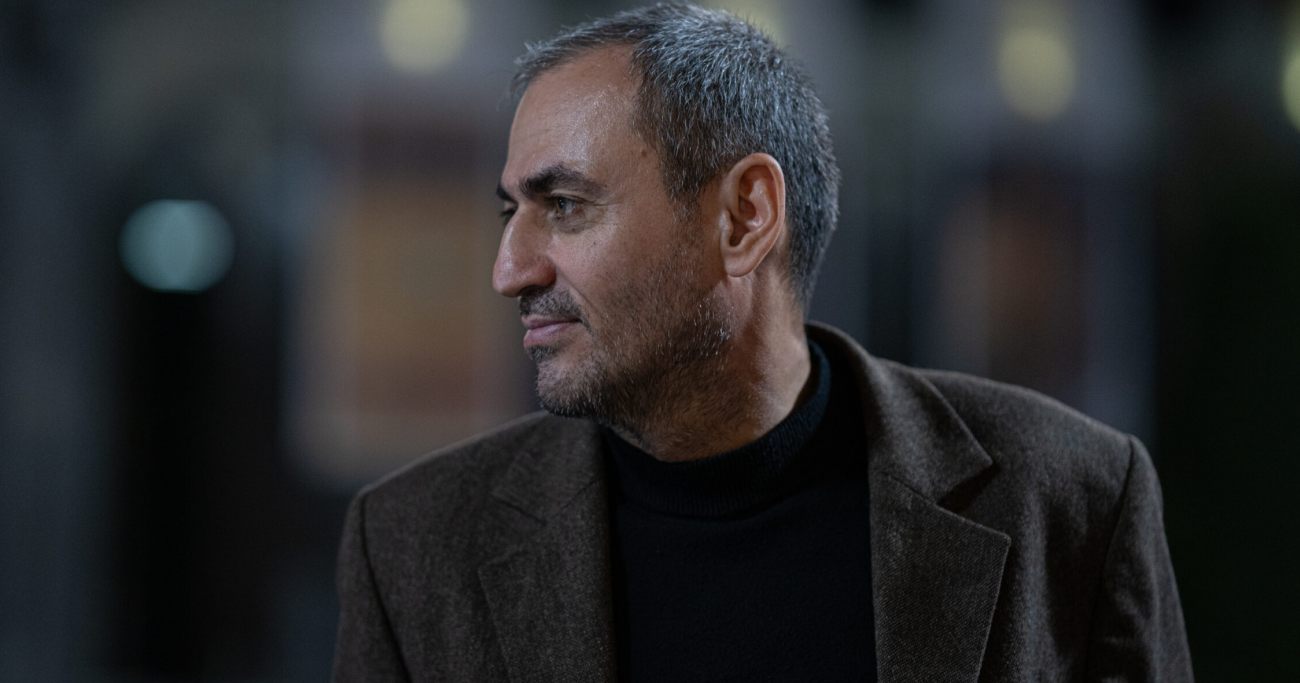
● On Monday, Azerbaijani President Ilham Aliyev paid a state visit to Georgia. He held meetings with the president and prime minister, as well as with Bidzina Ivanishvili (pictured), founder and honorary chairman of the ruling Georgian Dream party. A lunch was hosted in Aliyev’s honor. Speaking at a briefing alongside Georgian Prime Minister Irakli Kobakhidze, Ilham Aliyev said, among other things:
Azerbaijan–Georgia relations can serve as an example for all neighbors.
Trade turnover between Azerbaijan and Georgia exceeded $800 million in 2025 and could reach $1 billion by the end of the year.
Georgia has a favorable investment climate, and Azerbaijan has invested $3.7 billion in its economy.
There was an exchange of views on new investment projects for both countries. Joint investments in third countries may also become possible in the future.
Azerbaijan and Georgia always support each other’s sovereignty and territorial integrity.
The South Caucasus is becoming a space of peace and cooperation, with Georgia playing a special role.
The best way to strengthen the peace process between Azerbaijan and Armenia is through trade, which проходит through Georgia.
Azerbaijani gas and oil are exported to 16 countries via Georgia. The Baku–Tbilisi–Ceyhan oil pipeline has been operating successfully for 20 years. It was followed by the Southern Gas Corridor. Transport corridors have been developed on this basis and are being expanded.
The Middle Corridor runs through Azerbaijan and Georgia and is the region’s main transport artery, with further efforts underway to expand it.
● Georgian Prime Minister Irakli Kobakhidze, at the same briefing, called Ilham Aliyev “a valuable friend of Georgia.” He emphasized the importance of the Middle Corridor for the region and said that “Azerbaijan and Georgia have repeatedly proven the reliability of their partnership, especially in energy.” Kobakhidze also welcomed the peace process between Azerbaijan and Armenia and noted that Georgia is ready to contribute to its advancement.
● The Supreme Court upheld the sentences of seven journalists in the criminal “AbzasMedia case.” The panel of judges considered their cassation appeals separately but rejected each one. The seven journalists were sentenced to prison terms ranging from 7.5 to 9 years on charges of smuggling and other financial crimes. They deny the accusations and say they are being punished for honest journalism and investigations exposing corruption by the authorities. Read more here
● Journalist Afgan Sadigov has not been arrested and is currently free in Baku, his wife told reporters; she remains in Tbilisi with their children. Azerbaijani journalist Afgan Sadigov, known as a sharp critic of the authorities, had been living in Tbilisi and was arrested and extradited to Baku on April 4. He is accused in Azerbaijan of extortion, which he strongly denies. Baku had been seeking his extradition since 2024. In February 2025, the European Court of Human Rights ruled that he should not be extradited to Azerbaijan “until the merits of his case are examined by the Strasbourg court.” Nevertheless, the deportation took place. Read more here
● Non-oil exports by Azerbaijan’s top 10 private companies nearly tripled since the beginning of the year, reaching $171.7 million. The largest exporter among them was Azerbaijan International Mining Company Limited. At the same time, non-oil exports by state companies fell by more than 22%. The published statistics include only the monetary value of exports, which may reflect rising prices. Read an analysis of the development of non-oil exports in Azerbaijan, both in terms of financial value and export volumes.
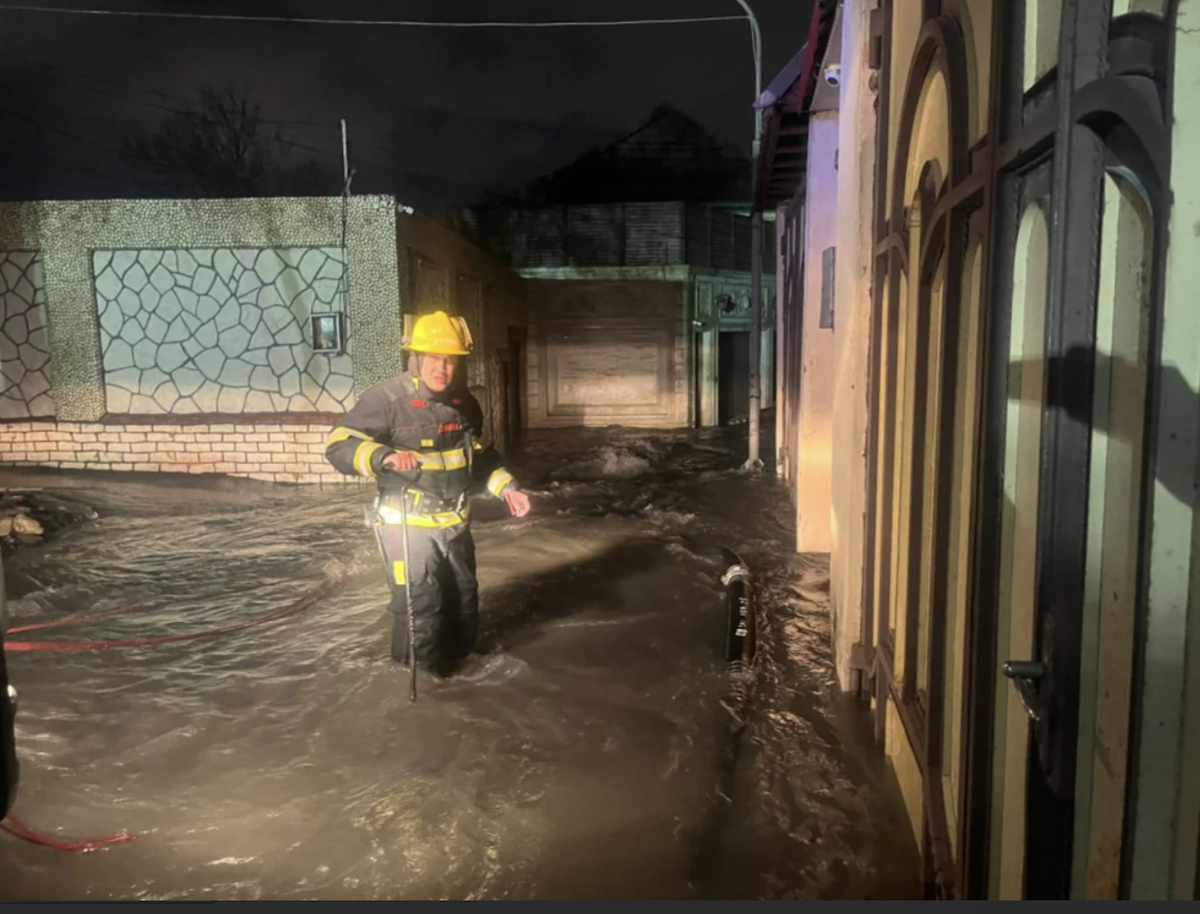
● In total, 166 people were evacuated from their homes in various regions of the country due to flooding caused by heavy rains, and active water pumping operations are underway.
-
Tuesday, 7 April, Armenia. The Defense Ministry has once again denied reports about the construction of Azerbaijani fortifications on Armenian territory
● Deputy Defense Minister Arman Sargsyan denied reports about the construction of ադրբեջanian fortifications on Armenian territory. Earlier, a similar denial was issued by the ministry’s press service. The information about such fortifications has been circulated by the opposition initiative “Wings of Unity.”
● In Moscow, officials criticized a statement by National Assembly Speaker Alen Simonyan, who said that if prices for Russian gas increase, Armenia would leave the EAEU economic union and other Russia-led structures. Simonyan was responding to earlier threats voiced by Russian officials. Russian Federation Council Deputy Chairman Konstantin Kosachev called Simonyan’s remarks “inappropriate.” He noted that during a meeting with Armenian Prime Minister Nikol Pashinyan on April 1, Russian President Vladimir Putin said gas prices in Europe had exceeded $600 per 1,000 cubic meters, while Russia sells gas to Armenia at $177.5. According to Kosachev, this price provides a strong boost to Armenia’s economy and is an important factor in social and political stability.
● Armenia is the main destination for pharmaceutical exports produced in Georgia ($5.2 million), followed by Tajikistan ($3.2 million) and Azerbaijan ($2.8 million), according to the Georgian outlet BM.ge.
● Health Minister Anahit Avanesyan criticized Andranik Kocharyan, head of the parliamentary committee on defense and security and a member of the ruling Civil Contract party. Responding to a question about why his son did not serve in the army, Kocharyan said he was exempted “thanks to his knowledge,” adding, “He is a high-class person; if you had the same knowledge, you wouldn’t have served either.” Avanesyan said she deeply regrets Kocharyan’s “careless remarks,” emphasizing that “worthy and educated young men serve in the Armenian army, often choosing to fulfill their duty before pursuing education. Military service is an honor and a serious life school that nothing else can replace.”
● The Corruption Prevention Commission did not initiate an investigation into Prime Minister Nikol Pashinyan’s behavior in the metro, stating that he had publicly explained the incident and apologized. Pashinyan had a heated exchange with a woman from Karabakh, telling her: “We spent billions earned by Armenia’s citizens so you could stay there. Why didn’t you stay? You who fled should not dare say that I gave away Karabakh.”
● Shots were fired at the Ministry of Economy, and one person was hospitalized. According to preliminary information, an employee of a private security company accidentally discharged his service weapon during a shift handover, Interior Ministry spokesperson Narek Sargsyan said.
● A court in Turkey acquitted filmmaker Rojhilat Aksoy, who had been prosecuted for screening the animated film “Aurora’s Sunrise” about the Armenian Genocide. The film tells the story of Aurora Mardiganian, a survivor of the 1915 events. The indictment argued that the film presents the events as genocide, which Turkey rejects. The defense argued successfully that the case aimed to restrict freedom of expression and art, and also noted that Aksoy was not the director but only involved in the screening.
● Classmates of 18-year-old David Minasyan, who was arrested after an incident involving Prime Minister Nikol Pashinyan at St. Anna Church in Yerevan, held another protest. Parents and teachers also joined the rally outside the Prosecutor General’s Office. Participants read out an appeal stating that Minasyan’s health has sharply deteriorated and that he is currently hospitalized. “We believe that in such circumstances, protecting a person’s life and health should be the priority. We ask to reconsider the pre-trial detention measure applied to David and to facilitate his release,” the statement said.
-
Tuesday, 7 April, Georgia. Amendments to the Law on Grants are being introduced — part of foreign financial support will no longer be considered grants
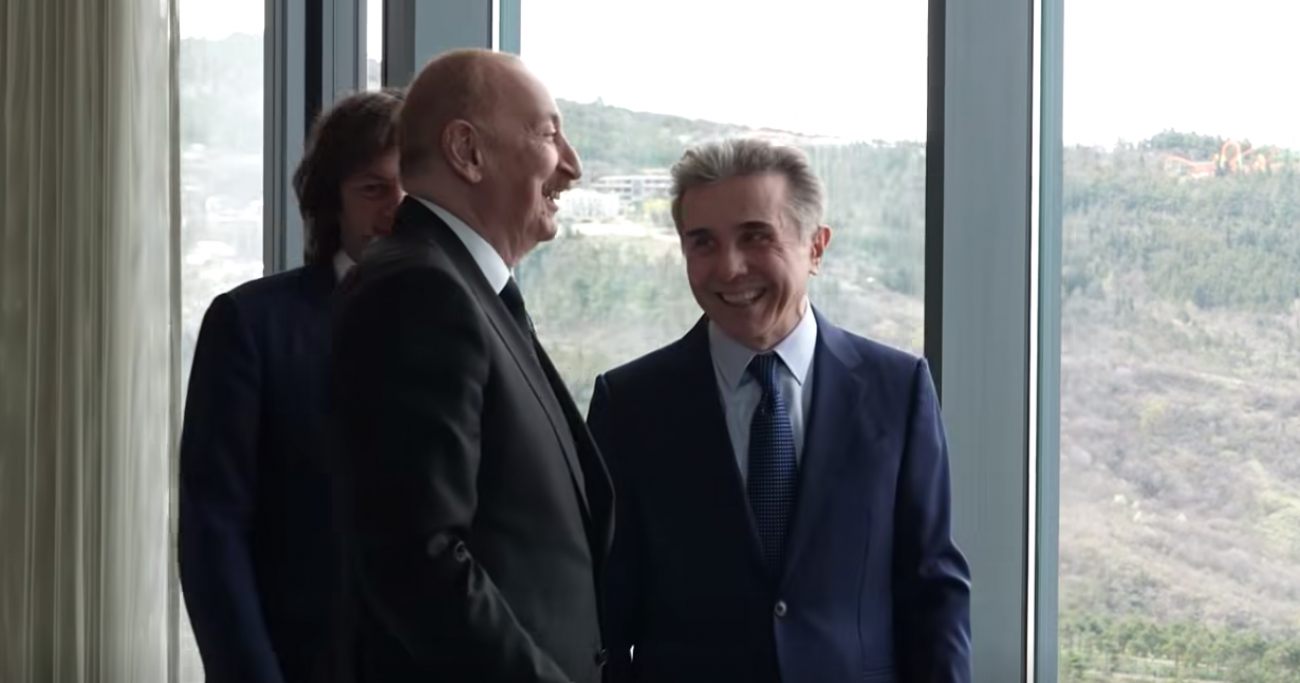
● Bidzina Ivanishvili, founder of the ruling “Georgian Dream” party, and Prime Minister Irakli Kobakhidze met in Tbilisi with visiting Azerbaijani President Ilham Aliyev. The main topics of discussion were reported to be regional peace and economic cooperation. The Georgian side подчеркнула the importance of Azerbaijan–Armenia dialogue for regional stability. More details on the briefing by Ilham Aliyev and Irakli Kobakhidze here
● At the initiative of the ruling “Georgian Dream,” amendments to the Law on Grants are being introduced. Part of the funding provided to civil society by foreign diplomatic and international missions will no longer be classified as grants and, accordingly, will not be subject to the strict regulations and restrictions предусмотренные this recently adopted law. More details here
● Under planned changes to the defense code, conscripts abroad will be required to return to Georgia upon receiving a draft notice. The notice will be considered delivered even if it is simply published online. More details here
● Property declarations of the leadership of the State Security Service — its head Mamuka Mdinaradze and his deputies — will no longer be publicly accessible. This decision is explained by their special status.
● During another court hearing in the case of former President Mikheil Saakashvili, who has been sentenced to 9 years, he engaged in a verbal clash with former Prime Minister Zurab Nogaideli. Saakashvili recalled that Nogaideli traveled to Russia after the August 2008 Russia–Georgia war and accused him of “betraying Georgia’s interests.”
● The Young Lawyers’ Association stated that the deportation to Baku of Azerbaijani journalist Afgan Sadigov constitutes a serious human rights violation and ignores the requirements of the Strasbourg court. More details on his case here
● Parents of children with Duchenne muscular dystrophy say they are facing pressure from the Interior Ministry over their ongoing street protest. Participants are demanding access to imported medicines, funding for research, and a meeting with Prime Minister Irakli Kobakhidze.
● On April 12–13, due to the Easter holiday, nine free temporary bus routes will operate in Tbilisi toward cemeteries.
📷 In the photo: Ilham Aliyev, Irakli Kobakhidze, and Bidzina Ivanishvili.
-
Monday, 6 April, Armenia. Kremlin: “If Armenia joins the EU, it will not have air links with Russia”
● Russian Deputy Prime Minister Alexei Overchuk warned that if Armenia joins the European Union, it will have no air links with Russia, because “Russia currently has no air connections with European Union countries.” He said that “citizens of Armenia should be aware of the potential consequences of the decision by official Yerevan to move closer to the EU.” “It may sound very harsh, but we want people in Armenia to understand that if such consequences arise, they will be precisely the result of decisions to move closer to the European Union,” Overchuk said.
● “Moscow reserves the right to discuss with Yerevan the upcoming elections in Armenia and the country’s future plans, because a large Armenian diaspora—over 2 million people—lives in Russia. Therefore, the directions chosen by Armenia’s leadership are a matter of heightened interest for Russia,” said Kremlin spokesperson Dmitry Peskov.
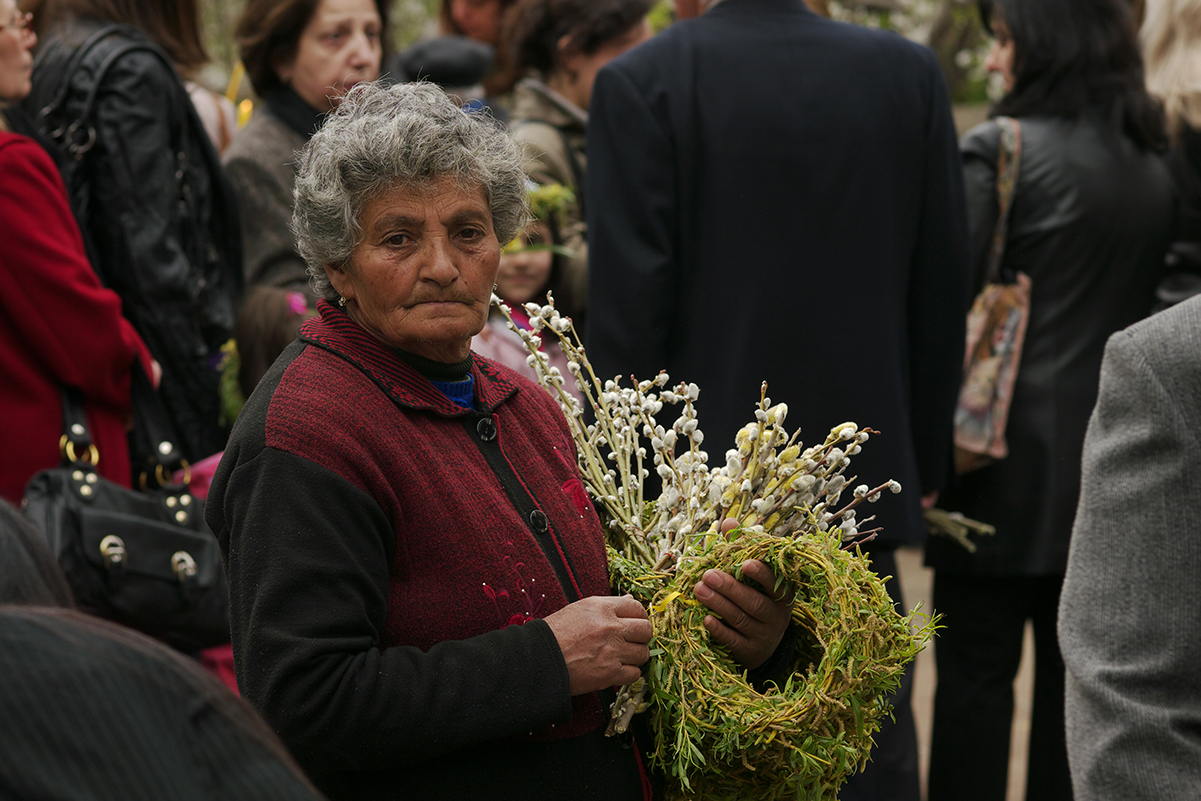
● The Armenian Apostolic Church celebrated Easter. At the Mother See of Holy Etchmiadzin, the liturgy was led by Catholicos of All Armenians Karekin II. “Our people know better than anyone the value of peace and security. The sorrows and wounds we have endured are still fresh, and the pain is aggravated by violations of the rights of Armenians of Karabakh and the unlawful imprisonment of our compatriots held hostage,” the Catholicos said.
● Prime Minister Nikol Pashinyan took part in the Easter liturgy at the Saint Gregory the Illuminator Church, where the service was led by Bishop Anushavan Zhamkochyan, who expressed support for Pashinyan’s campaign to renew the church.
● EU Ambassador to Armenia Vassilis Maragos delivered a video message in Armenian for Easter. “Easter symbolizes resurrection, light, the victory of life, and the awakening of spring. Armenia’s history demonstrates the resilience of its people, showing that trials are temporary and renewal is possible. The EU supports democracy in Armenia, its resilience, and empowerment. Happy Easter!” Maragos said.
● The condition of 18-year-old David Minasyan, who was arrested after an incident involving Prime Minister Nikol Pashinyan, has worsened. The incident occurred when Minasyan allegedly tried to strike the Prime Minister during a service at the St. Anna Church in Yerevan, as security began pushing back congregants. According to the investigation, Minasyan clashed with security personnel, and the case was classified as hooliganism and obstruction of an official’s duties. Minasyan is currently in intensive care at the “Nairi” Medical Center. His lawyer, Lusine Martirosyan, said he is experiencing headaches, dizziness, and high blood pressure.
● The newspaper Hraparak reported that the director of a school in the Sardarapat community (Armavir Province), Karine Smbatyan, submitted a resignation letter after being told to remove the flag of Artsakh (the former unrecognized Nagorno-Karabakh Republic) from a “corner of glory” set up in the school. However, the Minister of Territorial Administration and Infrastructure, David Khudatyan, clarified that the decision to dismiss her was made by the governor following an inspection. “The inspection body regularly found major violations in the management of the Sardarapat school and in the work of the school director. There are various professional issues, various work-related issues, and in addition, there was also the circumstance that the school director was out of the country without being on leave,” the minister said.
● Armenia is not taking steps to leave the Eurasian Economic Union (EAEU) or the Collective Security Treaty Organization (CSTO), Deputy Foreign Minister Vaan Kostanyan told NEWS.am. “At present, we are focused on advancing reforms to meet EU standards. Once we see that we have satisfactorily completed our tasks and the time comes to make a choice, the matter will be discussed,” he said.
● Pashinyan described his conversation with Pope Francis. “Pope Francis says that we are recognized as a martyr people. I said: but I consider it our mission, and that of our government, to ensure that we are no longer a martyr people… At one point he asks: ‘Have you thought this through? You don’t want to be a martyr people?’ I answered: ‘Oh, we have thought it through.’ The Pope pauses, makes a pause, and asks: ‘So what are you going to do?’ And yes, it sounds very simple, but perhaps it is a historic answer: we will simply live, we will simply live, we will simply build the state,” Pashinyan said.
● National Assembly Speaker Alen Simonyan said: “While new, ongoing, and deepening conflicts continue worldwide, Armenia and Azerbaijan have reached a point where we must strengthen our positions, because many forces want to involve both countries against each other. This is obvious and clear. It is so obvious that I don’t think it even needs to be said.”
● Political consultations were held in Tbilisi between the foreign ministries of Armenia and Georgia, led by Deputy Foreign Ministers Vaan Kostanyan and Lasha Darsalia. The talks focused on active reciprocal high-level visits, the development of strategic partnership, and expanding cooperation across all sectors.
-
Monday, 6 April, Georgia. Azerbaijani journalist Afgan Sadygov has been extradited to Baku
● Azerbaijani journalist Afgan Sadygov, who was detained in Tbilisi on the night of April 4 and extradited to Azerbaijan at Baku’s request, has made his first comments. He confirmed that at the “Red Bridge” checkpoint, Georgian law enforcement officers handed him over to Azerbaijan’s migration service. Sadygov says his deportation was completely illegal and contradicts the ruling of the Strasbourg Court.
Afgan Sadygov is accused in Azerbaijan of extortion. He категорically denies the charges and says he is being persecuted for criticizing the Azerbaijani authorities. In 2020, he was arrested in Baku and sentenced to seven years in prison, but was released under an amnesty in 2022. After that, he moved to Tbilisi with his family. Azerbaijan had been seeking his extradition since 2024, and in that same year he was held in detention for some time. In February 2025, the European Court of Human Rights issued a ruling in his case, prohibiting his extradition to Azerbaijan “until the merits of his case have been determined by the Strasbourg Court.”
● Tamta Mikeladze, director of the Social Justice Center and a human rights defender, said on social media that she had spoken with Afgan Sadygov by phone. She reported that after questioning, he was allowed to stay at a relative’s home. According to her, he “feels physically fine, despite the fact that his detention in Tbilisi was carried out aggressively.” “Sadygov may face new charges in a few weeks or months, and an entirely new case may be fabricated against him, regardless of the current proceedings,” Tamta Mikeladze said. More details about Sadygov’s case can be found here.
● A court has found three minors guilty in the case of teacher Gigi Avaliani, who died as a result of injuries inflicted during an assault. Aleksandre Gabashvili, Giorgi Rikadze, and Demetre Chikovani have been convicted. The final sentence will be determined at the next hearing on April 8. More details about this tragedy can be found here.
● Protests by animal rights activists continue, with demonstrators demanding changes to the program for managing the population of stray animals and calling for greater transparency. The program, implemented since the end of February, предусматривает the capture of stray dogs, their transfer to municipal shelters, registration, rabies vaccination, and sterilization or castration. After that, the animals are supposed to be returned to their so-called natural habitat. However, according to activists, some dogs “disappear” after being captured, raising concerns that they may be euthanized. The authorities reject these accusations, calling them political speculation. At the latest protest outside the government building over the weekend, dozens of people gathered with photos of missing dogs—mostly those that lived in residential courtyards and were informally cared for by local residents. Protesters are demanding that the mandatory return of animals to their original locations be enshrined in law, that unnecessary mass transfers to shelters be abandoned, and that full transparency be ensured, including photo and video documentation of the animals’ movements.
-
Monday, 6 April, Azerbaijan. The Ministry of Foreign Affairs expressed protest to the Russian leadership over the discussion between Putin and Pashinyan about which of them first recognized Karabakh as Azerbaijani territory
● The Ministry of Foreign Affairs stated that it is “once again bringing to Russia’s attention that issues related to Azerbaijan’s sovereignty cannot be the subject of public disputes with Armenia.” The statement came in response to a recent meeting in Moscow where Russian President Vladimir Putin and Armenian Prime Minister Nikol Pashinyan “accused” each other of which country first recognized Karabakh as part of Azerbaijan. Later, Russian presidential spokesperson Dmitry Peskov also discussed the issue with journalists in a similar context, debating who was first—Russia or Armenia—to recognize Karabakh as part of Azerbaijan. “No country, including the Russian Federation, has ever questioned the territorial integrity of Azerbaijan, including the Karabakh region. The fact that Karabakh is an integral part of Azerbaijan is based not on the decision of any state, but on history, international law, and justice. This was reaffirmed and definitively закреплено by the results of the 44-day war in 2020 and the anti-terrorist operation in 2023,” the Foreign Ministry said. It was noted that through diplomatic channels, all branches of the Russian government have been informed of Baku’s position regarding the unacceptability of using the Karabakh issue in political speculation.
● Azerbaijani President Ilham Aliyev is planning to visit Georgia today, according to the Georgian service of Radio Free Europe/Radio Liberty, citing a source. The visit has not been officially announced, but Azerbaijani flags have been put up in central Tbilisi.
● By a court decision in Georgia, Azerbaijani journalist Afgan Sadygov has been extradited to Baku, where he is charged with extortion. He категорically denies the charges and says he is being persecuted for criticizing the Azerbaijani authorities. In 2020, he was arrested in Baku and sentenced to seven years in prison, but was released under an amnesty in 2022. After that, he moved to Tbilisi with his family. Azerbaijan had been seeking his extradition since 2024, and in this connection he was held in detention for some time. In February 2025, the European Court of Human Rights issued a ruling in Sadygov’s case, prohibiting his extradition to Azerbaijan “until the merits of his case have been determined by the Strasbourg Court.” Tamta Mikeladze, head of the Georgian Social Justice Center, said on social media that after Sadygov was taken to Baku, he was questioned and then allowed to stay at a relative’s home. Mikeladze wrote on Facebook: “Sadygov may face new charges in a few weeks or months, and an entirely new case may be fabricated against him, regardless of the current proceedings.” More on the Sadygov’s case here.
● The Russian Embassy marked the 34th anniversary of the establishment of diplomatic relations with Azerbaijan. It stated that more than 200 agreements have been signed between the two countries. An important milestone in bilateral relations was identified as the signing of the Declaration on Allied Interaction in Moscow on February 22, 2022. “Russia consistently ranks among Azerbaijan’s top three trading partners, while holding first place in terms of exports of Azerbaijan’s non-oil products. Sharing a common border, our countries are working to expand the International North–South Transport Corridor,” the statement said.
● The Ministry of Emergency Situations (MES) has again urged the public to strictly observe safety rules amid heavy rains and the risk of mudflows and avalanches in various regions of the country. Meteorologists forecast unstable weather until April 7. The MES requires residents to be prepared to immediately move to higher ground in case of danger and to strictly follow rescuers’ instructions. Work is ongoing to deal with the последствия of the intense rainfall, including pumping out water and evacuating affected settlements.
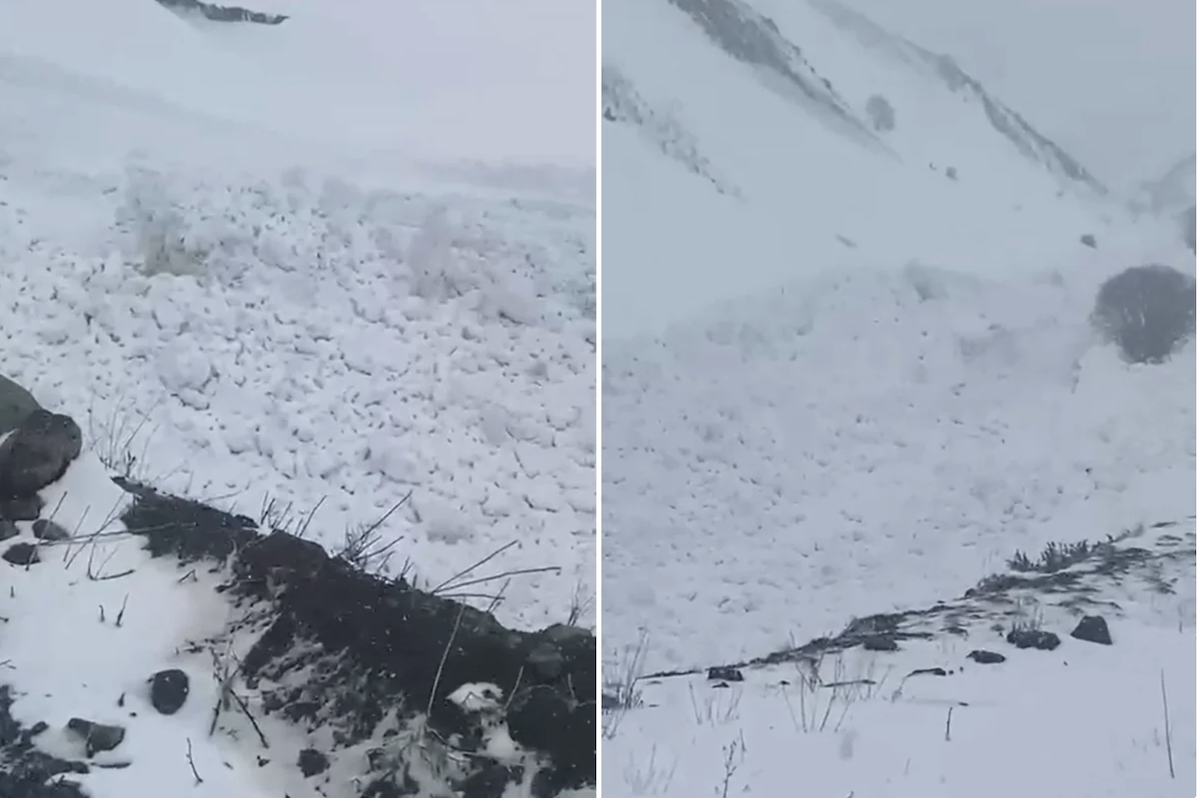
● A snow avalanche has descended on a section of the Toganaly–Kalbajar–Istisu highway passing through the Murovdag area. The snow depth on the road reached 10–15 meters. Traffic has been restricted, and clearing operations are underway.
-
Top stories in Azerbaijan, Armenia, and Georgia from 30 March-3 April, 2026