Georgia's ruling party founder Ivanishvili again named press freedom predator


Bidzina Ivanishvili, the oligarch, founder and honorary chairman of Georgia‘s ruling party, who is widely regarded as the country’s de facto ruler, has once again been included in the annual list of “Press Freedom Predators” compiled by the international organisation Reporters Without Borders (RSF).
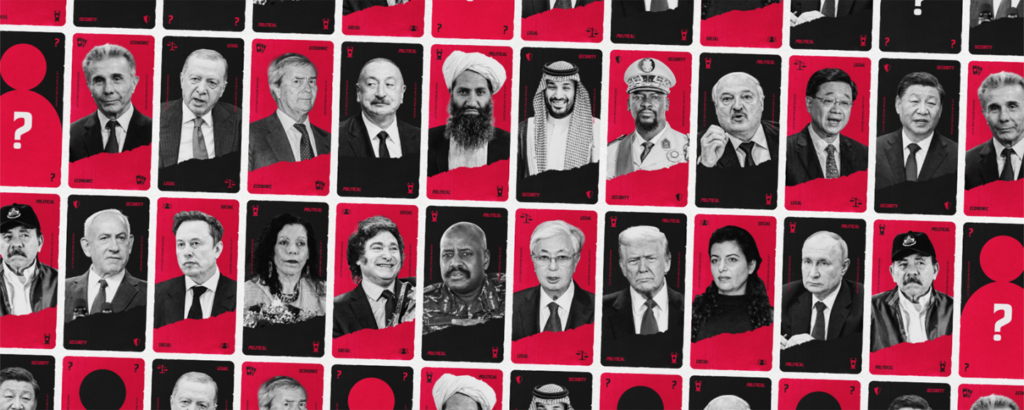
The 2026 list features 33 “predators”, including politicians, businesspeople and companies, accused of harassing journalists and media outlets over the course of the year.
- German foundations leave Georgia: what the crisis in Berlin-Tbilisi relations means
- Georgian Dream rolls out new law criminalising any cooperation with foreign foundations
- Georgia’s Communications Commission bans two TV channels from using 93 words and phrases
Russian President Vladimir Putin and Nicaraguan leader Daniel Ortega remain permanent fixtures on the list. It also includes the presidents of Azerbaijan, Belarus and Turkey — Ilham Aliyev, Alexander Lukashenko and Recep Tayyip Erdogan.
“What do they have in common? The same hatred of press freedom. Their methods differ, but their goals are the same: to silence independent voices and trample on freedom of information. Killings, prison sentences, discrediting campaigns, propaganda, the use of troll armies… Any means are considered acceptable to silence opponents. This is an ironic ranking that nevertheless illustrates the diversity and brutality of the strategies used against journalism,” RSF wrote.
US President Donald Trump was also added to the list of “predators” in 2026 over his attacks on the media.
“Since the beginning of his second term, attacks on the press have increasingly gone beyond rhetoric and general government policy, escalating into physical restrictions on journalists,” the organisation’s report said.
The list is divided into five categories according to the type of persecution faced by media outlets in each country: political pressure, threats to safety, legal pressure, economic pressure and social pressure.
Bidzina Ivanishvili is included in the economic category, while Ilham Aliyev is listed in the political category.
In the economic category — which includes those who “financially strangle media outlets” — Ivanishvili is joined by technology giants Alphabet and Meta, French billionaire Vincent Bolloré, head of a pro-Kremlin propaganda organisation Vladimir Tabak, and Kenyan President William Ruto.
RSF on Bidzina Ivanishvili
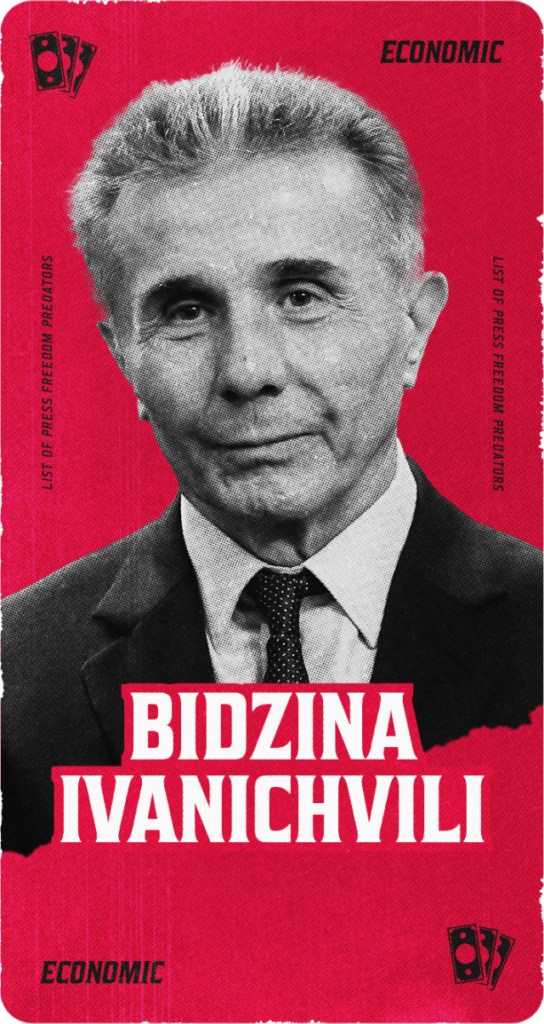
The RSF report describes Ivanishvili as a billionaire oligarch, former prime minister and founder of the Georgian Dream party.
“He remains the real power behind Georgia’s government. His business empire and network of influence allow him to exercise tight control over the country’s media landscape, particularly through the pro-government television channels Imedi and Rustavi 2,” RSF said in its profile of Ivanishvili.
According to the profile, under his influence, the country’s economic resources and state institutions are used to restrict independent media through financial pressure, repressive laws, censorship and legal prosecution.
Independent journalists are stigmatised, intimidated and silenced.
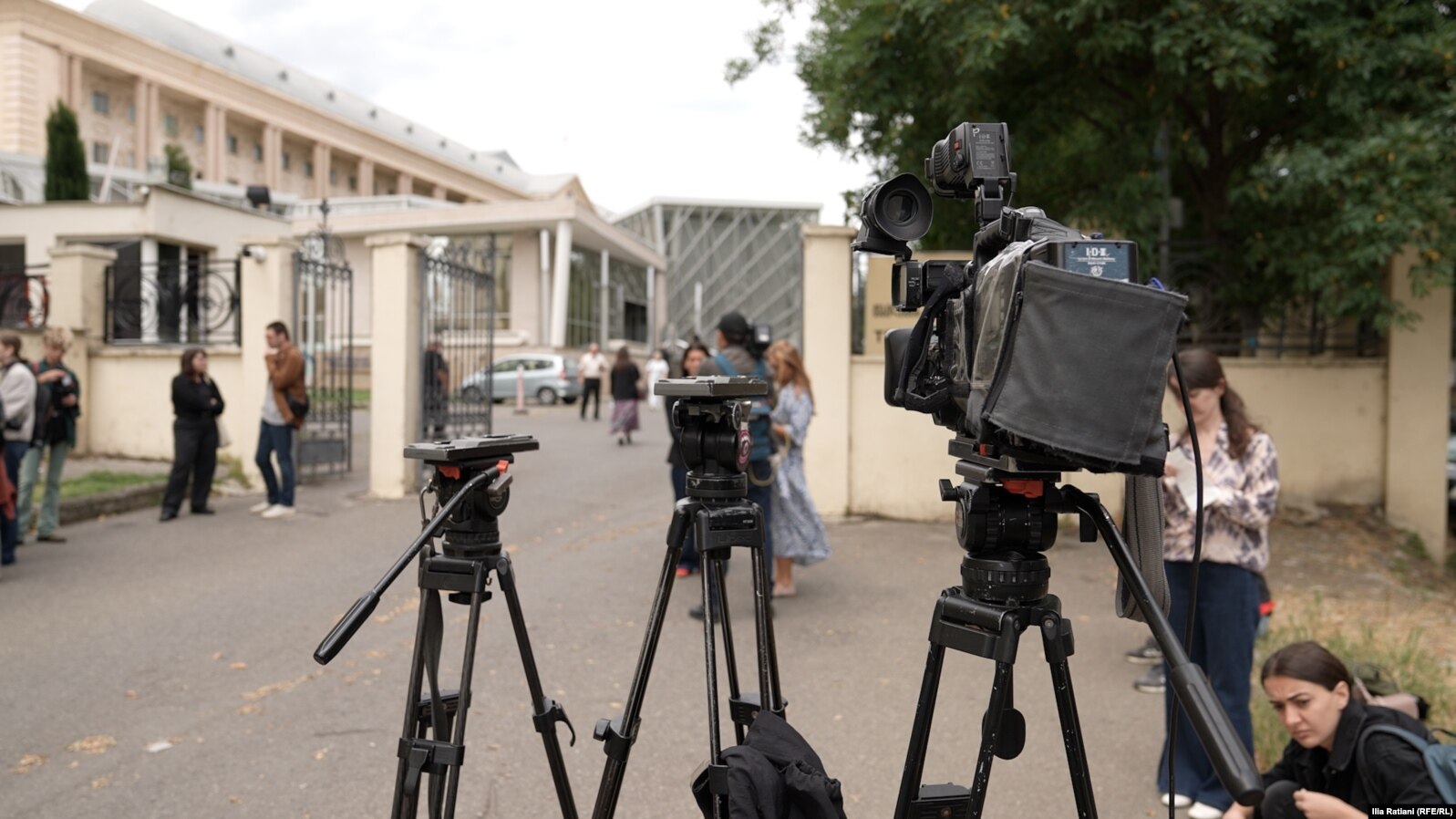
The following incidents of pressure on the press were documented in Georgia during 2026:
- Mzia Amaglobeli, a prominent figure in independent journalism, remained in custody after the Supreme Court rejected an application for her early release.
- New repressive laws were adopted, introducing criminal liability for receiving certain forms of foreign funding, thereby threatening the existence of independent media outlets and the NGOs supporting them.
- The Communications Commission was allegedly manipulated to punish television channels seeking to hold the authorities accountable, particularly Formula TV and TV Pirveli. The restrictions went as far as prohibiting them from using certain critical expressions about the authorities.
- There was a growing trend of legal proceedings and sanctions against journalists, alongside restrictions on their parliamentary accreditation.
Ivanishvili’s profile also quotes remarks he made in 2024:
“…Human rights and freedom of thought and expression are protected; we have a sound judiciary, the media are independent, and businesses are inviolable — a country where people live freely and no longer fear political persecution.”
The following year, in 2025, Ivanishvili was included in the “Press Freedom Predators” list for the first time.
Georgian Dream’s reaction
The Georgian Dream party attributed Bidzina Ivanishvili’s inclusion in the “Press Freedom Predators” list to the machinations of the “global war party” — a mysterious, supposedly all-powerful organisation that the Georgian government blames for all its troubles.
Georgian Dream’s official position is that Ivanishvili’s inclusion in the list is “nothing more than the price that the honorary chairman of Georgian Dream, the figure with the greatest political — and not only political — authority in Georgia, is paying at great personal risk for refusing to sacrifice our country’s peace, national interests and sovereignty to serve the interests of the global war party”
Background
Over the past two years, the work of independent media in Georgia has been restricted in several ways. The authorities have tightened legislation, physical and legal pressure on journalists has intensified, and financial difficulties have threatened the survival of several independent and regional media outlets.
The main restrictions include:
- Restrictions on foreign funding: The Law on Transparency of Foreign Influence, adopted in 2024, required media outlets and organisations receiving foreign funding to undergo special registration. An additional law adopted in 2025 made government approval mandatory for receiving foreign grants.
- Expanded powers for the regulator: Amendments to the Law on Broadcasting gave the Communications Commission greater powers to interfere in the operations and content of media outlets. The commission has repeatedly used these powers to fine broadcasters critical of the government.
- Persecution and intimidation of journalists: Physical attacks, threats, detentions and legal proceedings against journalists have become more frequent. Four journalists are currently in prison, three convicted on criminal charges and one on administrative charges.
- Restrictions on court reporting: Legislative amendments have restricted the right to film and report on court hearings. Over the past year, filming has been banned not only in courtrooms but also in courthouse corridors and courtyards.
- Obstacles to journalists working in parliament: Georgian Dream has sought to prevent correspondents from media outlets it considers unfavourable from entering parliament wherever possible. It uses the accreditation system as a means of imposing restrictions. Following a complaint from an MP, parliament can suspend a journalist’s accreditation for a specified period. The rules for issuing single-use accreditations have become increasingly bureaucratic, with more and more journalists being denied them.
- Financial pressure: Repressive laws adopted over the past two years have reduced funding sources for independent media outlets. Georgia’s advertising market was already limited, and it has now become highly polarised, with most advertising revenue going to pro-government television companies. As a result of the financial crisis, one opposition television channel and several small regional media outlets have closed over the past two years. Some outlets have switched to remote working with reduced resources. Many journalists have been forced to change professions, while many others have emigrated.
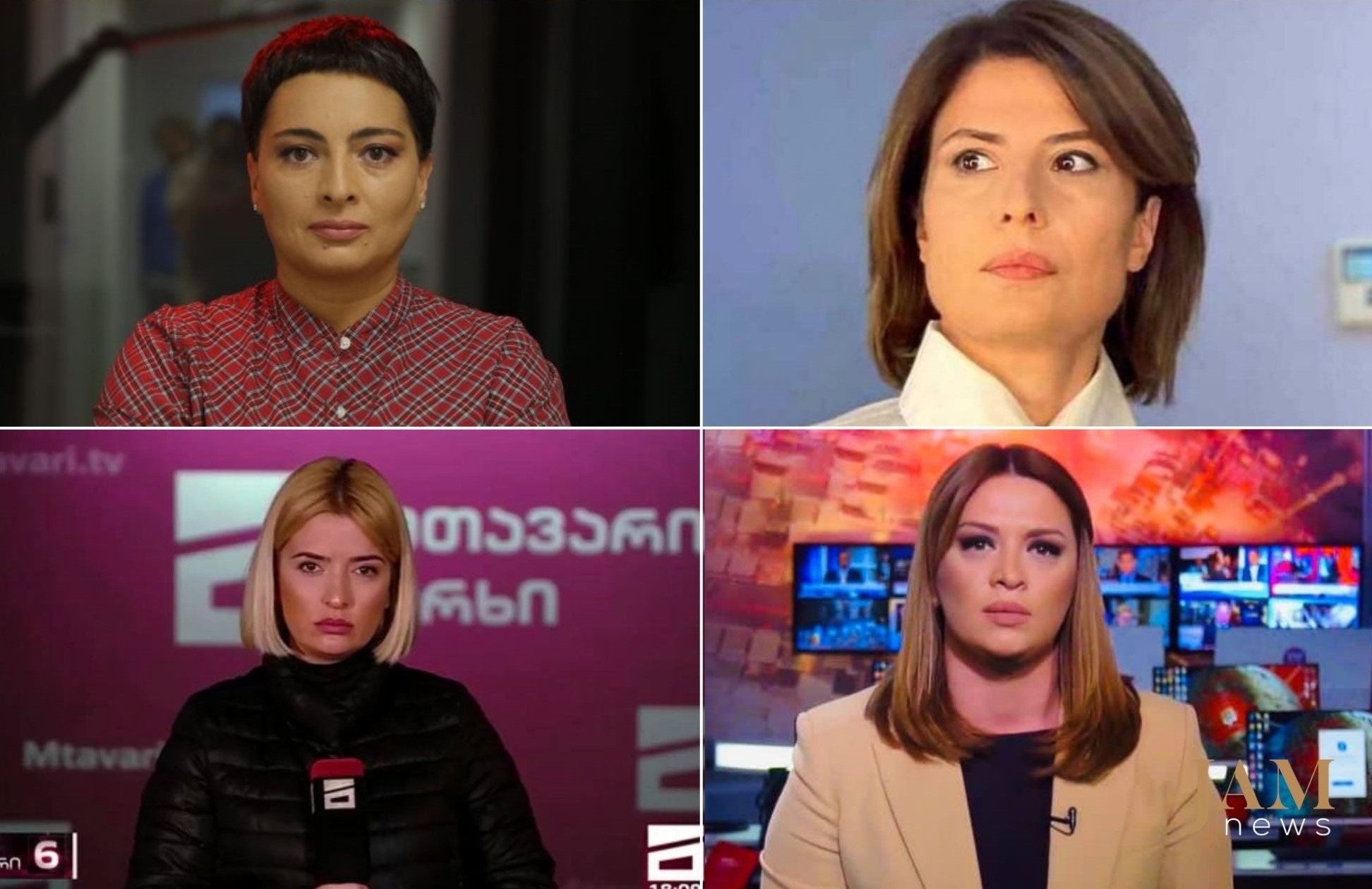
As a result, independent media outlets in Georgia now face legal, financial and physical pressure simultaneously.
Georgia ranked 135th out of 180 countries in Reporters Without Borders’ 2026 World Press Freedom Index, down from 114th place in 2025.