

Georgia’s Communications Commission bans two TV channels from using 93 words and phrases





Georgia’s National Communications Commission has banned the critical TV channels Formula and TV Pirveli from using 93 words and phrases.
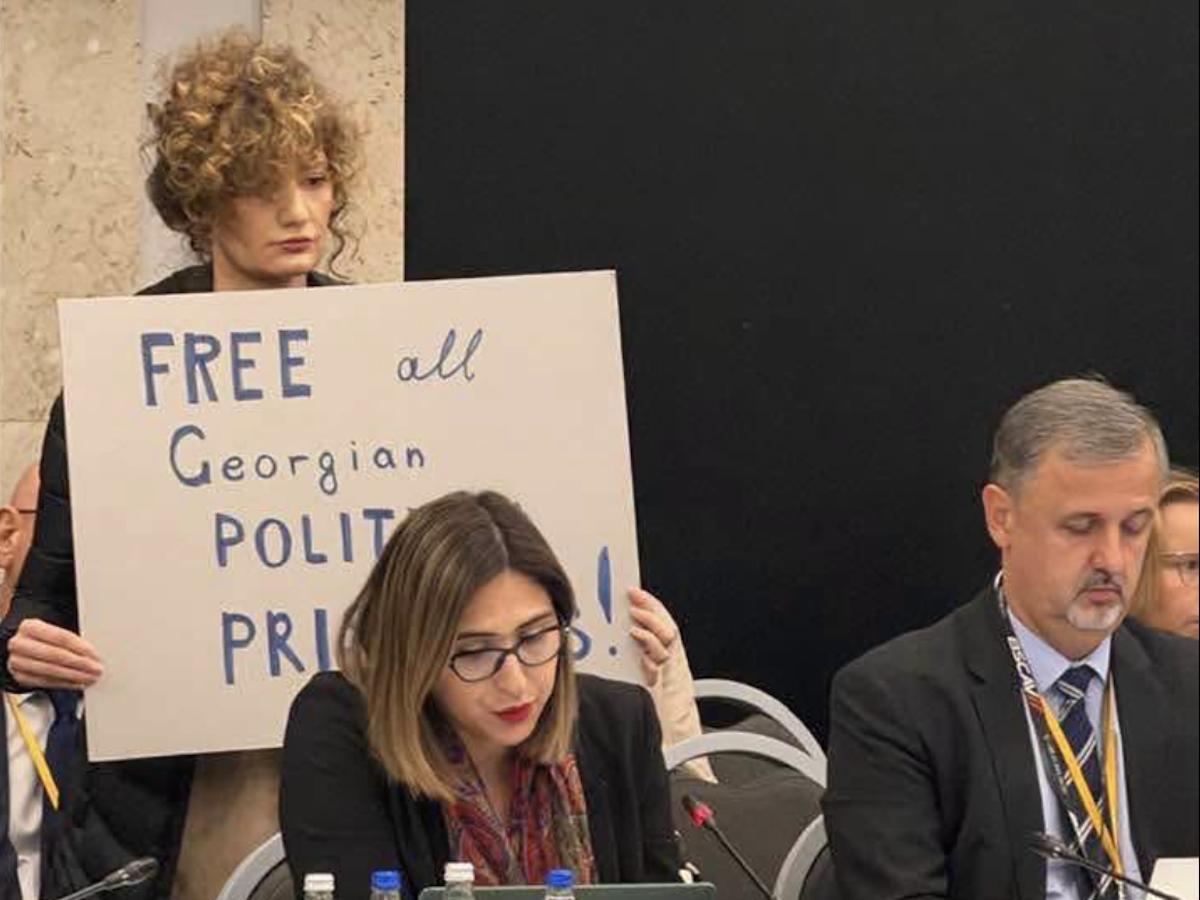
The list includes “regime”, “political prisoners”, “prisoners of conscience”, “oligarch”, “repressive laws” and “judicial clan”.
Transparency International Georgia (TI) believes the Commission is using content regulation mechanisms to punish critical media outlets and undermine their financial position.
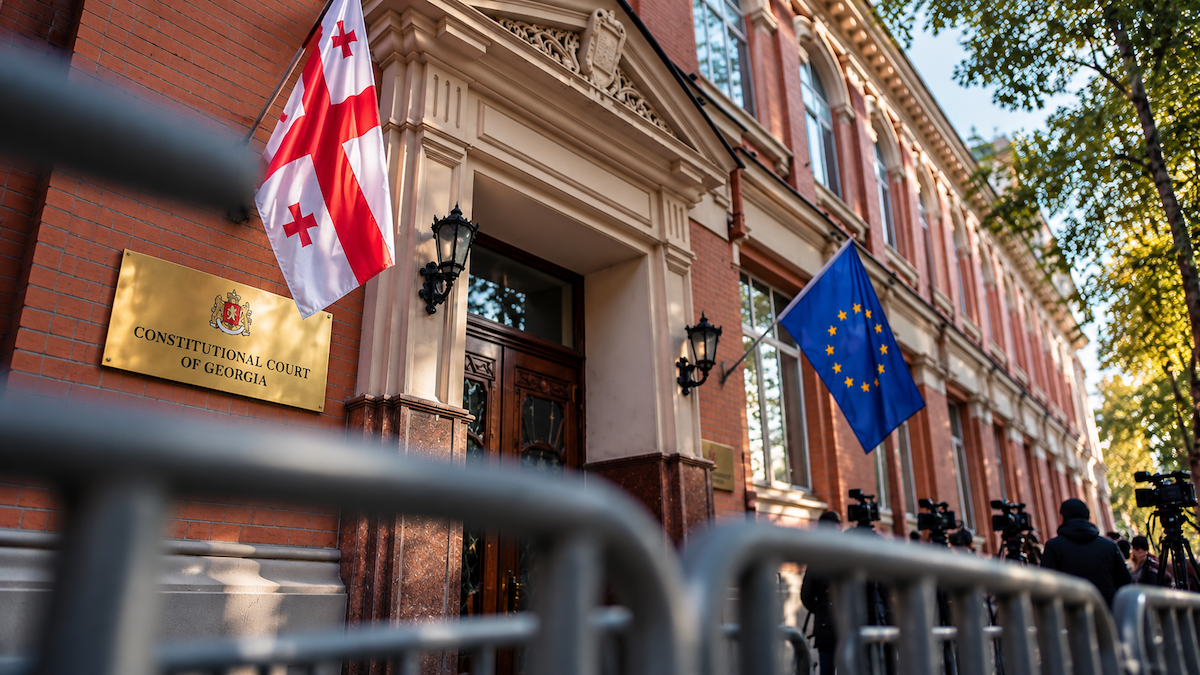
According to information published by TI, the Communications Commission has issued seven official reports over the past six months. Four concerned Formula TV and three concerned TV Pirveli. The Commission initially gave the broadcasters verbal warnings, then fined each of them 2,500 lari ($926) for the first offence and 5,000 lari ($1,852) for the next. On 1 October, it imposed an additional fine of 10,000 lari ($3,704) on Formula TV.
TI warns that TV Pirveli could face a similar fine if the Commission continues along the same lines. The organisation notes that the Commission fines the broadcasters in turn, while the financial penalties place an additional burden on TV channels already operating under difficult economic conditions.
TI is particularly concerned that the Commission also has the power to suspend broadcasting licences. The organisation believes that the use of these powers could pose a serious threat to the operations of critical TV channels.
Where is the line between impartiality and censorship?
The Communications Commission mainly accuses the TV channels of violating the principle of impartiality by covering current affairs through the lens of journalists’ personal attitudes and opinions. It uses these allegations to justify its demand that broadcasters refrain from using certain words and expressions.
Transparency International Georgia examined all seven reports prepared by the Commission. It found that the Commission had deemed 33 words and phrases unacceptable for TV Pirveli and 68 for Formula. Some expressions appear on both lists, bringing the total number of banned words and phrases to 93.
However, the organisation says the Commission’s demands go beyond the use of individual words. According to the reports, broadcasters must also present news in a form stripped of as much evaluation and analysis as possible.
In one example, a journalist discusses the creation of an informal movement backed by the authorities and calls it a “morality police”. In another report, a journalist claims that the Georgian authorities have copied the Chechen model, under which officials give athletes an official mandate and allow them to use violence.
The expressions deemed unacceptable by the Commission also include phrases about the detention of activists, a visit by ruling party representatives to Washington and Georgia’s EU accession process. In one of the reports that prompted sanctions, a journalist accuses the authorities of spreading disinformation. The journalist also says the government blames Europe’s policies for the suspension of Georgia’s European integration instead of taking responsibility for its own decisions.
The Commission argues that such wording reflects the broadcaster’s personal attitude and opinion. It says this violates the requirement for impartiality when covering public policy issues, as set out in Article 54(5) of Georgia’s Law on Broadcasting.
Monitoring pro-government channels and the political context
Transparency International says the Commission threatened critical broadcasters with monitoring after the UK imposed sanctions on the pro-government TV channels Imedi and POSTV on 24 February 2026.
The UK cited the deliberate spread of false information about Russia’s war against Ukraine and support for Russian disinformation as grounds for the sanctions.
The Communications Commission also placed the pro-government channels Imedi, POSTV and Rustavi 2 under monitoring. However, Transparency International argues that this process is largely a formality designed to make the Commission appear impartial, while the authorities direct actual pressure at independent media.
The organisation also raises concerns about the Commission’s membership and independence. According to TI, the fact that some commissioners are loyal to or have ties to the ruling Georgian Dream party raises further doubts about the impartiality of the decisions they make.
Media financial sustainability under threat
Fines against critical TV channels are increasing even as the broadcasters struggle with difficult financial conditions. Repeated penalties and the possibility of licence suspension make their ability to continue operating an even more pressing concern.
Transparency International argues that the Communications Commission should not act as a censor or use its powers to punish media outlets for criticising the authorities. In TI’s view, media self-regulation should take precedence when the Commission considers disputed journalistic content. The Commission’s main role should be to support self-regulation, rather than punish broadcasters for criticising the government and exposing its representatives.