How Georgian Dream seeks legitimacy in the West: meetings, statements and a disconnect with reality






Georgia’s relations with the West
In Georgia, where relations with the West have grown more tense and ambiguous in recent years, the ruling Georgian Dream party is increasingly trying to show that the doors of Washington are not completely closed to it.
Public statements at meetings, talk of “shared values” and the idea of a “reset” in the strategic partnership are turning into a kind of information campaign, as the ruling team seeks legitimacy in the West both diplomatically and symbolically.
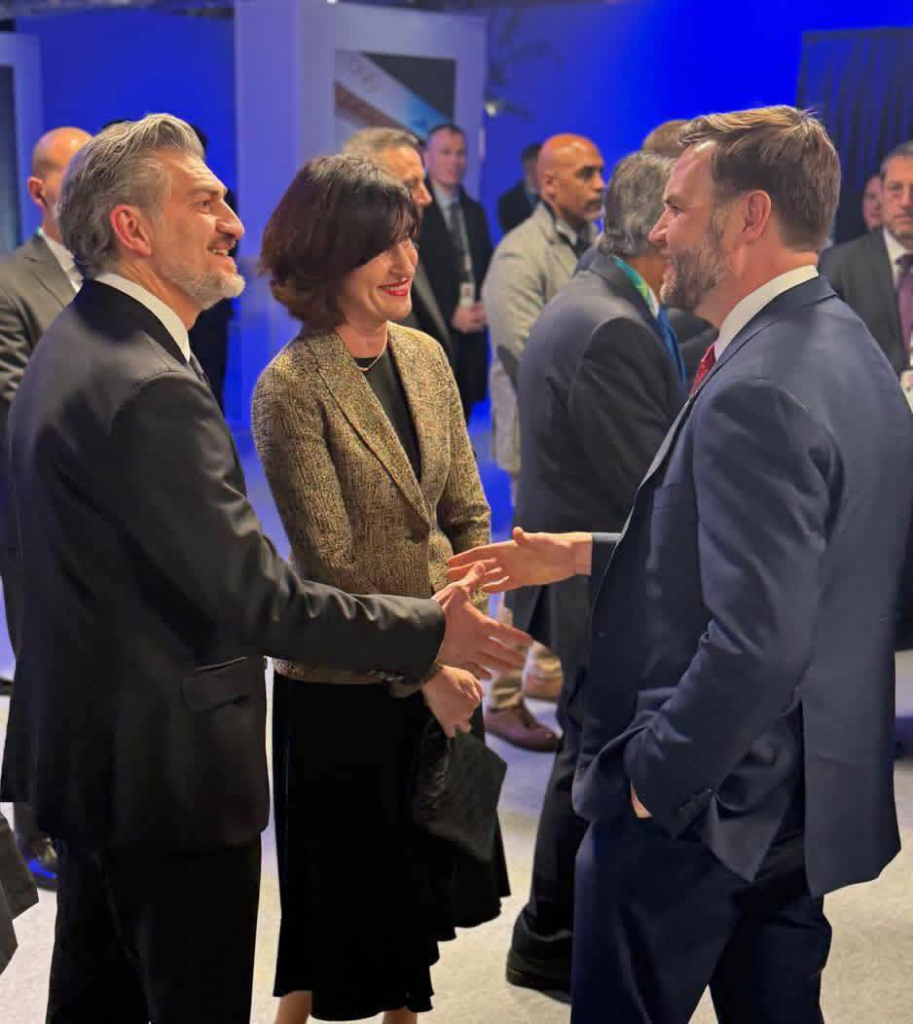
The latest example is a statement released by Georgian Dream party president Mikheil Kavelashvili. He said that, during a reception hosted by International Olympic Committee president Kirsty Coventry, Foreign Minister Maka Bochorishvili met US Vice-President JD Vance and Secretary of State Marco Rubio. According to Kavelashvili, the conversation “paid special attention to the shared values of Georgia and the United States.”
Formally, this was a gesture of diplomatic courtesy. However, in Tbilisi such wording is aimed more at a domestic audience, to show that relations with the West are still “alive.”
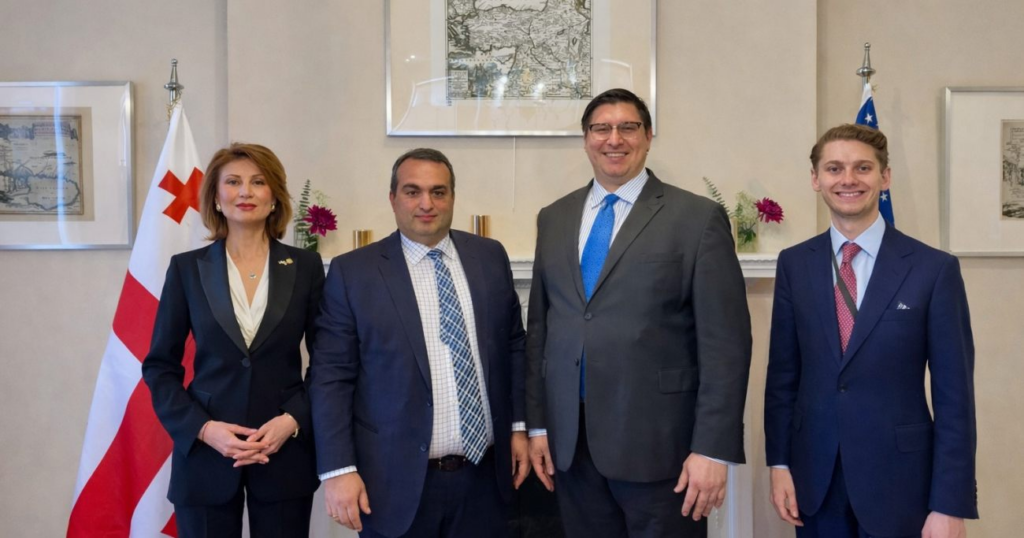
A similar logic can be seen in a statement from Georgia’s embassy in the United States. Ambassador Tamar Taliashvili hosted State Department officials at the embassy: senior adviser Jonathan Askonas and his special assistant Charles Yockey.
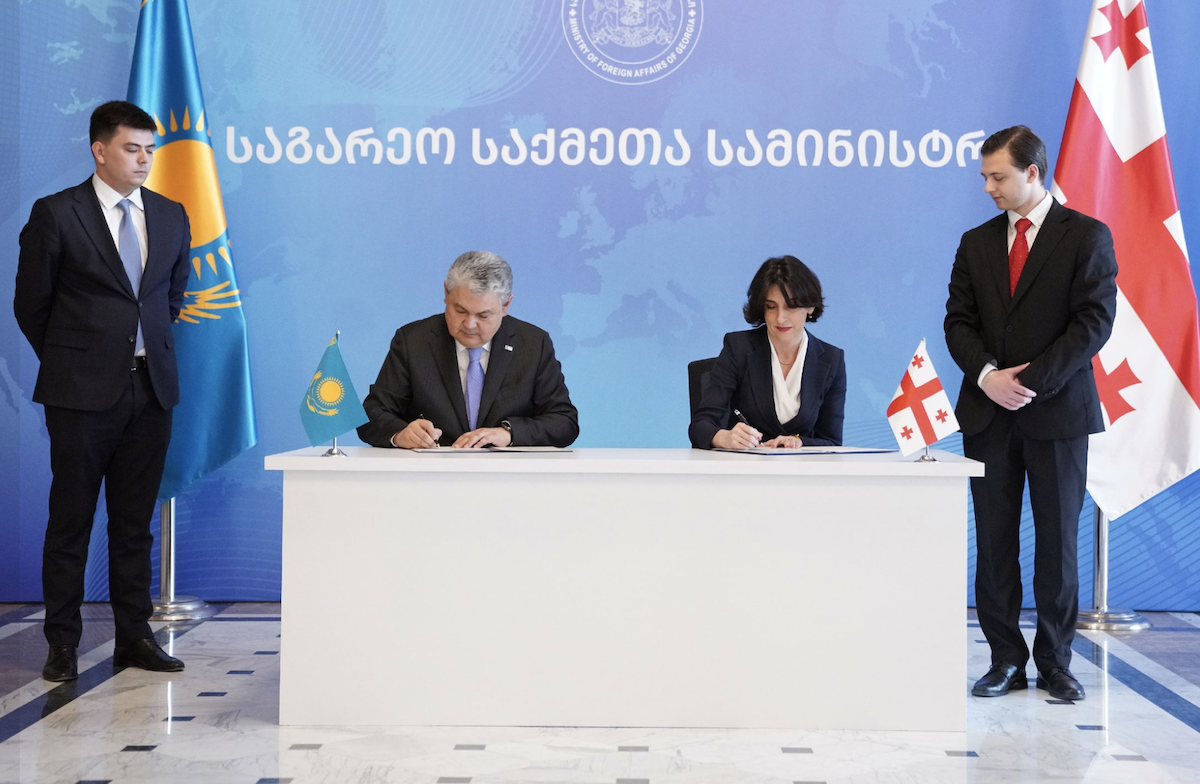
The statement stressed that the Georgian side had “once again expressed its readiness to reset relations with the United States” and spoke about reviving the strategic partnership. The official text also highlighted Georgia’s role as a “regional connector” and the transport potential of the Middle Corridor linking East Asia with Europe via Central Asia, the Caucasus and Turkey. These are the themes through which Tbilisi is trying to remind Washington of its importance.
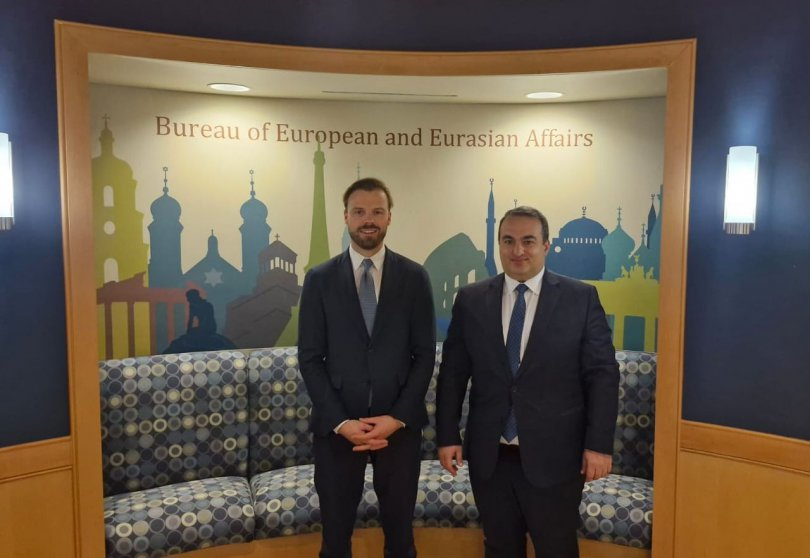
The main message at a meeting between Georgian Deputy Foreign Minister Lasha Darsalia and US Assistant Secretary of State Brendan Hanrahan during a working visit to Washington was similar. Tbilisi said it was ready for a “reset,” even though relations have deteriorated in recent years amid democratic backsliding, pressure on the media and civil society, and the harsh suppression of pro-European protests.
This is where the central contradiction emerges. On the one hand, Georgian Dream speaks in the West about shared values, stability and regional cooperation. On the other, the government at home is increasingly adopting an authoritarian style of rule, putting pressure on opponents, targeting NGOs and criminalising pro-European protests. For Western partners, the problem lies precisely in the dissonance between these two realities.
According to experts, the government’s strategy today is less about carrying out real reforms and more about demonstrating a formal dialogue with the West.
Meetings at receptions and behind the scenes of diplomacy do not change the fact that Washington and Brussels expect more than words from Georgia. They want action: an independent judiciary, free media, fair elections and the restoration of political accountability.
At this stage, Georgian Dream’s effort to gain legitimacy in the West looks more like an information campaign than a reset in foreign policy. The government is trying to show it is not in complete isolation and that dialogue with the United States remains possible. However, experts say that as long as this dialogue is limited to photographs taken at receptions and references to “shared values” in official statements, scepticism in the West will remain unchanged.
Laura Thornton, director of global democracy programmes at the McCain Institute, recently said US leaders have no reason to meet a government that insults Western diplomats, accuses them of trying to open a “second front,” and maintains ties with forces chanting “Death to America.”
Thornton believes the Georgian government’s international isolation is a logical result of the policies Georgian Dream has pursued for years. She says the ruling party should not be surprised by this isolation, as it has done little beyond discrediting the United States and its allies while moving closer to the West’s opponents.
However, Thornton stresses that the isolation does not extend to the Georgian people. She says many in the West continue to support Georgian democracy, even though they no longer see the current government as a reliable partner.
Security expert Giorgi Shaishmelashvili says the non-recognition of the Georgian Dream government persists even in a transactional world, where partners are chosen less for their human rights records and more for their geopolitical value.
Shaishmelashvili warns that, in a collapsing and shifting international order, Georgia may struggle to survive as an independent state unless rapid changes take place.
“We are seen as an extension of the Russian Federation — a puppet. We are not even invited to events where all kinds of authoritarian regimes are welcomed.”
Georgia’s relations with the West