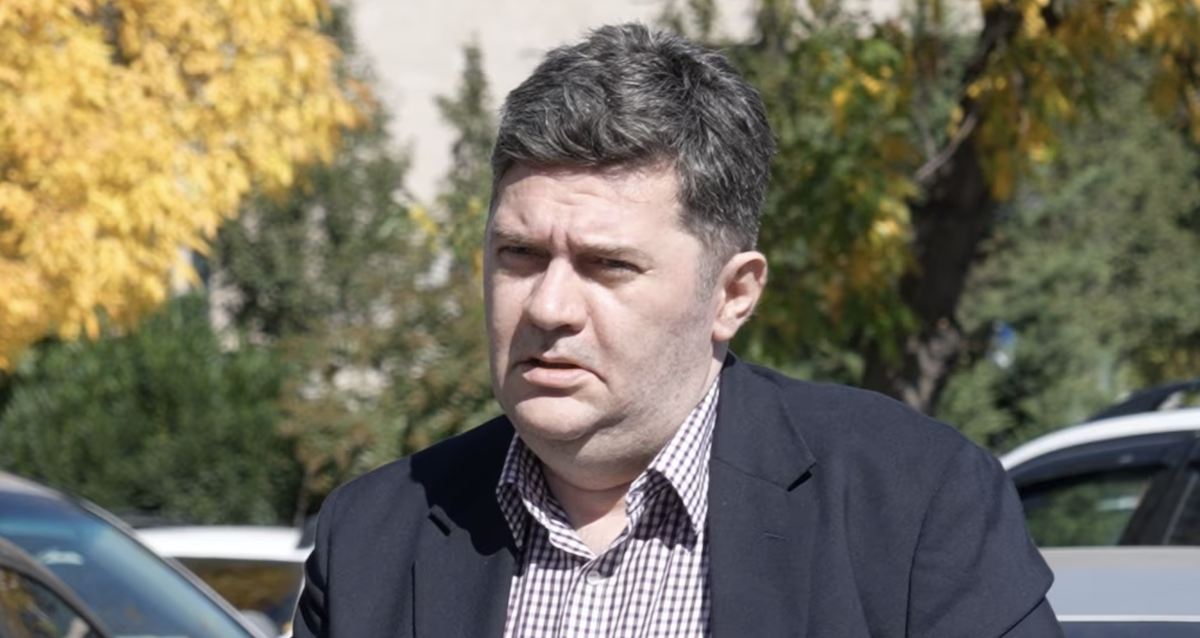
Georgia’s journalists forced to leave profession — their stories






Georgian journalists changing careers
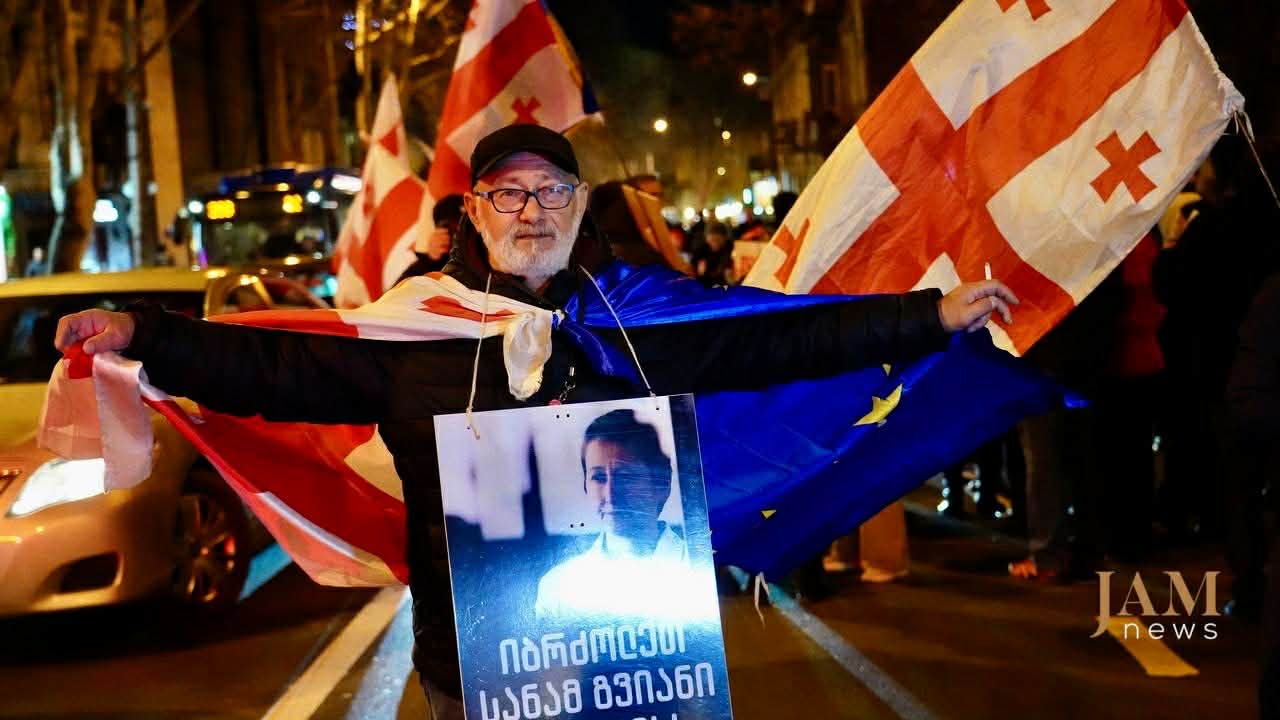
Over the past several years, the ruling party, Georgian Dream, has sought by every possible means — from blocking funding sources to imposing fines and making arrests — to suppress independent media in Georgia.
For example, in 2025 five legislative amendments were adopted that effectively made it impossible for independent outlets to receive foreign funding. Another amendment is now under discussion which, if passed, would make any cooperation with foreign foundations without government approval a criminal offence.
- In six months, Georgia passed five laws restricting media. Here’s a breakdown
- Georgian Dream attacks online media and threatens criminal cases
- 600 attacks on media in Georgia in a year, Reporters Without Borders says
Journalists are being detained and fined in the streets in the same way as protest participants.
For the first time in the history of independent Georgia, a journalist has been recognised as a prisoner of conscience — Mzia Amaghlobeli was sentenced to two years in prison for slapping a police officer.
One of the most influential opposition television channels, Mtavari Arkhi, has been shut down, along with several regional outlets. Those who continue to work are doing so amid a severe financial crisis.
As a result, many journalists have been forced to leave the profession, and some have emigrated.
In this article, we tell the stories of several journalists who have had to retrain in entirely new fields.
Nino Shurgaia: From journalism to interior design
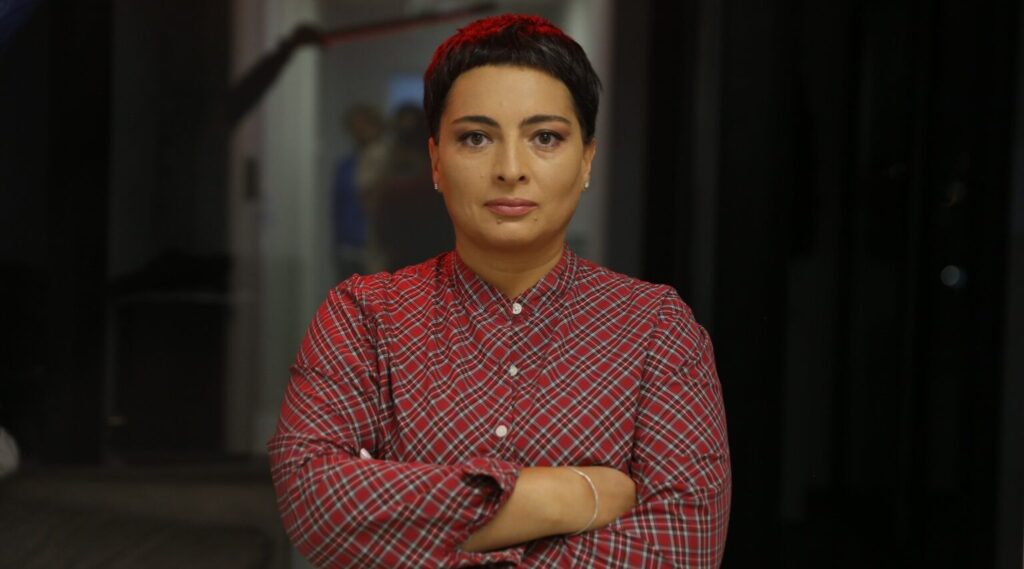
My journalism career began when I was 18. After leaving school in the ninth grade, I enrolled at the College of Media and Television Arts at Tbilisi State University. Later, in my second year at university, I joined Rustavi 2 for an internship — and ended up staying there for the next several years.
I worked for all the major television channels — Rustavi 2, TV Pirveli, Imedi and Formula. From the very beginning, I worked in the news department — I quite literally lived and breathed it.
My last job in journalism was at Formula TV. I initially worked on the website during the election period, then became a talk show producer, and later an investigative reporter.
Although we worked in extremely difficult conditions — we were harassed, verbally abused, spat at and threatened — it did not frighten me; I had grown used to it. I never thought about changing anything. Why should I have been the one to leave the profession?
When the crisis began at the television company and salaries were delayed, I could no longer cope with the financial strain. I couldn’t keep up with my loan repayments and sometimes didn’t even have enough money to get to work.
For a while, I managed by borrowing money and repaying it once my salary finally came through. But when the channel’s problems became so serious that it was unclear when we would be paid at all, I could no longer keep taking on debt. That was when I decided to leave.
At first, I was optimistic. I thought that with my experience I would be able to find a job in PR. Everywhere I went, people smiled and told me, “You’re such a valuable professional — it would be an honour to work with you.” But after every interview, no one called back. I realised it was hopeless — I had effectively been blacklisted.
Before I understood that I would have to learn an entirely new profession, I fell into depression. But I couldn’t afford that kind of “luxury”. I started renting out my flat, moved in with my family and began considering leaving the country.
But what could I do in emigration? Either care for elderly people or clean other people’s homes. My health would not allow me to do that kind of work. I thought it over and decided to train as a manicurist.
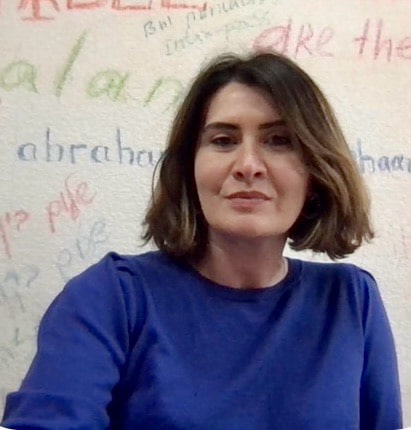
For a while, I worked in a beauty salon, including as a manager. My flat is on the ground floor, and I thought I might be able to open my own salon there. Then the parliamentary elections took place, the current government remained in power, and I realised that this plan would not work out.
I already understood that I could not live solely on the income from renting out my flat — especially as I was renting it to tourists, and after protests and police raids began in the country, fewer visitors were coming. Guests would ask, “Is it safe to go out for lunch somewhere?” I would reply that everything was fine, but in reality I felt ashamed to admit that our own government was at war with us.
I was truly in despair.
For a long time, I tried to think of what else I could do. I could not imagine myself in any profession other than journalism. I wanted to do something that would bring me joy rather than add more stress. That is why I decided to pursue interior design. It had been my hobby — I often played a specialised mobile app and enjoyed it — but I had never considered doing it professionally.
I studied for five months on a course and set up a small company called “Kera” (which means “Hearth” in Georgian). I have already completed and delivered one project and am now working on a second. But if someone asks me about my profession, out of habit I still say that I am a journalist.
It was a radical and very painful change. Even now, months later, when I say that I have left journalism, it hurts deeply to utter those words.
I miss journalism very much. I don’t know whether I will ever return. How old would I be by then? It would be such a long break. I don’t think I will be able to go back.
Tiko Peikrishvili: From TV studio to Pilates studio
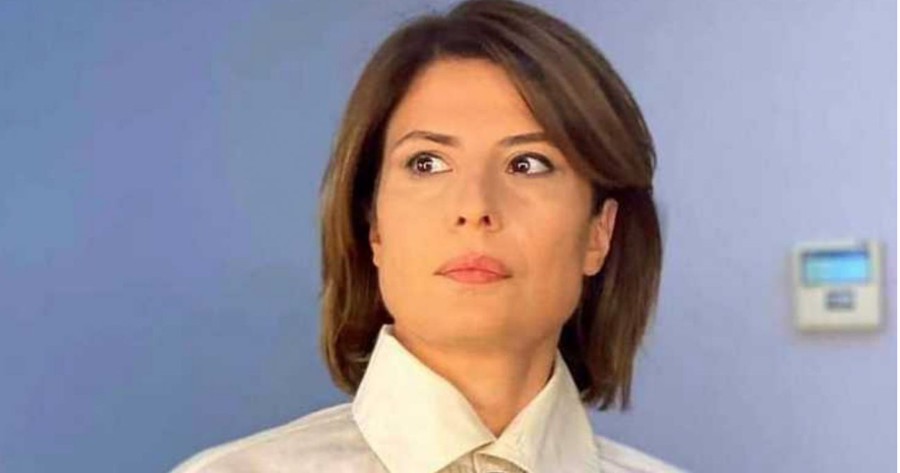
I have been working in journalism since 1993. Back then, there was the first independent television company, Ibervision, which I joined while still a law student — and that is when I “caught the bug” of television journalism. Since then, for the past 30 years, I have not stopped working in television for a single moment.
After that came the channel Iberia, and in 1998 I joined Rustavi 2. Shortly after I started there, several UN representatives were taken hostage in the city of Zugdidi. I insisted on being sent there. That was when I realised this was exactly what I needed — field reporting and the adrenaline that comes with it.
In 2003, I moved to the television company Imedi. For some time, I worked there as a lawyer, returning to my original profession. Later, a weekly analytical programme, Droeba, was launched, and I remained with it until its final broadcast.
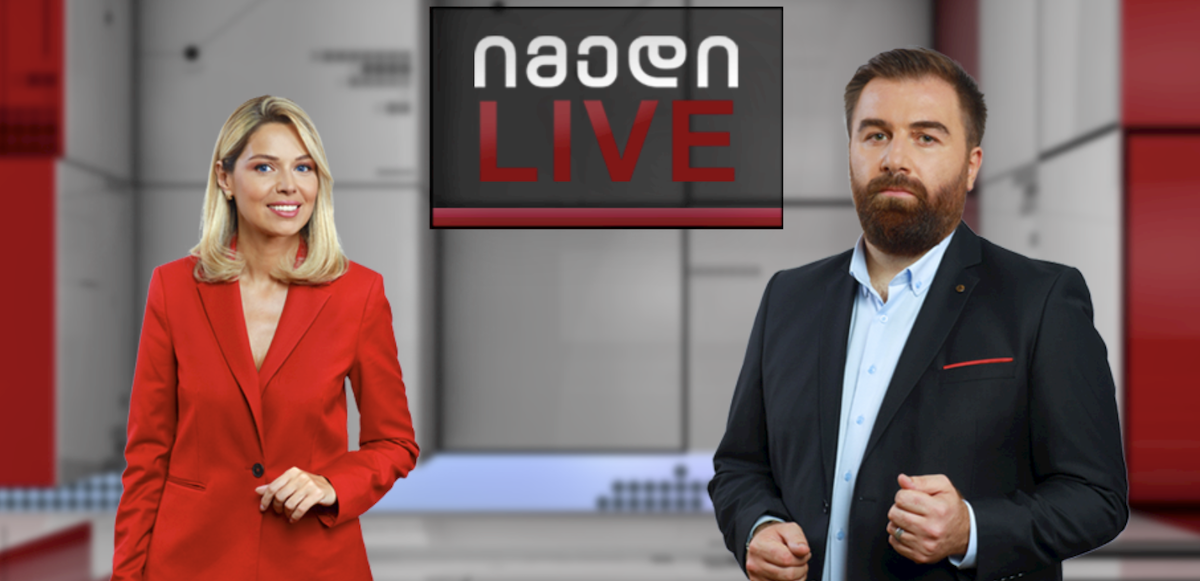
After that came various other programmes. And then, finally, Women — my own segment within the programme Imedi Day. This segment focused on women’s rights, women who had survived violence, and women who had rebuilt their lives. I always believed I could offer support to women — and, to some extent, I managed to do so.
When the so-called “foreign agents” law was adopted in 2023, I was already preparing to leave the channel, but I stayed after the law was withdrawn. Even then, however, it was clear what course the government — and our channel along with it — had taken.
Problems had already begun to surface. There were occasions when interviewees would tell me: “We trust and respect you, but we don’t want to come to that channel and give an interview.”
Imedi is a high-rating broadcaster, and I believed it was important to speak about women’s rights there. Leaving is easy. Far more difficult is trying to do the right thing in such an environment.
But when the “foreign agents” law was initiated for a second time, I simply did not go to work. I could not fight against it any longer. The television company had chosen a deeply wrong path — one I fundamentally disagreed with.
I had to make that decision. It was very difficult. But it would have been even harder not to.
I resigned from my job, but I did not renounce my profession. For me, it is unthinkable to say “I am Tiko Peikrishvili” without adding that I am a journalist. My name and my profession are one organic whole. I have been doing this for 30 years, not two. I remain a journalist. Even today, when I step outside, I hold my phone in my hand — and if something happens, I automatically start filming.
Soon after leaving television, I launched an independent investigative journalism project with support from the European Union. For several months, I worked on the issue of Russian migration to Georgia and co-produced a documentary with the Movement studio. In January 2025, I was due to begin another research project with the support of USAID, but the programme was closed. I realised that in the near future, I would not be able to do the work I wanted to do.
I tried to find work in several private companies. But it was a period of active protests outside parliament, and people like me were not particularly welcome.
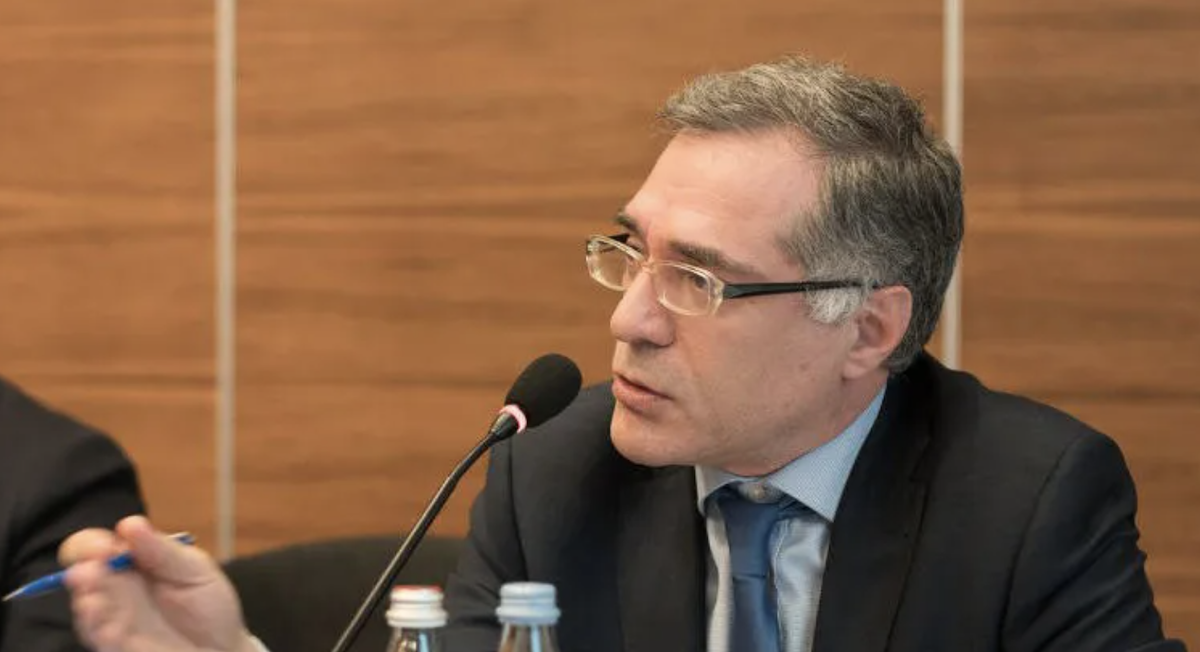
And then came pilates. It had been part of my life for many years, but I had never imagined it would become something more.
One day, quite by chance, I came across a social media post about instructor training. At first I paid no attention to it, but then I grew curious — and made the decision almost instantly.
I completed a three-month course and very deliberately set up my own studio, Studio Balance.
Anything new brings anxiety at first. But once you begin, you start to feel at home. That is exactly what happened here. The moment I said, “Hello, let’s begin,” the nerves were gone.
Of course, it meant starting from scratch. Before that, I had not worked anywhere at all for a year and a half.
But I did not feel fear. It is as if I am creating my own world. I truly feel comfortable. Although, of course, I would have preferred to spend these two years working in my own profession. I would choose it over anything.
But that profession is now being destroyed. I worked under every government and in conditions harsher than ever before. Now we simply have to survive. And we will.
I will wait — and I will do everything possible to return to journalism.
Natia Kokosadze: Silver and marketing instead of microphone
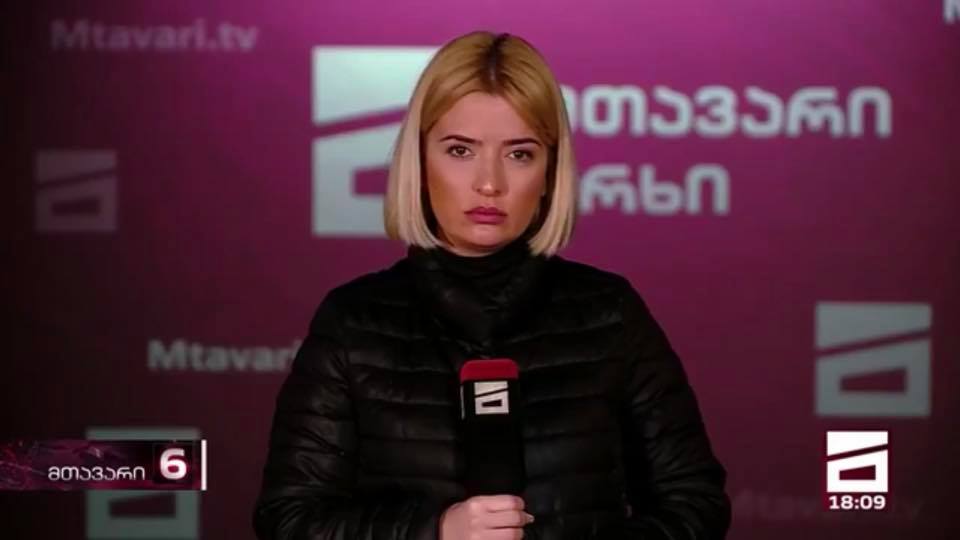
I worked as a journalist for 12 years, starting in 2014. I began as a producer at Rustavi 2, preparing reports during the pre-election period, travelling to the regions and taking part in street surveys. In recent years, I worked on a daytime programme, leading a segment dedicated to local projects funded by the European Union.
In August 2019, when Rustavi 2 underwent a change in management, I was among those who left the channel.
After that came Mtavari Arkhi, created by former Rustavi 2 staff in a record 18 days. I worked in the news department — first as a reporter, then as a presenter. Two months before the channel was shut down, I began hosting a talk show reviewing the day’s main political developments.
At a certain point, Georgia’s critical and independent media became a target for the government — particularly television channels.
After a change of ownership, Rustavi 2 adopted a pro-government editorial line, and staff purges followed. A group of employees, led by the channel’s director, left and founded a new broadcaster, Mtavari Arkhi.
Mtavari Arkhi became one of the fiercest critics of Bidzina Ivanishvili and the ruling Georgian Dream party, which, predictably, sought to shut it down. In its fifth year on air, in December 2024, one of its founders, businessman Zaza Okuashvili, began creating financial difficulties for the channel, and in May 2025 Mtavari Arkhi ceased broadcasting.
When Mtavari Arkhi closed, I found myself unemployed again. Other opposition channels invited me to join them, but I was emotionally exhausted and wanted to take a break.
It felt as though you were doing nothing — and could do nothing. A sense of helplessness. Mtavari Arkhi had not just been a workplace for us; each of us had helped build it from the ground up.
For a while, I remained out of work, but I could not afford to stay that way for long. I had to adapt to the new reality and began thinking about what else I could do. I had always wanted to create my own jewellery line, so I decided to start there. That is how my small online silver jewellery shop, Celestia, was born. Most of the pieces come from Turkey and Italy, but several designs are my own, produced by local jewellers.
At first, I handled everything myself — from taking orders to delivery. I now have a social media manager, and I plan to add a line of silk scarves, which will be made locally to my designs.
But it is a very small business. You cannot live on it alone. So I have a second job — I work in marketing for the store Fashion House, a large retail chain selling home goods.
It is not easy — maintaining a brand’s image, analysing customer behaviour, planning and creating content, updating showrooms, thinking about design. I have been doing this for three or four months and am still learning. I am trying very hard. It is challenging — an entirely new field for me, one that has become a test and remains so. And at the same time, it is interesting.
But I have not forgotten journalism. The emotions connected to it have not gone anywhere. I want to return.
Mariam Gaprindashvili: Building business without leaving journalism behind
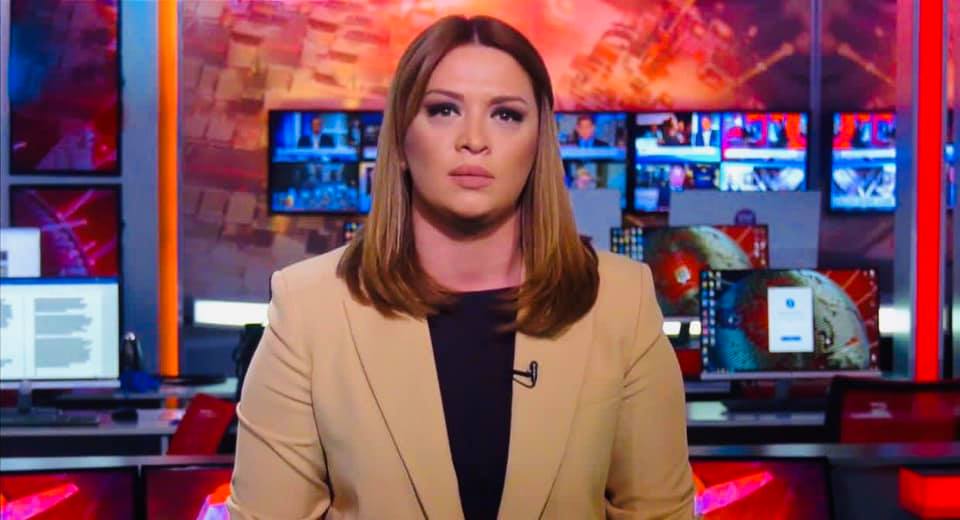
I have been in journalism since 2008. My first job was at Rustavi 2 — the channel every student of my generation dreamed of joining.
I graduated from the Theatre University with a degree in television and radio journalism. One of our lecturers was Rustavi 2 presenter Nino Shubladze, and our entire group later went to Rustavi 2 for internships.
I worked there for 11 years as a street reporter in the news department. From 2008 onwards, there was hardly a major event in the country that I did not cover — especially crime stories.
In 2019, when the old Rustavi 2 team was dissolved, I left television. I had no idea what to do next. I did not even own clothes other than those suitable for working outdoors.
It was an enormous shock. I did not fully realise it at the time and left for the United States, to Miami. Even my parents — who had never imagined I might emigrate — said, “Go, as long as you’re well.”
But in emigration I understood that I should not be living in another country, far from home, simply because someone wanted to deprive me of my profession. Six months later, I returned.
I joined TV Pirveli, where I continue to work today. I began as an investigative reporter, then moved to the news department. Now I present the news twice a week. The studio is not really my place, to be honest. But right now, it is necessary.
Nothing can compensate for the work I have invested in this profession — no salary could. Especially as in Georgia, you can never feel stable in this field. If you do not love the profession, it is very difficult to stay in it.
You cannot imagine the meagre resources with which our programmes are now produced — and the risks to personal safety have grown significantly.
Even so, I do not understand why I should leave, why I should give up my profession. There were moments when I thought I might have to make that choice. But I am still here.
But I needed an additional source of income in order to survive. We are a large family, and everyone else is involved in business — I was the only one who had never shown any interest in it. Then the moment came, and Lilia was born — a start-up producing bed linen.
The name was suggested by my mother, and I agreed because lilies are my favourite flowers. They are also associated with purity — it felt like the right choice.
We produce our bed linen here in Georgia and focus on quality. I work with professional seamstresses, although the team is still small. Sometimes I even deliver the orders myself — I finish a broadcast, deliver an order, and then return to the studio.
I am gradually learning this entirely new field. I am very happy that in a short time Lilia has become a recognised start-up. We have some plans — corporate partnerships and other developments.
But that does not mean I will leave journalism and devote myself entirely to business. No. I am not going to give up my profession.