Georgia in 2025: key developments and challenges






Georgia in 2025: key takeaways
▇ Political crisis and ongoing mass protests
What happened:
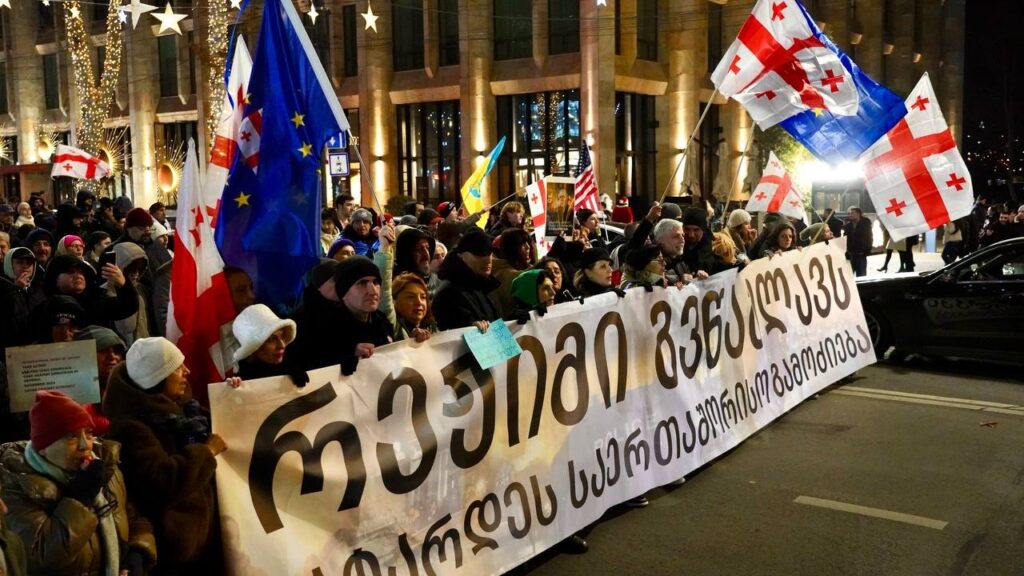
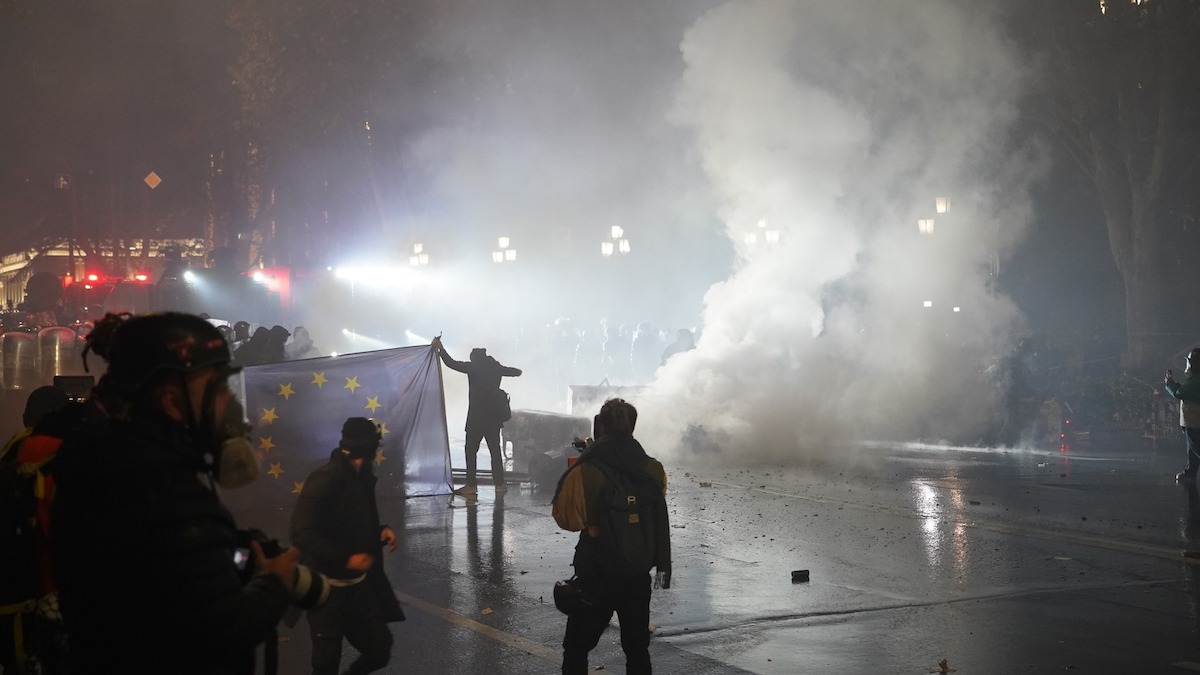
Since late 2024, daily protests have taken place in Tbilisi and other Georgian cities. The demonstrations were triggered by the government’s decision to suspend EU accession talks, announced following the contested parliamentary elections on 26 October 2024.
Protesters are opposing what they see as a departure from Georgia’s European path, calling for new parliamentary elections and the release of those detained on political grounds.
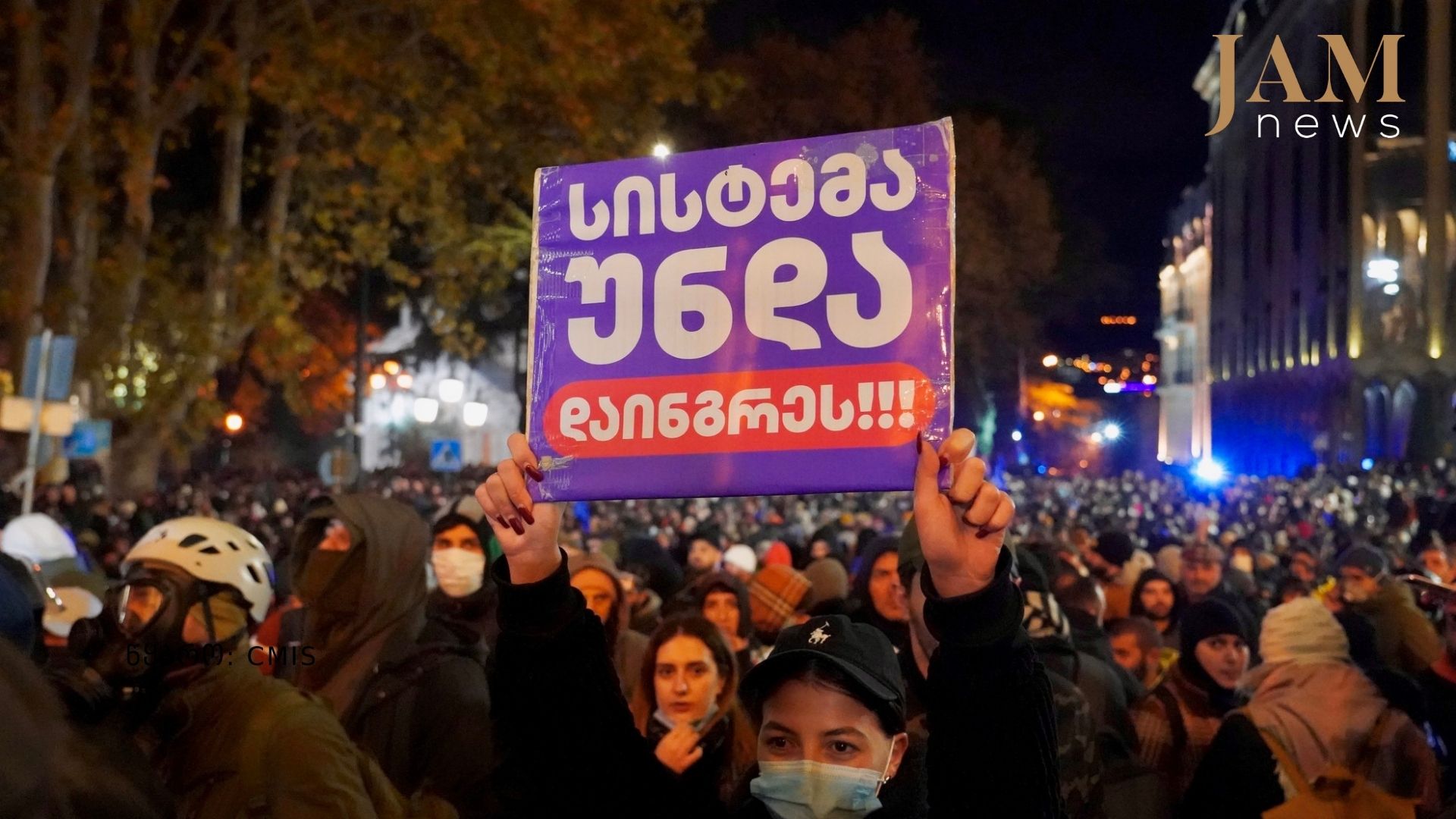
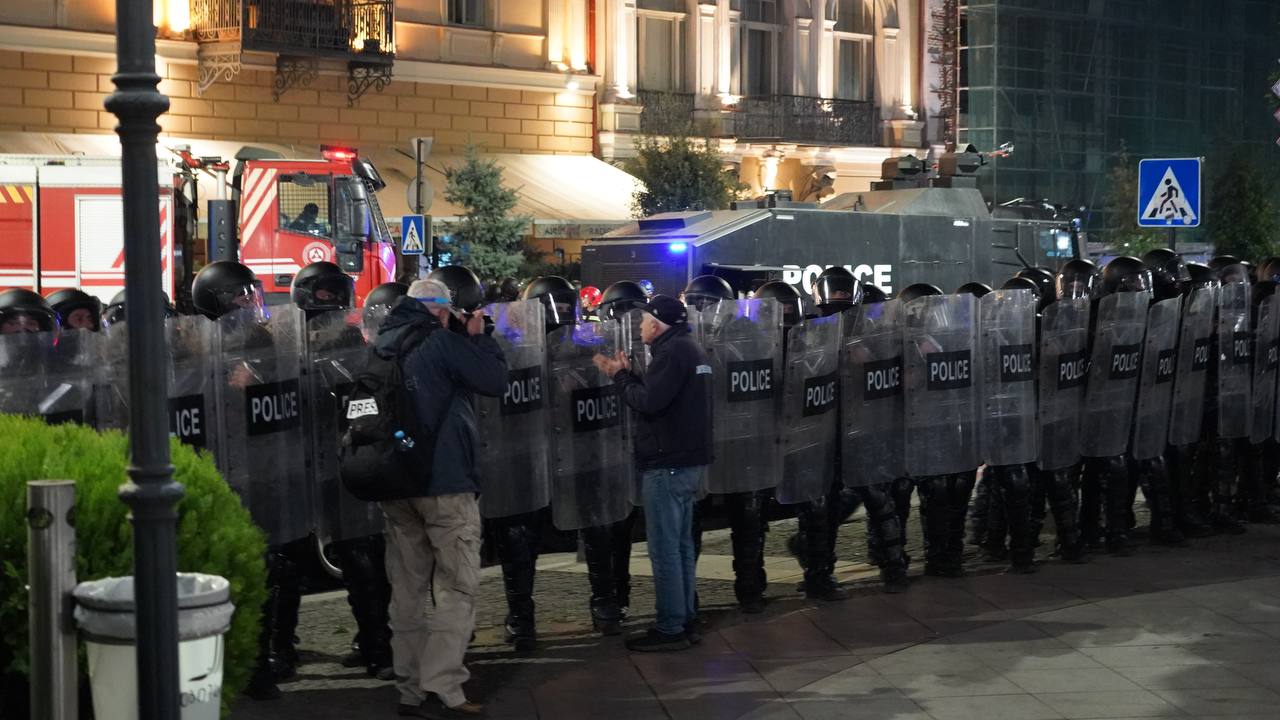
The protests have been accompanied by raids, clashes with police, mass arrests, and strict restrictions on freedom of assembly.
At the end of the year, the British public broadcaster BBC aired an investigative documentary examining the possible use of banned and harmful chemical agents by authorities to disperse demonstrators.
As a result, in 2025, Georgia had over 100 political prisoners for the first time in its history as an independent state.
Soon after the protests began, the ruling Georgian Dream party started introducing legislative changes aimed at suppressing demonstrations. The repressive laws sought to severely restrict protesters’ rights, ranging from increased fines to imprisonment for offences that had previously not carried such penalties. By the end of the year, protesters were even being detained simply for standing on the pavement.
Why it matters:
This represents the largest political mobilisation in Georgia in recent years, highlighting a deep societal divide: citizens’ push for democracy on one side, and the ruling party’s repressive measures on the other. The situation has raised serious questions about the resilience of the country’s democratic institutions.
▇ Risk of losing visa-free travel with the European Union
What happened:
On 30 November 2025, the European Union formally approved a rule allowing for the suspension of visa-free travel through a simplified procedure. Given Georgia’s failure to implement several European Commission recommendations, the new mechanism is expected to be applied first to Georgia.
Initially, visa-free travel for holders of diplomatic and service passports, including senior officials of the Georgian Dream government, is likely to be fully suspended. However, the EU has also indicated that it is prepared to extend restrictions to all Georgian citizens, citing the country’s deteriorating situation in democracy and human rights.
Why it matters:
Visa-free travel with the EU has long been considered one of Georgia’s most significant foreign policy achievements. Its suspension would not only complicate travel but also signal a wider crisis of trust between Brussels and Tbilisi, potentially undermining the country’s economy and limiting educational and professional opportunities for its youth.
▇ Ban on political parties
What happened:
The legal crackdown on political competition in Georgia has taken a clear shape. In the autumn of 2025, the ruling Georgian Dream party filed a case with the Constitutional Court seeking to ban three of the largest opposition parties: Unity – National Movement, Lelo – Strong Georgia, and the Coalition for Change. At the same time, the government publicly identified a broader list of parties that could face similar pressure.
Under the law, the Constitutional Court is required to issue a ruling within nine months.
Notably, the parties targeted by Georgian Dream—according to even contested Central Election Commission data—received the support of a total of 623,299 voters in the 2024 parliamentary elections, winning 49 seats and 30.01 percent of the vote.
Why it matters:
Human rights organisations have described the move as part of an authoritarian shift. They argue that the government is setting a precedent for a “constitutional purge,” in which political competition is curtailed not through elections, coalitions, or public support, but legally, by declaring opponents “unconstitutional.”
▇ Opposition leaders imprisoned
What happened:
2025 saw a wave of criminal prosecutions targeting the opposition. Around twenty current and former opposition politicians were convicted or arrested on various charges. Many of the arrests were related to failure to appear before an investigative committee set up by the Georgian Dream-controlled parliament to probe the actions of the previous government.
As a result of these absences, eight political leaders were imprisoned.
Several opposition figures were also arrested in connection with the so-called “peaceful overthrow” case on 4 October 2025.
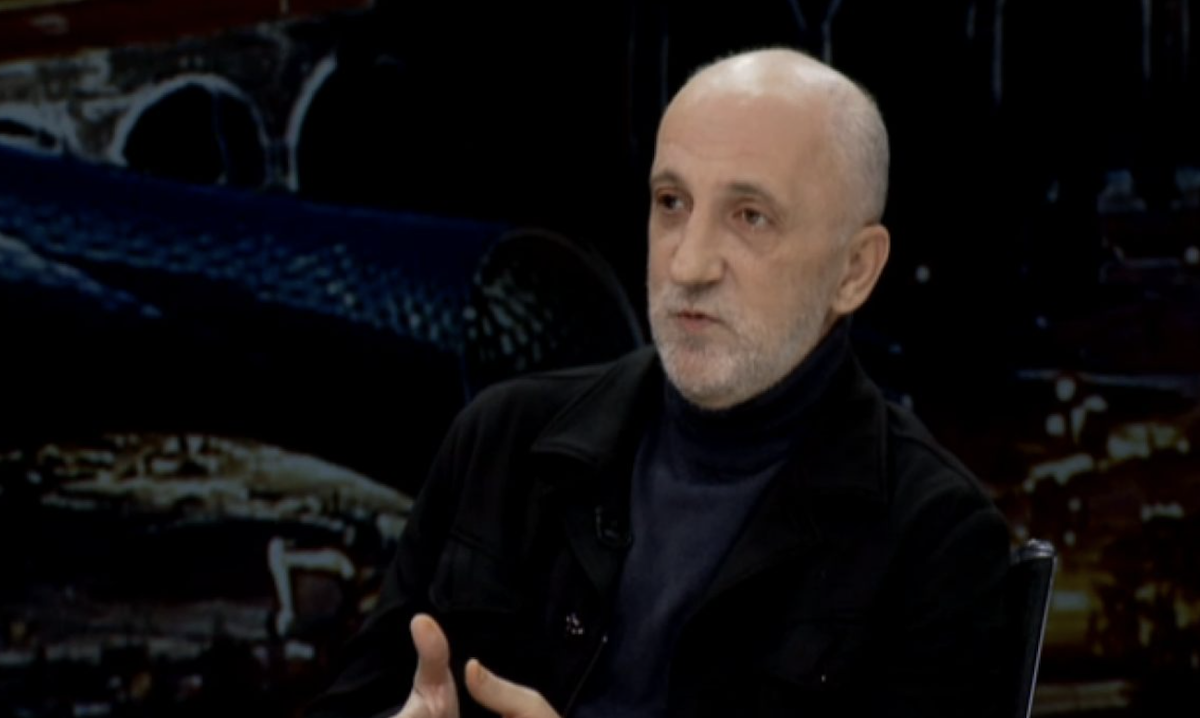
Also in custody is Levan Khabeishvili, chairman of the political council of the United National Movement, who was arrested by the State Security Service on 11 September 2025. He was accused of “offering $200,000” to special forces units during a televised broadcast as part of the so-called “peaceful overthrow” plan.
Why it matters:
Political commentators describe these developments as a formalisation of autocracy. The context is significant: just a year earlier, Georgian Dream founder Bidzina Ivanishvili openly spoke about the need to target opposition politicians and ban their parties.
Other senior ruling party figures made similar statements, publicly labelling political opponents as a “collective national movement.” This suggests that the current repressive measures are part of a premeditated strategy.
▇ Crackdown within Georgian Dream
What happened:
In 2025, former senior officials of Georgian Dream—including two former prime ministers, a former defence minister, the ex-head of the State Security Service, and a former attorney general—faced legal proceedings. Charges against them include corruption, money laundering, abuse of office, and serious violent crimes.

Why this matters:
These cases highlight a systemic problem: whether the country was indeed ruled for years by a corrupt criminal elite—and why the state failed to act earlier. At the same time, there is a clear risk of selective justice, especially given that investigations tend to begin precisely when former officials are politically weakened or have moved into opposition.
▇ A year of media persecution
What happened:
A year of media persecution
Over the past year, independent Georgian media outlets have faced unprecedented repression. Intimidation, verbal and physical attacks on journalists, legal harassment, and imprisonment have become routine in Georgia.
The Center for Media, Information and Social Research (CMIS), a media watchdog organization, documented 600 attacks on journalists over the last year.
Based on these findings, Reporters Without Borders published a report on the state of Georgian media, concluding that press freedom in the country has sharply deteriorated since November 28, 2024, when pro-European protests began.
Over the past year, 14 media workers in Georgia — including journalists, photographers, and camera operators — have been arrested. One of them, Mzia Amaglobeli, the founder of Batumelebi and Netgazeti, was sentenced to two years in prison on fabricated criminal charges.
According to CMIS, journalists are often detained under administrative law for allegedly blocking roads during protest actions. Most of them receive several days of administrative detention.
Georgian Dream has also sought to curb independent media through repressive legislation. Since spring 2025, parliament has adopted seven legislative amendments aimed at restricting media activity.
These changes have effectively banned foreign funding for media outlets, significantly narrowed freedom of expression, prohibited photo and video recording in courtrooms, and expanded state control over the media.
Georgia in 2025: key takeaways