EU report: Human rights and democracy in Georgia deteriorated significantly in 2025






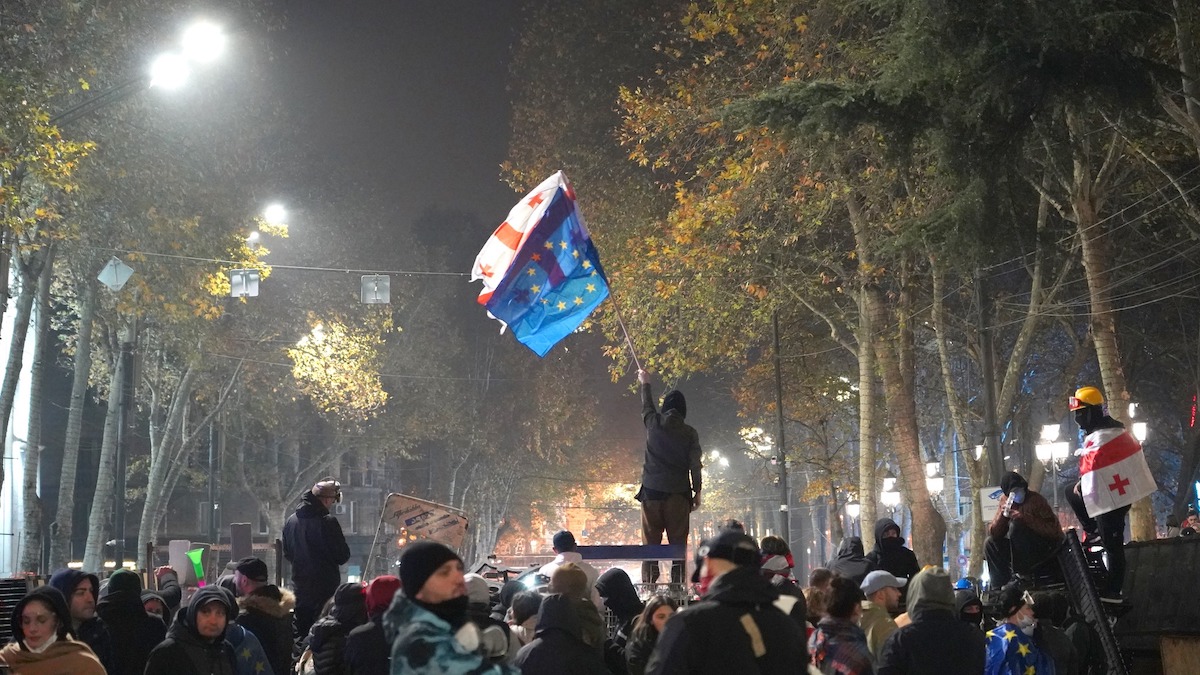
EU report on Georgia — 2026
According to the European Union’s annual report for 2025, the human rights and democracy situation in Georgia deteriorated significantly. Laws adopted by the government and its repressive measures further restricted fundamental freedoms.
Overall, the report portrays Georgia as a country where the weakening of democratic institutions, restrictions on fundamental rights and shrinking space for civil society are closely interconnected.
The report says the country’s EU integration process has effectively stalled, while much of Brussels’ financial and political support now goes to civil society and independent media rather than the government.
What does the report say?
Freedom of expression, assembly and association
The report says Georgia has restricted freedom of expression, assembly and association, as well as the rights to equality and protection from discrimination, respect for private and family life, liberty and personal security.
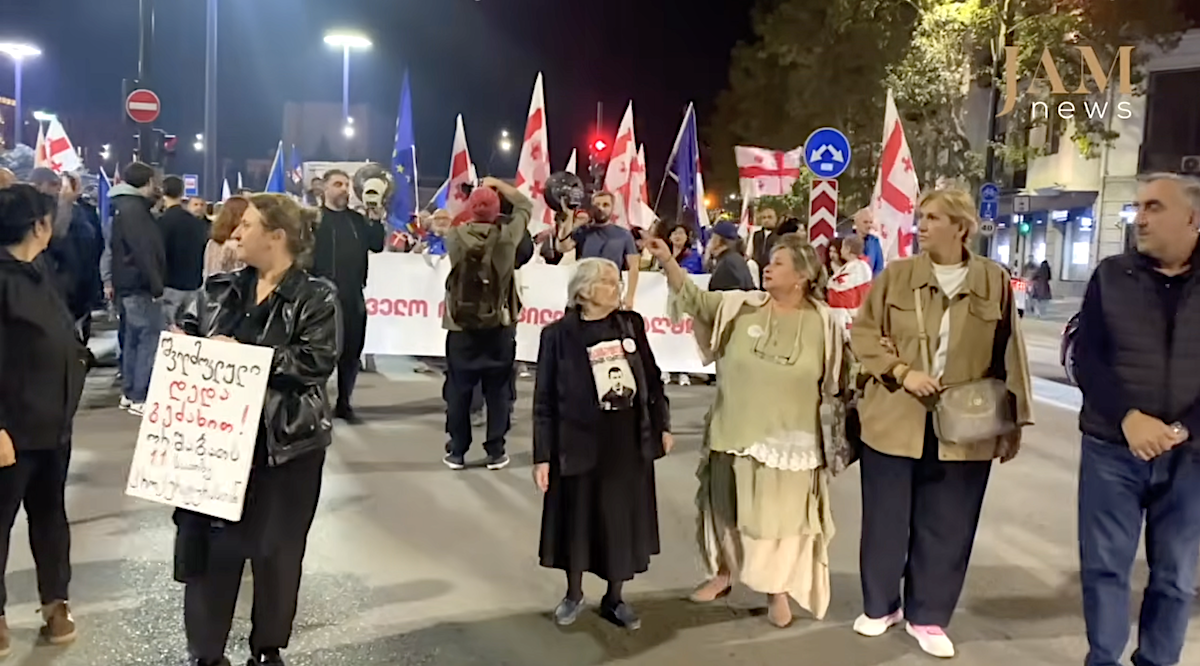
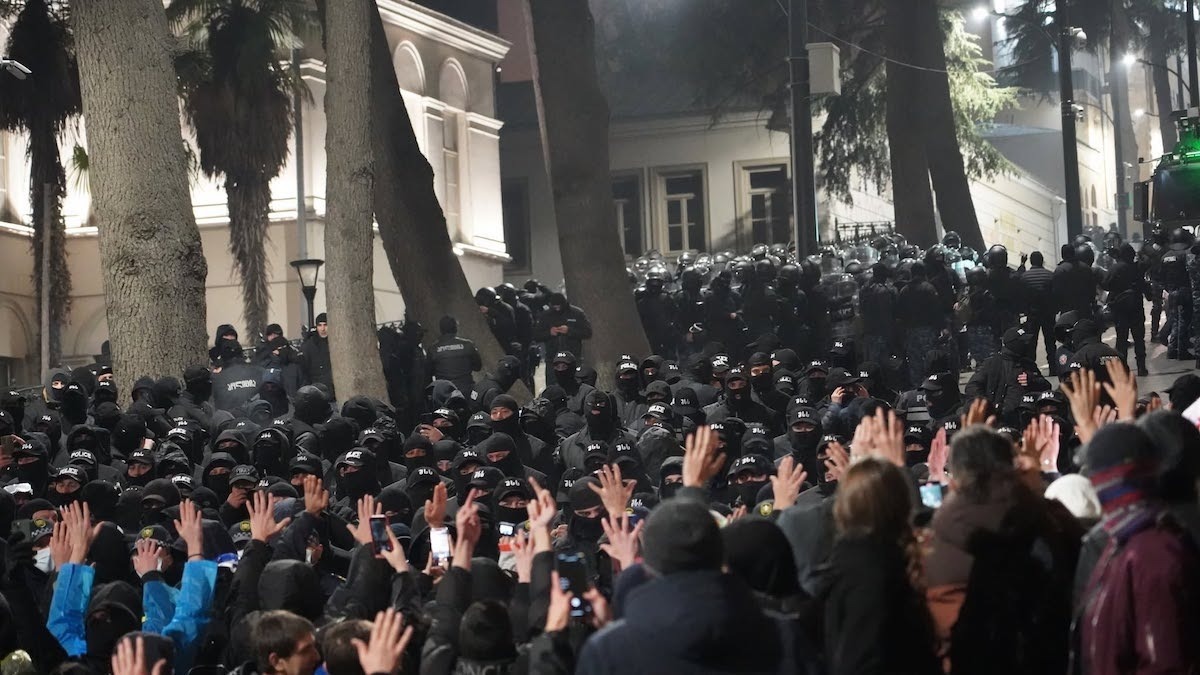
The document highlights widespread reports in 2025 of law enforcement officers mistreating protesters. According to the EU, some cases amounted to torture or inhuman or degrading treatment. The report says no one has been held accountable for such incidents, contributing to a climate of impunity.
The EU says arbitrary arrests, excessive use of pre-trial detention and disproportionately harsh sentences handed down to protesters and journalists raise serious concerns about the right to a fair trial.
- The report also examines cases of physical violence, sexual harassment, rape and death threats against women taking part in demonstrations.
Media restrictions
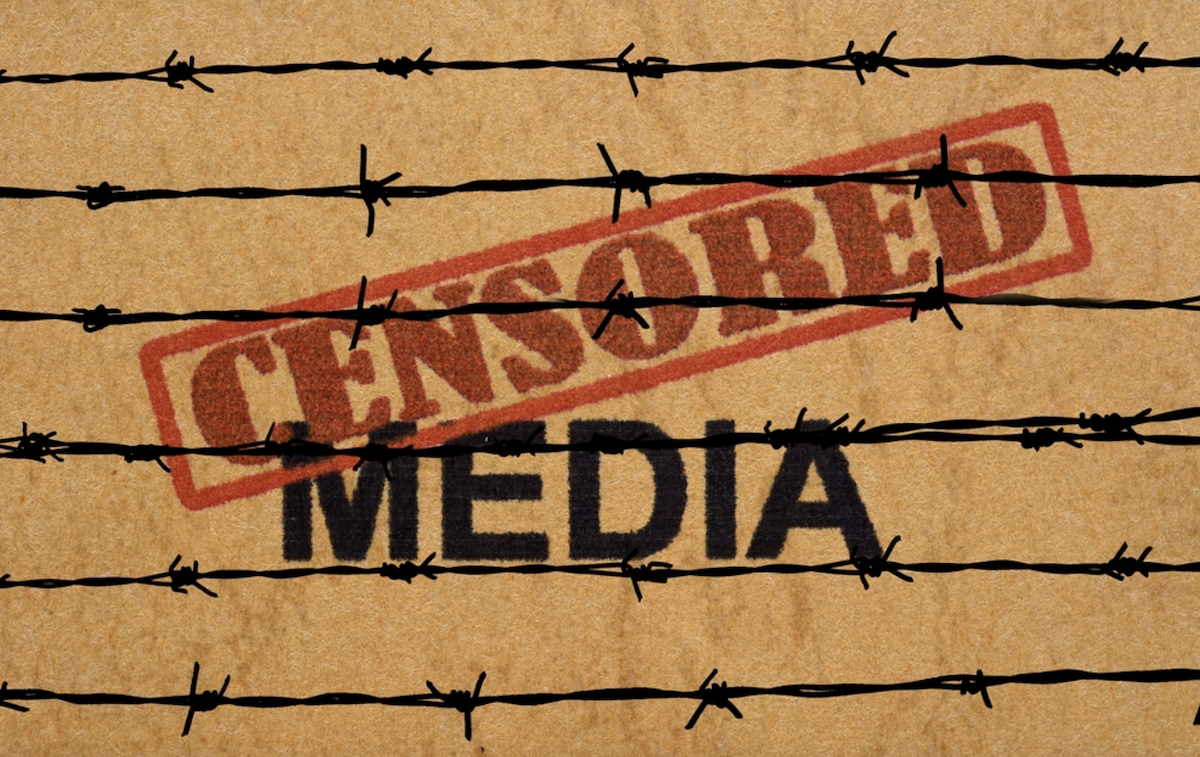
According to the EU, new legislation adopted by the Georgian government has made it even harder for independent media and civil society organisations to operate. The report highlights amendments to the laws on broadcasting and “transparency of foreign influence”, as well as a legislative package concerning family values and the protection of minors.
The report also notes numerous reports of intimidation, threats, verbal abuse, physical violence and arbitrary detention targeting journalists and other media workers.
- The European Union says the government’s repressive measures against civil society, the media and the opposition have significantly undermined democratic processes. They have effectively reduced public participation in political life and weakened the effectiveness of checks and balances.
The EU also highlighted the freezing of bank accounts belonging to several civil society organisations as part of the use of judicial mechanisms to suppress dissent.
Political pluralism has also deteriorated. The report notes an attempt by the ruling party to have several opposition parties banned through the Constitutional Court.
According to the EU, Georgia’s declining democracy indicators are also reflected in international rankings. The country ranked 114th in Reporters Without Borders’ 2025 World Press Freedom Index, 52nd in the World Justice Project’s Rule of Law Index and 56th in the Corruption Perceptions Index. It also scored 34 points on the CIVICUS Monitor, indicating a shrinking space for civil society.
Media restrictions
According to the EU, new legislation adopted by the Georgian government has made it even harder for independent media and civil society organisations to operate. The report highlights amendments to the laws on broadcasting and “transparency of foreign influence”, as well as a legislative package concerning family values and the protection of minors.
The report also notes numerous reports of intimidation, threats, verbal abuse, physical violence and arbitrary detention targeting journalists and other media workers.
- The European Union says the government’s repressive measures against civil society, the media and the opposition have significantly undermined democratic processes. They have effectively reduced public participation in political life and weakened the effectiveness of checks and balances.
The EU also highlighted the freezing of bank accounts belonging to several civil society organisations as part of the use of judicial mechanisms to suppress dissent.
Political pluralism has also deteriorated. The report notes an attempt by the ruling party to have several opposition parties banned through the Constitutional Court.
According to the EU, Georgia’s declining democracy indicators are also reflected in international rankings. The country ranked 114th in Reporters Without Borders’ 2025 World Press Freedom Index, 52nd in the World Justice Project’s Rule of Law Index and 56th in the Corruption Perceptions Index. It also scored 34 points on the CIVICUS Monitor, indicating a shrinking space for civil society.века, который не велся с июня 2023 года, также не был возобновлен», — говорится в докладе.

Financial support for civil society
The statement notes that, amid democratic backsliding, the European Union extended its suspension of direct financial assistance to the Georgian authorities for 2025. At the same time, EU funding went towards supporting civil society and independent media.
- Under the NDICI programme, €24 million was allocated to directly support civil society and independent media, with a further €10 million allocated for 2025–2027 under the Eastern Partnership Civil Society Facility.
Existing EU programmes cover areas including improving access to justice, protecting the rights of people with disabilities and children, and safeguarding the rights of ethnic and religious minorities and the LGBT community. They also support gender equality, efforts to combat disinformation and strengthening the institution of the Public Defender.
ECHR and international obligations
The EU report also takes a critical view of Georgia’s cooperation with the European Court of Human Rights and its implementation of the court’s judgments.
According to the document, the level of cooperation and compliance with court rulings was deemed insufficient. A total of 45 cases remain under enhanced supervision by the Committee of Ministers of the Council of Europe.
The EU also identified problems in Georgia’s cooperation with international organisations. The Georgian authorities did not issue an invitation to the OSCE observation mission in time to allow full monitoring of the municipal elections scheduled for October 2025. They also failed to take adequate steps to implement the organisation’s previous recommendations.
- The report also notes that, despite retaining its seat on the UN Human Rights Council, Georgia has not joined several important international and EU initiatives.
EU report on Georgia — 2026