Confrontation between government and church continues in Armenia: Pashinyan on steps to remove Catholicos






Pashinyan on the “roadmap” for church reform
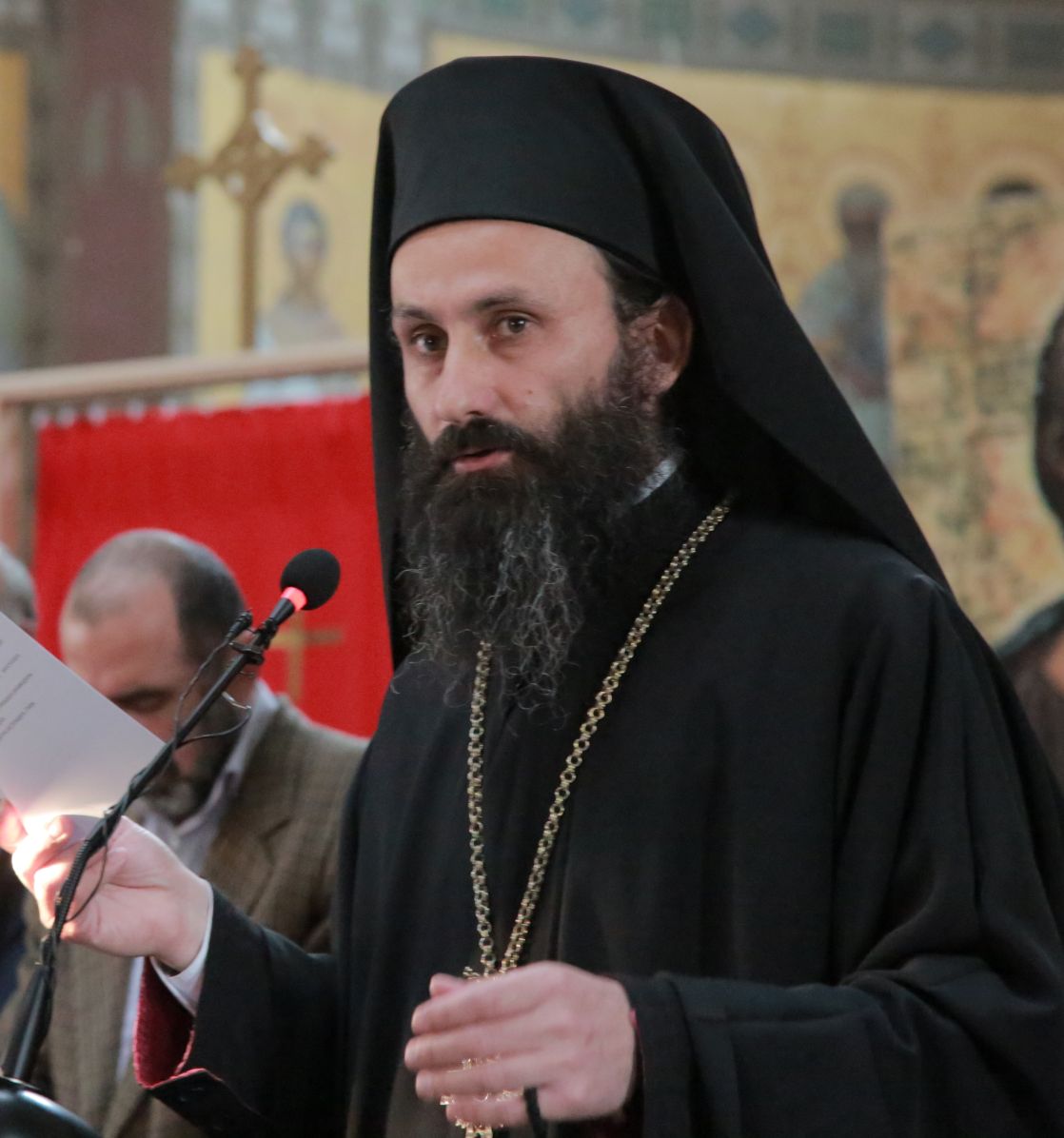
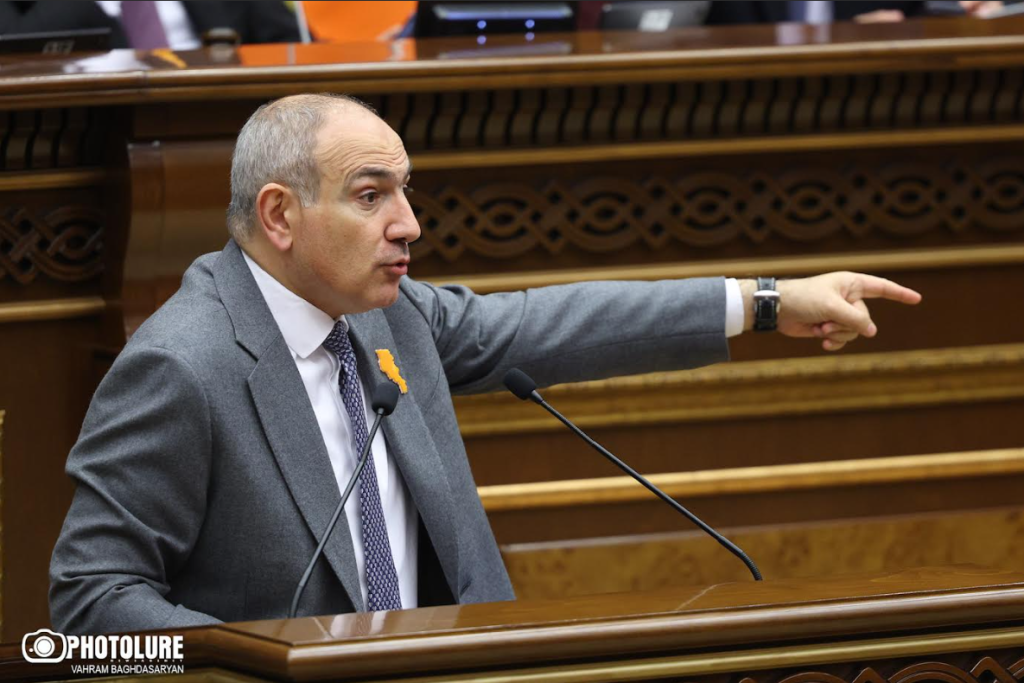
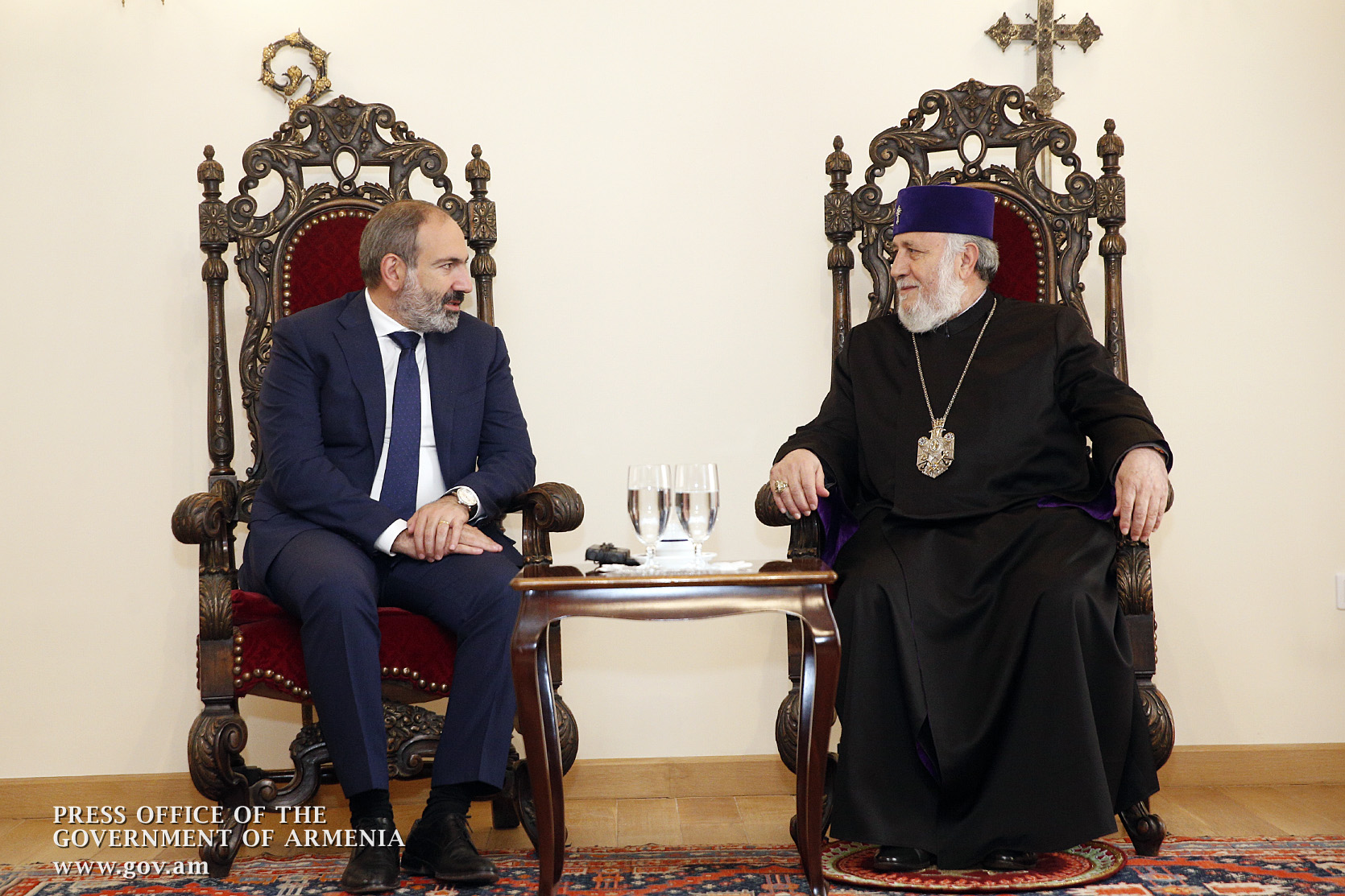
Armenian Prime Minister Nikol Pashinyan and ten bishops have announced the launch of a church reform process and the creation of a council to coordinate it. They signed a statement at the prime minister’s residence outlining a plan of further steps. The ultimate goal is to remove Garegin II from the throne and elect a new Catholicos of All Armenians.
The prime minister and the clergy who signed the statement called on priests and parishioners to support the reform. Pashinyan invited everyone willing to back the initiative to take part in a march.
The march will take place on 6 January at 13:30. Participants will walk from the Church of Saint Gregory the Illuminator to the Holy Mother of God Cathedral. The date is symbolic, as the Armenian Apostolic Church marks Christmas on 6 January.
As the prime minister said, one of the aims of the “peaceful march” is “to support and strengthen Armenian statehood”.
“The use of the Church by the de facto head of the Armenian Apostolic Church and his close circle as a tool of hybrid warfare against our state, sovereignty and independence is unacceptable. We will not allow these actions to continue,” Pashinyan said.
Last year, the prime minister also accused the Catholicos of All Armenians of answering to foreign intelligence services. In particular, he said:
“I do not need a Catholicos who obeys me. I need a Catholicos who does not obey a senior lieutenant of a foreign intelligence service and does not report every day to lieutenants of a foreign intelligence service.”
Nikol Pashinyan also claims that during the Soviet period the brother of Garegin II, Archbishop Ezras Nersisyan, worked as a KGB agent.
Many experts in Armenia consider these suspicions and accusations well founded. Armenian analysts have long argued that some clerics, led by the Catholicos, “act together with the pro-Russian opposition on the political stage against the legitimate authorities”.
At the same time, the Mother See of Holy Etchmiadzin has repeatedly accused the government of conducting an “anti-church campaign”.
“Issues of regulating and reforming the Church do not fall within the authority of a self-proclaimed council. These matters lie within the jurisdiction of the Patriarchate of the Armenian Apostolic Church and its highest bodies,” the Mother See said in response to the statement signed by Pashinyan and ten bishops.
Further details include what the document says, the response issued by the Mother See, additional accusations made by the prime minister against the Catholicos of All Armenians, and an assessment of the situation by political analyst Robert Ghevondyan.
- Armenian Church faces rift as several priests condemn Catholicos’s stance
- ‘Suspend service’: Appeal to Catholicos of All Armenians over intimate video allegedly involving archbishop
- Armenia’s municipal elections: ‘Сatholicos fails to secure vote of confidence in Etchmiadzin’
‘We condemn the subordination of the Church to foreign interests‘
Late on the previous evening, close to midnight, Prime Minister Nikol Pashinyan posted a video address from his residence on social media.
He said that he had spent several hours discussing the possibility of church reform with representatives of the senior clergy.
As a result, he and eight clergymen who were present signed a document, which the video shows clearly.
Two additional bishops later joined the statement. They were not at the residence, but they had agreed the text in advance.
Pashinyan then read out the statement. It says that he and the bishops who signed it:
- express concern that the de facto head of the Church and his close circle fail to live and preach in accordance with the principles of the Gospel;
- condemn and describe as unacceptable the anti-canonical practice of involving the Church in politics and using it in the interests of other states;
- note that arbitrary governance and discrimination within the Church have disrupted spiritual life, deepened internal divisions, and led to the regression of national and spiritual values;
- acknowledge their own share of guilt and responsibility for the current situation.
The prime minister and the ten clergymen who signed the statement will form a coordinating council.The council will take responsibility for the process of church reform. Its membership may expand over time, provided all existing members agree.
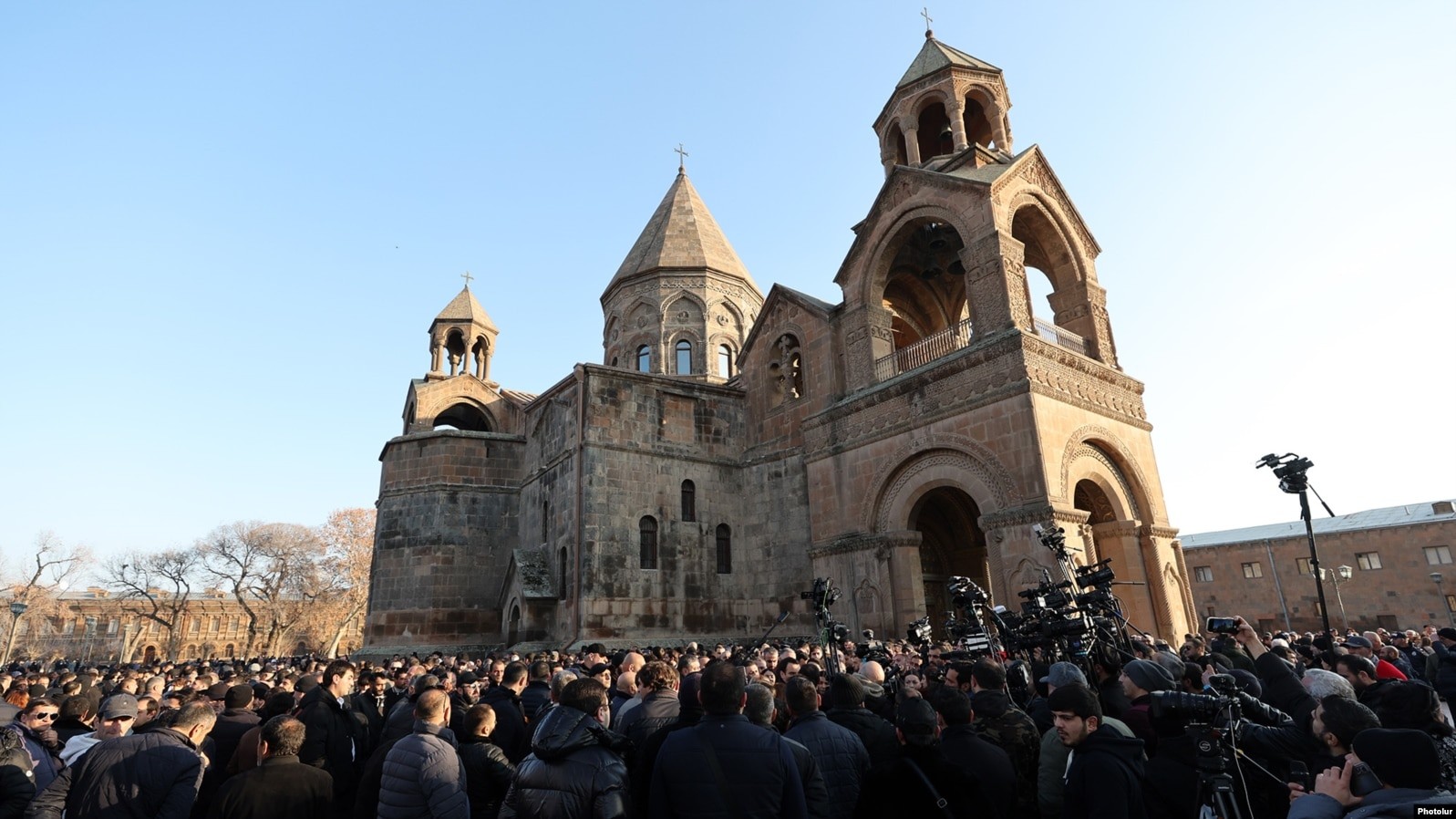
Pashinyan and ten bishops have drawn up an action plan.
In a video he released, Pashinyan outlined the steps the council plans to take to reform the church:
- Announce the action program.
- Remove the de facto head of the Armenian Apostolic Church from his position.
- Elect a locum tenens to act as Catholicos.
- Adopt a charter establishing mechanisms to uphold established principles, ensure proper conduct of the clergy, and maintain financial transparency.
- Elect a new Catholicos of All Armenians according to church canon procedures.
The Mother See of Etchmiadzin has issued a warning about violations of the church’s rights.
The Office of the Mother See also issued a statement.
“Actions by the head of the Armenian government, under the pretext of regulating and reforming the church’s internal life,
- directly violate the Constitution of Armenia,
- undermine the church’s rights, both internationally recognized and enshrined in Armenian law.
The involvement of bishops in such anti-church processes, as well as the pressure applied to the clergy, deserves condemnation. Discussions on matters concerning the church’s life take place exclusively within the appropriate church bodies and in accordance with church canons,” the statement reads.
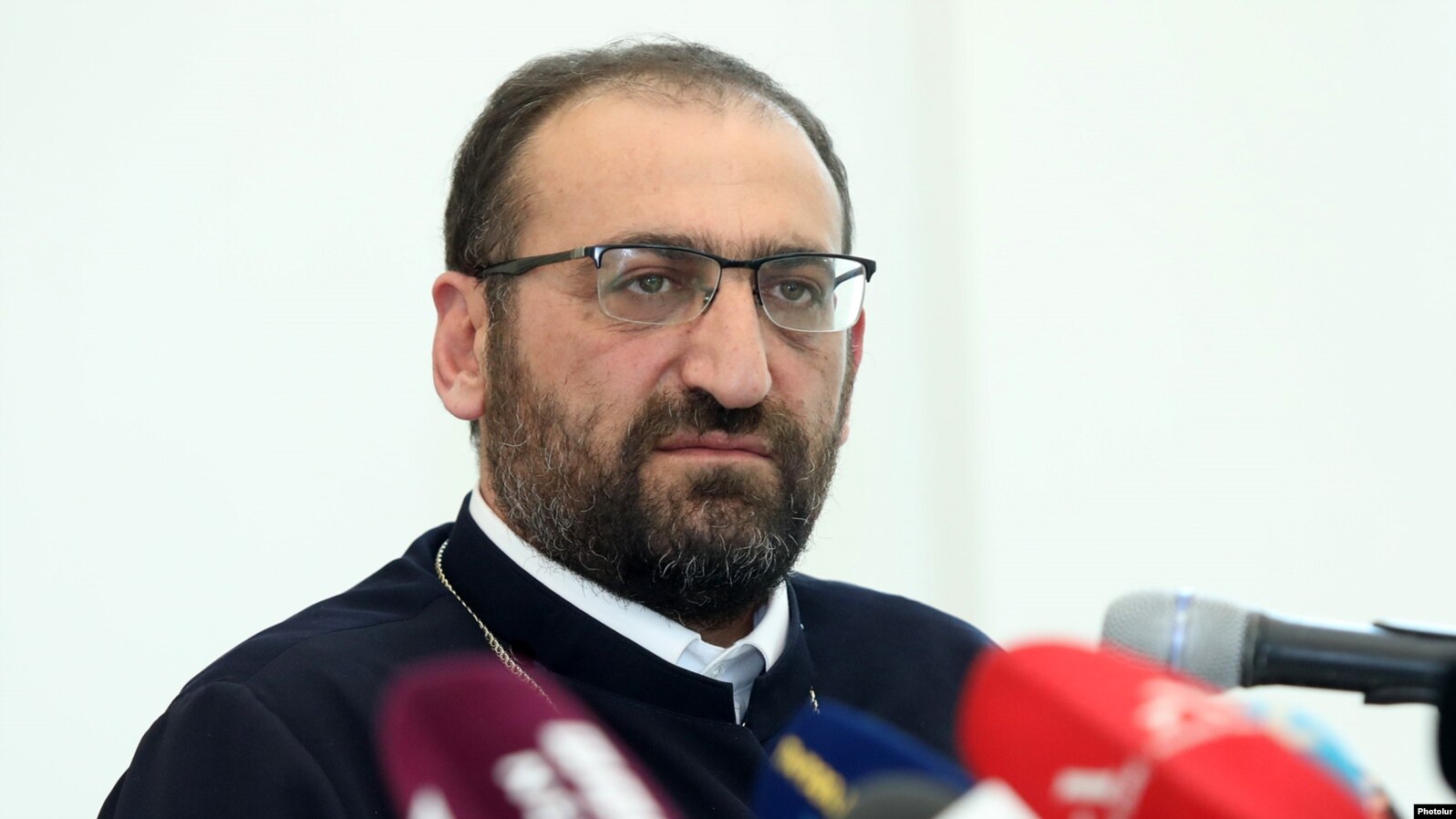
Context: accusations against the Catholicos and his brother
Prime Minister Pashinyan has periodically raised the issue of removing the Catholicos from his throne for over six months. He initially claimed that Garegin II could not lead the church because he broke his vow of celibacy and has a daughter. He later made another allegation, asserting a connection between the Patriarch and foreign intelligence services.
Pashinyan leveled the same accusation against Garegin II’s brother. Archbishop Ezras Nersisyan heads the Russian and New Nakhichevan diocese. In December 2025, the pro-government site civic.am published a copy of a document claiming that the Patriarch’s brother collaborated with the Soviet KGB under the agent codename “Karo.”
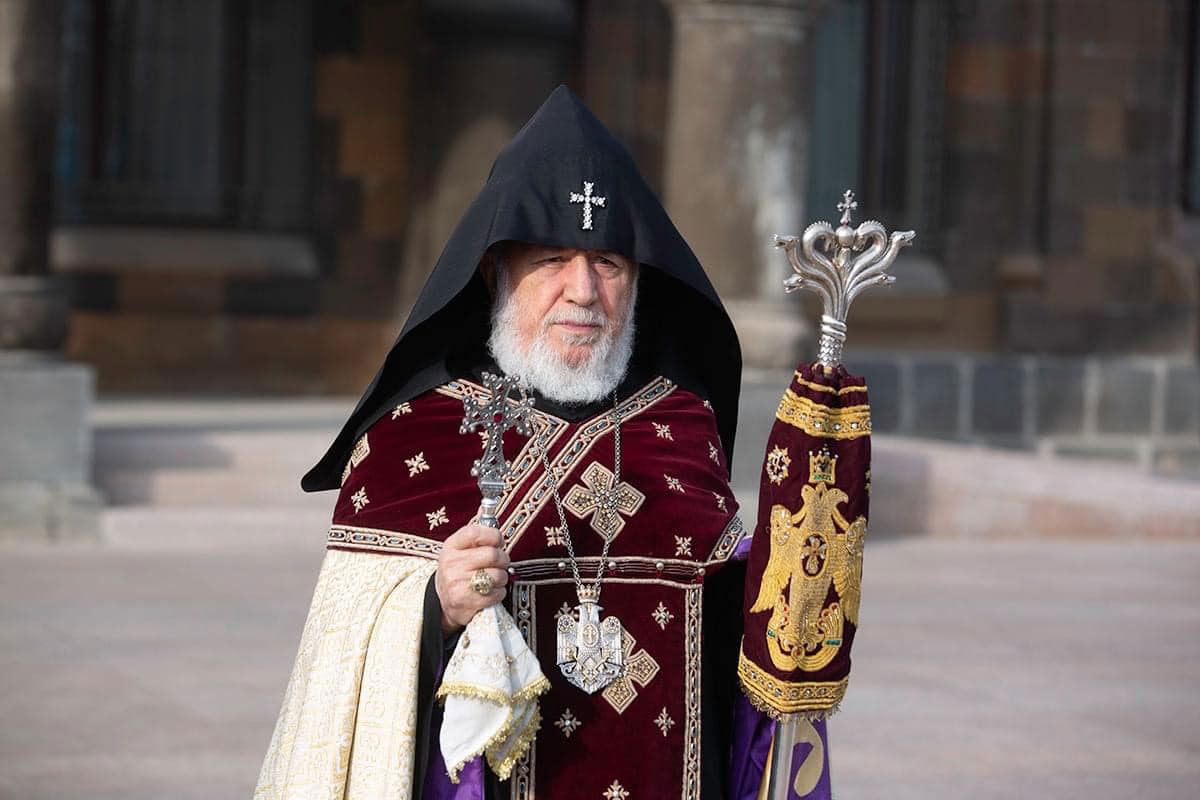
Political analyst commentary
Political analyst Robert Ghevondyan commented on the confrontation between the Armenian church and the government in his article “Playing Politics under the Vestments.” He argued that recent developments have significantly weakened the position of the clergy. Ghevondyan referred in particular to the arrests of high-ranking clerics, one accused of calling for a seizure of power and another of planning terrorist attacks. He said senior church figures are actively engaging in political struggle:
“At the same time, some of them continue to refuse to acknowledge obvious realities, gaining support from radical pro-Russian opposition figures and succumbing to the temptation of their proposals.
Armenia is a democratic state. Anyone can enter the political arena, conduct their own ‘game,’ and even leverage external influence. This includes members of the clergy. However, as with everything in life, this comes at a ‘price.’”
Ghevondyan noted that clergy who engage in politics use their religious status as a shield against “counterattacks”:
“This not only confirms their moral and ethical bankruptcy, but also directly contradicts the constitution. Yet this is only part of the problem. Some clerics go further. They frame reactions to their political actions as attacks on the Armenian Apostolic Church itself, thereby equating themselves with the centuries-old institution.”
He concluded that in the current unstable geopolitical context, the obsession of some church figures with “playing politics” and attempts to “hide behind the vestments” constitute a betrayal not only of Armenia but of the church itself.
Pashinyan on the “roadmap” for church reform