Armenia in 2025: key developments with long-term impact






Key events in Armenia in 2025
2025 will be remembered in Armenia for political and diplomatic processes that reshaped the discourse both domestically and internationally. Over the year, Yerevan stepped up activity across several foreign policy tracks. In particular, documents on a strategic partnership with the United States and on deepening cooperation with the European Union were signed. In addition, Armenia’s parliament approved a law launching the process of accession to the EU.
At the same time, the country retained its membership of the Russian-led Eurasian Economic Union. Armenia also remained part of the Russia-led military bloc, the CSTO, although it froze its participation.
Unexpected but highly significant were steps towards settling relations with Azerbaijan. These were taken with mediation by the US president, inspiring a degree of confidence that any peace achieved will not be merely symbolic. Meanwhile, the process of normalising relations with Turkey continued. The final note of 2025 was a statement by Armenia’s foreign ministry on 29 December announcing that Armenia and Turkey had decided to simplify visa procedures for holders of diplomatic, special and service passports. From 1 January 2026, holders of such passports from both countries will be able to obtain free electronic visas.
This article revisits the key foreign policy events of 2025, with commentary from political scientist Robert Gevondyan and political analyst Boris Navasardyan.
- Will US vice-president visit Armenia? Yerevan discusses possible trip
- ‘Deepening ties with US and EU does not mean expelling Russia’ — Armenian foreign minister
- Pashinyan urges Baku to drop issue of return of Karabakh Armenians and ‘Western Azerbaijan’
- ‘New stage of Armenia–EU cooperation’: Brussels signs strategic partnership agreement
US as factor in reducing risks
On 14 January, a Strategic Partnership Charter with the United States was signed in Washington. The document enshrined the mutual intention to strengthen relations, including in defence and security. The charter was signed with the previous US administration — Democrats who lost the election to Republicans. As a result, concerns were voiced in Armenia that the document would “mean nothing” to the administration of Donald Trump, who had come to power. However, analysts who argued that the charter had been coordinated with the incoming administration proved right, meaning it would continue to pursue a course of strengthening the partnership.
And already on 8 August in Washington, following bilateral talks, the sides signed three memorandums:
1) Memorandum on the Armenian government’s regional unblocking project, the Crossroads of Peace:
In it, the United States supports Armenia’s Crossroads of Peace initiative, underlining Armenia’s important role as a regional transport hub. It also highlights the need to ensure Armenia’s infrastructure and border security, including with the involvement of private investors.
2) Memorandum on AI and semiconductor innovation
This document aims to deepen cooperation in high technologies, including the development of the semiconductor ecosystem and the application of artificial intelligence.
3) Memorandum on energy security
It is focused on supporting Armenia’s energy resilience and the modernisation of its energy system, encouraging private investment, and developing civilian nuclear energy.
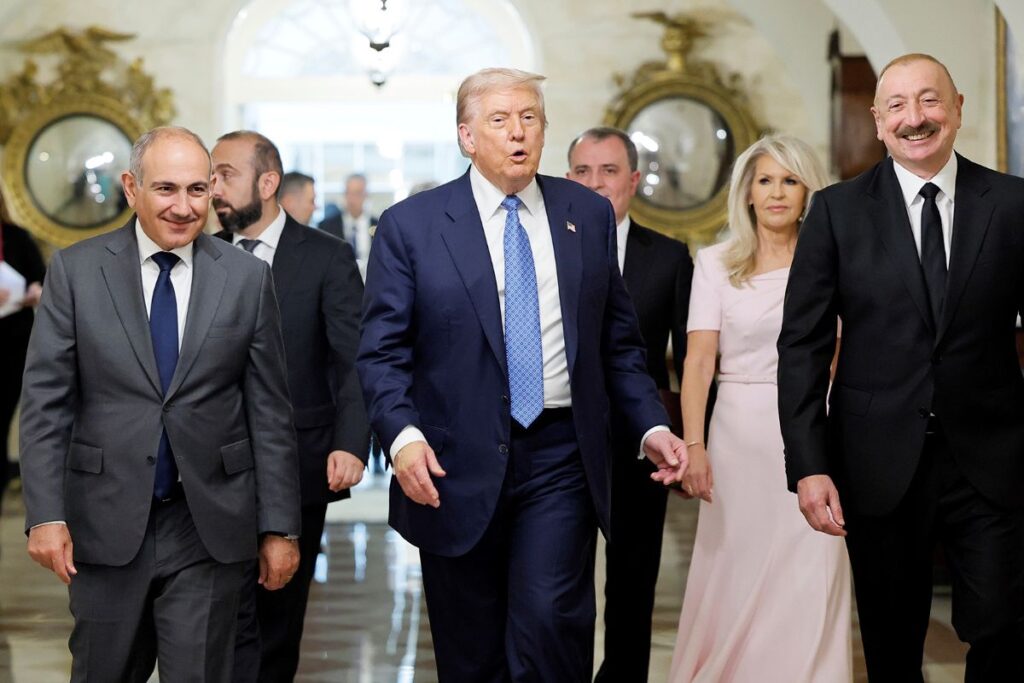
On the same day, a peace summit involving the leaders of Armenia and Azerbaijan was held with mediation by the US president.
The peace agreement was initialled — notably, it had been fully agreed by the sides as early as March. In addition, Armenia and Azerbaijan signed a declaration stating that “the summit creates a solid foundation for mutual respect and the advancement of peace in the region”. The Washington talks marked a rejection of military confrontation and a transition to a phase of normalisation of relations.
The sides also reached agreement on the unblocking of transport links.
In particular, they agreed on a route running through Armenian territory to connect Azerbaijan with its exclave, Nakhchivan.
This was the issue on which Yerevan and Baku had failed to reach a compromise for several years. Azerbaijan had demanded a road it referred to as the “Zangezur corridor”. The Armenian authorities responded that they were ready to unblock all routes, but rejected the term “corridor”, which they said would imply a loss of sovereign rights over the territory.
And only with mediation by Donald Trump were the leaders of Armenia and Azerbaijan able to reach an agreement. The road will remain under Armenia’s sovereign control, while the United States will join the unblocking process as a business partner. As a result, the project was named the Trump Route for International Peace and Prosperity (TRIPP), after the mediator.
As further confirmation that peace has taken hold, the Armenian authorities have recently stressed that the situation on the border is calm and that there have been no casualties in the Armenian army for more than a year.
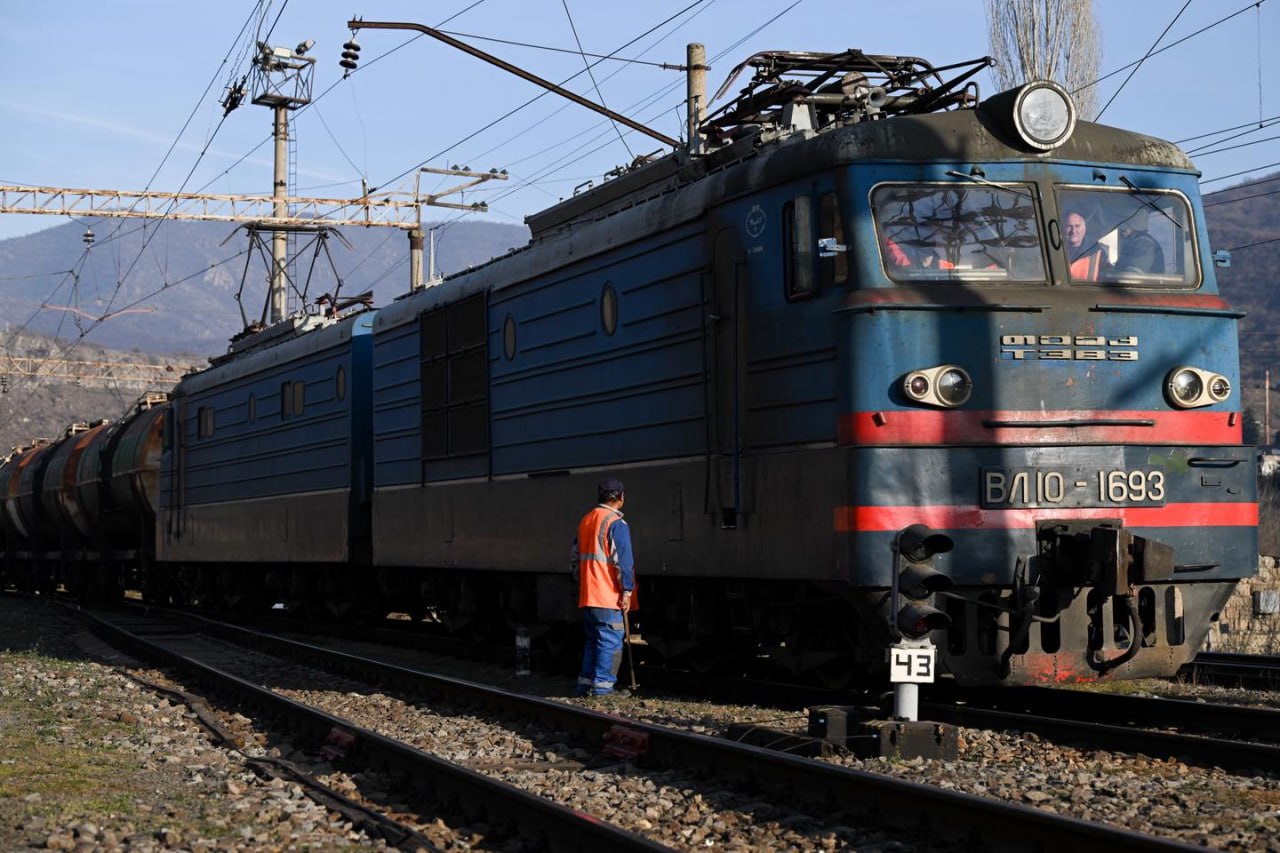
In addition, in late October Azerbaijani President Ilham Aliyev announced that all restrictions on cargo transit towards Armenia had been lifted.
As a result, wheat from Russia and Kazakhstan has already reached Armenia via Azerbaijani territory.
Moreover, the Armenian and Azerbaijani authorities have managed to agree on their first economic deal.
Armenia imported A-95 petrol from Azerbaijan’s SOCAR. Welcoming the new realities in the region, Prime Minister Nikol Pashinyan stressed: “The deal was carried out by private companies, but the political conditions for it were created by the peace established between Armenia and Azerbaijan.”
Commentary by political scientist Robert Gevondyan
Window of opportunity
“The main positive outcome of the agreements reached on 8 August is the involvement of the United States, as it is the only country capable of providing effective guarantees and reducing risks. This is not about direct security guarantees for Armenia, but about the US entering the process through bilateral agreements with Yerevan and Baku. This raises the political and economic cost of any potential violations for Azerbaijan. In this sense, 8 August opens a window of opportunity for Armenia that must be seized,” said Robert Gevondyan.
Cargo already arriving
“Cargo transit through Azerbaijan to Armenia is the most positive signal at the current stage of the negotiations. Of the three tracks in the Armenian–Azerbaijani dialogue — the peace agreement, infrastructure, and border delimitation — infrastructure remains the most complex and still conflict-prone.
While the text of the peace agreement has been agreed between the sides, there is still no consensus on infrastructure. Baku’s step precisely in this area indicates a serious approach and the possibility, at least in the short term, of avoiding escalation — which is in Armenia’s interests.
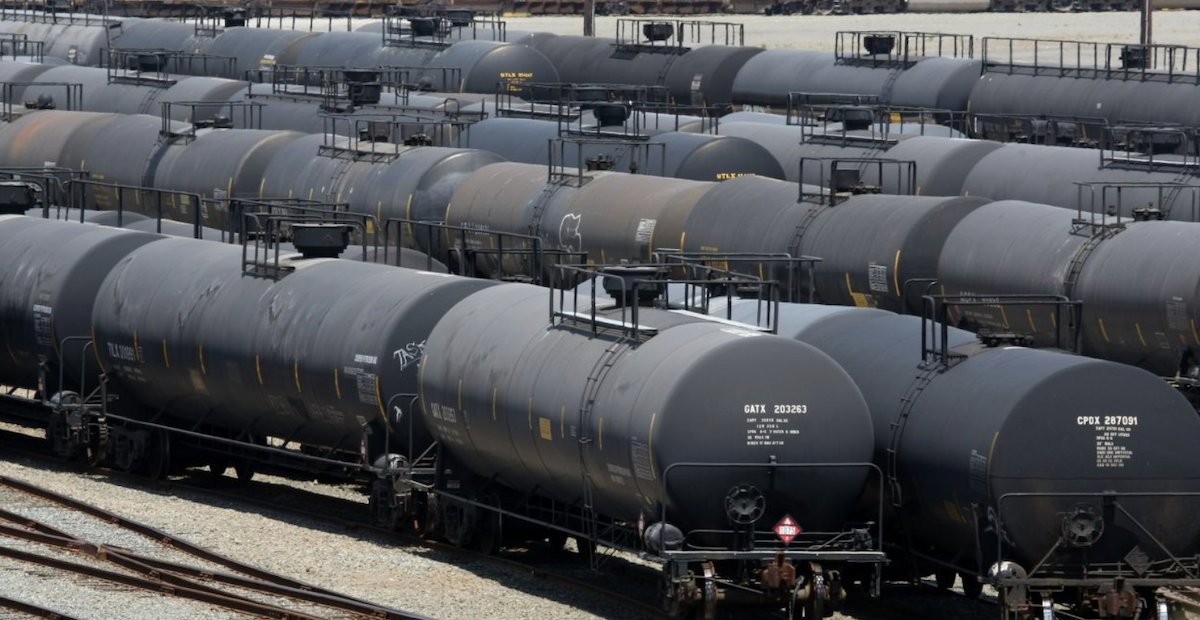
Further developments largely depend on Armenia. If the necessary railway infrastructure is built inside the country, a shift to direct transit without Georgia’s mediation would be possible. For now, however, cargo is moving via Georgia because of Azerbaijan’s preconditions. Baku insists that the TRIPP mechanisms be implemented first, and only then the border unblocked. Direct transit would run counter to this logic. TRIPP has not yet been implemented, which is why the Georgian route is currently being used,” said Robert Gevondyan.
South Caucasus Railway factor
“Signs of progress are evident. Azerbaijani sources affiliated with the Aliyev family report discussions on expanding the railway line towards Ijevan, which in the longer term would allow for combined rail and road transit to Armenia. However, Yerevan also faces substantial work — restoring, within a short timeframe, railway infrastructure that has fallen into disrepair up to the Azerbaijani border. In some sections, new lines will need to be built. This is important not only for normalising relations, but for the country’s overall development.
A remaining problem is the role of South Caucasus Railway, which controls the lines that existed as of 2008. The Russian company is likely to delay the process and obstruct it,” he said.
The South Caucasus Railway (SCR) is a wholly owned subsidiary of Russian Railways. In 2008, a concession agreement was signed between Russian Railways and Armenia, transferring the state-owned CJSC Armenian Railways to the management of South Caucasus Railway. The concession term is 30 years, with the option of a further 10-year extension by mutual agreement.
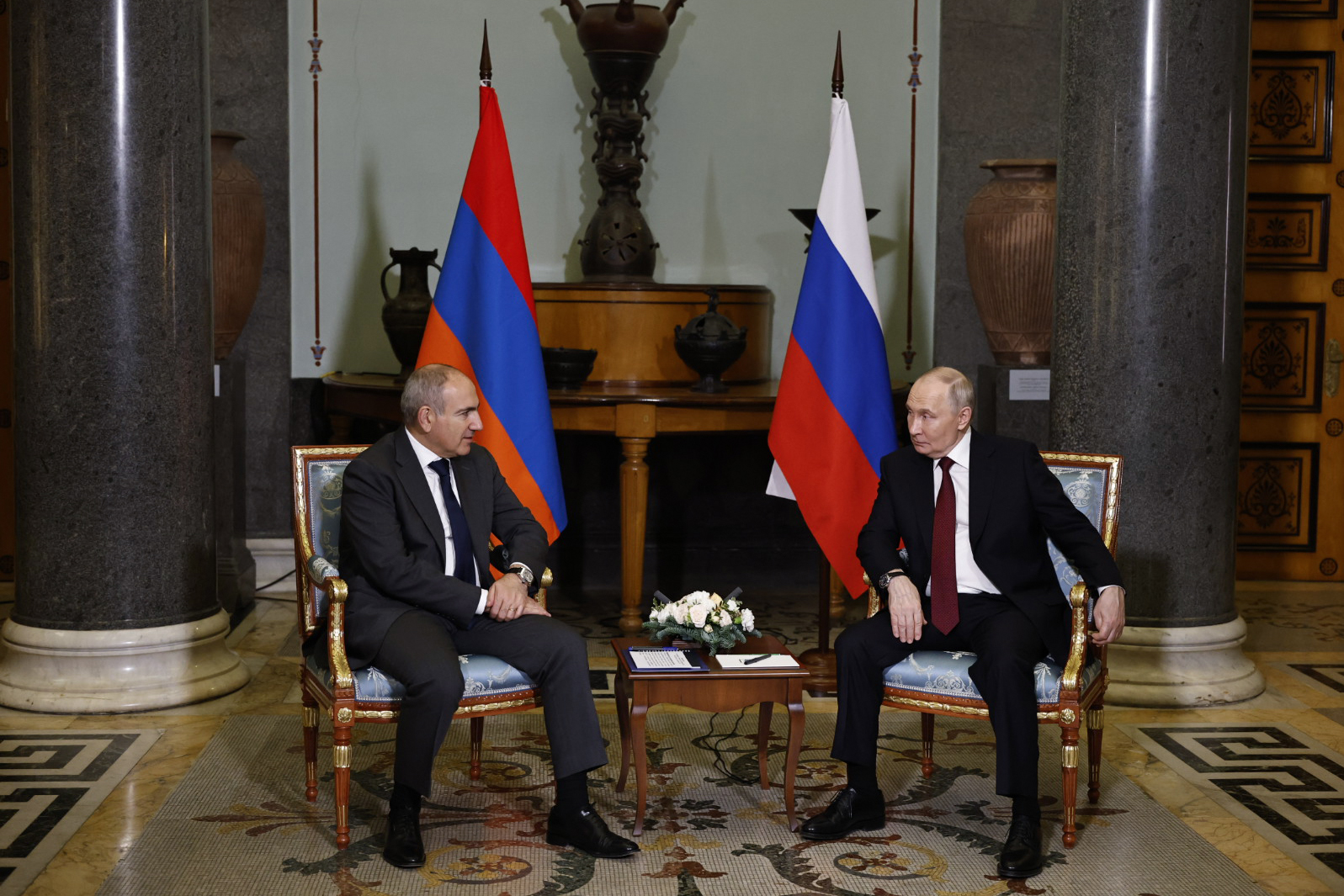
Prime Minister Nikol Pashinyan has already appealed to Russia, calling on it to “urgently undertake the restoration of the railway section from Yeraskh to Nakhchivan and from the village of Akhurik to the Turkish border”. According to the Armenian prime minister, he will soon also ask the Russian side to restore the railway line from Ijevan to Azerbaijan’s Gazakh.
Armenian analysts stress that, in doing so, the Armenian authorities are trying to demonstrate to Russia that this is the maximum role it can expect to play. Russia’s participation in TRIPP is not being considered.
It is impossible to fully bypass South Caucasus Railway because of geography. In some sections, the route is so narrow that only a single line can operate — and that line belongs to SCR. Changing management would be a political decision. As a result, Armenia will need to establish a workable format of interaction with the company.
Unlike the Ijevan line, the TRIPP railway will be built from scratch by an Armenian–American company or by a contractor with delegated powers. Armenia and the United States will later determine the management model. For now, discussions focus on the developer’s legal status, the route, and issues of control and operation.
The authorities say that implementing TRIPP will be a priority in 2026. Construction is planned to begin in the summer, once all parameters have been agreed. It is likely to start before the elections scheduled for June.
Passenger services are currently ruled out because Azerbaijan’s borders remain formally closed. The duration of the quarantine restrictions has been repeatedly extended since the COVID-19 pandemic. Baku may be doing this to postpone discussions on passenger traffic and return to the issue later on terms more favourable to itself.
Dialogue in Track 1.5 format
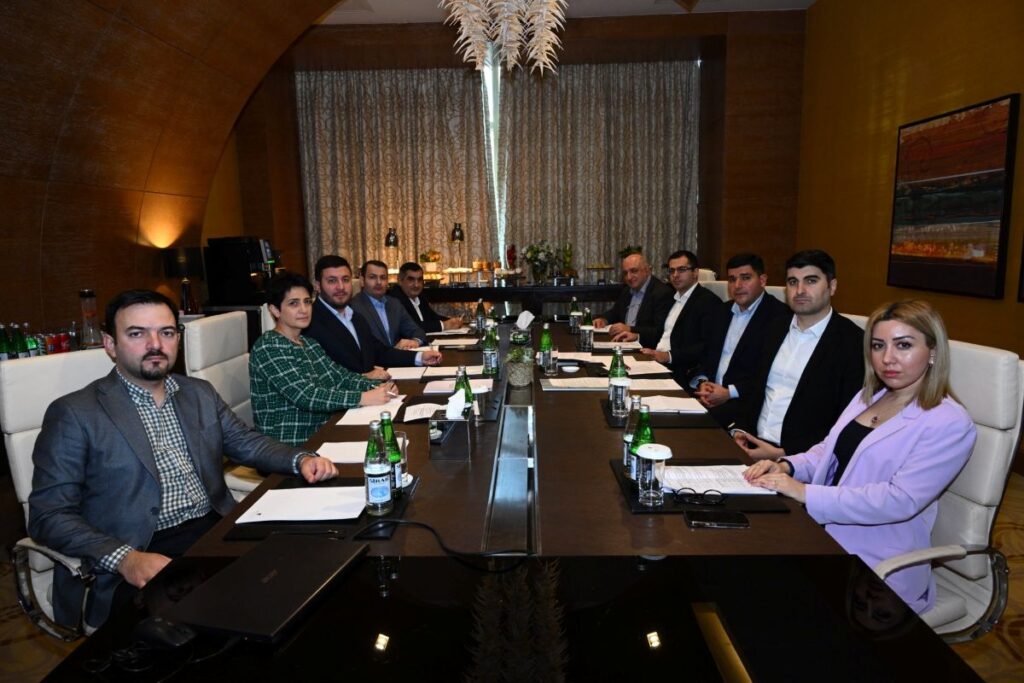
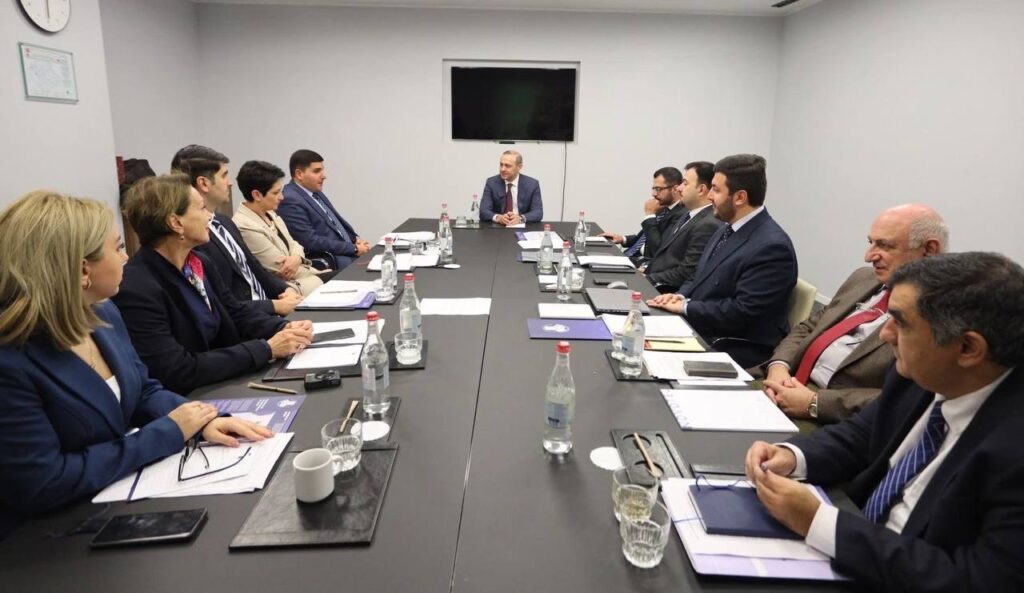
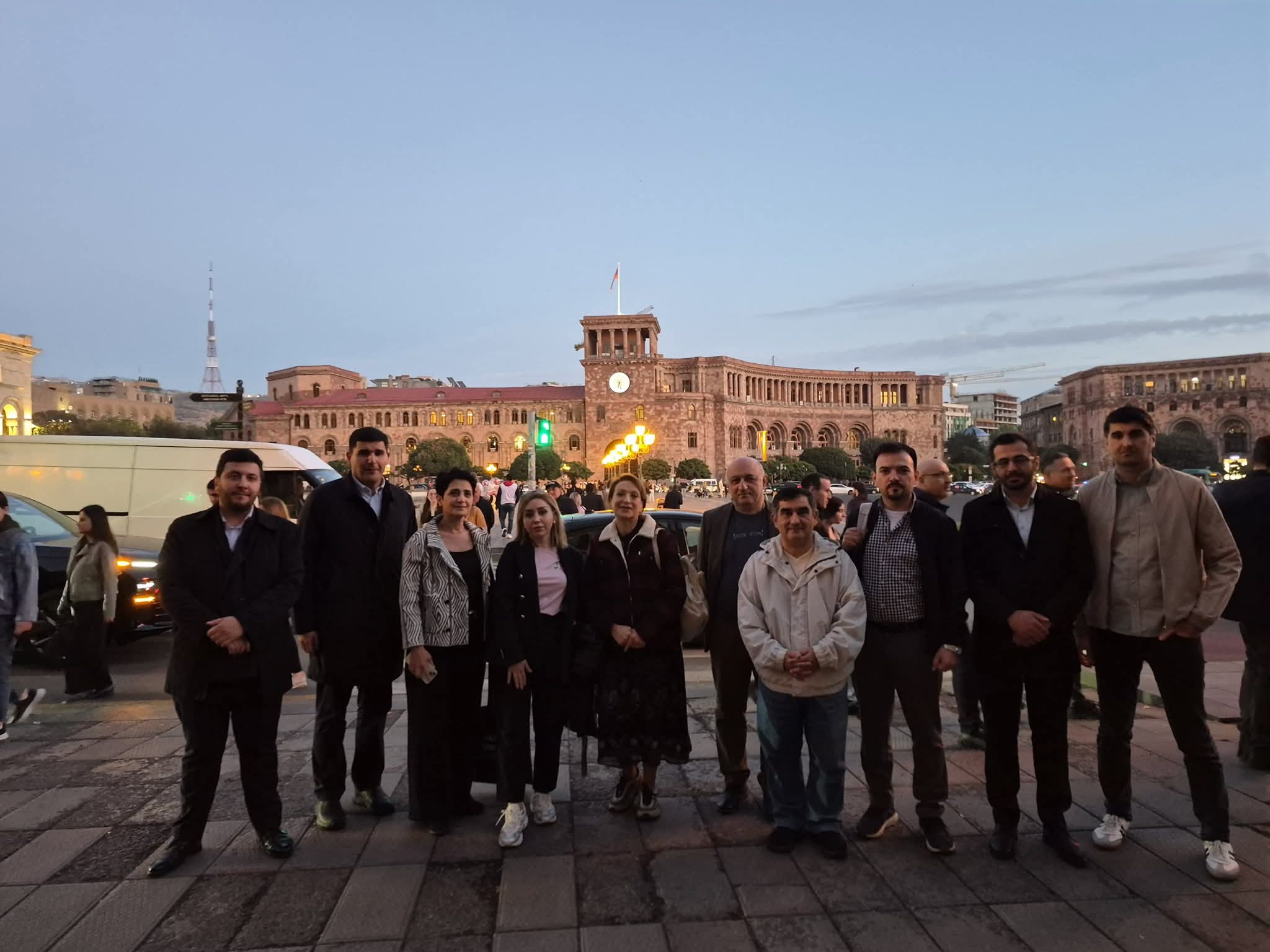
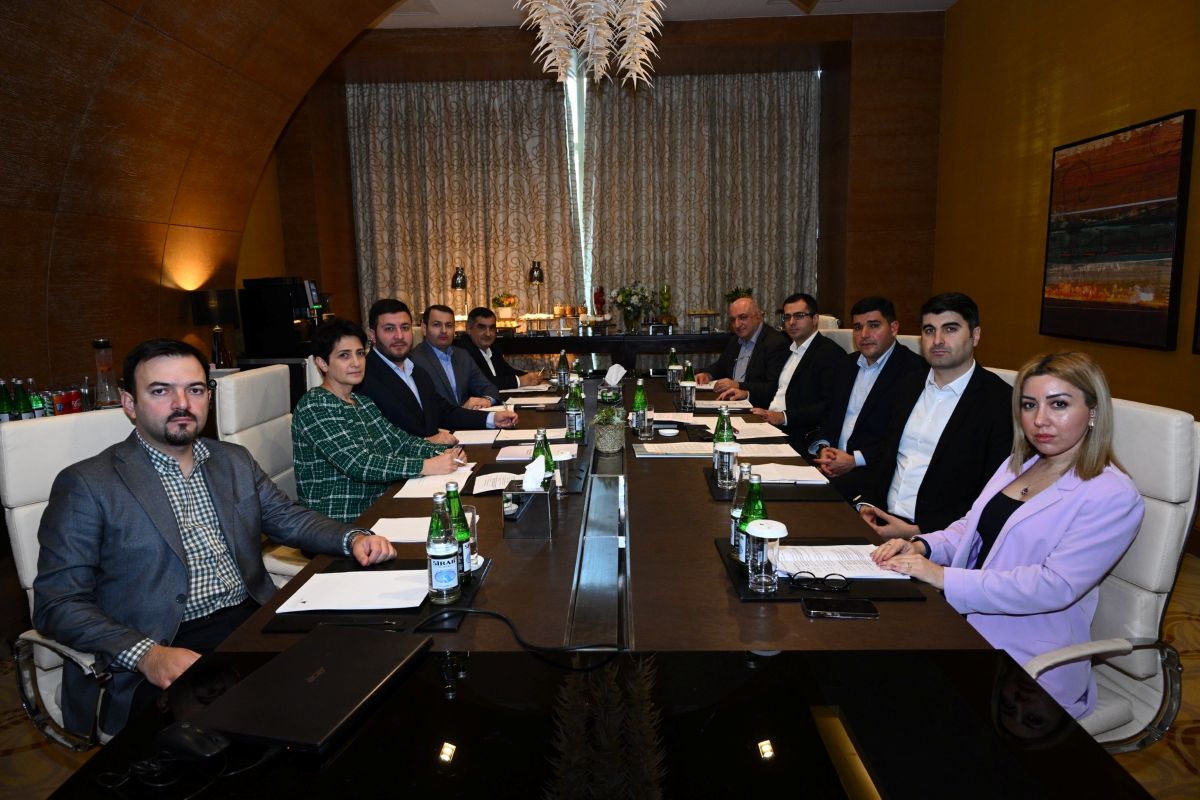
After the Washington summit, a dialogue began between Armenian and Azerbaijani experts. On 21 October, a delegation from Azerbaijan arrived in Yerevan. The meeting of representatives of civil society from Armenia and Azerbaijan sparked heated debate in Armenia. Social media users wrote that “the genuine representatives of Azerbaijani civil society are either in prison or have left the country, while ‘experts’ close to the authorities have come to Armenia instead”. Particular outrage was caused by the fact that the Azerbaijani delegation included Dilara Efendiyeva, who is known in Armenia for having taken part, since December 2022, in the blockade of the Lachin corridor linking Nagorno-Karabakh with Armenia.
A month after the visit by the Baku delegation, a group of Armenian participants in the initiative travelled to Azerbaijan. Because of the equal number of experts from each side, the initiative was dubbed the “Bridge of Peace 5+5”. Efendiyeva did not take part in the meeting in Baku. At a press conference after returning from Azerbaijan, the Armenian experts said she had been absent “for personal reasons, and the issue of her further participation will be decided by the Azerbaijani side”.
The dialogue within the initiative is being conducted in the Track 1.5 format. This term is used to describe meetings between experts, including people close to government circles and officials.
Track 1 refers to official, direct negotiations between governments and national leaders, while Track 2 denotes informal, civil society dialogue.
“In the case of Azerbaijan and other authoritarian states, the close link between civil society and the authorities makes it possible to discuss and resolve certain issues more quickly. There is also an opportunity to influence political decisions,” said Armenian participant Samvel Meliksetyan after the first meeting.
Overall, the Armenian group of experts believes the initiative has become a symbol of the restoration of dialogue between the civil societies of the two countries.
Boris Navasardyan, political analyst
Track 1.5: the most effective dialogue format at this stage
“The trip to Baku demonstrated the sides’ interest in expanding dialogue involving not only officials, but also experts and civil society. At the same time, it is impossible to resolve issues within the normalisation process without interaction with the authorities — and this is precisely what the Track 1.5 format provides. It is the most effective format under current conditions. Studies conducted in 2019 and 2025 confirm that without contacts with official structures, advancing dialogue initiatives is extremely difficult.
A shared understanding among the authorities, experts and civil society of the need for a joint platform has given particular significance to the reciprocal visits to Yerevan and Baku. Despite scepticism, the Track 1.5 format has proven workable, even though it does limit complete freedom of expression. The dialogue was conducted within an agenda of interest to official structures, and at this stage the participants’ expectations were met.”
Broad agenda with constraints
“The agenda included key issues of the official negotiations: a peace agreement, the establishment of interstate relations, the unblocking of communications, and border delimitation. Humanitarian topics were also discussed, as well as the role of the media — so that they would not add fuel to the fire but instead contribute to the process of normalising relations.
In addition, we raised the issue of the fate of persons held in Azerbaijan. The Azerbaijani side, for its part, was more interested in those missing since the time of the First Karabakh War. We also have such a list. This issue can be addressed by official bodies and human rights organisations, especially given that there has been relevant experience since the 1990s.
Finally, the agenda included the issue of interaction between populations in border areas. There are prospects for cross-border trade, but at present there are problems with bank transfers.
Issues of ecology and the efficient use of natural resources were also discussed, in particular the joint use of water resources.
During the discussions, issues of economic and cultural cooperation were, of course, also touched upon. Discussion of all these topics began in Yerevan and continued in Baku.
In Baku, we became convinced that discussions in the expert ‘5+5’ format are reaching decision-makers in an appropriate manner. This fundamentally distinguishes the current process from previous attempts at dialogue by independent experts.
The next, possibly key, question is whether these initiatives will translate into concrete actions, which will make it possible to judge their effectiveness.
There were also topics that were deliberately not brought into active work due to the lack of clear prospects for their resolution, despite both sides recognising their relevance. Such issues include, in particular, the widely discussed public topic of persons held in Baku. Despite an understanding of the negative impact these issues have on the normalisation process, there are currently factors that do not allow a move towards practical steps. However, this does not mean that there is no awareness of the problem.
It is still premature to speak of a full settlement of the conflict, but the current dialogue is fundamentally different from previous formats.
Previously, contacts between experts either had no impact on the official process or remained closed and confidential. The ‘Bridge of Peace 5+5’ initiative seeks to bring together public initiatives with the interests of decision-making structures and to involve broader segments of society in the process. Its effectiveness can be assessed by the emergence of practical steps — the creation of sectoral expert groups and specific proposals that are in demand by official structures. It is precisely such results that will serve as a real indicator that the process is meaningful.
No rapid changes expected
“Expanding the initiative is a natural process. As the range of issues broadens, new specialists and organisations from different fields should be brought into the process. This, in turn, requires the creation of appropriate platforms.
When speaking about policy asymmetry in the two countries, it is necessary to assess not how it affects the dialogue, but how the dialogue itself can influence the situation.
Rapid changes, especially in such conservative areas as, for example, education in Azerbaijan, should not be expected. Accordingly, such issues are not considered priorities at this stage.
However, the development of practical interaction between societies in the humanitarian, economic, and cultural spheres is capable of gradually reducing the level of mutual hostility in rhetoric and the intensity of negative perceptions of one another. It is precisely changes in everyday life that should become the starting point of the normalisation process.”