Deutsche Bank leak: Bank linked payments to Trump companies in Baku to ‘Azerbaijani Laundromat’


Trump-linked companies in Azerbaijan
According to documents leaked from Germany’s largest bank, Deutsche Bank, between 2014 and 2020 the bank repeatedly flagged as suspicious payments received by two companies linked to Donald Trump‘s hotel project in Baku. Some of the funds came from companies associated with a money-laundering scheme known as the “Azerbaijani Laundromat”.
The findings were reported in an international journalistic investigation, Inside Deutsche Bank, published on 17 November. More than 200 journalists from over 50 media outlets took part in the investigation. The section focusing on Azerbaijan was published by the Russian-language investigative outlet iStories.
The journalists obtained more than 15 million internal bank files, including email correspondence, client documents and risk assessment materials. The files were provided by two whistleblowers to journalists in India and South Africa.
Trump’s unfinished skyscraper in Baku has been the subject of numerous reports in the past. This time, however, the investigation focused on a different question:
Where did the funds that the bank considered suspicious come from, and what do these findings reveal about the money-laundering scheme known as the “Azerbaijani Laundromat”?
Unfinished skyscraper in Baku
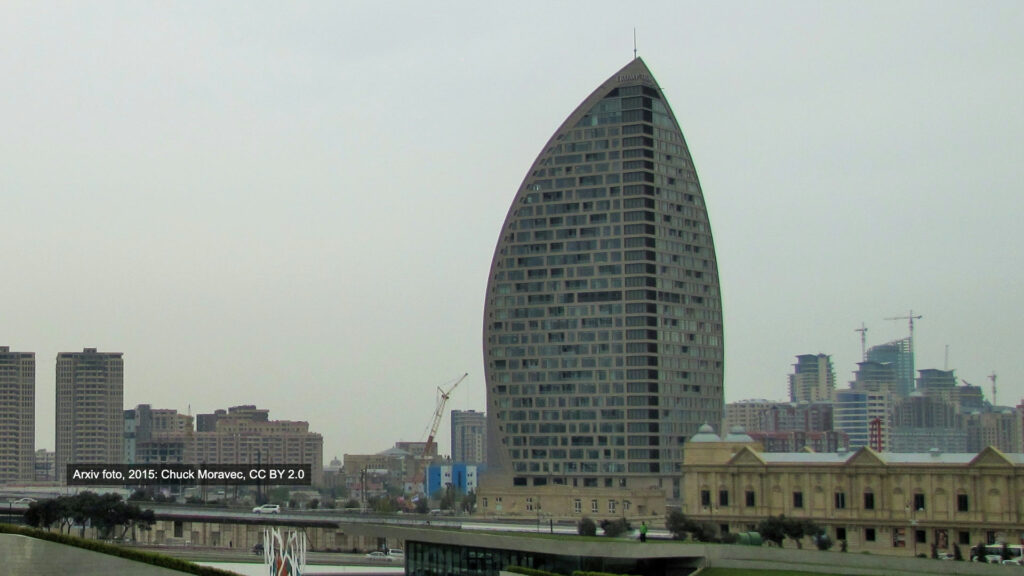
The project in question is the 33-storey Trump International Hotel & Tower complex in Baku, construction of which began in 2012. However, the building was never put into operation. Trump’s partners in the project were relatives of Azerbaijan’s then Transport Minister Ziya Mammadov. As iStories notes, the family amassed a multimillion-dollar fortune through government contracts.
Trump’s company withdrew from the project in late 2016. According to Trump’s financial disclosure, he received around $2.5m for managing the project in 2015 and just over $300,000 in 2016. In 2017, the Trump Organization told The New Yorker that Trump had played a “passive role” in the project and had merely licensed the use of his name.
The project was managed by two US companies, DT Marks Baku and THC Baku Services. It is their bank accounts that are covered by the documents obtained by journalists through the leak.
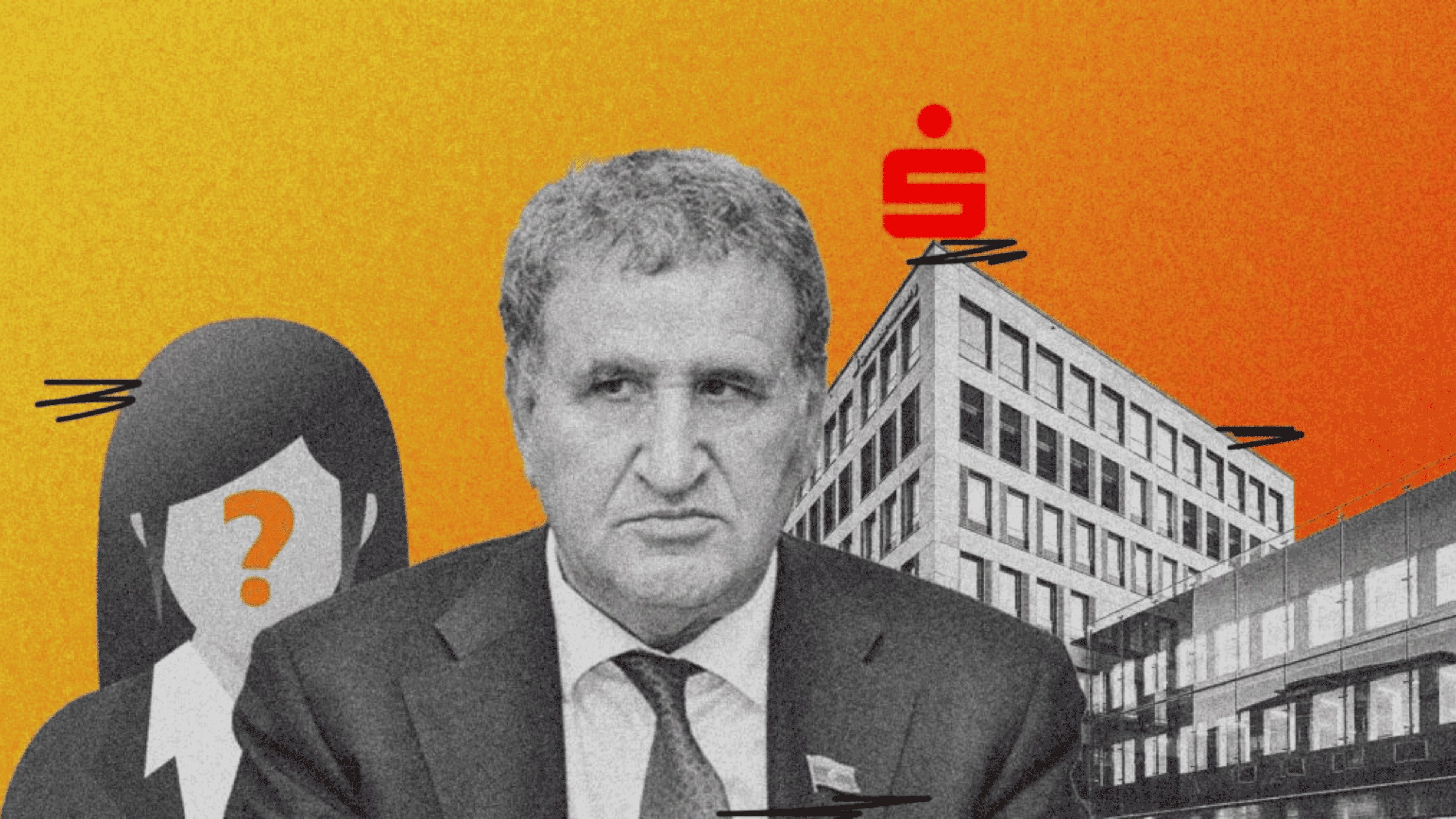
Which transactions did the bank consider suspicious?
According to iStories, Deutsche Bank first flagged a payment to DT Marks Baku as suspicious in August 2014. The funds came from an unnamed client of Danske Bank’s Estonian branch. Deutsche Bank was unable to establish the purpose of the payment or the nature of the relationship between the sender and the recipient.
In April 2015, THC Baku Services received just over $141,000 from Faberlex, a UK-registered shell company. Faberlex was one of the key participants in the money-laundering scheme known as the “Azerbaijani Laundromat”.
The bank continued to identify suspicious payments in subsequent years. As reported by the Dutch investigative platform Follow the Money, Deutsche Bank’s internal analysis linked the funds to both the “Azerbaijani Laundromat” and a Russian money-laundering network associated with oligarchs close to the Kremlin.
According to an internal bank document dated May 2020, the total value of suspicious transactions involving the accounts of Trump’s companies in Baku exceeded $3m.
What was the ‘Azerbaijani Laundromat’?
The “Azerbaijani Laundromat” was a money-laundering scheme exposed in an investigation published in September 2017 by the Organised Crime and Corruption Reporting Project (OCCRP), an international investigative journalism network.
According to the investigation, around $2.9bn was transferred through UK-registered shell companies between 2012 and 2014, primarily via the Estonian branch of Danske Bank. Journalists found that some of the funds were channelled to European politicians, while others were spent on luxury goods and other expenses of members of the elite.
The Azerbaijani authorities rejected the investigation’s findings at the time. Presidential spokesman Azer Gasimov described the investigation as “absurd and biased”. The OCCRP website was blocked in Azerbaijan.
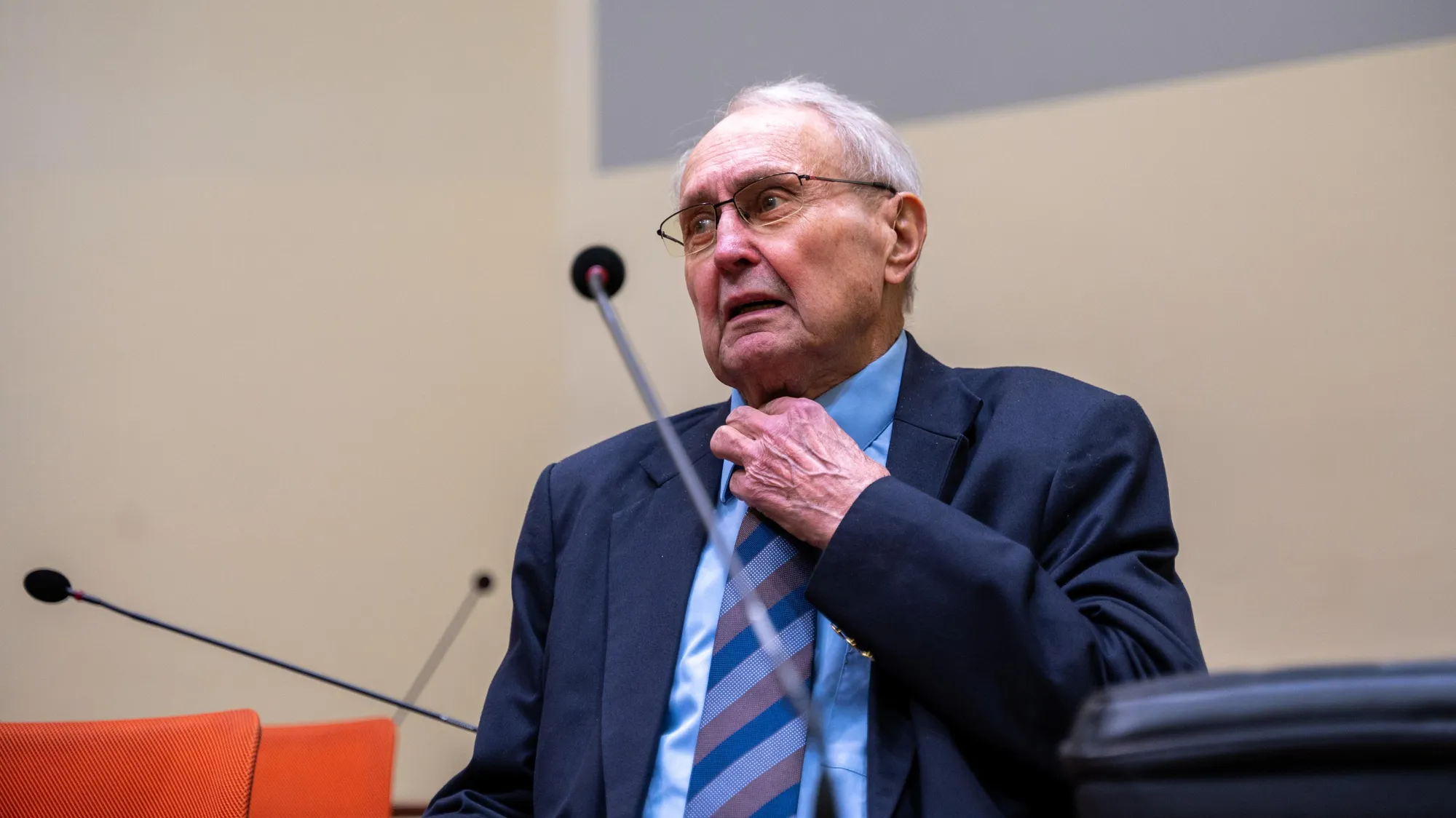
In subsequent years, European courts handed down several sentences in cases linked to the scheme. In 2021, former member of the Parliamentary Assembly of the Council of Europe (PACE) and Italian politician Luca Volontè was sentenced to four years in prison for accepting bribes from Azerbaijani officials. According to iStories, the funds were transferred to him through Faberlex.
Former German Bundestag members Eduard Lintner and Axel Fischer also received suspended prison sentences for accepting bribes in connection with lobbying for Azerbaijan’s interests.
According to the documents, Faberlex and two other companies involved in the scheme, Hilux Services and Polux Management, were formally owned by Maharram Ahmadov, a driver from Baku.
What is the situation now?
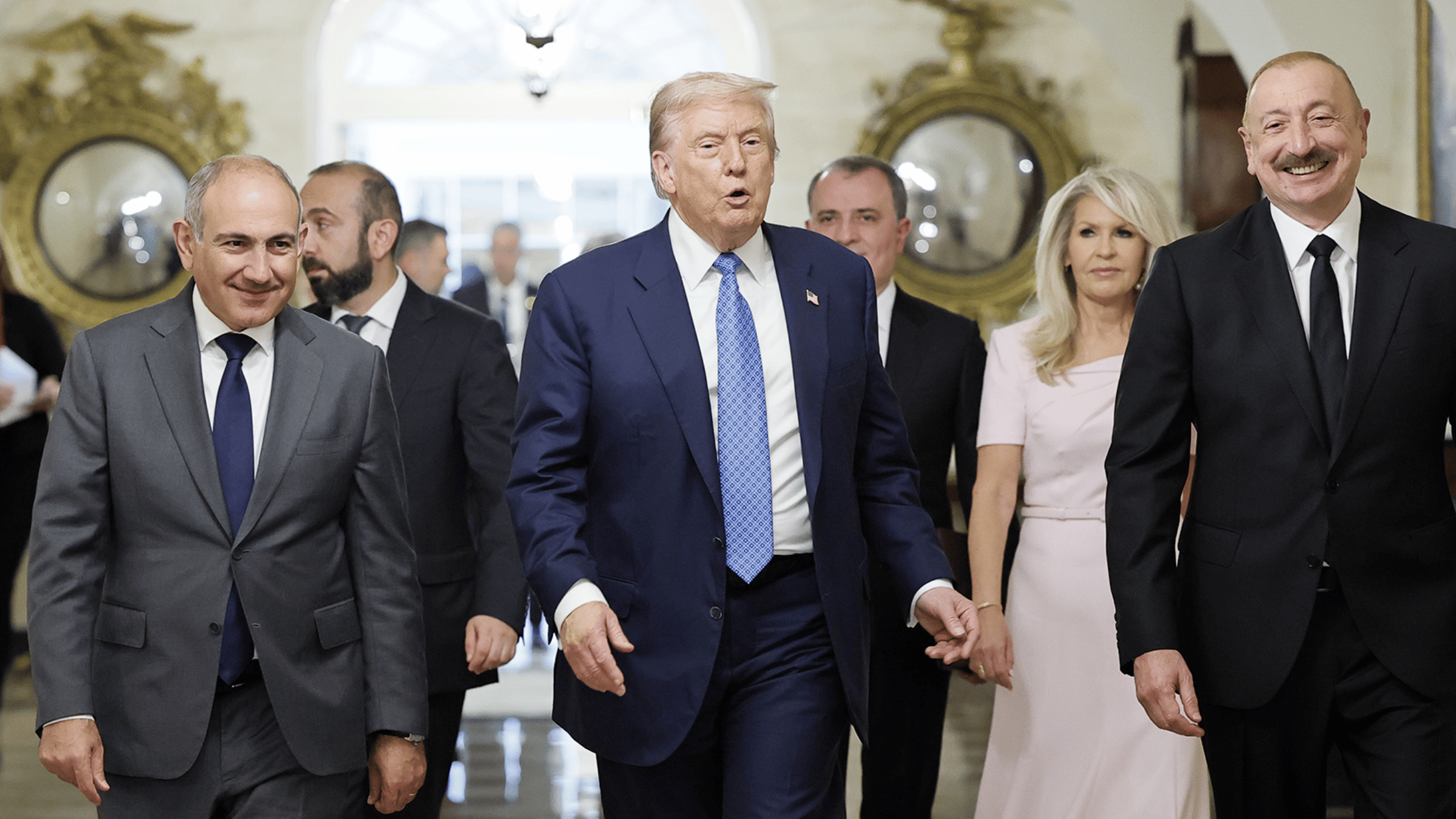
The document leak comes amid closer ties between Trump and Baku. In August 2025, Azerbaijani President Ilham Aliyev signed a joint declaration at the White House with Donald Trump and Armenian Prime Minister Nikol Pashinyan.
Deutsche Bank said that the law prohibited it from disclosing information about suspicious transaction reports. In response to journalists’ questions, the bank noted that the events in question had taken place “many years ago”, stressing that “we are a different bank today”.
The Trump Organization did not respond to journalists’ questions, while the White House referred them to the company. Danske Bank said that money laundering “should never have happened” and noted that the case had been closed in 2022 following decisions by the Danish and US authorities.
The Azerbaijani authorities have yet to comment on the newly leaked documents.