Armenian parliament ratifies framework agreement on Trump Route (TRIPP) project




Armenia ratifies agreement on TRIPP project
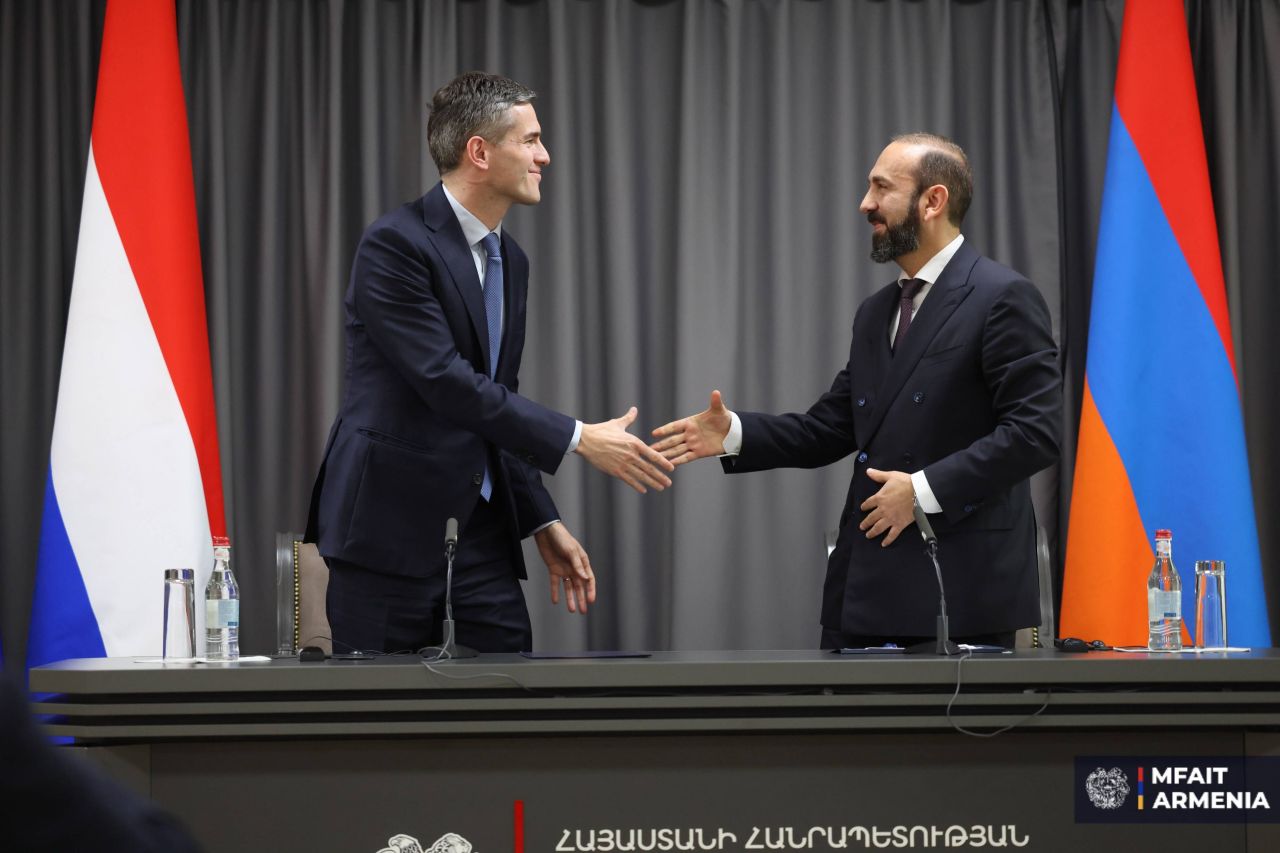
The parliament of Armenia has ratified a framework agreement on strategic co-operation under the Trump Route for International Peace and Prosperity (TRIPP) project. The parties initialled the document during Marco Rubio’s visit to Yerevan on 26 May 2026 and signed the final version remotely just a few days later.
TRIPP (Trump Route for International Peace and Prosperity) is a road that will connect Azerbaijan with its Nakhchivan exclave through Armenian territory. The project also aims to reopen regional transport links. As a result, Armenia will gain access to third countries via Azerbaijan.
For several years, Yerevan and Baku could not agree on this issue. Azerbaijan demanded a road that it called the “Zangezur corridor”. Armenia’s authorities said they were ready to reopen all transport routes but rejected the term “corridor”, arguing that it implied a loss of Armenian control and sovereign rights over the territory.
The two sides reached an agreement only on 8 August in Washington. Under the deal, the road will remain under Armenia’s sovereign control, while the US will join the project as a business partner. The initiative took the name “Trump Route” after the US president, who mediated the agreement.
Parliament ratified the agreement with 63 votes in favour and 32 against. Only MPs from the ruling faction supported it.
The parliamentary opposition had announced in advance that it would vote against ratification of the framework agreement. Opposition MPs argued that the document took US and Azerbaijani interests into account but failed to protect Armenia’s interests.
MPs from the ruling faction, by contrast, believe the project will reopen regional transport links on the basis of reciprocity. In their view, this would benefit Armenia economically. The opposition disagrees, pointing to the lack of any financial assessments.
Debates on ratifying the TRIPP project began in parliament the previous day. MPs had only two hours for the discussion. However, opposition lawmakers managed to raise all their concerns and put forward several proposals.
- Head of US-based TRIPP+ foundation holds talks in Armenia: Key takeaways
- Trump Route: Western illusion or turning point in South Caucasus?
- “Trump Route” will create conditions for new investment in Armenia – economist
Opposition MP on the interests of the US, Armenia and Azerbaijan
Anna Grigoryan, head of the opposition Armenia faction, noted that Armenia and the United States had signed a bilateral document concerning the implementation of TRIPP. However, she said, the document also refers to a third party — Azerbaijan.
“Azerbaijan’s interests are actually reflected in this document more directly and clearly than the interests of the Republic of Armenia.”
Grigoryan also outlined what she believes each side stands to gain from the project.
“The US gains a direct presence in the region, particularly along the border with Iran, in a strategically crucial area. Azerbaijan secures a link between Nakhchivan and the rest of the country — a goal that both Azerbaijan and Turkey have long pursued.”
When asked what Armenia stands to gain, she said the question was harder to answer.
“When the political majority tries to answer this question, the first word they use is ‘unblocking’. But on the ground, no transport links are being reopened and no borders are opening. So that part of the answer does not reflect reality.”
Should the launch of TRIPP be linked to the signing of a peace treaty?
Narek Karapetyan, leader of the opposition Strong Armenia faction, is concerned that Azerbaijan may lose its incentive to sign a peace treaty once the Trump Route begins operating.
“Azerbaijan gets what it set out to achieve, while what we are supposed to get — peace — could be postponed for five to ten years. Why would they sign a peace treaty with Armenia if they are already getting a link to Nakhchivan?”
Official Yerevan has not ruled out the possibility that the Trump Route could begin operating before Armenia and Azerbaijan sign a peace treaty.
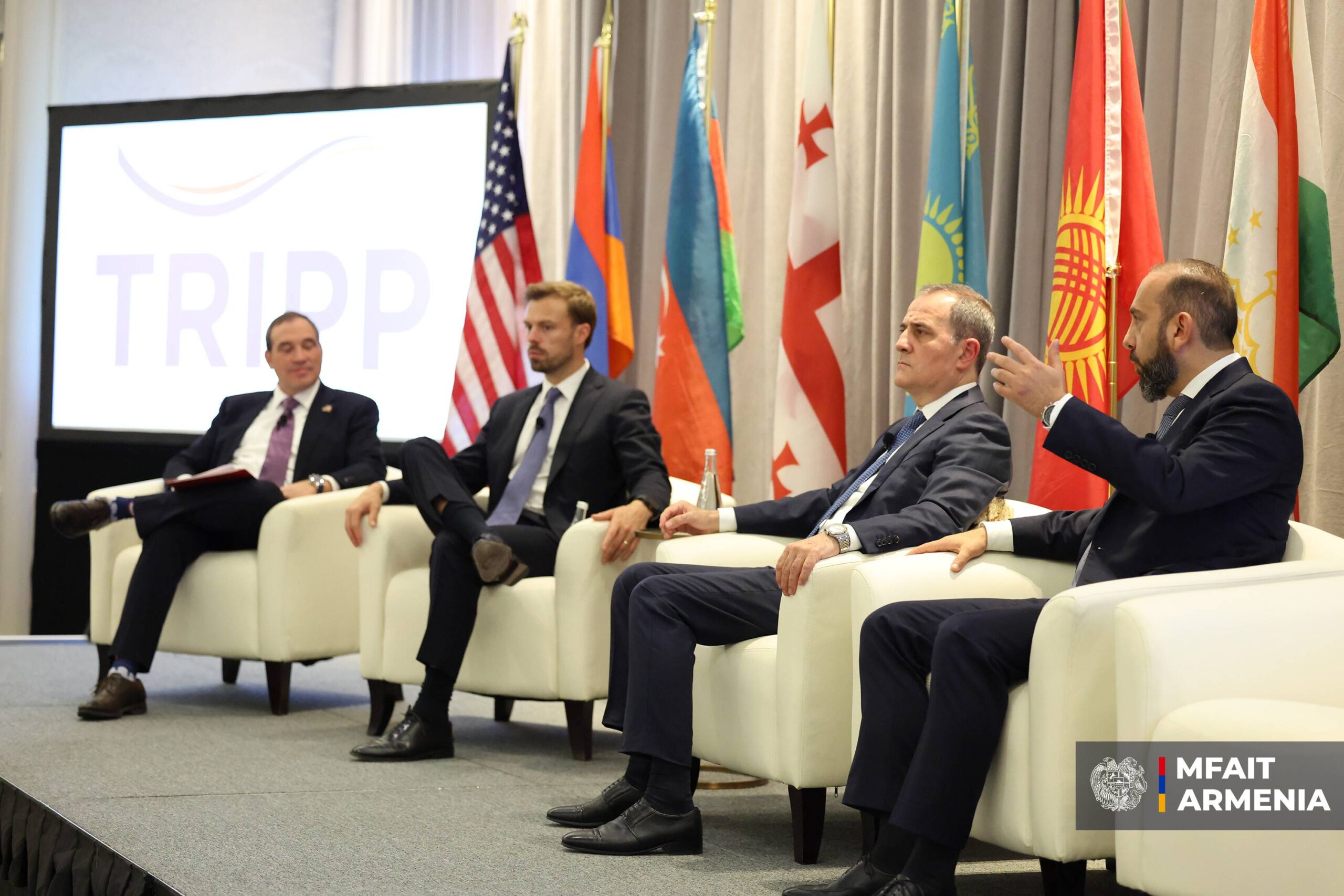
The MP argues that the two important issues should not be treated separately. He proposes linking the implementation of the Trump Route to the signing of a peace treaty.
Deputy Speaker of the National Assembly Ruben Rubinyan disagreed. In his view, it is a positive development that TRIPP can proceed without depending on the signing of a peace treaty.
“If you argue that we should not implement this project in order to secure the signing of a peace treaty, you are saying that TRIPP is a bad initiative for Armenia. But TRIPP is by no means a bad initiative for Armenia.”
The ruling party representative welcomed the prospect of “elements of peace taking shape on the ground” independently of the peace treaty. By “elements of peace”, Rubinyan means both the launch of the Trump Route and the ongoing process of delimiting and demarcating the border between the two countries.
Background to the Trump Route project
The Trump Route offers Armenia a real opportunity to reopen regional transport links. For Azerbaijan, it provides the shortest route connecting the country with Nakhchivan.
The project envisages using the railway along a stretch of about 43km through Armenian territory. A motorway, energy infrastructure and digital communications links will also run through the area.
All infrastructure located on Armenian territory will remain under Armenia’s sovereignty and jurisdiction.
The ratified framework agreement provides for the establishment of TRIPP Development Company, which will oversee the project’s development and implementation.
Initially, the US will own 74% of the company’s shares and Armenia will hold 26%. After 49 years, if the parties extend their co-operation for a further 50 years, Armenia’s stake will rise to 49%. Armenia will grant TRIPP Development Company exclusive rights to use and develop land, along with other necessary powers within the areas allocated to the project, for 49 years.
Armenia and the US still need to agree on and adopt the company’s charter and shareholder agreement.
It also remains unclear what border-crossing arrangements will apply to Armenian citizens travelling through Nakhchivan.
Foreign Minister Ararat Mirzoyan said the two sides had yet to agree on the technical details of travel through Azerbaijani territory.
“We still need to discuss these issues with Azerbaijan. They fall within the framework of Armenia–Azerbaijan relations.” Armenia–Azerbaijan relations.”

Armenia ratifies agreement on TRIPP project