Pashinyan on extradition of Azerbaijani soldier, meeting Aliyev and Medvedev's statement






Pashinyan on Azerbaijani serviceman’s extradition and other issues
The extradition of Azerbaijani serviceman Nasimi Musayev is not under discussion, and Baku has not made such a request. Armenian Prime Minister Nikol Pashinyan told journalists this during his traditional hour-long briefing.
“What extradition are you talking about? There is no such issue, and we are not discussing it. Azerbaijan has made no request,” he said.
At the same time, he stressed that Armenia would have returned Musayev on the same day if he had not committed a crime.
Pashinyan described the Azerbaijani serviceman, who illegally crossed into Armenia and shot a resident of the village of Shaki, as having committed an “ordinary crime”. The prime minister drew parallels with other forms of cross-border crime:
“We also have other cases of cross-border crime. Drugs are constantly exported to Armenia and transported through Armenia in transit. There is no need to turn this into an apocalypse.”
The prime minister does not believe the incident in Shaki could threaten the peace process between Armenia and Azerbaijan.
He considers the peace that Armenia and Azerbaijan have established an achievement that requires protection. He warns that they could destroy it in a day, while reaching the current state of relations could take another 30 years. For this reason, he does not consider it appropriate to make statements that could threaten the peace process.
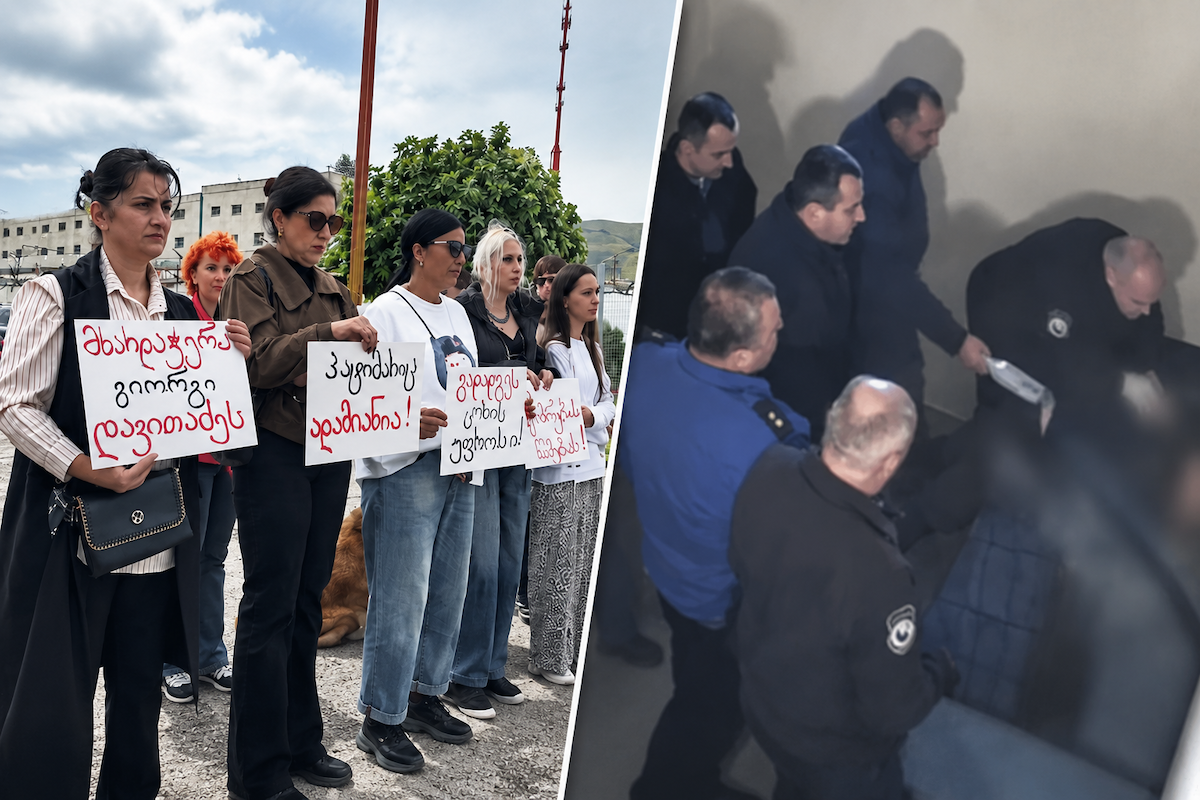
On 1 October 2026, Nasimi Musayev illegally entered the village of Shaki in Armenia’s Syunik Province. Local residents found him inside a house, where he opened fire with an assault rifle and wounded a 39-year-old woman. Her three children witnessed the incident. Her two sons also suffered injuries, while her daughter has yet to recover psychologically.
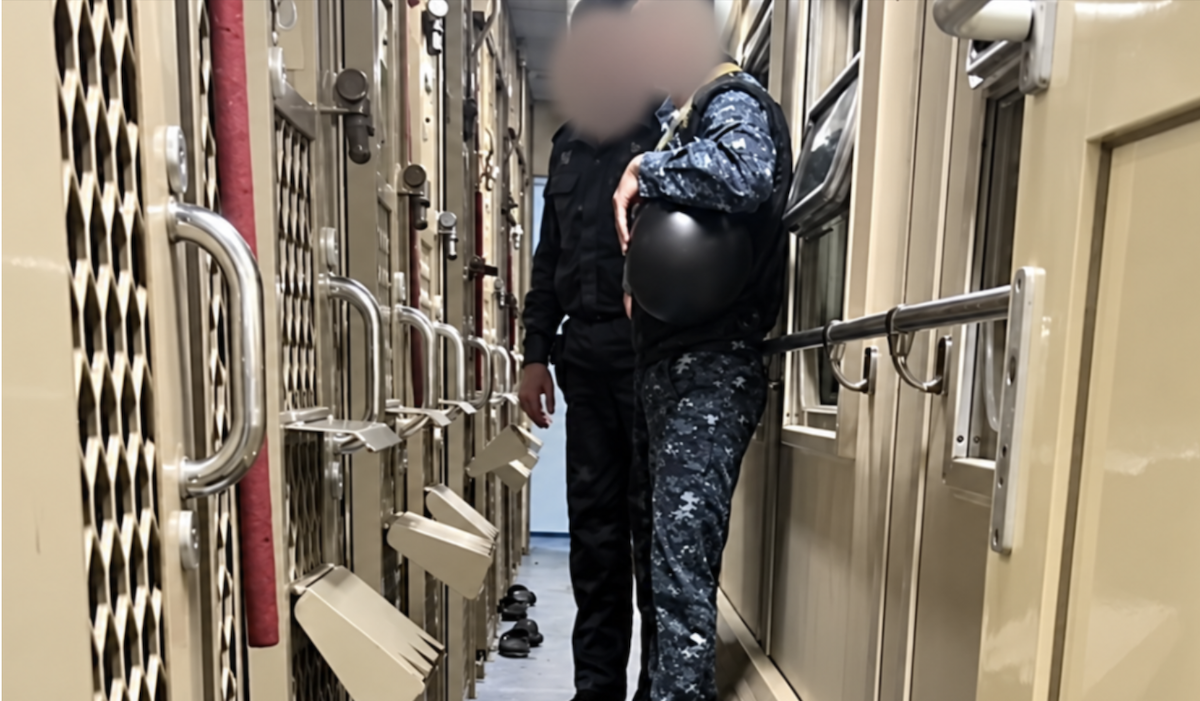
Musayev fled after the shooting, but authorities detained him shortly afterwards in another house. The Armenian Prosecutor’s Office brought criminal charges under five articles of the Criminal Code. The charges include illegally crossing the border, causing serious bodily harm to a local resident and violating the inviolability of a home. A court ordered his detention for two months.
During the briefing, the prime minister also addressed Dmitry Medvedev’s controversial statement about turning Armenia into a “new Ukraine”, a possible meeting with Aliyev at the CIS summit and the issue of missing persons.
- Opinion from Yerevan: Baku steps up pressure on Armenia with new tools
- Azerbaijani soldier enters Armenia, fires at local residents
- ‘Unresolved issues and conflicting narratives remain’ — Pashinyan on relations with Azerbaijan
“No official meetings are planned”: on contacts with Putin and Aliyev
On 8-9 October, Pashinyan will attend the CIS summit in Turkmenistan. Asked about possible meetings with the presidents of Russia and Azerbaijan, he recalled that his latest meetings with Putin and Aliyev took place in Bishkek last month. He also spoke to the Russian president by phone the day before.
“The format is such that contacts with the president of Russia and the president of Azerbaijan will certainly take place. We will be in the same place today and tomorrow. No official meeting is planned. If it turns out that such a meeting is necessary, it may take place,” he said.
“Armenia has already faced such a threat”: response to Medvedev
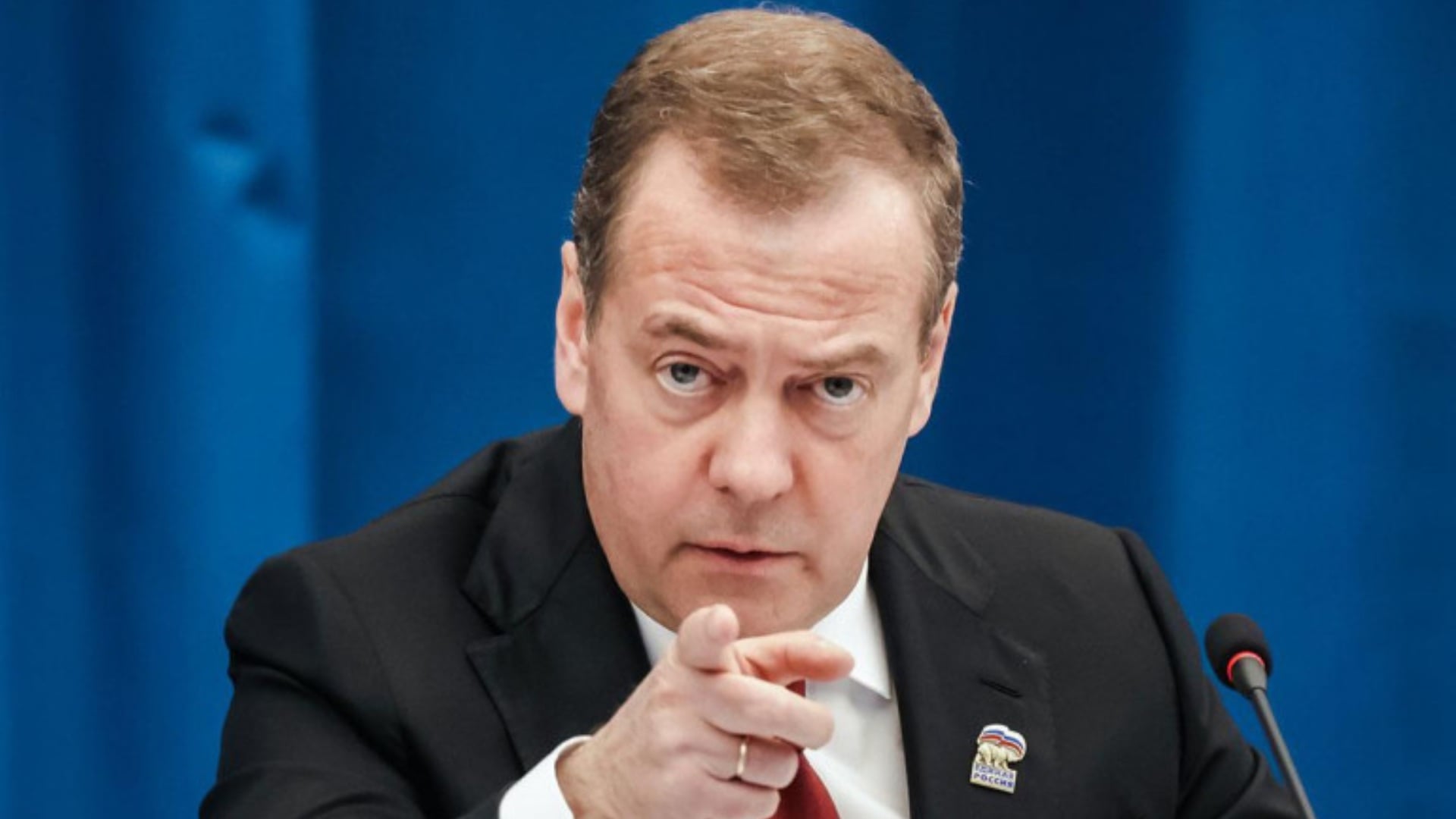
People in Armenia continue to discuss Russian Security Council Deputy Chairman Dmitry Medvedev’s statement. He said that Armenia’s leadership had decided to change the country’s course and that this would not lead to anything good.
“The worst thing that could happen to Armenia is for it to turn into a new Ukraine,” Medvedev said.
Journalists asked Pashinyan whether Armenia could face such a threat. He replied:
“Armenia has already faced a similar danger and situation. In September 2022, [during the Azerbaijani armed forces’ invasion of Armenia’s sovereign territory], the CSTO failed to fulfil its obligations.”
The Collective Security Treaty Organisation is a military alliance led by Russia. Armenia is a member of the CSTO. Under the organisation’s charter, its allies had to provide military assistance to a member state, but that did not happen.
The Armenian prime minister could not explain why Medvedev was making such statements and threats:
“Following the same logic, someone else could say: ‘We do not want Armenia to turn into a “new Russia”, given that explosions can be heard in various parts of Russia.’ This is an unfortunate genre.”
He assured that Armenia would not turn into anything else and would instead become an even more independent state.
“Some circles in Azerbaijan use this issue for political purposes”: on missing persons
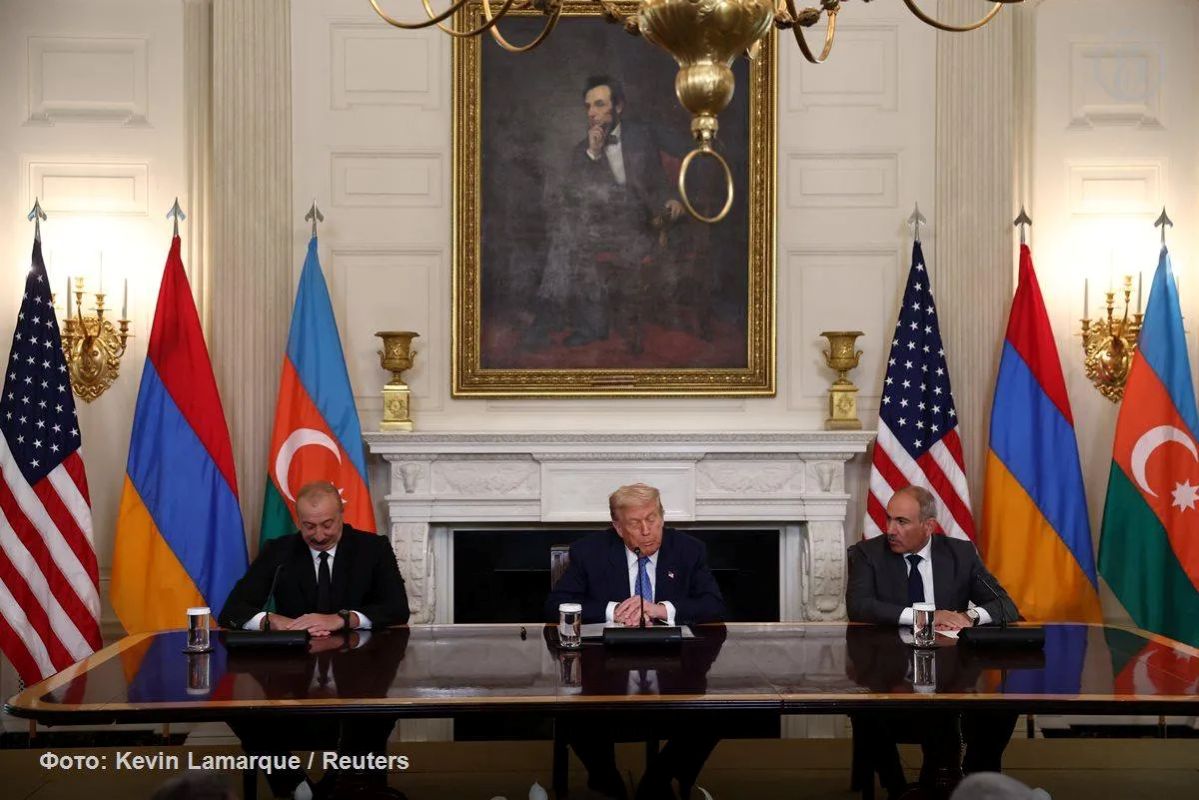
Azerbaijan periodically demands that Armenia provide information about the fate of missing Azerbaijanis and the locations of their graves. President Ilham Aliyev repeated the demand at an international conference on missing persons in Baku.
According to Armenia’s prime minister, both sides should make joint efforts to establish the fate of missing people:
“We have stated that we are ready to cooperate. The problem is that some circles in Azerbaijan use this issue for political purposes, including to generate hostile rhetoric and pursue other aims.”
According to figures Pashinyan presented, the whereabouts of around 1,000 people who went missing during wars since the 1990s remain unknown in Armenia.
He says the wording itself — “their whereabouts are unknown” — shows how little information the authorities have about these people:
“Some circles in Azerbaijan sometimes try to create the impression that we know where these people are and refuse to share the information. But that is not the case.”
Pashinyan believes the two sides should resolve the issue through cooperation and close this chapter. He said that in Bishkek, he and the Azerbaijani president also discussed stepping up joint efforts by the relevant commissions of the two countries.
Pashinyan on Azerbaijani serviceman’s extradition and other issues