‘No security guarantees’: Why Georgia’s Kamara festival was cancelled






Kamara festival cancelled in Georgia
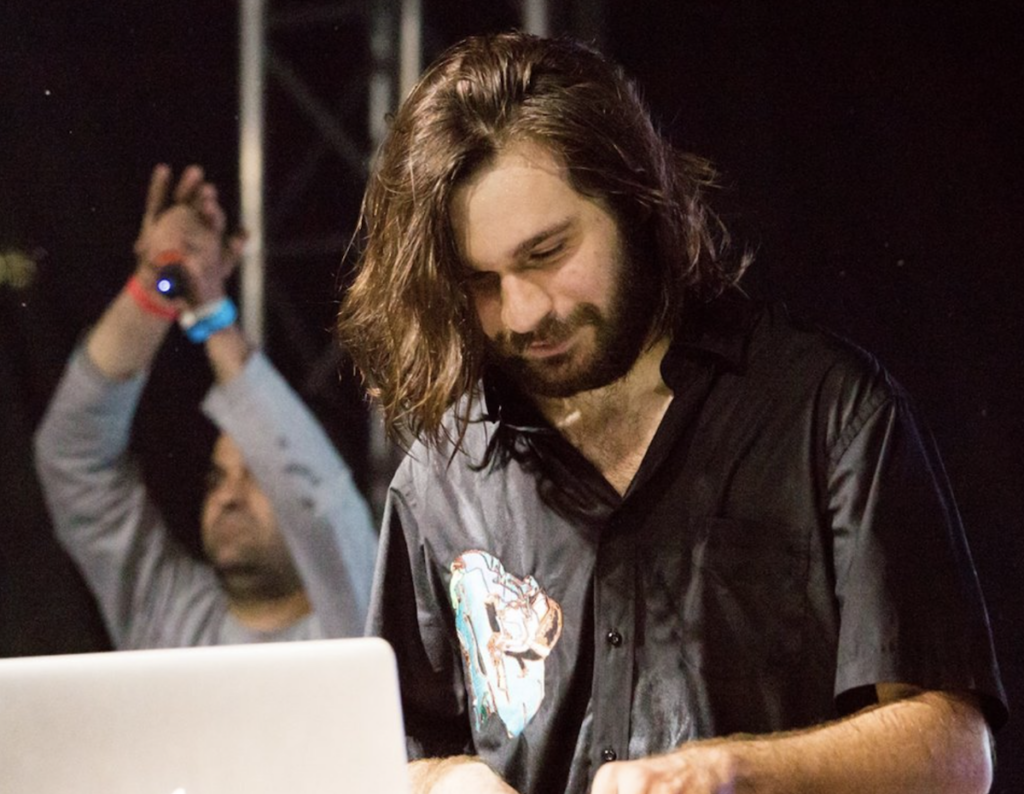
The Kamara music festival, scheduled to take place in the Georgian city of Gori on 26 September and close with a performance by opposition-minded musician Kordz, has been postponed indefinitely. The festival’s organiser, the Danish Cultural Institute, said it considered it unsafe to hold the event.
Kordz (Aleksandre Kordzaia) said he had faced attacks and threats from local authorities, members of the ruling Georgian Dream party and pro-government media.

The EU Delegation to Georgia responded to the festival’s cancellation by expressing regret. It said the Kamara festival was held as part of the EU-funded Creative Compass Georgia project and stressed that it “firmly believes in freedom of artistic expression”.
The delegation also noted that the EU had supported Georgia’s cultural sector for 30 years, including efforts to preserve the country’s cultural heritage, develop its creative industries and build links between Georgian artists and cultural organisations and their European counterparts.
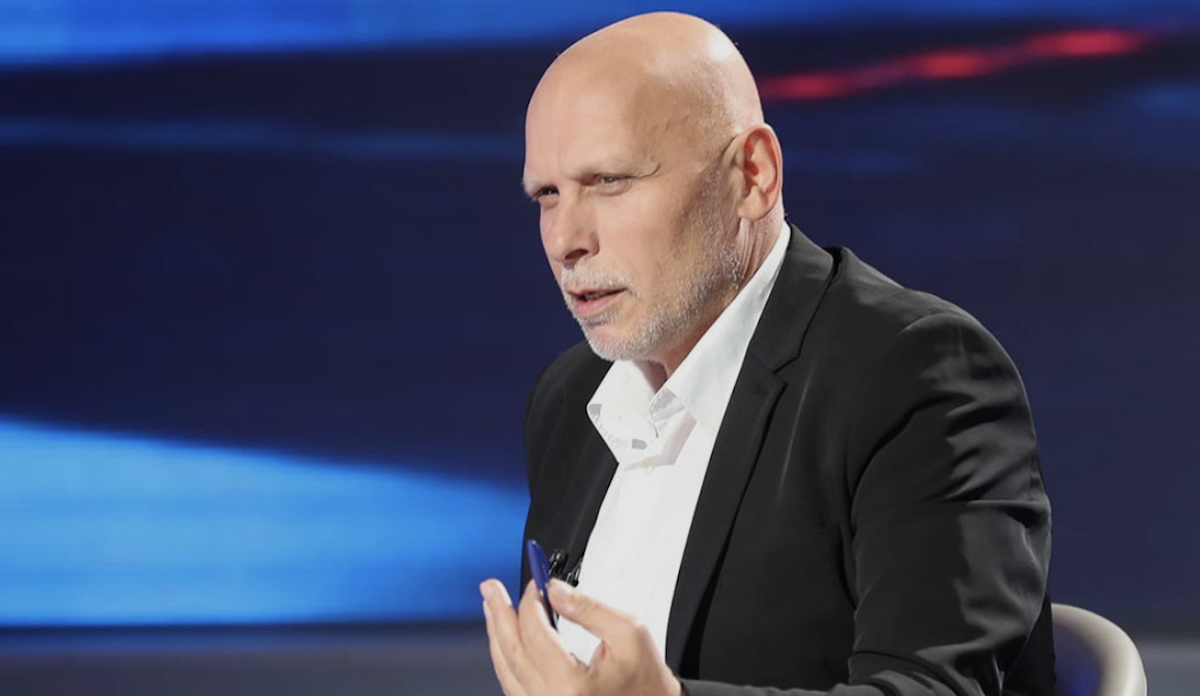
Georgian parliament speaker Shalva Papuashvili responded critically to the EU Delegation’s statement. He said he had initially hoped the EU ambassador would realise that supporting “hatred and violence” in Georgia was unacceptable, but argued that the delegation’s statement suggested otherwise.
Papuashvili was particularly critical of the EU’s reference to the importance of freedom of artistic expression. He said the EU Delegation did not understand Georgia or Georgian society.
“This statement by the delegation is a direct incitement to hate speech, insults against mothers, labelling people as slaves, fascism and radicalism. The EU embassy is encouraging this,” Papuashvili told journalists.
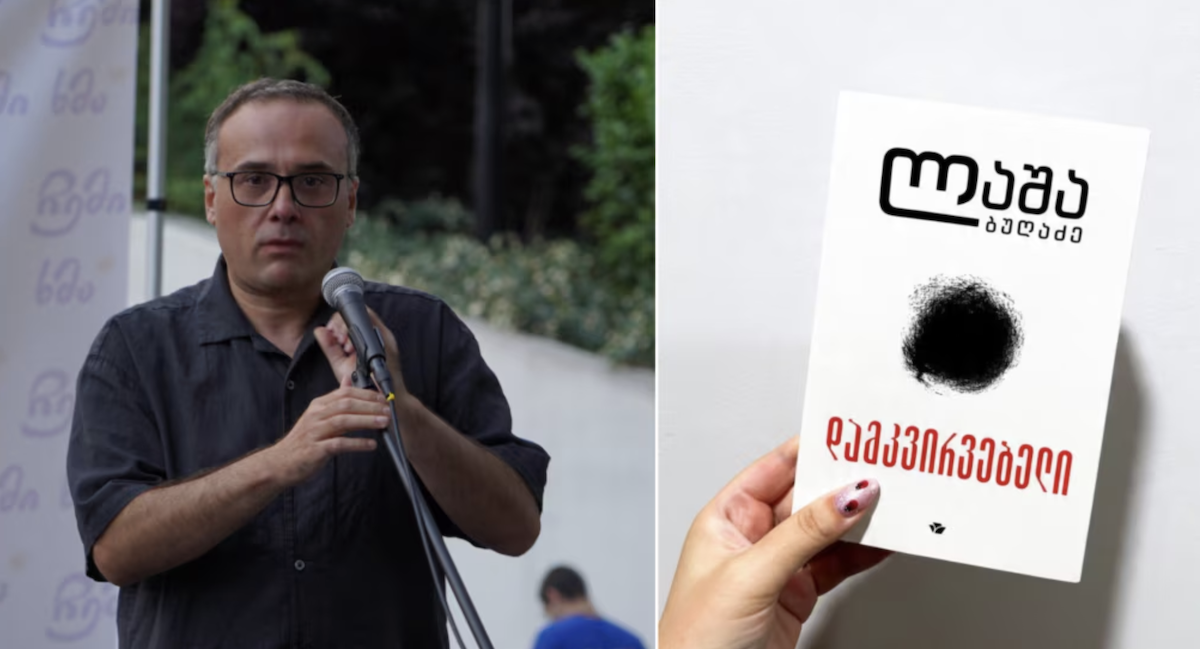
The Georgian Musicians’ Union, in turn, responded to Papuashvili’s comments and the cancellation of Kordz’s performance by expressing solidarity with the musician. It said freedom of expression for artists was not a political privilege but a fundamental right.
The union said direct attacks by public officials on an artist over his civic stance went beyond debate and became a tool of censorship.
“It is unacceptable to use official power and rhetoric to intimidate musicians or disrupt concerts,” the union said.
It described Kordz as one of the prominent figures on Georgia’s music scene and warned that restricting artists’ ability to perform in their own country because of political pressure could have a serious impact on the cultural environment.
“Art cannot exist in an atmosphere of censorship and fear,” the statement said.