

'Regional stability is main achievement': assessing Washington peace summit one year on






Washington peace summit: one year on
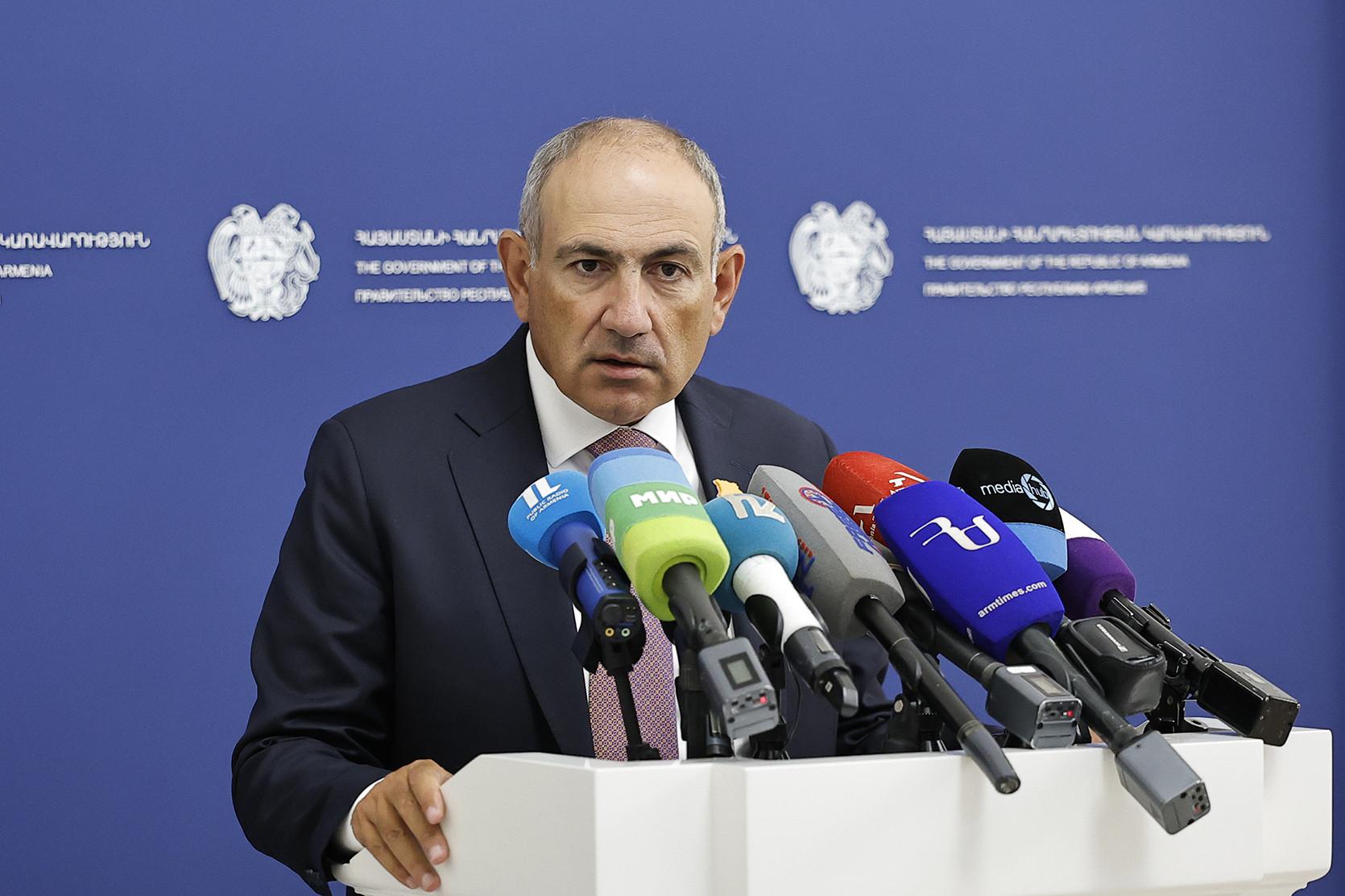
“The peace between Armenia and Azerbaijan is visible and tangible to everyone,” Armenian Prime Minister Nikol Pashinyan said in a statement marking the events of 8 August.
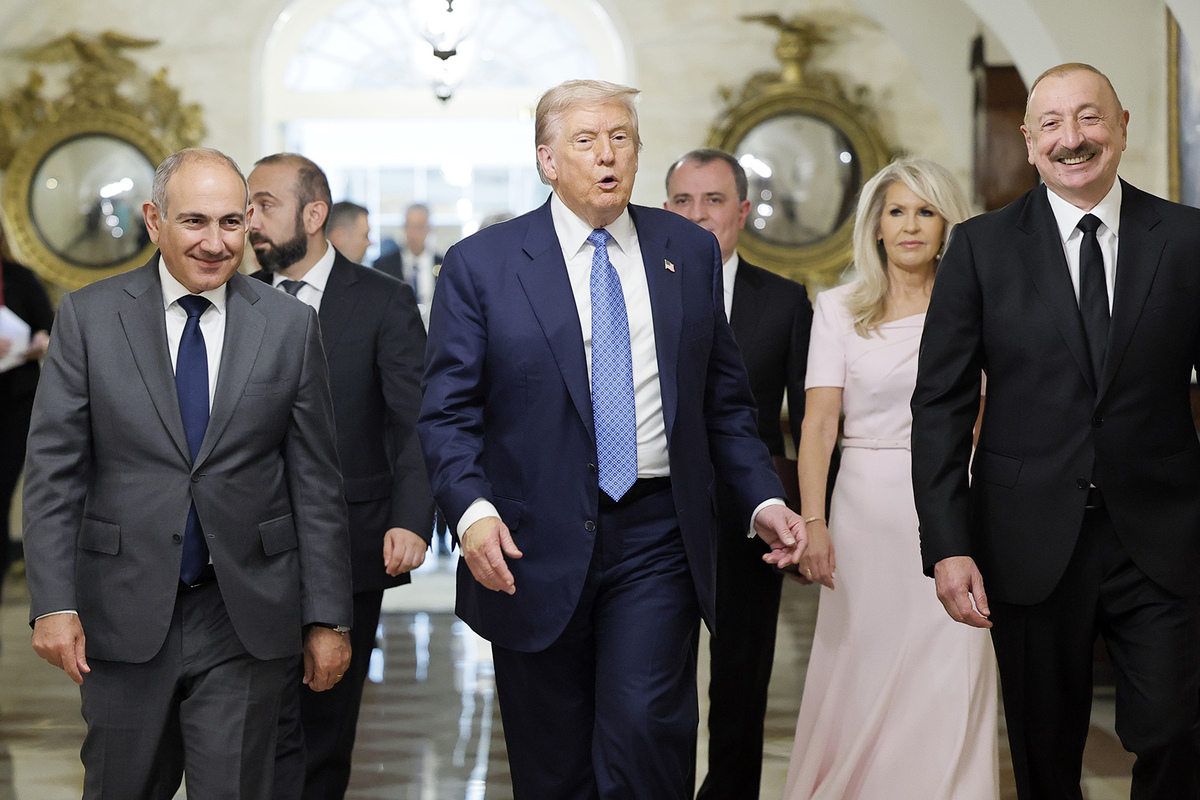
A year ago, on this day, Washington hosted a historic peace summit, with US President Donald Trump acting as mediator. Yerevan and Baku initialled a peace agreement, signed a declaration on the TRIPP project – a transit route through Armenia connecting Azerbaijan with its exclave of Nakhchivan (the “Trump Route”) – and signed a number of bilateral documents with the United States.
Pashinyan said the peace agreement “awaits signing and ratification”. He added that practical work on TRIPP would begin in the near future and become a “major regional and international event”.
The prime minister congratulated the people of Armenia and Azerbaijan on the landmark date of 8 August.
“Finally, we have a day that brings peace rather than stirs up our emotions,” he said.
US Secretary of State Marco Rubio also issued a statement, highlighting the “courage and foresight” shown by both countries over the past year.
“We look forward to further progress towards lasting and durable peace in the South Caucasus,” the secretary of state said.
Pashinyan held phone calls with Donald Trump and Ilham Aliyev.
Armenian analysts said the main outcome of the Washington summit was the establishment of stability in the region.
They noted positive developments despite what they described as Baku’s “aggressive agenda”, including its calls for Azerbaijanis to return to what it calls “Western Azerbaijan”. The term refers to almost the entire sovereign territory of Armenia.
- Armenia and Azerbaijan agree internet transit deal: opportunities and risks. View from Yerevan
- ‘Managing threat of war’: Pashinyan on Grigoryan-Hajiyev meeting
- Opinion: ‘Sentences handed down to Armenians in Baku do not fit the peace agenda’
- Pashinyan and Aliyev receive the Zayed Prize for Peace Efforts: why it matters
Pashinyan on unresolved issues and how to make “peace irreversible”
In his address to the nation, Pashinyan once again said that peace between Armenia and Azerbaijan had been established.
“But this, of course, does not mean that we have already reached the end of the road in implementing the peace agenda,” he added.
According to the prime minister, the following issues remain unresolved:
- signing and ratifying the peace agreement,
- delimiting the Armenian-Azerbaijani border,
- “the continued detention of our compatriots in Azerbaijan” [referring to 19 Armenian prisoners held in Baku].
He also said that 8 August 2025 had marked a turning point, dividing Armenia’s history into the periods “before and after this date”. Pashinyan described the period before 8 August as a dead end, while the period since then has offered “limitless opportunities”.
Pashinyan said the main political and social-psychological result of the Washington summit was that “the wheel of our history has once again fallen into our hands”.
He identified the implementation of the “Trump Route” project as another major outcome:
“It will not only end Armenia’s blockade in the very near future and become the backbone of Armenia’s and the region’s economy, but will also help Armenia and Azerbaijan start seeing each other not as an obstacle, but as a route and as a neighbour.”
The transit route was named the “Trump Route for International Peace and Prosperity” after the mediator, as the Armenian and Azerbaijani authorities had been unable to reach an agreement on the issue for several years.
Pashinyan also outlined steps that Armenia and Azerbaijan should take to make the peace between them irreversible:
“We need to put an end to discussions about the ‘right of Armenians to return to Nagorno-Karabakh’ and the ‘return of Armenian refugees from Azerbaijan’. Azerbaijan, for its part, needs to end discussions about ‘Western Azerbaijan’ and the ‘right of Western Azerbaijanis to return’. This is an issue that both Armenia and Azerbaijan must resolve in the name of our generations’ right to live together in peace.”
“We hope to see further progress”, Rubio says
US Secretary of State Marco Rubio stressed that over the past 12 months, the United States had continued to work with Armenia and Azerbaijan. He highlighted the importance of the TRIPP project. According to Rubio, the transit route is gradually becoming a reality:
“Engineering work on the railway has already begun in Armenia, while construction of the highway and railway linking Azerbaijan with Armenia is nearly complete.”
He stressed that TRIPP is not simply an infrastructure project but also an important link in the Trans-Caspian trade route. It could drive new trade opportunities for the United States and other countries.
“It is a factor that opens up new trade opportunities for the United States and other countries. It is also an example of how economic cooperation can strengthen peace after long-standing disputes have been resolved,” Rubio said.
He added that peace had created an opportunity to deepen relations between the United States, Armenia and Azerbaijan. This, he said, would contribute to the economic prosperity of all three countries.
Thanks to Trump
In a phone call with US President Donald Trump, Armenian Prime Minister Nikol Pashinyan thanked him for organising the peace summit and for signing the peace declaration adopted by the Armenian and Azerbaijani leaders as a testament to the agreement. He also stressed “the significant role of Trump’s personal efforts” in establishing peace.
“The two leaders welcomed the fact that the Washington Peace Summit had led to real peace between Armenia and Azerbaijan, which people in both countries can see and feel. […] Prime Minister Pashinyan and President Trump reaffirmed their determination to begin work on the construction of TRIPP in the near future. They also discussed other issues on the bilateral Armenian-US and international agendas,” the Armenian prime minister’s office said.
Talks with Aliyev
According to the prime minister’s office, Pashinyan and Aliyev discussed progress in normalising relations over the past year. They also focused on the development of trade and economic ties between the two countries.
“In this context, the sides highlighted Azerbaijan’s exports of petroleum products to Armenia, as well as the transit of goods through Azerbaijan to Armenia and from Armenia to other destinations. They also exchanged views on the implementation of the TRIPP project in line with the agreements reached in Washington. They stressed the importance of continuing efforts to advance the peace process and ensure long-term peace, stability, connectivity and economic cooperation in the region.”

Comment
Political analyst Tigran Grigoryan says:
“The main result of the Washington summit is that it brought a period of relative stability to the region. For a year now, we have not had to discuss possible escalations or security risks coming from Azerbaijan.
The second positive factor is that the atmosphere has changed to some extent and shifted towards cooperation. “As for Azerbaijan, it continues to promote certain aggressive strategies, such as its ‘Western Azerbaijan’ narrative. But it is also taking steps aimed at establishing peace. Opening its territory for transit is one example, along with other similar measures.
Naturally, it is better for Azerbaijan to open its territory, establish contacts and start trade than for the region to face the risk of escalation.
But, as we have repeatedly pointed out, we will only be able to assess the final results of this process not when the TRIPP project becomes operational, but after we see what else follows TRIPP. Our assessment in the coming years will depend on these developments.
If TRIPP is implemented, and Armenia also gains access to Iran and Russia through Azerbaijani territory, and if the Armenian-Turkish border opens, then we will certainly be able to consider the process a success. If none of this happens, or only some of it is achieved, the assessment could be different.
But once again, the stability that came to the region as a result of the Washington summit is extremely important for Armenia. From 2020 to 2025, security threats dominated our lives. Progress on security, without a doubt, also gives us an opportunity to focus on other issues.”
Washington peace summit: one year on