‘No right to enter classroom’: Teacher beats pupil at Armenian school






Teacher beats pupil at school in Armenia
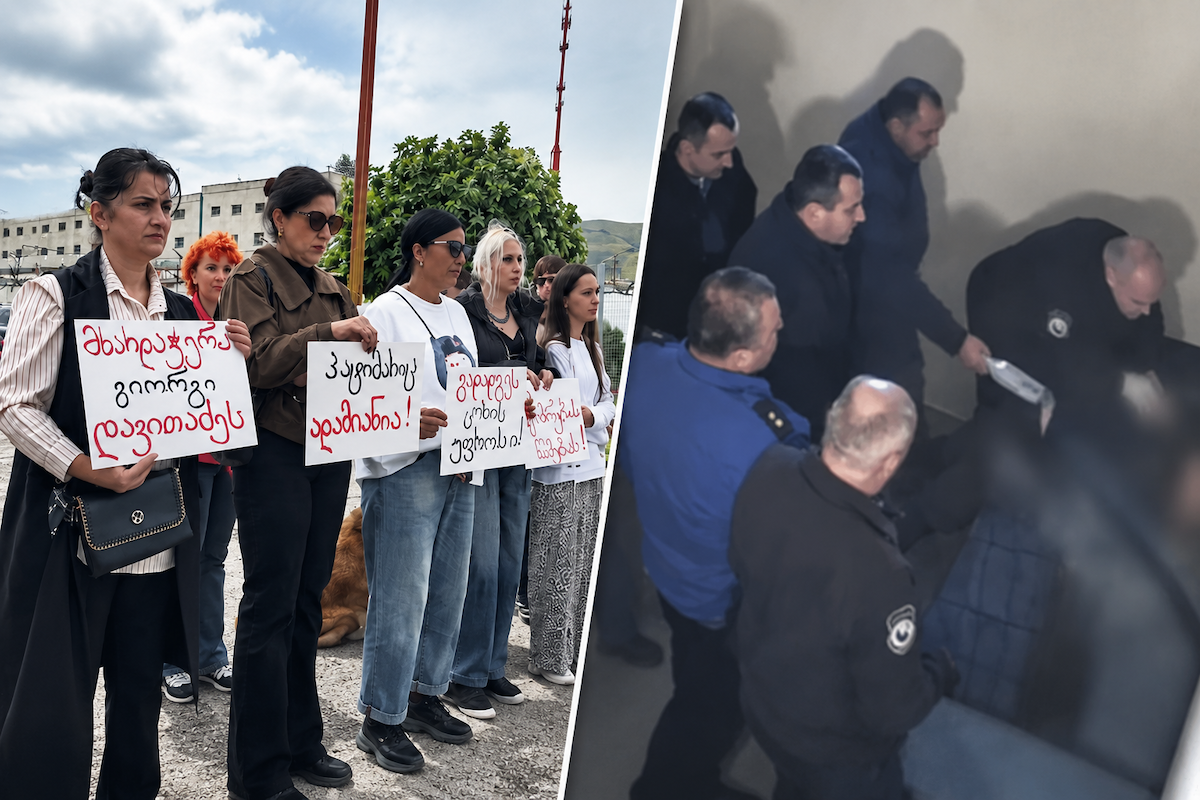
A video showing a teacher beating a second-grade pupil at a school in the Armenian village of Vardadzor has shocked people across Armenia. A relative of the girl told journalists that she was so frightened by the incident that she had refused to return to school.
The girl’s parents appealed to the Gegharkunik regional administration, demanding that the teacher be dismissed. However, they were told that this would only be possible if complaints were filed by at least seven parents.
Social media users responding to the video called on the Interior Ministry to investigate the incident and launch criminal proceedings.
The Education Ministry said it had contacted the Interior Ministry, the Education Inspectorate and the National Centre for Educational and Psychological Support to ensure a thorough investigation.
“Relevant legal procedures will begin shortly to strip this teacher of the right to teach,” the ministry said.
Armenia’s Human Rights Defender, Anahit Manasyan, described the violence against the schoolgirl as “unacceptable and deeply concerning”.
The Investigative Committee opened a criminal case over allegations of “inflicting severe physical pain or serious mental suffering on a minor”.
By the time of publication, reports had emerged that the teacher had been detained.
- Shortage of sign language interpreters leaves deaf Armenians without access to education
- Work-life balance for women in Armenia: how to create family-friendly working conditions
- ‘Parent hour’ and flexible schedules: Armenia changes labour code
What happened
A relative of the second-grade pupil told Shamshyan.com that the class teacher had first beaten the girl in the classroom. The violence continued in the corridor after the pupil left the classroom. The girl returned home with swollen eyes and marks from the blows on her neck and arms.
“There had been slaps before, but never beatings like this – with hands and a pointer,” the relative said.
The girl has not attended school since the incident. According to family members, she later encountered the teacher by chance in the street and ran home in terror.
The girl’s mother said she did not want the teacher to face criminal prosecution but insisted that she be dismissed.
Armenian media reported that the incident was discussed at the school the following day.
“The teacher admits her guilt. She submitted a written statement acknowledging what she had done and asked not to be punished. As a result, I issued her a written reprimand,” school headteacher Gevorg Nersesyan said.
He also said such incidents were unacceptable and expressed surprise that a teacher with 30 years of experience could have treated a second-grade pupil in this way.
‘Schools must be a safe environment for children’
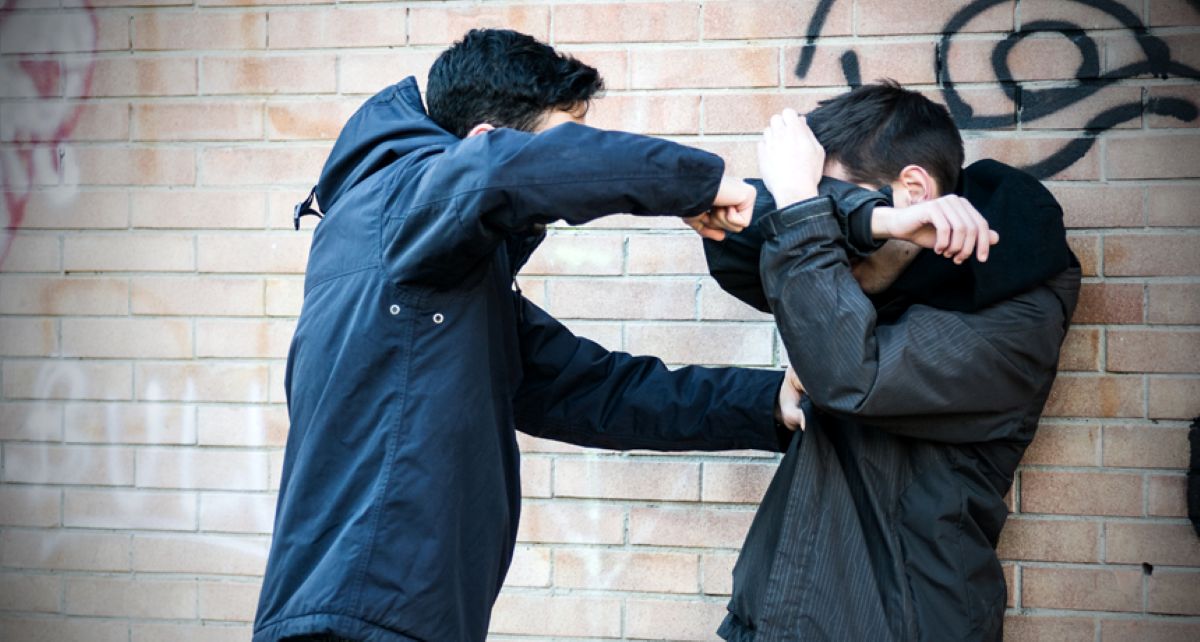
Armenia’s Human Rights Defender, Anahit Manasyan, stressed that schools must provide a safe environment for children.
“Any form of violence against a child or any other form of inappropriate treatment is fundamentally incompatible with respect for the child’s dignity, safety and rights,” she said.
According to Manasyan, children must be protected not only through responses to individual incidents, but also through effective measures to prevent and address potential cases of violence.
Manasyan also questioned the effectiveness of mechanisms designed to protect pupils in schools, particularly the work of pupil protection groups.
“The effectiveness of these mechanisms should be assessed primarily on the basis of how they work in practice,” she said.
Pupil protection groups were established in all schools on 1 September 2026 by order of the Minister of Education, Science, Culture and Sport. They were specifically set up to prevent violence, bullying and other high-risk situations. Following the incident at the school in Vardadzor, the pupil protection group held a meeting. However, according to the girl’s relatives, no steps were taken to help her return to school.
The Office of the Human Rights Defender said it had launched an investigation into the incident.
Not the first case of violence since start of school year
Two weeks ago, a maths teacher at a school in the village of Berdavan in Armenia’s Tavush region slapped a 13-year-old boy across the face. He also pushed the pupil, forcibly made him sit at his desk and hit him on the head with a notebook, striking the child’s eye with its edge.
According to the boy’s mother, the teacher’s wife, who is the school’s deputy headteacher, also treated him harshly. She slapped him across the face, pushed him into her office and made him stand in the corner.
Although the boy continues to attend school, his mother told journalists that he had been left psychologically distressed by the incident.
The teacher has also been charged with “inflicting severe physical pain or serious mental suffering on a minor”. He has been released on an undertaking not to leave the country and suspended from his duties.
Social media reactions
“A written reprimand is not enough. A teacher like this should be barred from working in education.”
“If people like this were prosecuted, teachers would think twice before raising a hand against someone else’s child.”
“Someone who displays such aggressive and unacceptable behaviour simply has no right to call themselves a teacher. What can such a person teach children – respect, kindness or compassion for others?“
“If a similar incident had happened in Germany, for example, the teacher could have faced up to five years in prison. Moreover, if the headteacher had seen the footage – had seen a child being beaten – but failed to take appropriate action, questions would also arise about his professional responsibility.“
“If the teacher behaves so brazenly in front of a camera, it is frightening to imagine what she might have done in a classroom without cameras. She should be dismissed, made to apologise to the child and permanently banned from teaching.”
“The situation is much the same in almost every school. In some, there is physical violence; in others, psychological pressure; and in some, children are simply ignored. At parents’ request, cameras should be installed not only in school corridors but also in classrooms.”
“When such incidents become public, headteachers condemn the teacher’s actions and express utter surprise that someone with more than 30 years of teaching experience could behave this way. But before things reach that point, when we ask for cameras to be installed, those same headteachers come up with a thousand excuses to prevent it.”
“They just don’t want teachers to be embarrassed or parents to see how often a teacher talks on the phone during lessons.“