

Opinion: 'Energy assets must be bought back at any cost'





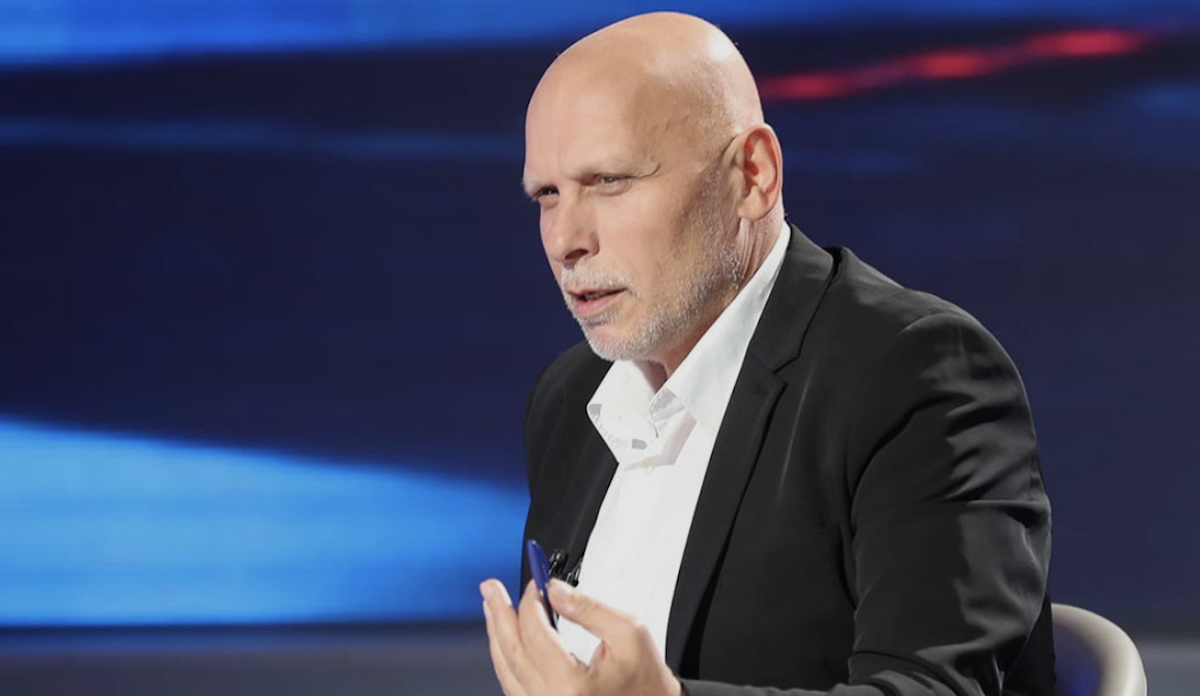
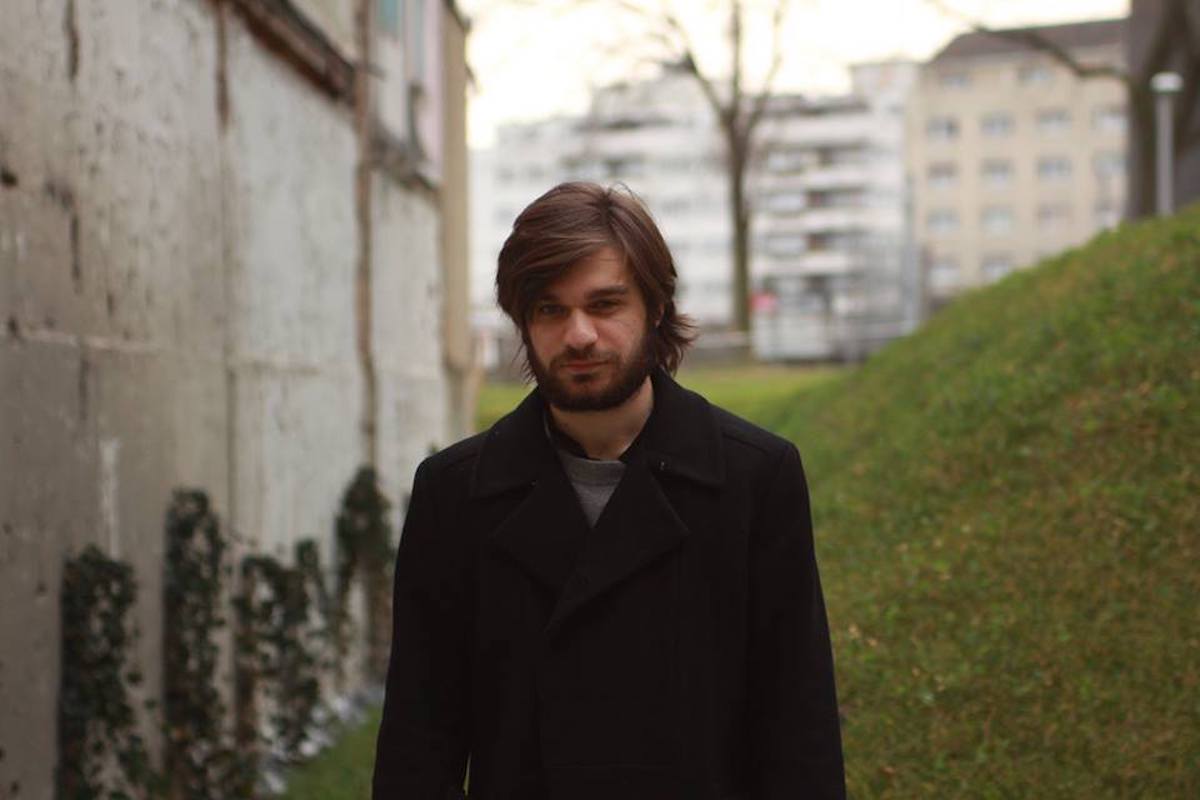
Erekle Pirveli, a professor at the Caucasus University and director of the Erekle Pirveli Research Centre, says the European Union’s 21st sanctions package, which targets the Russian state-owned company Inter RAO, has a direct impact on Georgia‘s energy system. The expert argues that the situation presents an opportunity for Georgia to regain control of its strategic energy assets.
The European Union has imposed sanctions on the Russian state-owned energy company Inter RAO. Through its subsidiaries, the company is the indirect owner of Telasi, Telmiko, and the Khrami I and Khrami II hydropower plants in Georgia.
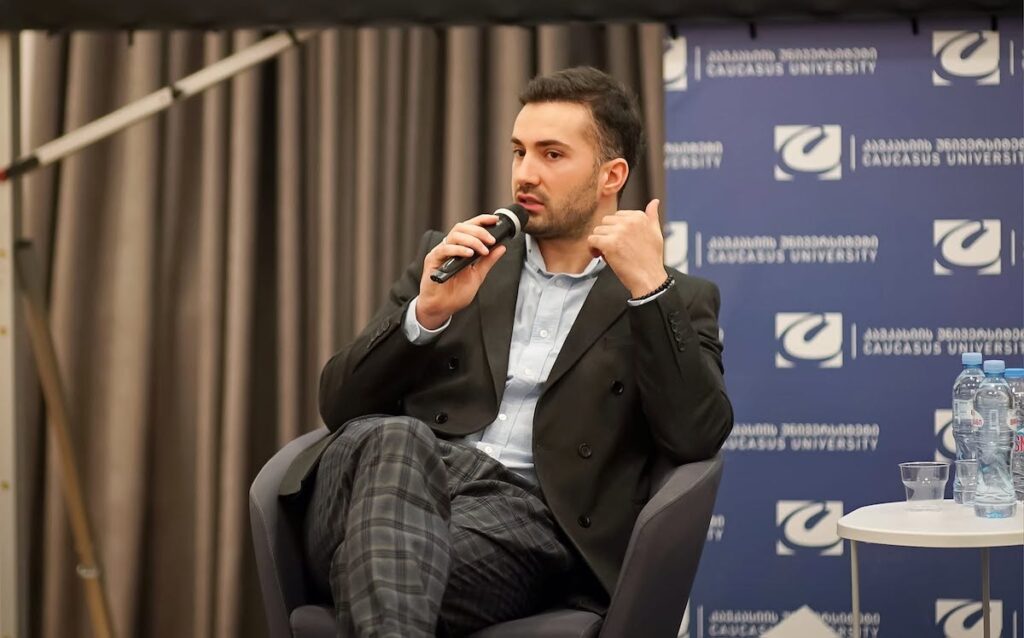
Erekle Pirveli: “as a country, we need to make a strategic choice and strive to become more self-sufficient. This is far from a minor issue—we are talking about a strategic sector, and we need to reduce our dependence on a neighbouring state.
“Even if the value of these assets on the company’s books differs from their actual market value, the overall cost is ultimately not so great or burdensome for Georgia that it should entrust such vital strategic assets to others and remain dependent on someone else’s goodwill. This is something that clearly deserves a strategic reassessment and decisive action. Yet years have passed, and we have still not seen any meaningful steps in that direction.”
He added that “this must be done at any cost. We have estimated the company’s capital, and if the goal is to reduce its stake by 25%, its value based on the capital would be around 125 million lari (about $46.3m). The actual figure may differ, but we should be working step by step to reduce the foreign stake and increase our own.
“The Russian state-owned company effectively holds a monopoly in Georgia, as it controls electricity generation, distribution and supply. This is not just a business issue—it also concerns political and strategic interests. When a neighbouring and unpredictable state owns your strategic assets, it creates long-term macroeconomic risks.
“At the same time, these companies generate relatively modest annual profits compared with their capital—around 3%—which suggests that, for Russia, these assets are more a tool of political influence than a source of economic gain.”
Inter RAO and Georgia’s Energy Sector