Opinion: Abkhaz authorities seek to create ‘systemic’ opposition






Systemic opposition in Abkhazia
Attempts are under way in Abkhazia to create a “systemic” opposition. At least, that is how prominent opposition activist Akhra Bzhania sees the newly established Consultative Council under the president, where pro-government groups and two opposition organisations are set to sit around the same table. According to Bzhania, fostering such an opposition is the council’s underlying purpose.
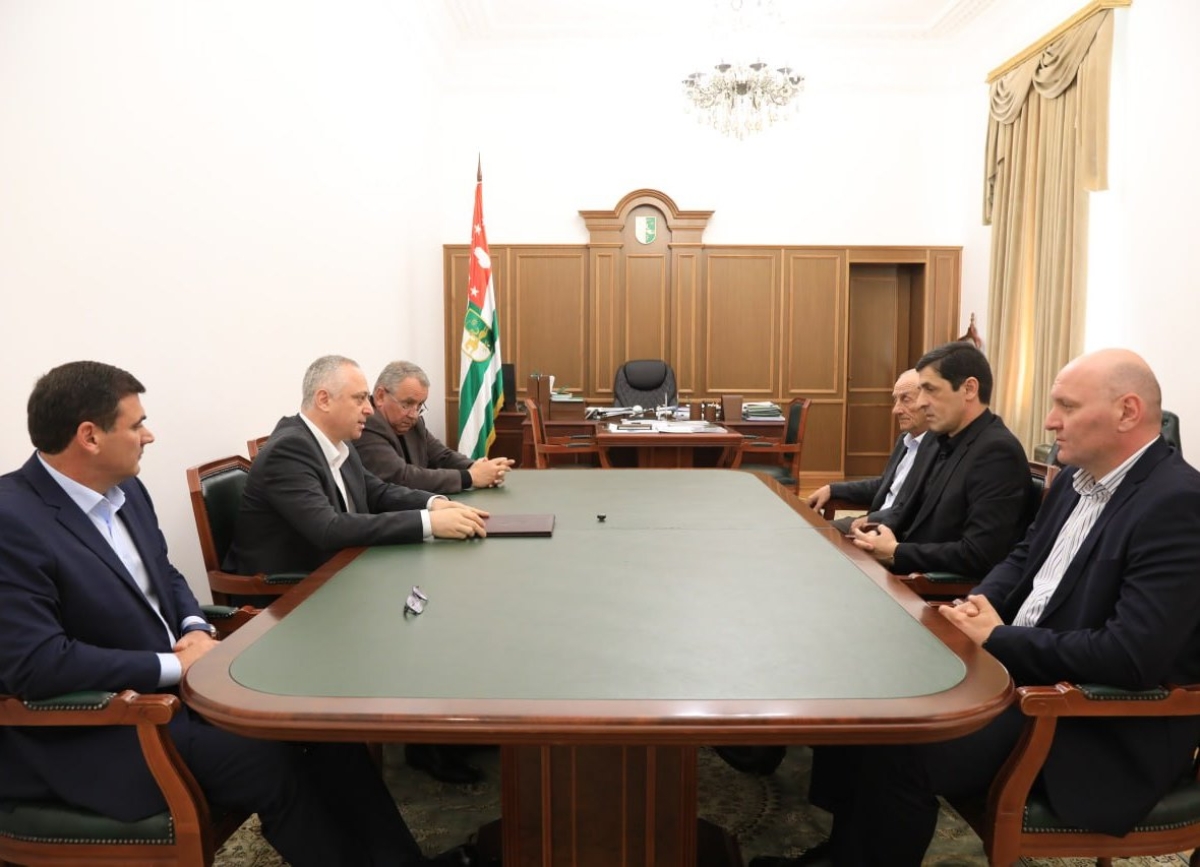
A month earlier, Abkhaz President Badra Gunba announced the creation of a Consultative Council of Political Forces, a body intended to facilitate regular consultations between the president and the opposition. Its stated aim is to “unite efforts for the future of the country”.
The council’s inaugural meeting brought together leaders of the pro-government parties Amtsakhara and Aitaira, as well as representatives of two opposition groups – the veterans’ movement Aruaa and the Forum of People’s Unity of Abkhazia party.
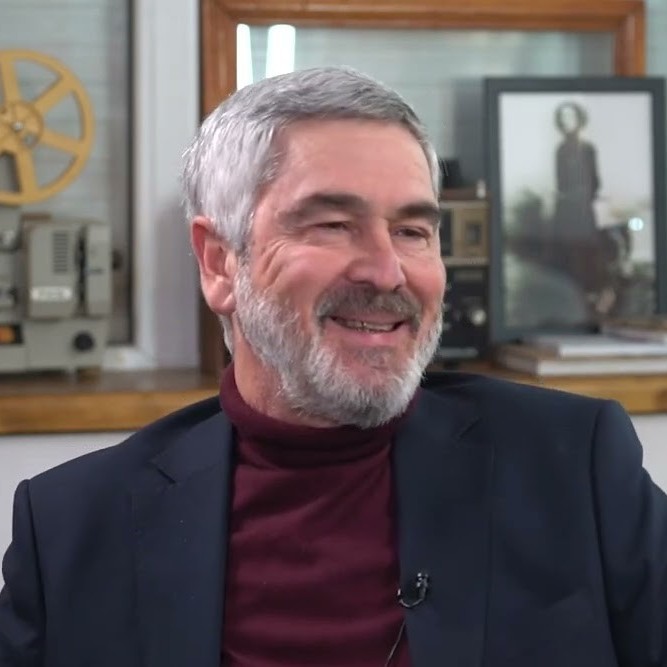
Akhra Bzhania: “In recent months, there have been frequent calls for unity in society, along with suggestions that the authorities and the opposition should work together to address national issues. But if that is the case, why do we need an opposition at all? We could simply appoint the right people to the right positions and let them get on with the job.
“Unfortunately, human nature does not work that way. As soon as people acquire power, they begin to abuse it. And if no one is holding them to account, they will inevitably start pursuing their own interests at society’s expense.
“That is why we need to move away from the notion that opposition politics is somehow incompatible with unity and stability. In reality, the opposite is often true. The existence of a principled — and at times uncompromising — political opposition is a sign of a healthy and resilient society,” Bzhania said.
The mobilisation of society and its submission to a common rhythm during times of crisis cannot be projected onto everyday life, where differing opinions and approaches are not an obstacle but, on the contrary, a driver of positive social change.
Since the war with Georgia, we have continued to repeat that we must reach an agreement in order to avoid division. But the real divide in our country is not between the authorities and the opposition — it is between the authorities and society.
Public frustration and dissatisfaction with the actions of the bureaucracy are generated not by opposition activists, but by ordinary citizens concerned about low wages and pensions, the lack of protection for businesses and corruption. Politicians merely articulate these public sentiments.
So even if you gather representatives of parties and movements in one room and agree to make all decisions collectively, the underlying problems will not disappear. New political forces will simply emerge to give voice to them.
In other words, the opposition should remain independent, and the authorities should remain independent. That is the essence of the political dichotomy.
So what, then, is the purpose of the Consultative Council under the president? I believe it is an attempt to create what is commonly referred to as a ‘systemic opposition’ in Abkhazia.
Once you sign up to the idea that ‘we should resolve issues by consensus and avoid rocking the boat because of a difficult geopolitical environment and hostile neighbours’, you effectively cease to exist as a political force. Those promoting such an approach are not thinking about stability in the state — they are thinking about preserving their own power.
It appears that this is precisely the plan being prepared for Abkhazia’s unruly opposition: if it cannot be defeated, then it should be co-opted. But the authors of this project have a poor understanding of Abkhaz political culture, which is why the whole endeavour is doomed to fail.
The key driver of the political process in Abkhazia is the citizens themselves.
Not officials, not party leaders, but ordinary people. That is how our political system has evolved. And those citizens will recognise who genuinely represents their interests and will rally behind their political platforms — or, if necessary, take to the streets alongside them. It all depends on how events unfold.”: Bzhania said.
The terminology, place names and views expressed in this article are those of the author and do not necessarily reflect the editorial position of this website.