European Parliament backs tough stance on Georgia in critical report






European Parliament criticizes Georgia
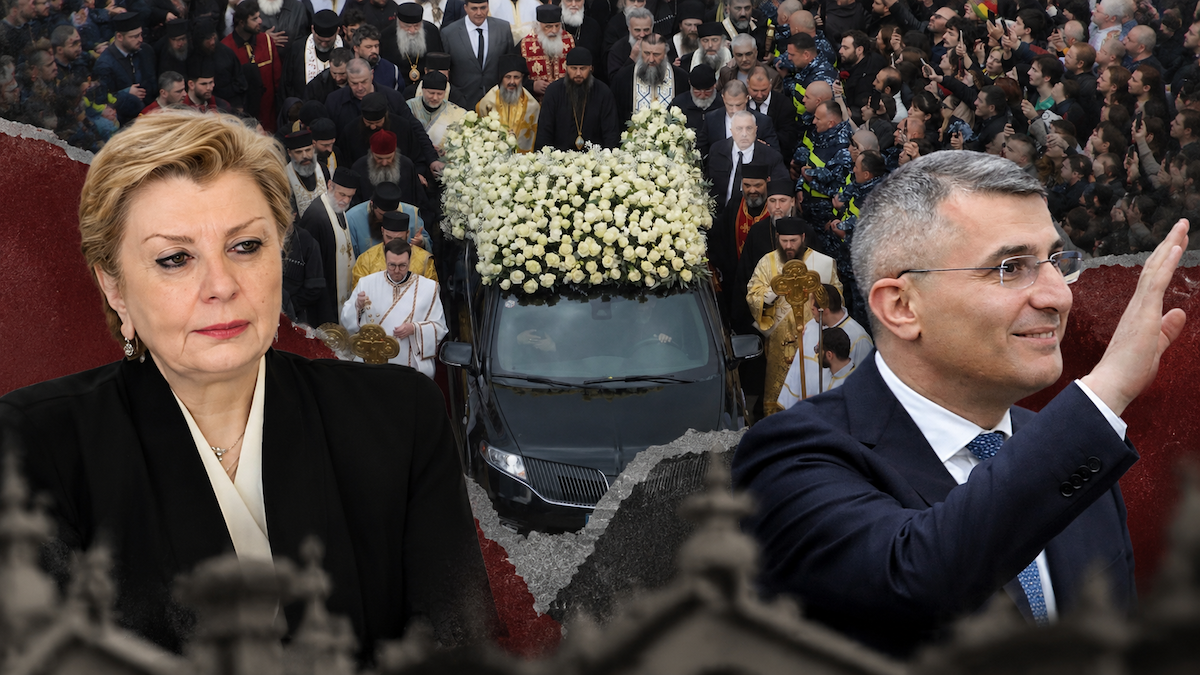
The European Parliament has adopted a resolution stating that Georgia’s EU accession process has effectively been suspended and that the ruling Georgian Dream party bears full responsibility.
According to the resolution, Georgia has backtracked on the nine priorities set by the EU as preconditions for candidate status. As a result, the resolution says, Georgia is now an EU candidate country “only on paper.”
The resolution was authored by Rasa Juknevičienė.
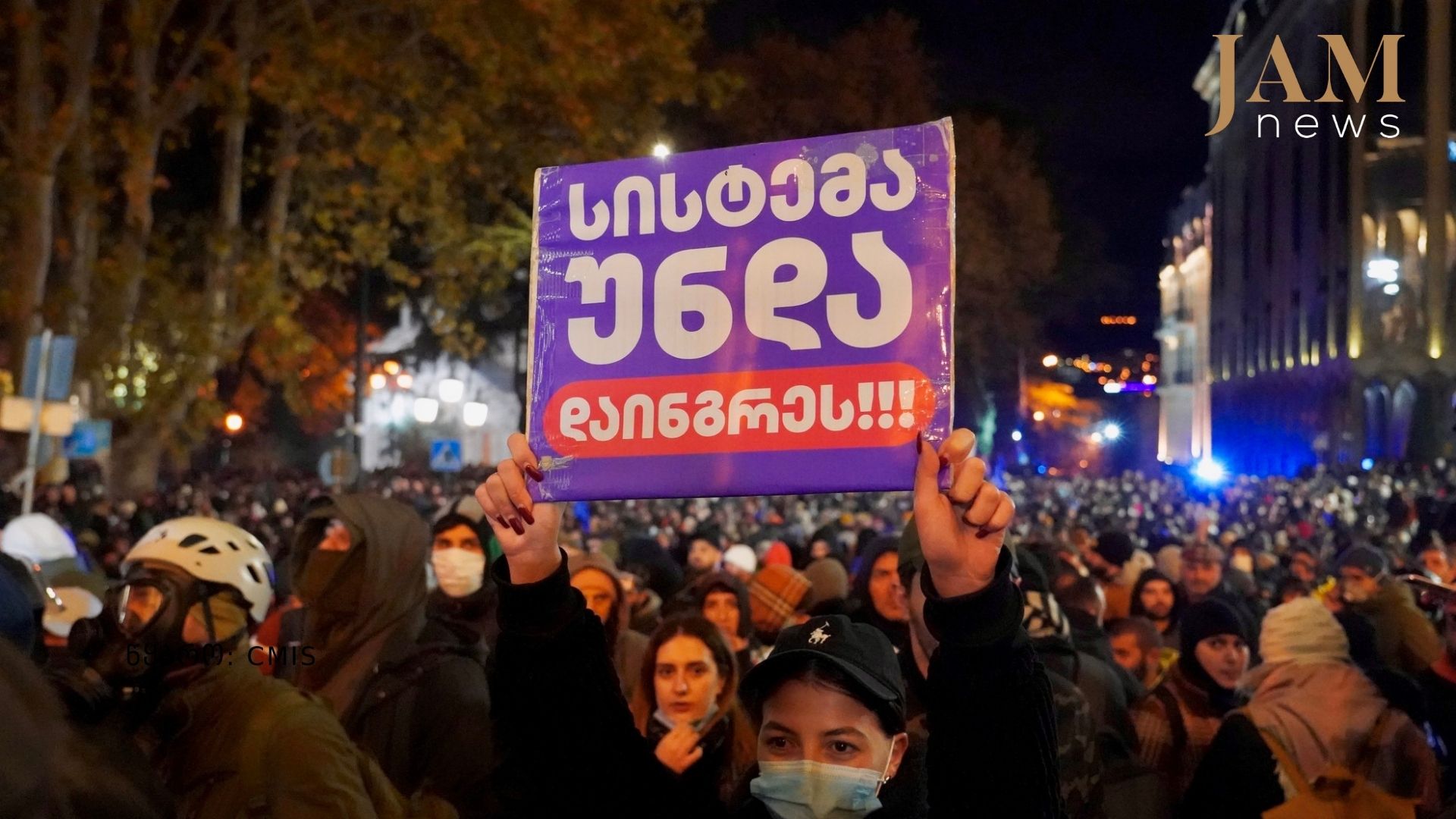
EU assessment of Georgia’s democratic backsliding
The resolution also cites EU Commissioner for Enlargement Marta Kos, who said the European Commission’s 2025 report on Georgia is “the worst report ever prepared for a candidate country.”
According to the resolution, democratic backsliding in Georgia has affected virtually every key area.
It says the Central Election Commission of Georgia, the Constitutional Court, the Prosecutor’s Office, the National Bank and the High Council of Justice have lost their independence and impartiality.
The report also states that the Anti-Corruption Bureau, established at the EU’s request, was later dismantled.
Elections and democratic institutions
The resolution describes Georgia’s 2024 parliamentary elections as “rigged” and notes that most opposition parties are boycotting the 2025 local elections.
It also criticizes amendments to the electoral law that have made it more difficult for Georgian citizens living abroad to participate in elections.
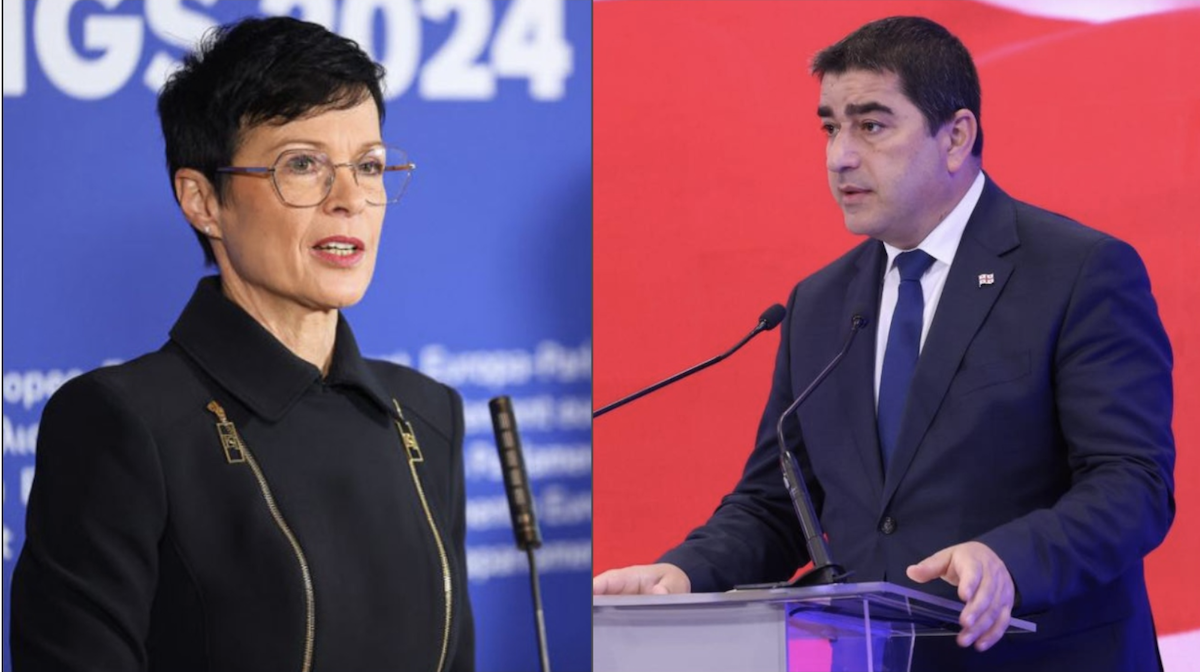
Political prisoners and cases against opposition figures
A significant part of the resolution is devoted to political repression and the issue of political prisoners.
According to the document, Georgia has 48 political prisoners and another 68 people in pretrial detention who were arrested on charges related to protest activities.
The resolution also calls for the release of former President Mikheil Saakashvili on humanitarian grounds and for him to be allowed to receive medical treatment abroad.
The case of journalist Mzia Amaghlobeli is highlighted separately.
The resolution also criticizes the arrests of opposition politicians, legislation targeting civil society, and attempts to criminalize criticism of the authorities.
A separate section is devoted to the detention of opposition leader Elene Khoshtaria. The European Parliament condemns what it describes as inhuman and degrading treatment during her detention and calls for her immediate release.
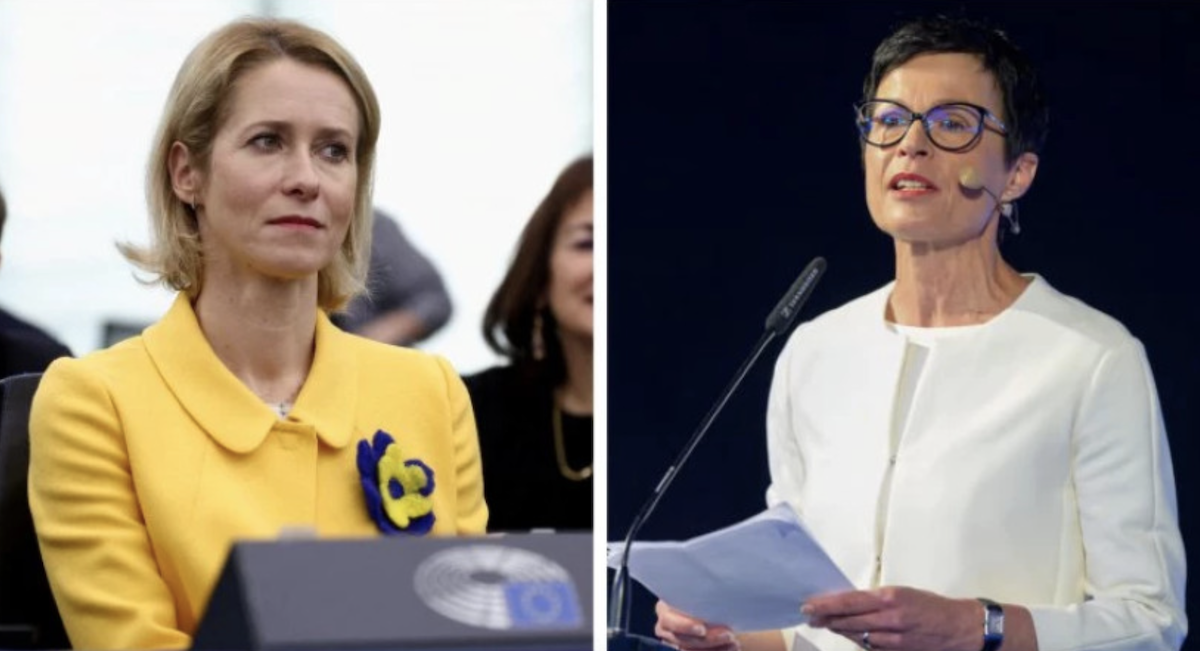
The case of Irakli Garibashvili
The resolution also refers to the case of former Prime Minister Irakli Garibashvili. According to the document, Garibashvili was taken into custody after being convicted and pleading guilty in a corruption-related case.
At the same time, the authors of the resolution express serious doubts as to whether his trial met fair trial standards.
They argue that the case reflects broader problems, including politically influenced justice, informal power structures, and internal rivalries within Georgian Dream, with particular attention drawn to the role of the party’s founder and honorary chairman, oligarch Bidzina Ivanishvili.
Sanctions against Bidzina Ivanishvili
The resolution calls on the European Union to impose targeted sanctions on Bidzina Ivanishvili, members of his family, and his close associates.
The document describes Ivanishvili as the central figure in Georgia’s political system and the person responsible for the country’s shift away from its pro-European course.
On pro-government TV channels
The resolution strongly condemns the role of media outlets, including Imedi TV, POSTV and Rustavi 2, accusing them of “spreading systematic disinformation, smear campaigns and hostile propaganda against the European Union, its institutions and representatives, including the head of the EU Delegation to Georgia and diplomats from EU member states.|
The resolution also notes the UK’s recent decision to impose sanctions on Imedi TV and POSTV.
The European Parliament calls on EU institutions to review the accreditation of such media outlets within EU institutions and urges member states to follow the UK’s example by adopting appropriate and proportionate restrictive measures against individuals and entities responsible for organizing and financing these disinformation campaigns, including under the EU Global Human Rights Sanctions Regime.
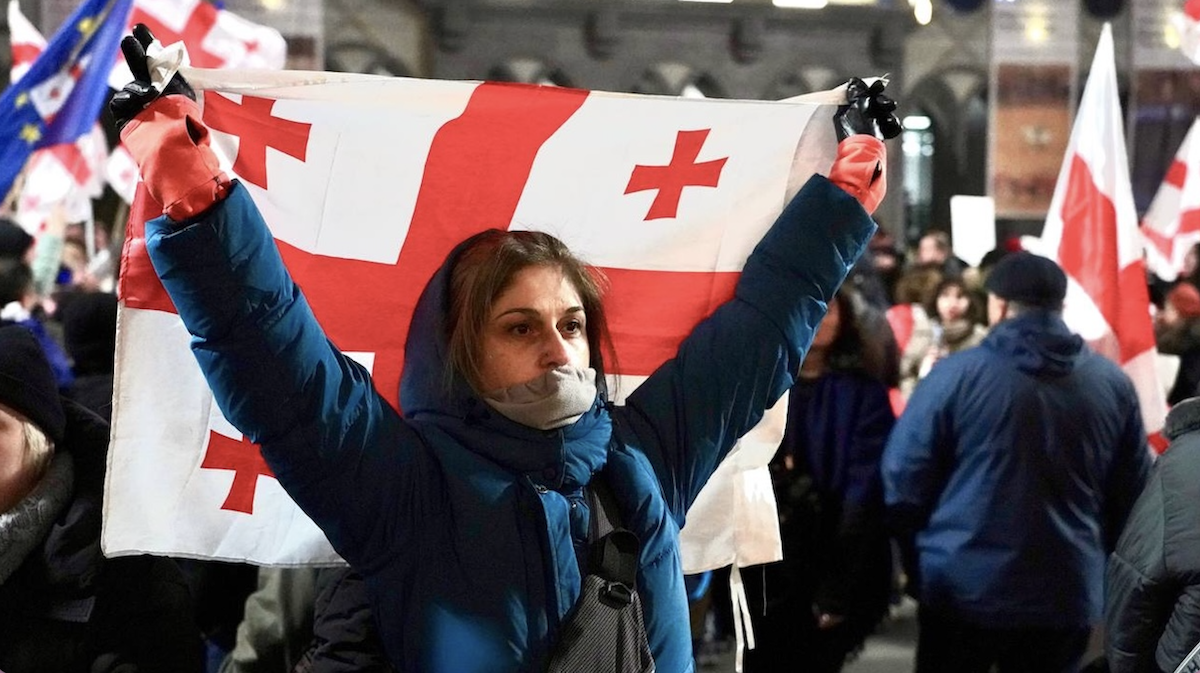
Russia, China and Iran
The resolution also addresses Russia’s occupation of Georgian territories, possible sanctions-evasion schemes benefiting Moscow, the growing influence of China and Iran in Georgia, and the suspension of the strategic partnership between the United States and Georgia.
Regarding China, the European Parliament expresses concern over the involvement of a Chinese state-owned company in the Anaklia deep-water port project.
On Iran, the resolution highlights the risks posed by economic and financial networks that, according to MEPs, could be used to circumvent sanctions and facilitate money laundering.
News in Georgia