

Parents of children with Duchenne muscular dystrophy meet Georgian prime minister






Duchenne syndrome parents meet prime minister
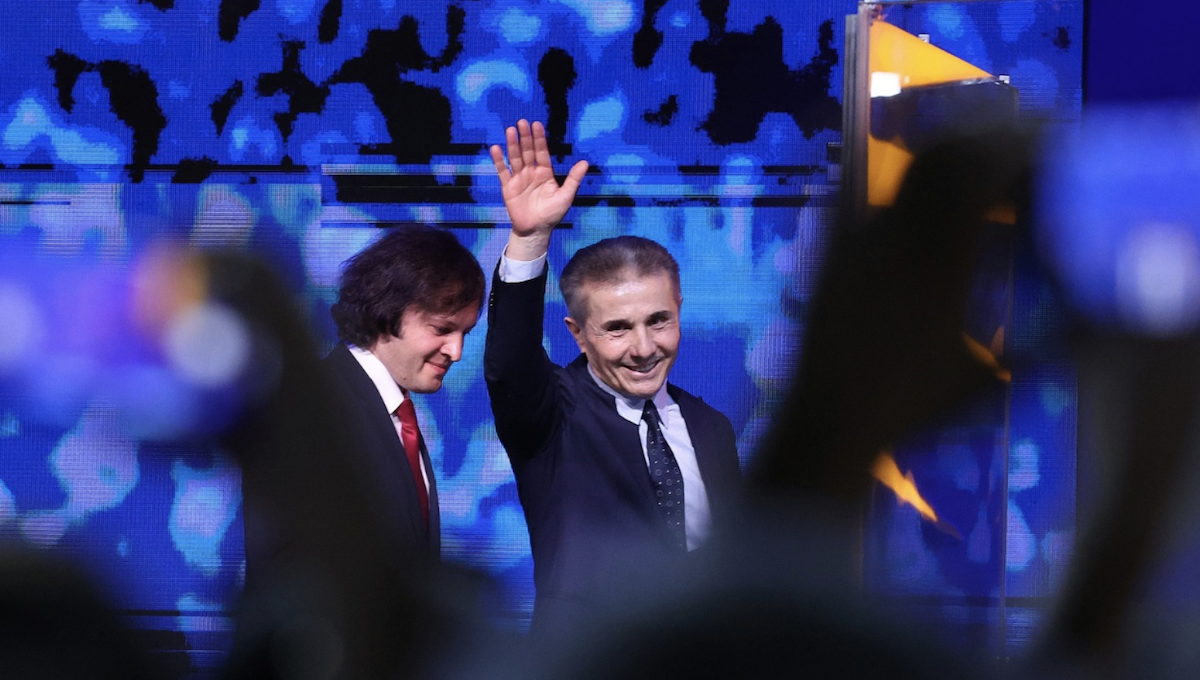
Parents of children with Duchenne muscular dystrophy in Georgia and Prime Minister Irakli Kobakhidze have agreed to establish a working group. Following a two-hour meeting, both sides said the dialogue would continue, with another meeting expected in the coming days to discuss in greater detail access to medicines and possible solutions.
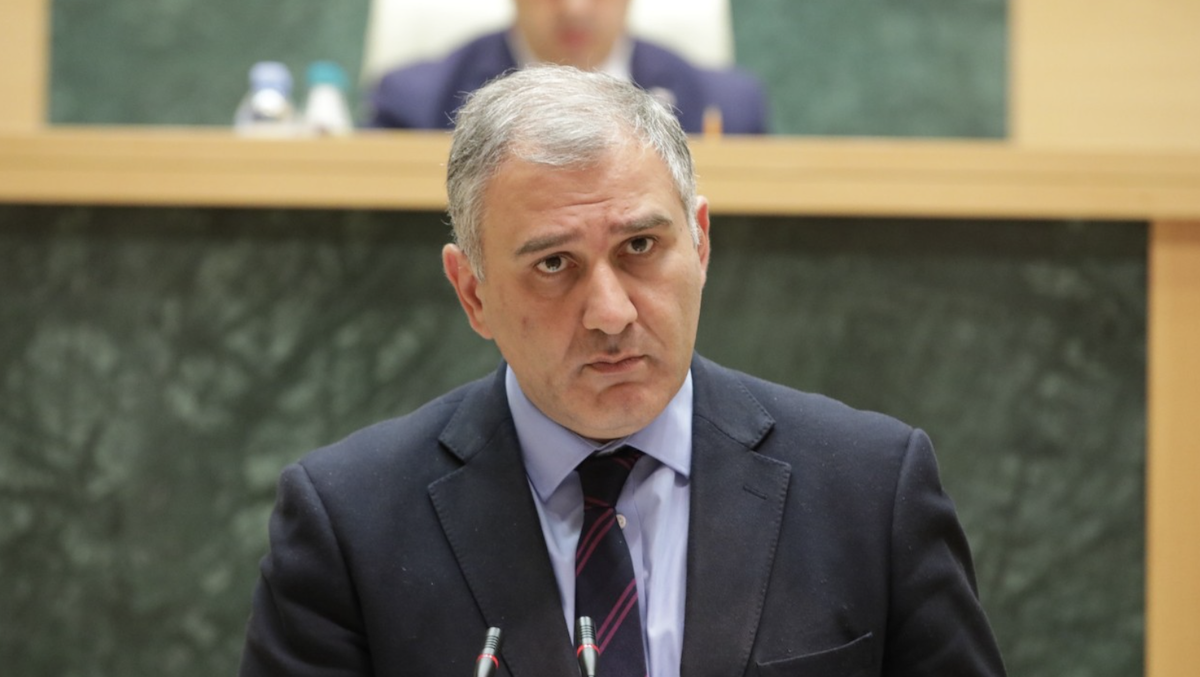
Health Minister Mikheil Sarjveladze also attended the meeting. According to the parents, most of the discussion at the government administration focused on exchanging information, with particular attention paid to the medicines whose funding and importation they have been demanding for several months.
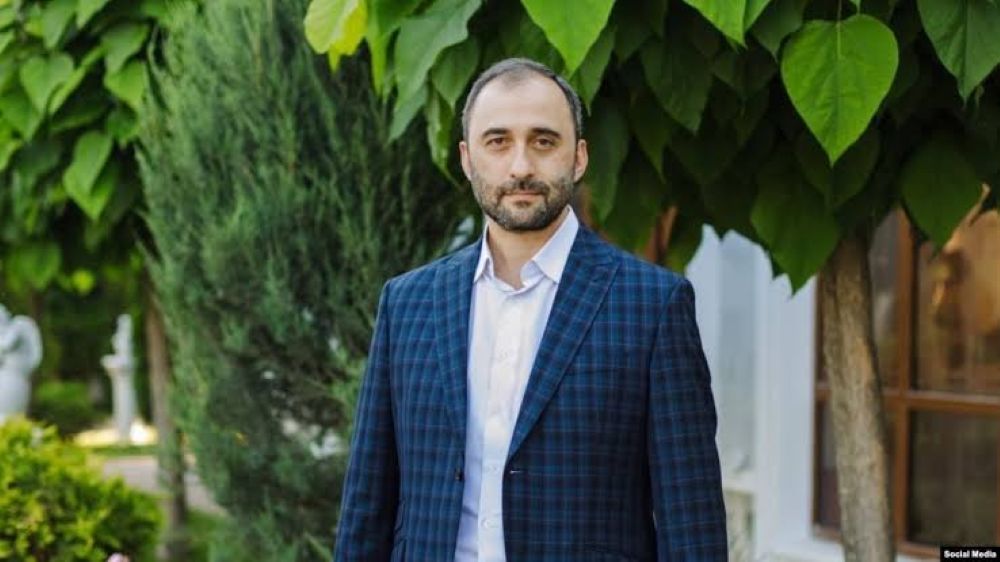
According to Zakaria Gvishiani, head of the organisation Together Against Duchenne Muscular Dystrophy, the prime minister was given a detailed overview of both the medicines in question and the reasons why parents have been holding continuous protests. During the meeting, concerns about the safety of the drugs were no longer on the agenda, with discussions focusing mainly on their effectiveness and availability.
Gvishiani said the prime minister’s questions centred on what steps could be taken to speed up the process. He noted that the meeting did not result in any specific promises, but that parents viewed it as encouraging and expected future meetings to focus on more concrete issues.
Tako Gogaladze, the mother of a child with Duchenne muscular dystrophy, gave a similar assessment. She said one outcome of the meeting was the rejection of accusations previously levelled at parents, including claims that the protest movement was being directed from outside or that demands for access to the medicines were driven by ulterior motives.
According to Gogaladze, parents now expect the authorities to begin engaging with pharmaceutical companies and take concrete steps towards importing the medicines. However, she stressed that protests would not be suspended at this stage, and that any decision on their future would depend on the outcome of the next meeting.

For his part, the health minister described the meeting as “useful” and said further work was needed before any decisions could be made. According to him, the discussion concerns four different medicines, which vary significantly in terms of regulation, availability and readiness for approval.
Sarjveladze said that some of the drugs raise fewer concerns than others, meaning each requires detailed assessment. He maintained that the authorities are committed to reaching swift and effective decisions, but that further discussions will be necessary before doing so.
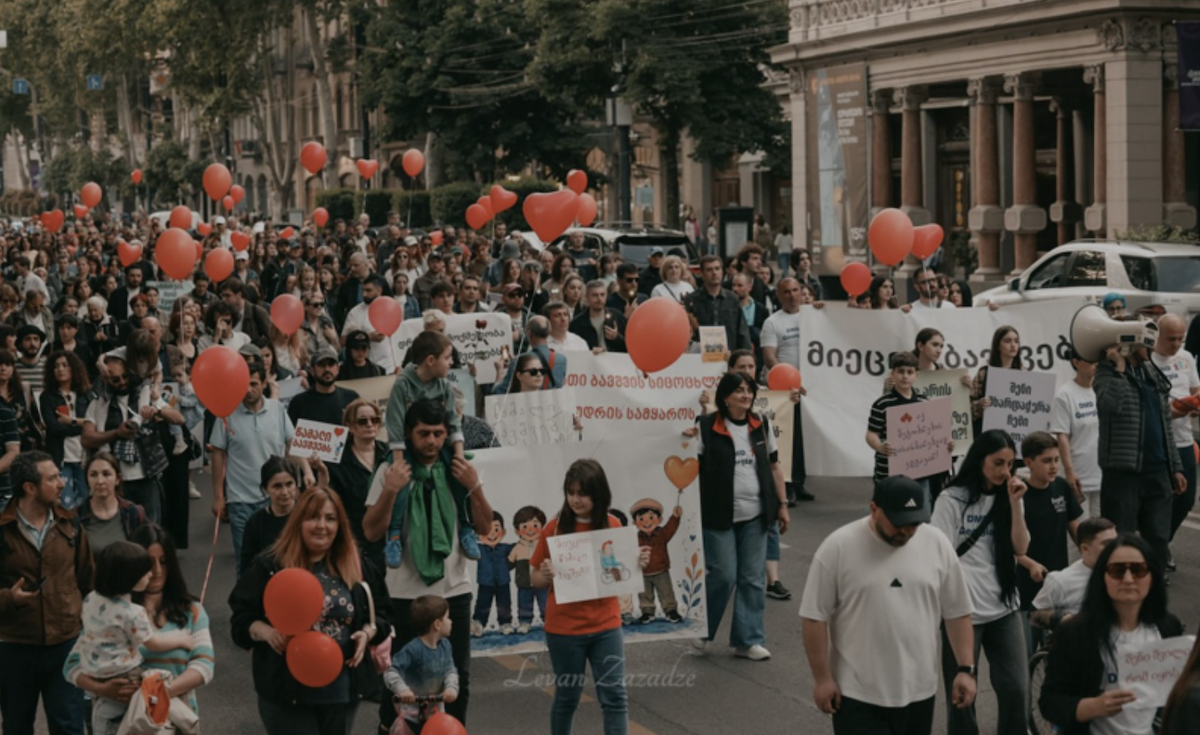
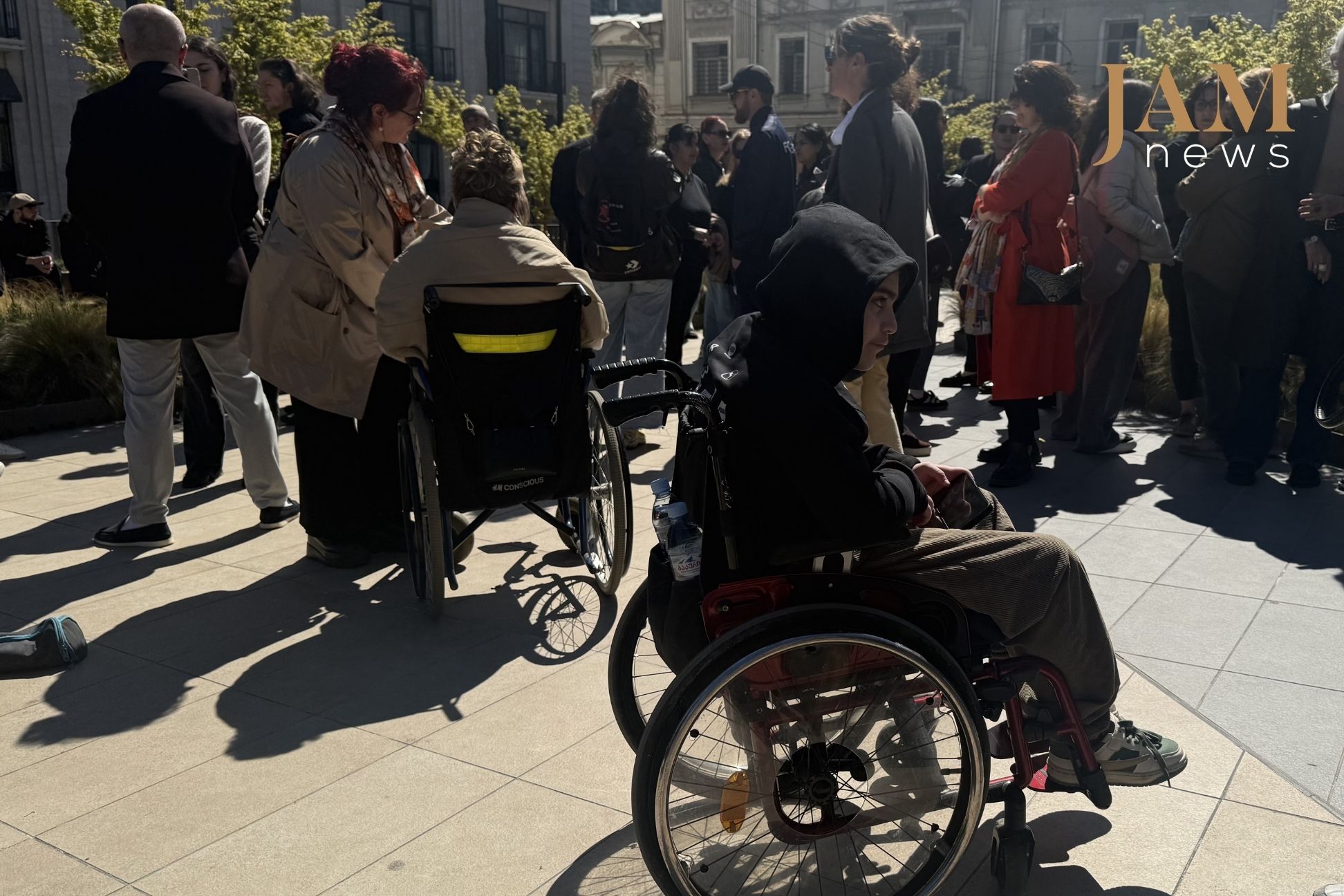
Parents of children with Duchenne muscular dystrophy have been protesting outside the government administration building for 44 days, demanding state funding for the medicines their children need.
Duchenne muscular dystrophy is a rare genetic disorder characterised by progressive muscle weakness and wasting. According to parents, around 100 children in Georgia have been diagnosed with the condition.
Meanwhile, a student-led initiative launched in support of the children has grown into a large public fundraising campaign, raising more than 1.6 million lari (around $600,000) in just a few days. However, even this substantial sum is insufficient to cover the cost of the medicines.
As a result, campaign organisers decided that the funds would instead be used to support the children’s day-to-day needs. These include respiratory support equipment, generators needed to ensure its uninterrupted operation, medicines, adapted beds, wheelchairs and spinal surgery.
Duchenne syndrome parents meet prime minister