New PACE resolution warns of risk of ‘one-party dictatorship’ in Georgia






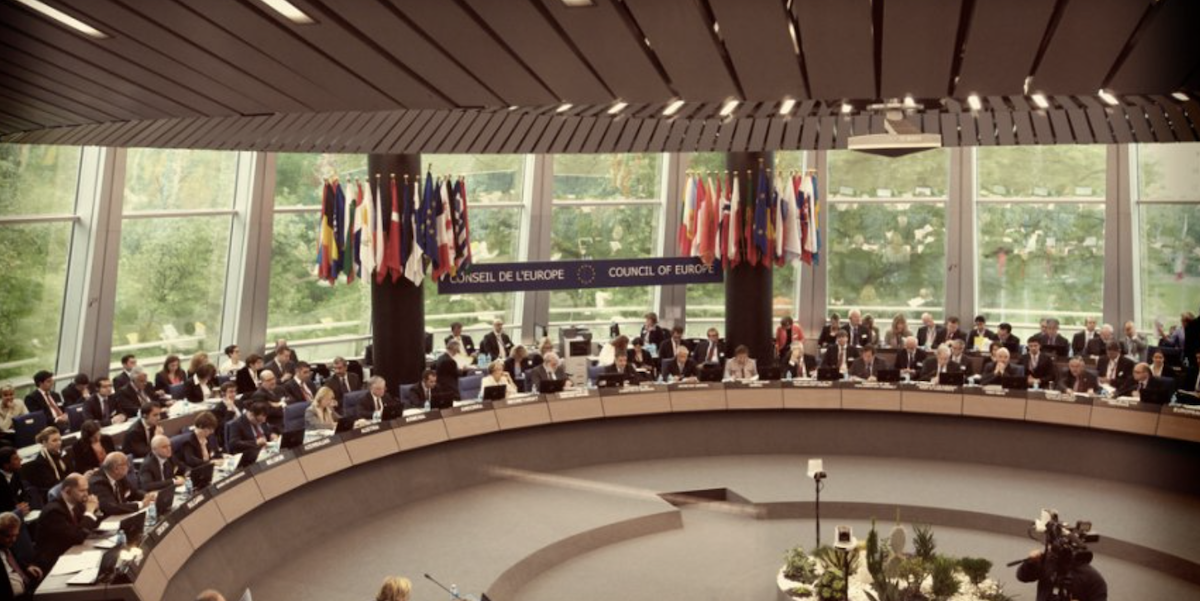
In a draft resolution on Georgia, the Monitoring Committee of the Parliamentary Assembly of the Council of Europe (PACE) expressed “serious concern” over current developments in the country, saying that democratic backsliding, political crisis and pressure on dissent continue.

The document, which PACE members are due to vote on during the June session, was prepared by rapporteurs Edite Estrela and Sabina Ćudić. It says none of the Assembly’s previously issued “urgent recommendations” have been implemented. According to the authors, this raises doubts about the willingness of the Georgian authorities to fulfil obligations undertaken as part of the country’s membership in the Council of Europe.
The draft resolution stresses that membership in the Council of Europe is a “privilege” that includes both rights and responsibilities, and that the organisation’s fundamental principles “cannot become subject to negotiation”.
The committee pays particular attention to initiatives which, in its assessment, would effectively ban almost all democratic opposition parties in Georgia and lead to politically motivated criminal prosecution of their leaders. The authors warn that continuing in this direction could push the country “effectively towards a one-party dictatorship”.

The document also states that, at this stage, conditions for holding “genuinely democratic elections” do not exist in Georgia. According to the rapporteurs, this stems from “ongoing pressure” on the opposition, civil society and independent media, as well as sharp political and social polarisation in the country.
The draft resolution calls on the Georgian authorities to repeal what it describes as “repressive legislation”. It refers to amendments to the Criminal Code, the law “On Political Associations of Citizens” and the Code of Administrative Offences. The document also condemns what it calls “continuing attacks” on civil society organisations, their leaders and independent media outlets.
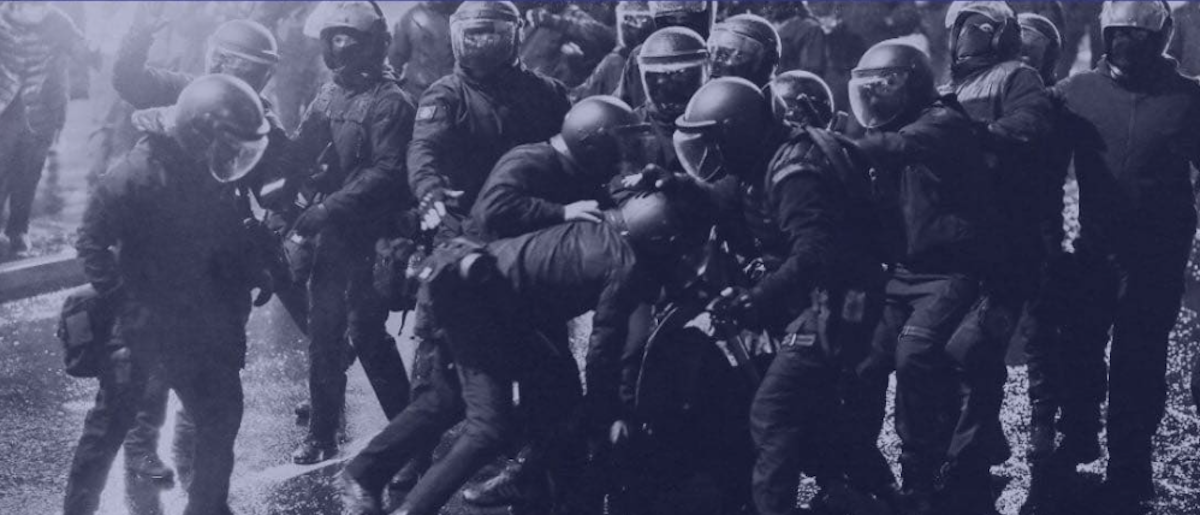
The committee also expressed concern over what it says was the failure to conduct credible investigations into allegations of police violence and human rights violations during protests. The document further refers to reports that banned chemical agents were used to disperse demonstrations in Tbilisi.
The final section of the resolution calls on the Georgian authorities to fully implement rulings of the European Court of Human Rights and recommendations issued under the OSCE’s Moscow Mechanism, which, according to the authors, reflect earlier assessments of democratic backsliding in the country.
PACE resolution on Georgia