‘Pedicure’ for lioness Cleopatra: scenes from Tbilisi Zoo. Video






This video shows a veterinary procedure carried out on lioness Cleopatra at Tbilisi Zoo. One of Cleopatra’s claws had grown inward, causing severe pain, making veterinary intervention necessary. Vets placed the lioness under anaesthesia to carry out the procedure.
Such treatment can be quite painful, so animals need to remain under anaesthesia to minimise stress and discomfort as much as possible.
Life at Tbilisi Zoo: VIDEO
Veterinarian Sandro Bagatelia explains that the same types of medication used for cats and dogs are also used for lions, although the dosage differs. According to him, the period of “safe sleep” — when a vet can safely approach the animal and carry out a procedure — lasts around one and a half hours. The full effects of anaesthesia, however, can continue for up to four hours because one of the drugs remains in the animal’s system for that length of time.
Cleopatra is one of the calmest and most people-friendly lionesses at the zoo, which significantly simplifies both her daily care and preparation for veterinary procedures.
Tamta Afridonidze, who leads the predators and primates department, says ingrown claws are a fairly common problem among animals in captivity. In the wild, animals naturally wear down their claws through hunting, movement and constant interaction with their environment. In zoos, however, that process is less intensive. As a result, a claw can grow excessively and become ingrown, causing pain and inflammation.
Similar cases occur in other predators, including tigers and leopards, and are also common among hoofed animals. Timely veterinary intervention is particularly important in such situations to prevent infection, limping and deterioration in the animal’s overall condition.
Tbilisi Zoo‘s history spans nearly a century. It was founded on 10 February 1927 on the basis of the Caucasian Society for the Acclimatisation of Animals, which had been keeping wild animals since the early 20th century, though without official zoo status.
The zoo was originally built on 70 hectares in the Vere River gorge. Over the years, the expansion of the capital — and later the devastating flood of 13 June 2015 — significantly reduced the territory of the old zoo. Today, it covers five hectares and is home to around 1,500 animals, each with its own story..
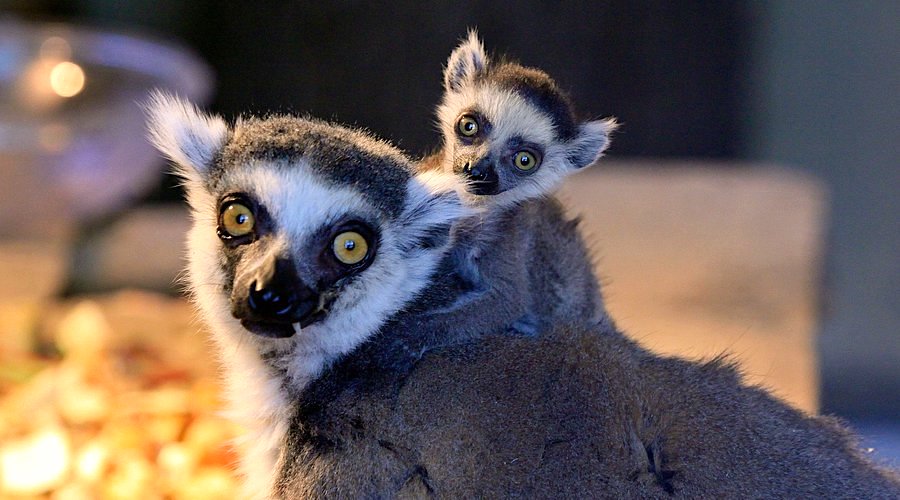
In this video series, we will introduce you to the residents of Tbilisi Zoo. We will show how their day unfolds, how they interact with other animals and people, and how their behaviour changes depending on the weather and the season. Get ready to hear many fascinating stories.
Lioness at Tbilisi Zoo