'Perhaps Europe itself is moving towards dark past', Georgian parliament speaker tells EU's envoy






Papuashvili’s letter to Herczynski
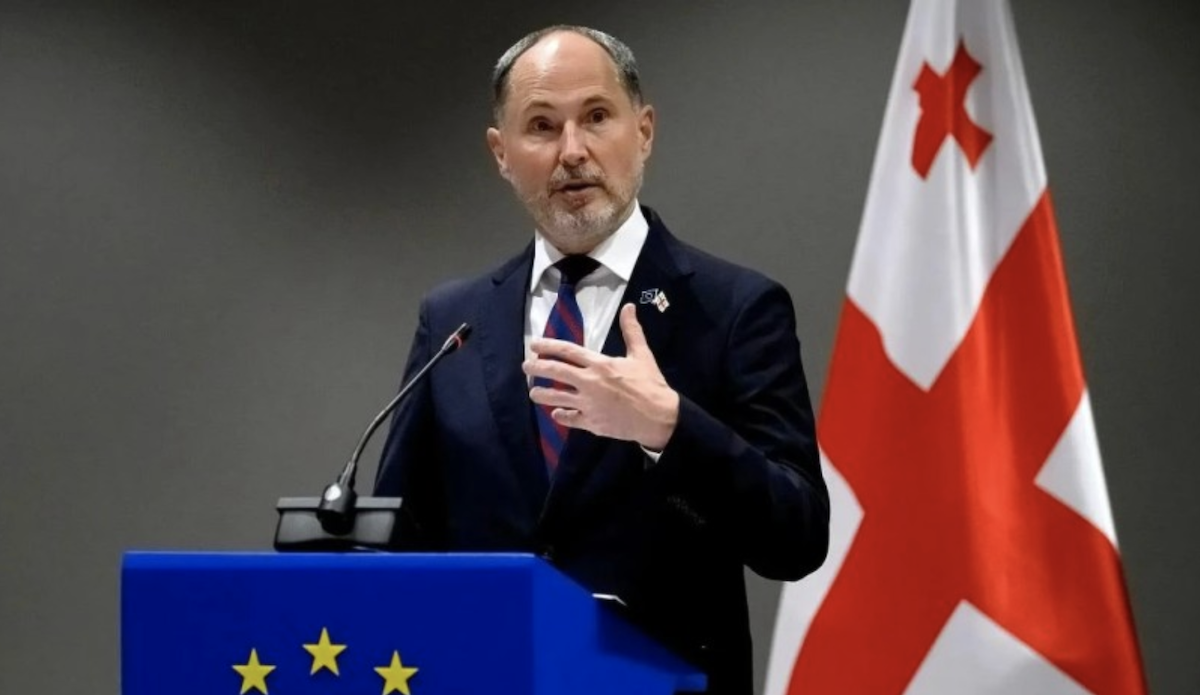
On Europe Day, Georgian parliament speaker Shalva Papuashvili published an open letter addressed to EU ambassador Pawel Herczynski, saying today’s EU policies were “deepening confrontation and growing divisions”.
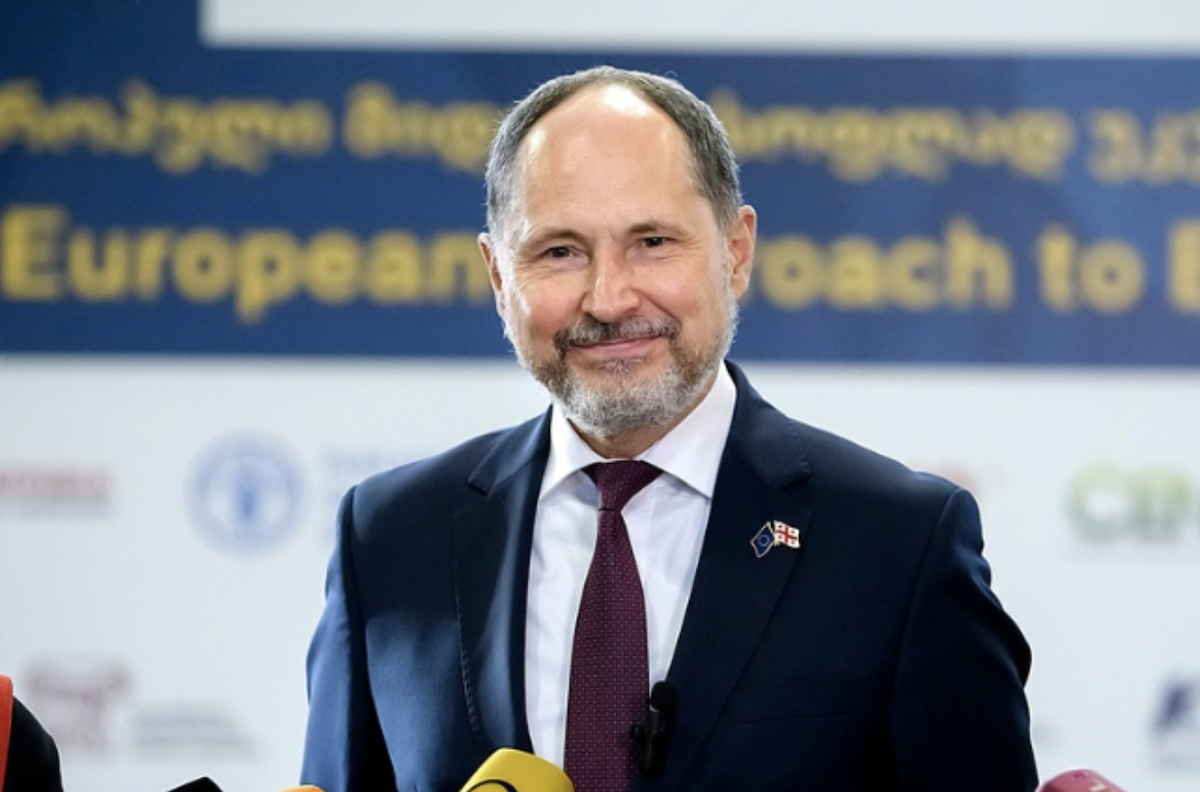
The letter, which Shalva Papuashvili published on social media, focused on the symbolic meaning of 9 May, the anniversary of the end of the Second World War, and the founding principles behind the European Union. The speaker repeatedly quoted Robert Schuman, one of the EU’s founding figures, arguing that modern European policy had moved away from his vision.
“At the heart of the Schuman Declaration stood one main goal: to ensure that war would never again devastate Europe. Today’s EU policies should be judged against that vision,” Papuashvili wrote.
The letter also placed particular emphasis on the role Georgians played in the fight against fascism. Papuashvili criticised remarks made by Pawel Herczynski last year and said separating Europe Day from Victory Day was unacceptable for Georgia.
“There is no family in Georgia that did not suffer losses during the war. Separating Europe Day from Victory Day is unacceptable for us,” he wrote. He also expressed hope that events marking 9 May would pay proper tribute to the “300,000 Georgians who gave their lives for a Europe free from fascism”.
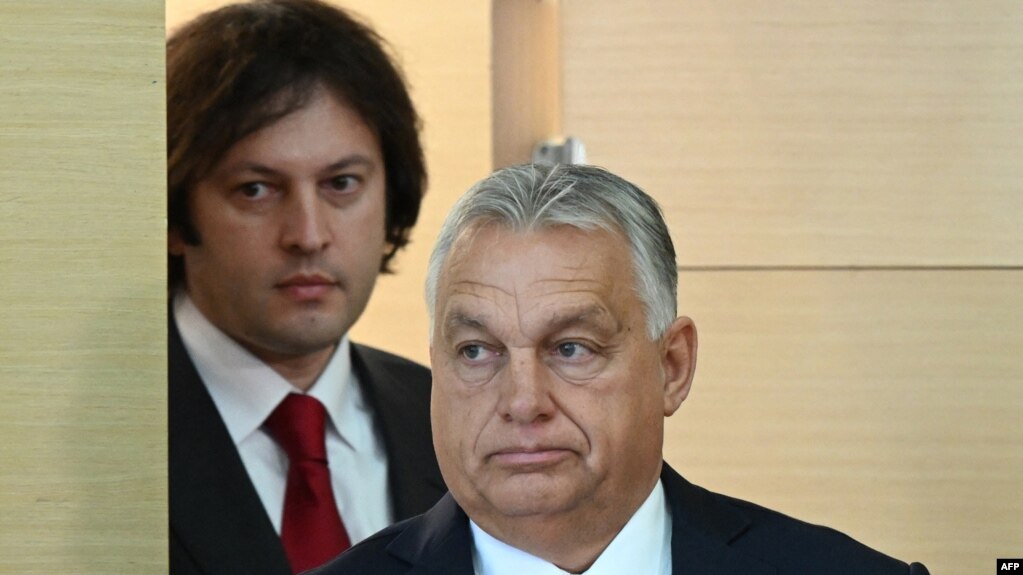
Shalva Papuashvili accused the European Union of interfering in Georgia’s internal affairs and pursuing what he described as politically motivated policies. According to him, European Parliament resolutions, threats of sanctions and economic pressure, as well as statements from Brussels, were deepening confrontation both inside Georgia and in relations between Georgia and the EU.
“A truly united Europe is one that not only prevents future wars, but also brings current conflicts to an end,” the letter said.
Addressing European integration, Papuashvili said Georgia was a “co-author of European civilisation” and argued that closer ties with Europe should not mean Brussels exercising unilateral “dominance” over the country.
In the letter, he also criticised EU policies on traditional values and national sovereignty. According to Papuashvili, “European ideals” such as national independence, Christian values and a traditional way of life could not be abandoned because of “different ideological views”.
Papuashvili also touched on economic issues. He said the European Union had demanded that Georgia take part in economic confrontation with Russia without offering security guarantees or economic support. According to him, such a move would threaten the country’s economic and regional stability.
One of the sharpest sections of the letter focused on violence and radicalism. Shalva Papuashvili claimed EU representatives had failed to publicly condemn what he described as an “attempted coup”, which he linked to events on 4 October last year.
“For more than seven months, not a single senior European official has publicly condemned this attempted coup, as if violent overthrows of governments were a normal practice in European politics,” Papuashvili wrote.
In the final part of the letter, the speaker said the Georgian authorities had a clear proposal for relations with the European Union: “An end to aggressive rhetoric, a revision of harmful policies and the withdrawal of unfair resolutions.”
“If we want Europe Day to retain its meaning, it must once again stand for what it originally represented — peace, cooperation and unity based on respect for nations and their identities.
The recent unacceptable statements about Georgia, containing threats against our people and suggesting that the country is returning to a ‘dark past’, once again demonstrate how misguided the European Union’s current policies are. However, if we look at reality from the perspective of the Georgian people, perhaps Europe itself is moving towards the dark past that Robert Schuman and other great figures of his generation tried to avoid,” Papuashvili wrote.
Papuashvili’s letter to Herczynski