Opinion: 'Georgia’s parliamentary price commission is a circus'






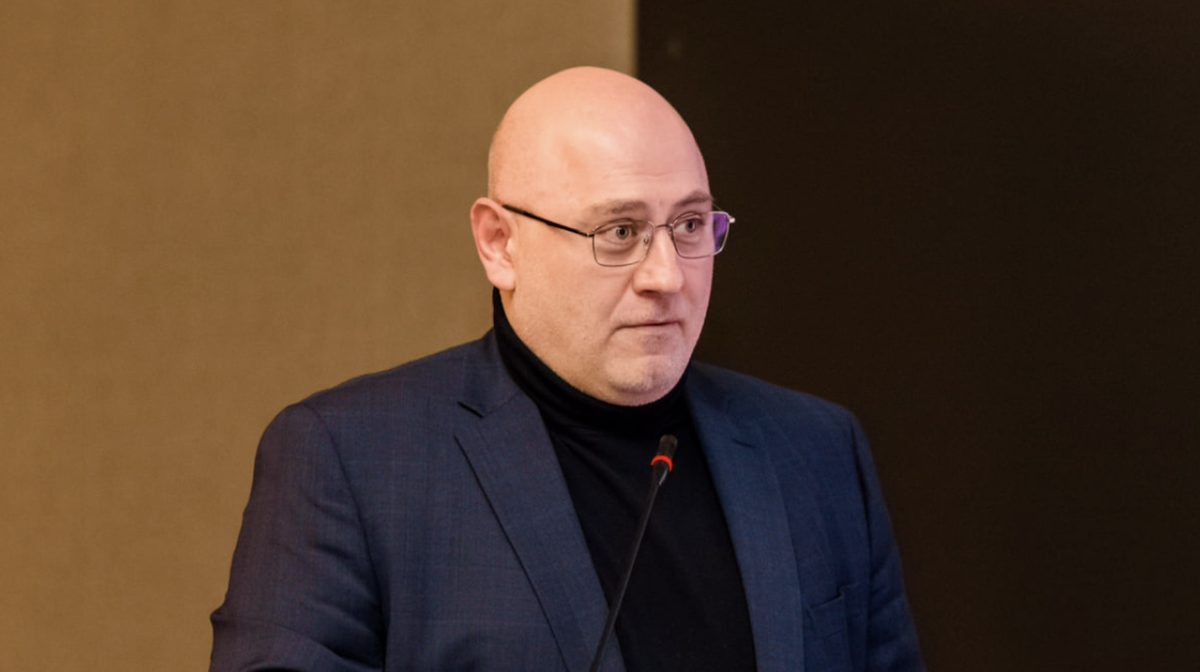
Financier on prices in Georgia
Among the many reasons for rising prices in Georgia, financier Nikoloz Shurgaia identifies three main factors: an excessively loose monetary policy by the National Bank, weak performance by anti-monopoly authorities in the services sector, and instability in the business environment and the country as a whole.

As for the impact of current events in Iran on rising prices, Nikoloz Shurgaia says inflation had already exceeded the National Bank’s target before the outbreak of the war.
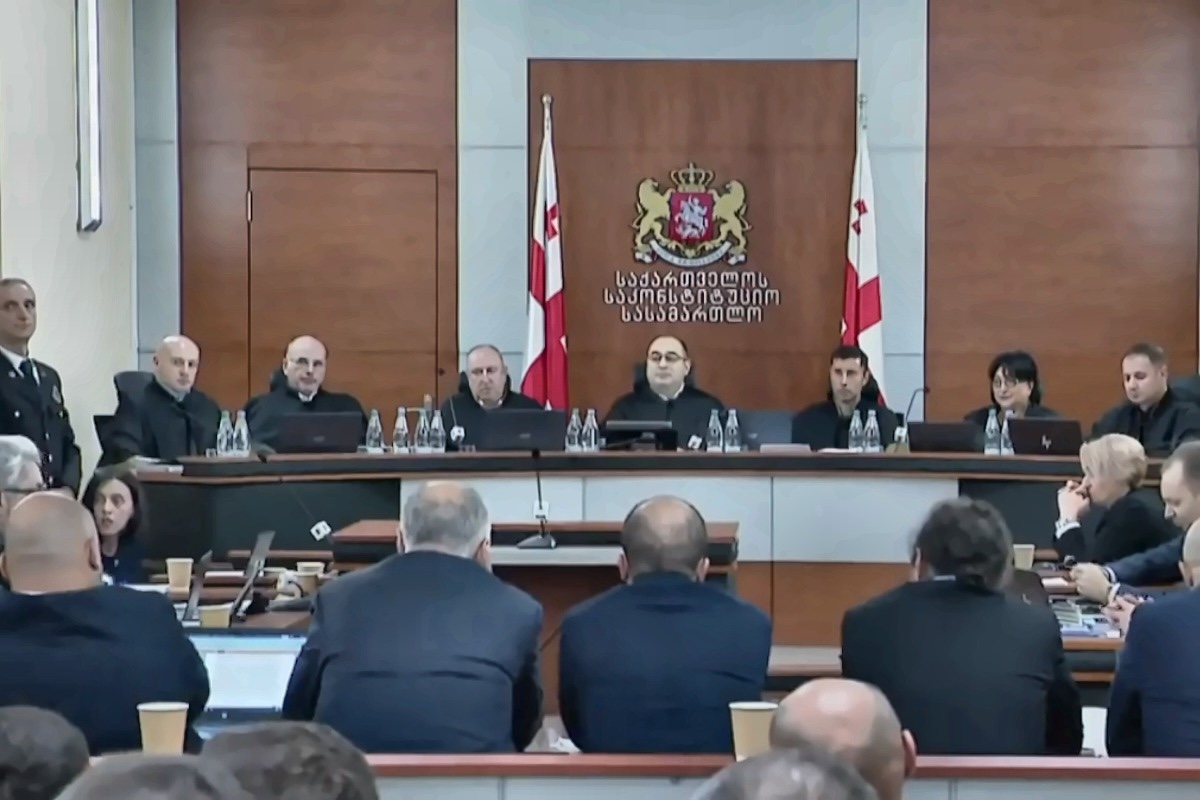
A temporary parliamentary commission examining the structure of pricing for food, medicines and fuel is due to present its report on 1 May 2026. The commission was set up in parliament in February for a three-month term and has held 11 sessions. Earlier, Prime Minister Irakli Kobakhidze, a representative of the Georgian Dream party, said that in some cases food prices in Georgian supermarkets significantly exceed those in European countries. He pointed to high mark-ups and the risk of breaches of anti-monopoly legislation in the activities of retail chains as possible reasons for the disparity, and called on law enforcement agencies to look into the issue.

Nikoloz Shurgaia said:
“Fuel prices have now increased, and this will also have a delayed effect. Some fuel was already in the country, while some was still in transit, and the war in Iran has only just begun.
Even before the war, the authorities had raised electricity prices. At that point, inflation had already exceeded the National Bank’s target. It stood at 4%, compared with a target of 3%, and this has been the case for more than six months.
The National Bank said inflation would fall. Instead, it has risen. Populist rhetoric has gone too far.
Among the many causes, there are three main factors behind such high prices. The first is an excessively loose monetary policy by the National Bank, with the money supply higher than it should be. The economy had several very favourable years, but these were not used effectively, as short-term gains were prioritised.”

“The second reason is the poor performance of anti-monopoly bodies. The legislation is flawed, and there are significant monopolies in the country. In industry, this issue receives virtually no attention, and inspections are carried out by unqualified personnel.
The third reason is the overall situation in the country — a high level of instability, including in the business environment. Even this circus they call a parliamentary price commission reflects that.
These people [the government] have misled the public for years through propaganda. Economic luck also played a role. Now that economic luck is running out…”
Favourable consequences [for Georgia] of Russia’s invasion of Ukraine are still in place. Freight transport remains in high demand, and Georgia’s transit role has grown significantly, even as the country is generating higher revenues from air traffic. The number of flights to Georgia has tripled.
If we had a good government, it would have taken advantage of this situation. With instability to the north and south, Georgia is well placed to serve as a key transit corridor. By now, the country should have seen an investment boom.
At present, Georgia is missing a major opportunity to become an attractive destination for investment and to support the development of the Middle Corridor.
Financier on prices in Georgia