US–Iran conflict boosts Azerbaijan as Trans-Caspian demand surges fivefold






Middle Corridor and Azerbaijan
Each escalation between the United States and Iran not only increases pressure on Tehran, but also makes Baku more strategically important. The paradox of Eurasian logistics is that Azerbaijan, as a South Caucasus state, does not suffer direct losses from tensions on the Iranian border. On the contrary, it benefits.
The war involving Iran, the United States and Israel has redrawn Eurasia’s logistics map within weeks. Baku and Astana are now at the centre of that shift.
- The number of vessels passing through the Strait of Hormuz has fallen to 5% of pre-war levels.
- The International North-South Transport Corridor through Iran has been effectively paralysed by banking and insurance restrictions.
- At the same time, demand for the Trans-Caspian route has risen by 450-500% in a single week.
A meeting of prime ministers from the Organization of Turkic States in Baku on 1-2 April, along with visits by Kazakh Prime Minister Olzhas Bektenov and, weeks later, Foreign Minister Ermek Kosherbayev, gave institutional shape to this new reality.
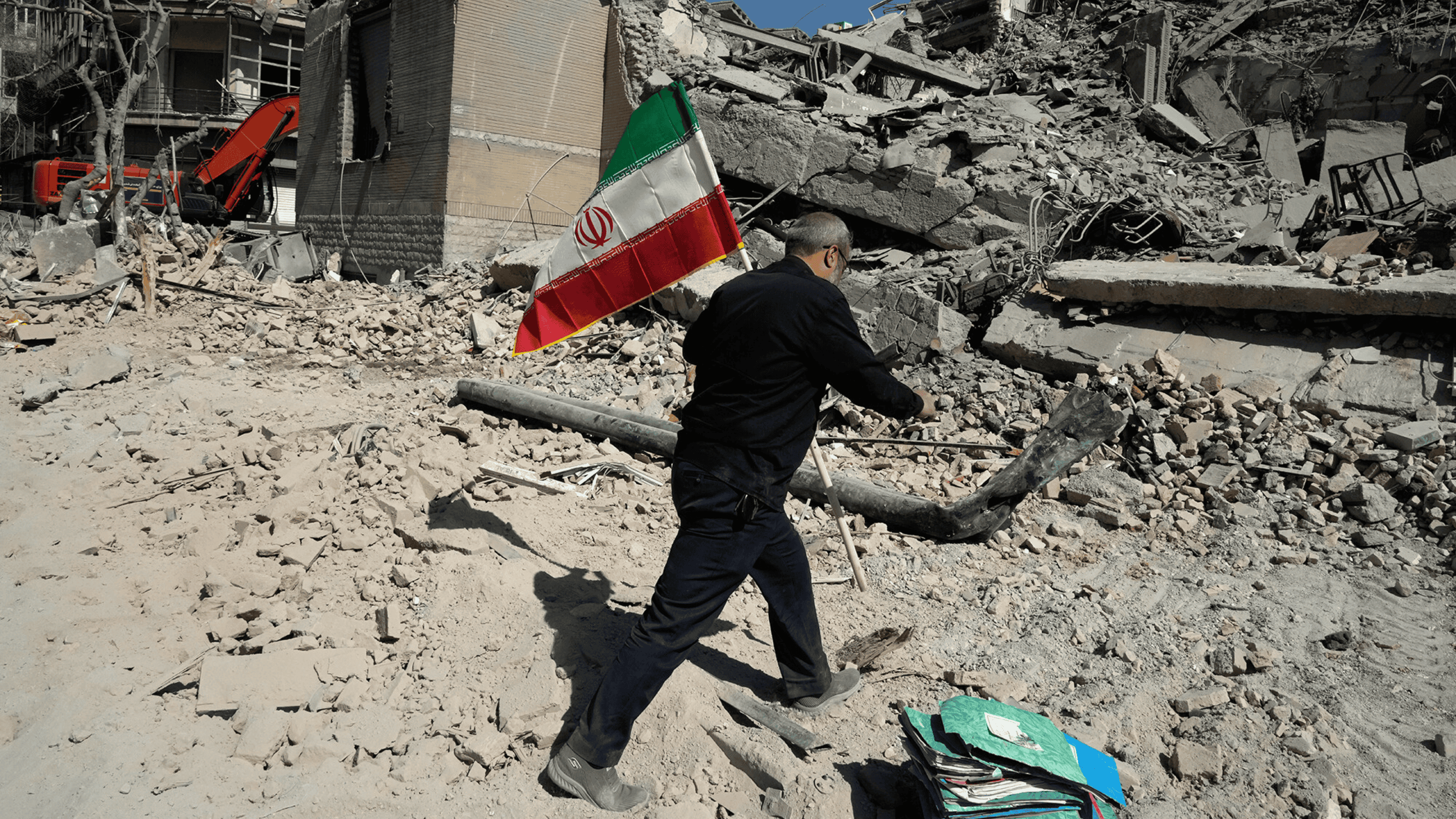
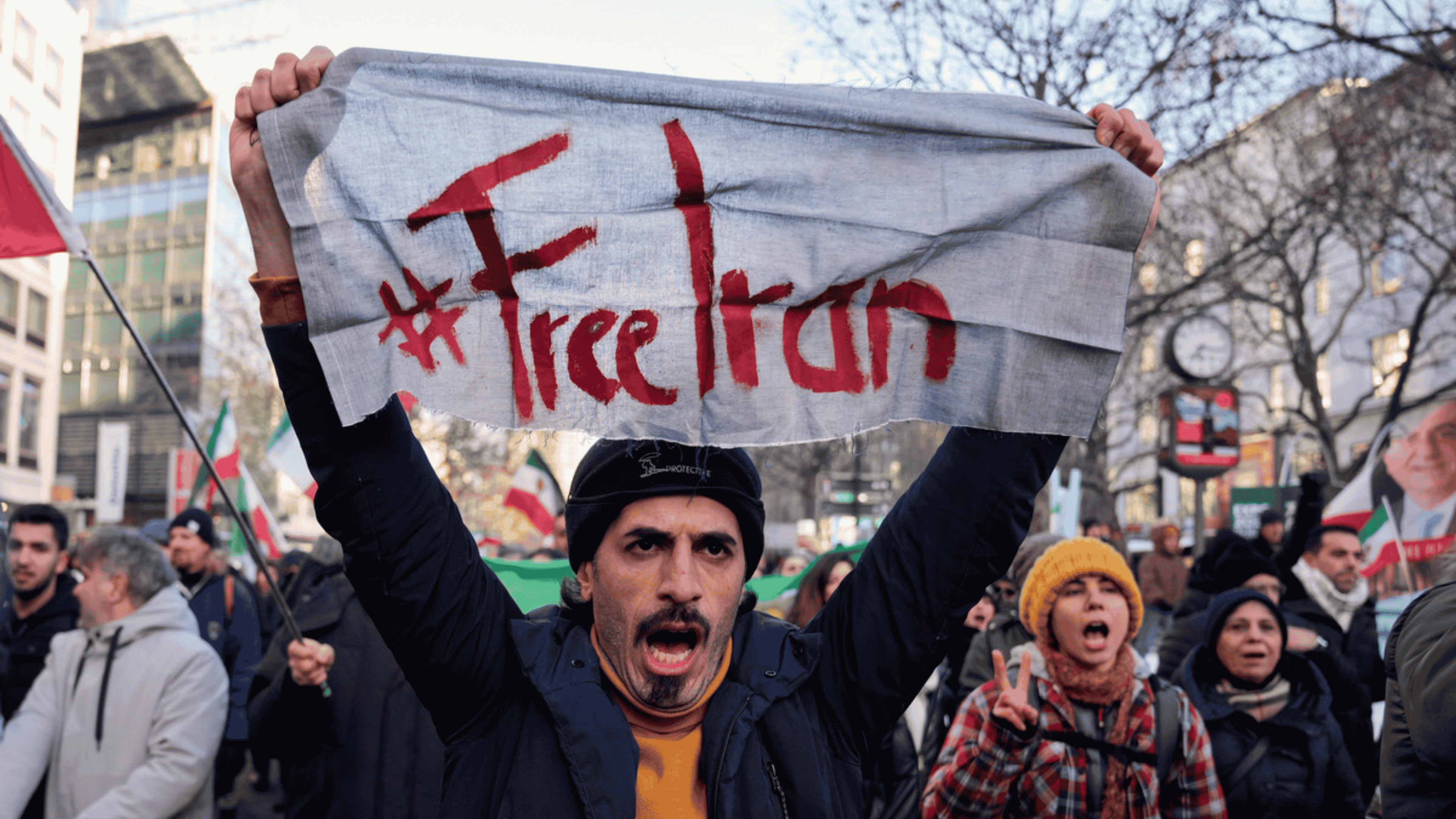
The war that began on 28 February with U.S. and Israeli strikes on Iran was followed by the killing of Supreme Leader Ali Khamenei, a large-scale Iranian response, the closure of the Strait of Hormuz and a U.S. blockade on Iranian ports imposed on 13 April.
A fragile truce reached on 8 April with Pakistani mediation is still holding. But a “double blockade” remains in place: Iran has not fully reopened Hormuz, while the United States has not resumed shipping links with Iranian ports.
That has direct consequences for trade. Commercial routes through Iran — including the International North-South Transport Corridor, the port of Port of Chabahar and the Strait of Hormuz — remain effectively closed to banks, insurers and cargo operators.
Cargo moving through the Suez Canal and the Red Sea has also been forced onto longer routes to reach the Mediterranean.
As a result, the Trans-Caspian corridor is emerging as the only realistic route for moving freight from China to Europe without exposure to sanctions, military risk or maritime blockades: China — Kazakhstan — Caspian Sea — Azerbaijan — Georgia/Turkey — Europe.
The numbers reflect a wartime reality
The figures show sharp growth. Around 57,000 containers moved along the Trans-Caspian route in 2024, up from 20,500 in 2023. In 2025, total container traffic reached 76,900 TEU, a rise of 36% year on year.
In the first three months of 2026 alone, 125 container trains left China, up 34.4% from a year earlier. With the outbreak of war, the picture changed sharply. According to Azerbaijani logistics expert Rauf Agamirzayev, demand for container transport jumped by 450-500% in the first week of March compared with the same period last year. Container turnaround times at the ports of Aktau and Baku tripled.
The Port of Alat can currently handle 150,000 TEU, with plans to expand that to 260,000. Annual capacity on the Baku–Tbilisi–Kars railway has reached 5 million tonnes. The Horadiz–Agbend railway, with a capacity of 15 million tonnes, is due to open this year. Kubanychbek Omuraliev, secretary general of the Organization of Turkic States, forecasts a further 10% rise along the route in 2026.
The first signal came not on the ground, but in the air. In a single day, 1,800 commercial flights were rerouted across Eurasian airspace, while air freight rates between South Asia and Europe rose by 70%. A narrow air corridor through the South Caucasus — a route used since 2022 to bypass Russian airspace — has become one of Eurasia’s key transit arteries.
Who stands to gain?
For Azerbaijan, the Middle Corridor is no longer just a geopolitical asset. It has also become a source of strategic indispensability.
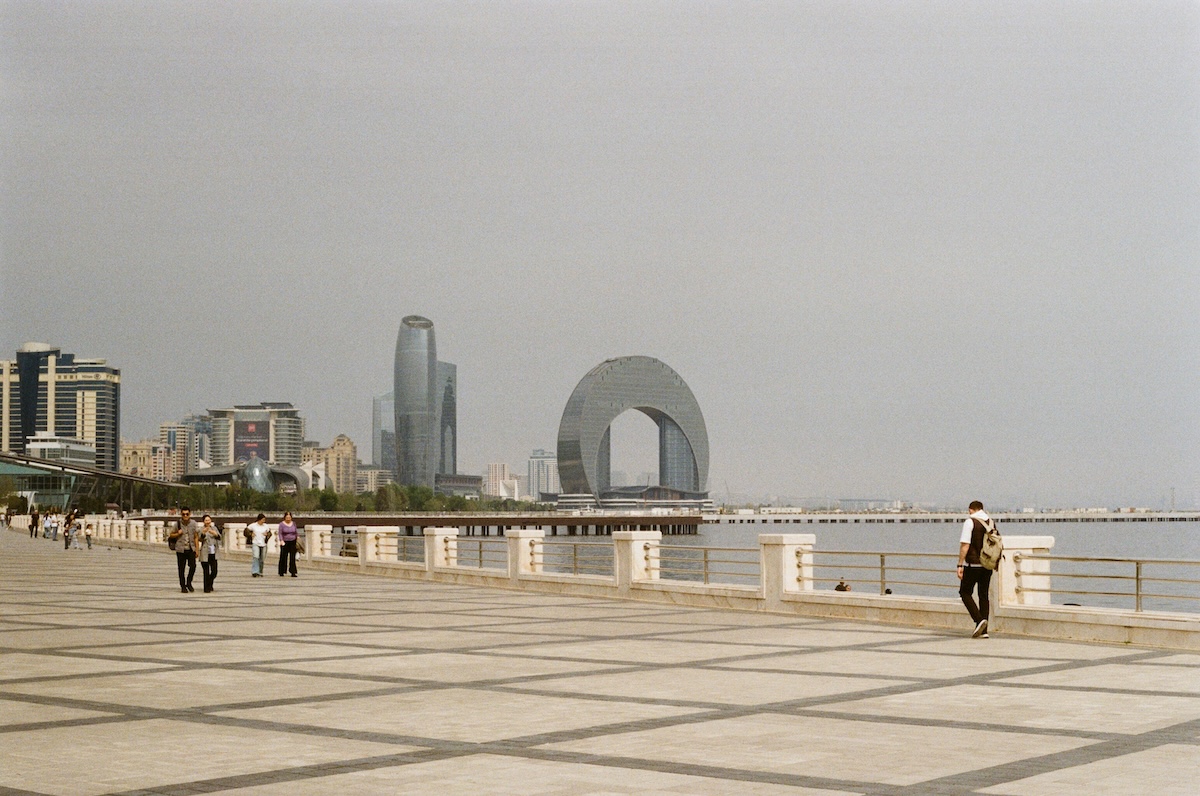
The Port of Alat, the Alat Free Economic Zone, the Baku–Tbilisi–Kars railway and the Baku–Tbilisi–Ceyhan pipeline together reinforce Baku’s position as a vital Eurasian transit hub. Transit of Kazakh oil through BTC is rising to 2.2 million tonnes a year. In December last year, Baku’s port handled more than 100,000 containers in a year for the first time.
At the same time, Azerbaijani oil accounted for 46.4% of Israel’s crude imports in 2025, largely through BTC. In current conditions, that strengthens Baku’s strategic weight, but also increases its vulnerability.
Kazakhstan may be the biggest beneficiary. Upgrades at the ports of Aktau and Kuryk, the state-backed Middle Corridor programme and a goal announced by Ilham Aliyev and Kassym-Jomart Tokayev in Astana in October 2025 to raise trade turnover to $1 billion all point to the same strategy: cutting reliance on Russian territory and diversifying export routes.
KTZ Express has ordered six new vessels. In Aktau this quarter, the ASYLO-2 digital customs system and the KTZ multimodal booking platform are due to launch. China’s National Development and Reform Commission has also openly backed efforts to strengthen Aktau and Baku as regional hubs.
For Georgia, the ports of Poti and Batumi, the western terminal of the Baku-Tbilisi-Kars railway and the planned Port of Anaklia could give direct access to the European Union’s Global Gateway funding package. But political tensions in Tbilisi and worsening ties with the EU mean Georgia can no longer assume its role as a “natural pro-European partner”.
The Baku–Tbilisi–Kars railway is helping turn Turkey into a hub for Eurasian-European logistics. In August 2025, Ankara began building the Kars-Igdir-Aralik-Dilucu railway. Once linked to TRIPP, the line will give Turkey a direct connection to Central Asia.
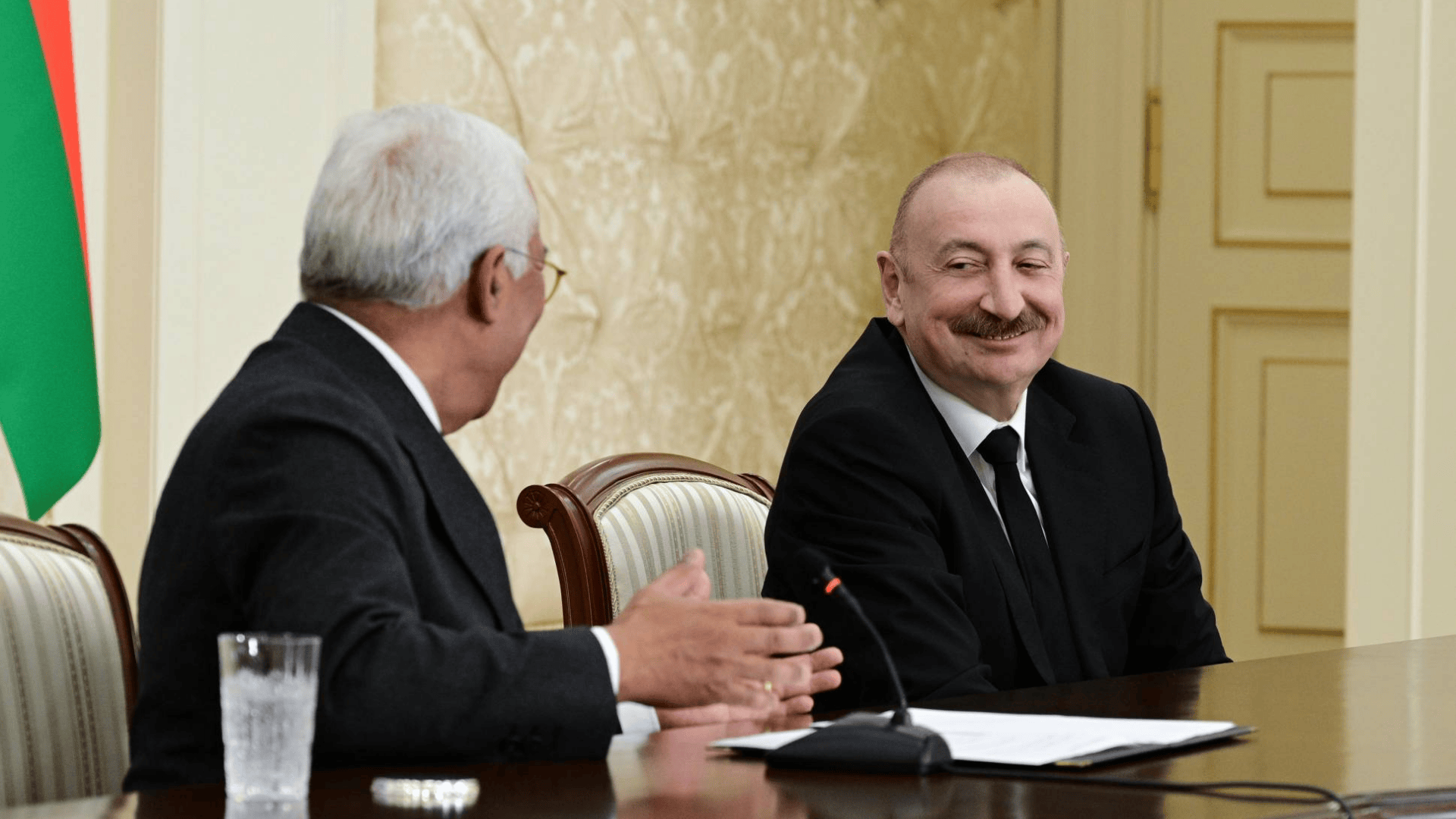
For the European Union, the Middle Corridor now offers a chance to reduce two strategic dependencies at once — on Russia, and on routes running through Iran and the Strait of Hormuz. Talks on a Partnership and Cooperation Agreement, revived during a visit to Baku last April by EU foreign policy chief Kaja Kallas, are continuing. In May and October, Ilham Aliyev also met Ursula von der Leyen and António Costa at European Political Community summits.
For China, this route is no longer an alternative but a main European branch of the Belt and Road Initiative. In January, rail transit time from Xi’an to Baku was cut to 11 days, and six departures a week became standard.
Geopolitical context: a new U.S. role
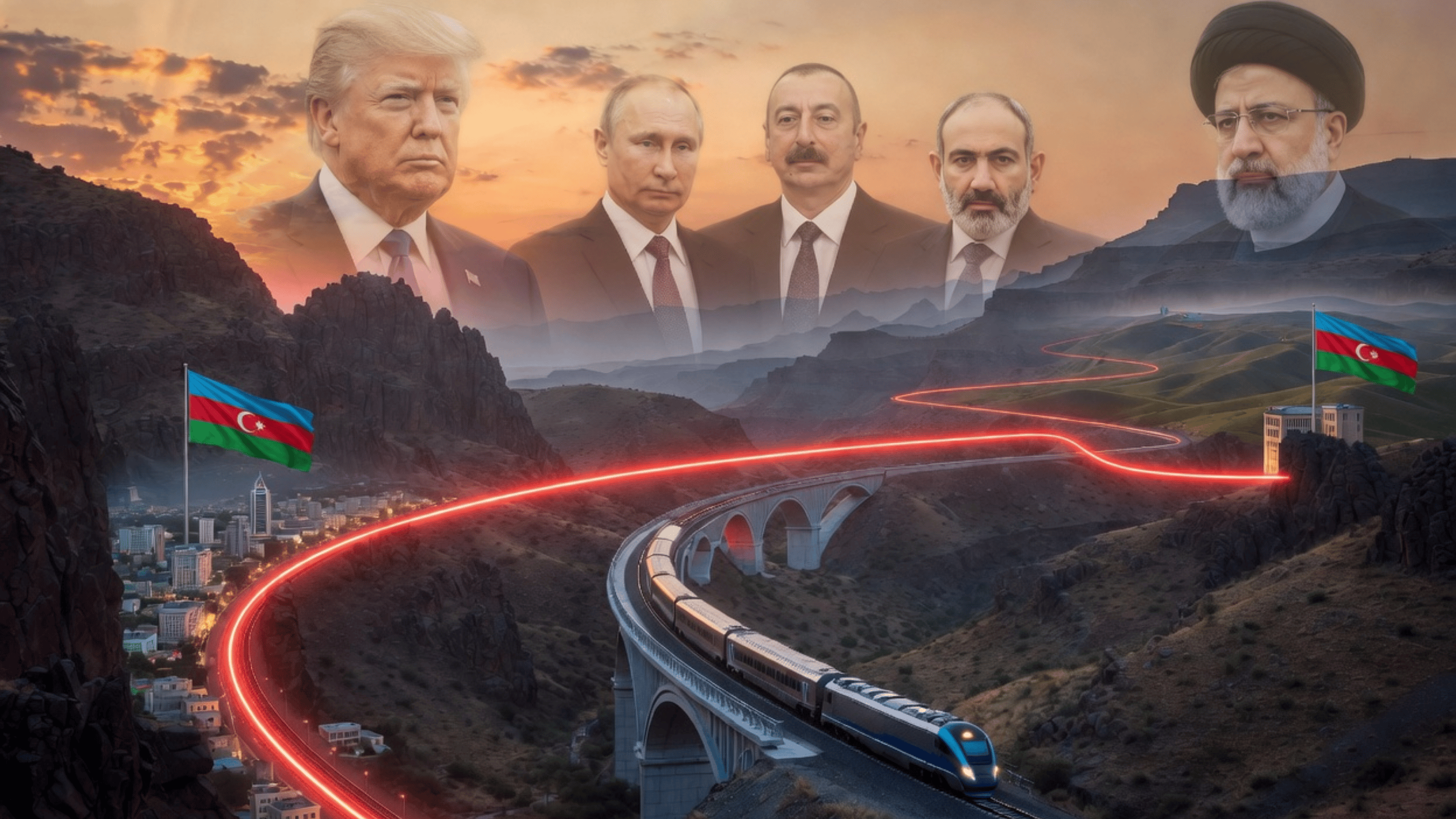
A joint statement signed in Washington on 8 August 2025 by Ilham Aliyev, Nikol Pashinyan and Donald Trump has altered the strategic landscape in the South Caucasus. The document includes three key elements: dismantling the OSCE Minsk Group, initialling a peace agreement between Armenia and Azerbaijan, and launching the TRIPP project.
The 43-km corridor will run through Armenian territory and remain under Armenian law. At the same time, the United States will receive special development rights for 99 years. Construction is expected to begin this year.
Strategically, TRIPP fills what many see as the South Caucasus missing link in the Middle Corridor. It would allow cargo from China to reach European markets not only through the Baku–Tbilisi–Kars railway, but also through Nakhchivan and Turkey. At the same time, it anchors a physical U.S. presence in the region.
Emil Avdaliani, a researcher at the Tbilisi-based Geocase, says the resilience of regional logistics to sanctions and military shocks will ultimately depend on the strength of the Caspian segment.
Robert M. Cutler, a senior fellow at Carleton University, wrote in Asia Times that the significance of the new agreements between Baku and Astana lies in making existing mechanisms work in a coordinated way, including digital customs systems and real-time cargo tracking in ports.
Risks and counterarguments
Behind the optimistic picture lie serious constraints.
First, there are limits to physical capacity. Existing infrastructure could not absorb a 500% surge in demand in a single week. Container turnaround times at the ports of Aktau and Baku tripled, while customs points and support fleets have been operating under strain.
Second, there is the falling level of the Caspian Sea. Since 2020, water levels have dropped by 30-40 cm. In recent years, the annual decline has been 5-7 cm. That reduces maximum vessel draft at Aktau’s berths by 10-15%. As a result, each ship carries less cargo, and more voyages are needed to move the same volume.
Third, there is the vulnerability of the South Caucasus segment. On 5 March, two drones from Iranian territory struck Nakhchivan International Airport and the village of Shakarabad. President Ilham Aliyev called it a “terrorist act”, though tensions were quickly contained. On 8 March, Masoud Pezeshkian called Aliyev. On 9 March, the border reopened. Later, Baku sent two shipments of humanitarian aid to Iran, 30 and 82 tonnes.
The episode is seen as evidence of Baku’s ability to manage escalation carefully. At the same time, it was a reminder of how quickly the South Caucasus segment can become a target.
Fourth, there is the paradox itself. An analysis published in The Diplomat argues that every major rise in the Middle Corridor’s importance has been driven by crisis — sanctions on Russia, instability in the Red Sea, and now war with Iran. Each time, the route has proved functional. But its value still emerges mainly in times of crisis. Structurally, it remains an alternative rather than the norm.
Relations between Baku and Tehran also rest on a fragile balance. The Astara-Rasht railway link formally remains a key part of the North-South corridor, but in practice the project is frozen. Azerbaijan is both a strategic partner of the Western bloc in energy and infrastructure — including oil exports to Israel through the Baku–Tbilisi–Ceyhan pipeline — and a country that keeps open borders and humanitarian ties with Iran. That multi-vector policy remains central to Baku’s foreign policy strategy in what is effectively a semi-war reality.
Who stands to gain most?
The short answer is that China and Kazakhstan stand to gain the most.
Beijing gets an independent route to European markets, one less exposed to war and sanctions. Astana, meanwhile, moves closer to a long-term goal — reducing dependence on Russia.
Azerbaijan, however, gains something even more valuable than transit revenues: strategic indispensability. In wartime conditions, that is no longer symbolic. Neither the United States, the European Union, Turkey nor China has another route that bypasses Baku.
Over the next three to five years, infrastructure will be decisive. The Caspian fleet would need to expand. Capacity on the Baku–Tbilisi–Kars railway would need to rise beyond 5 million tonnes. Customs digitalisation would need to be completed. Dredging would also be needed to adapt to falling water levels in the Caspian Sea.
If those constraints are removed, the Middle Corridor could stop being an “alternative route” and become part of the main transport network. Otherwise, any easing in U.S.-Iran relations, a reopening of the Strait of Hormuz or revival of the North-South corridor could send some cargo back through Iran.
For now, the picture is clear: war has redrawn the map, and Baku and Astana are at the centre of that shift.

Middle Corridor and Azerbaijan