Opinion: Who becomes Georgia’s next Patriarch is question of interest not only to Georgia, but also to Russia






Opinion on Georgia’s next Patriarch
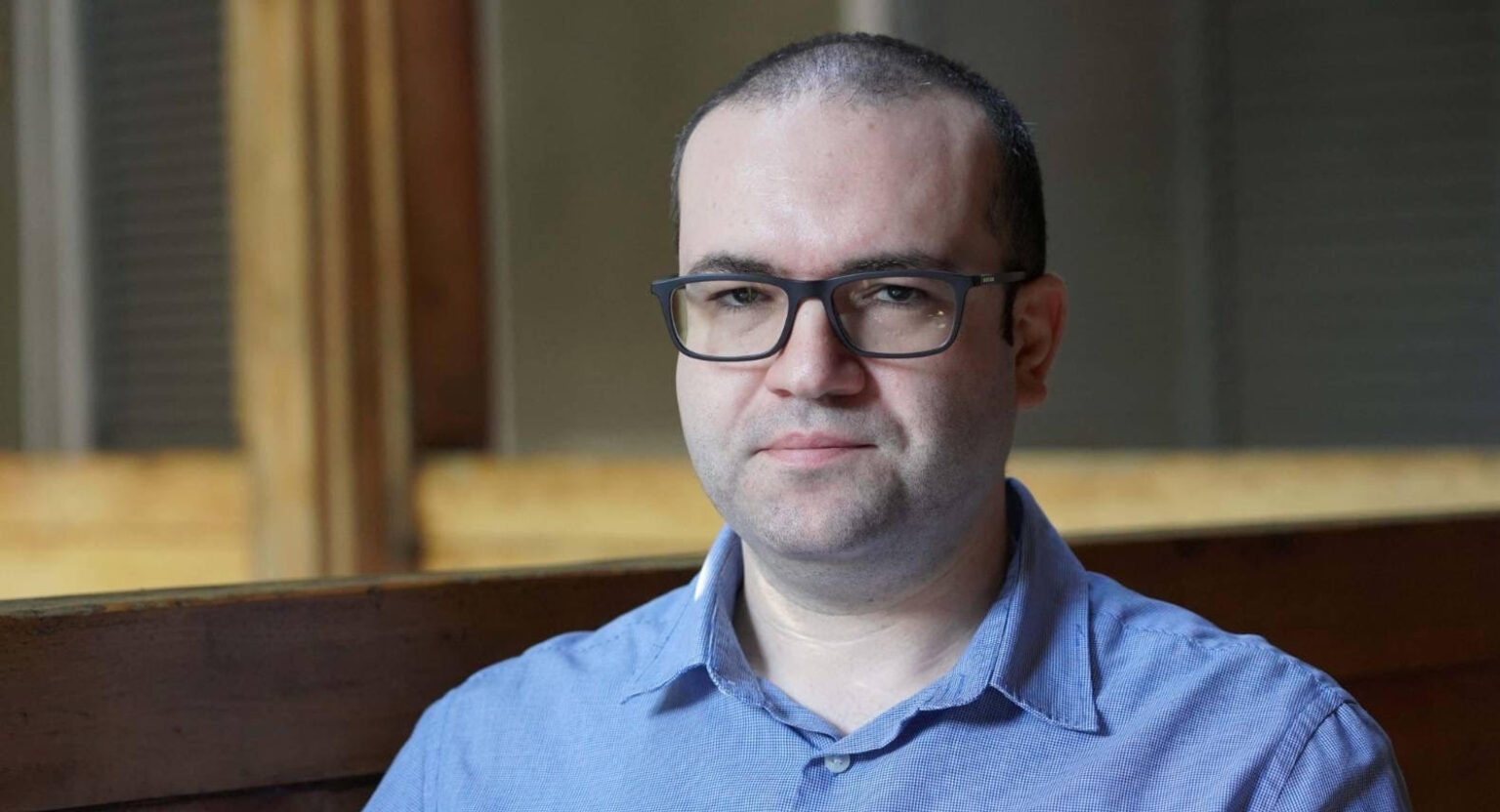
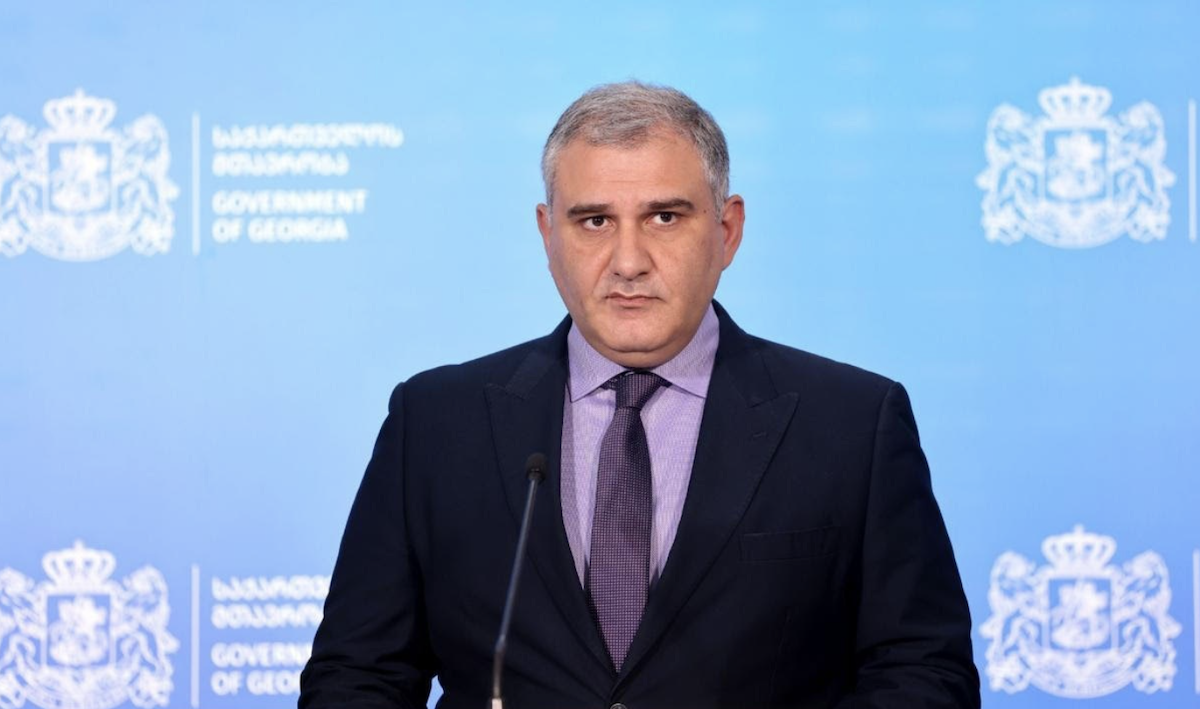
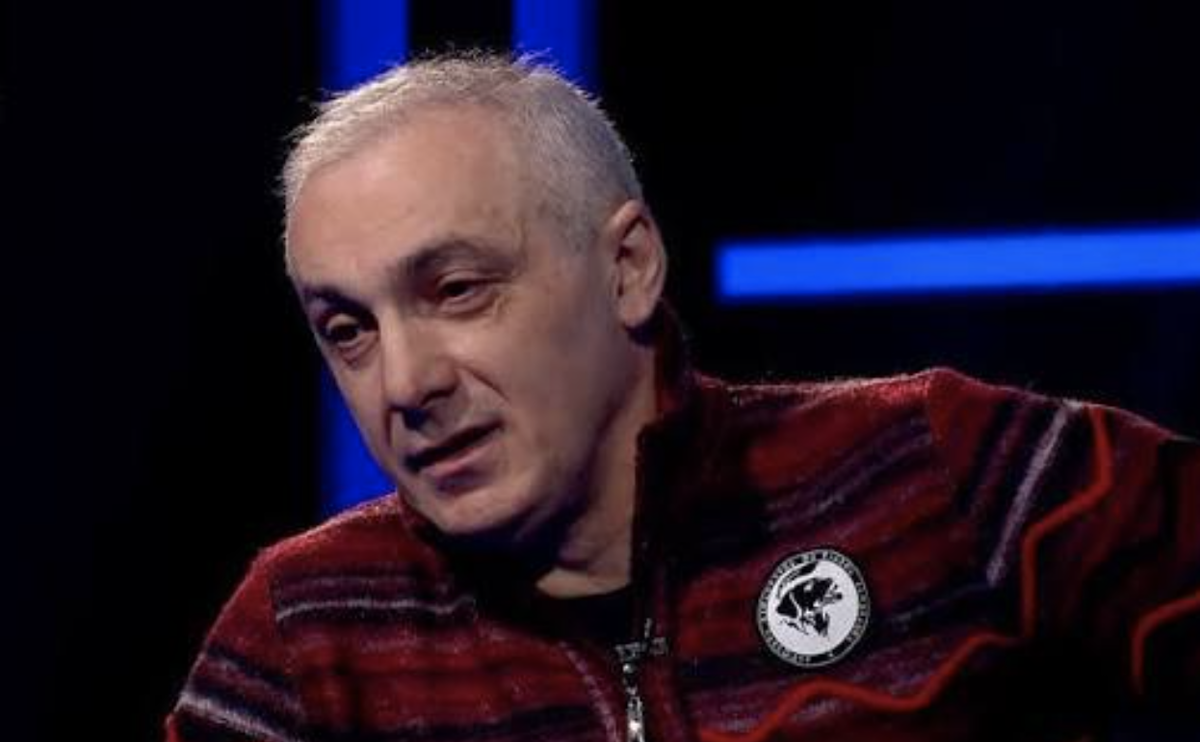
Political analyst Vakhtang Dzabiradze, commenting on the death of Catholicos-Patriarch Ilia II and the subsequent transition of power, said it would be desirable to separate the Church from politics, but that this is virtually impossible in Georgia’s current reality. In his view, the question of who becomes the next Patriarch is of interest not only to Georgian politics, but also to Russia.
He also criticised the fact that, on the day of the Patriarch’s funeral, access to the Holy Trinity Cathedral was limited to members of the ruling party and their circle, adding that opposition leaders should also have been present.
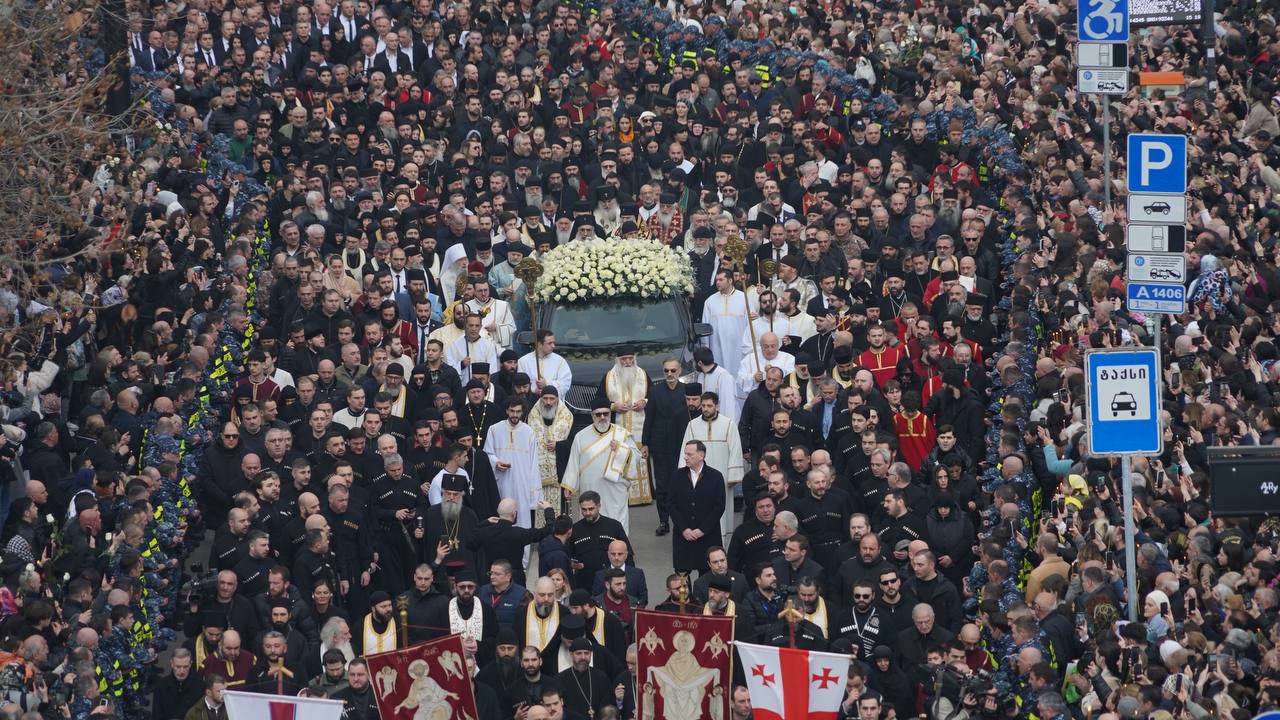
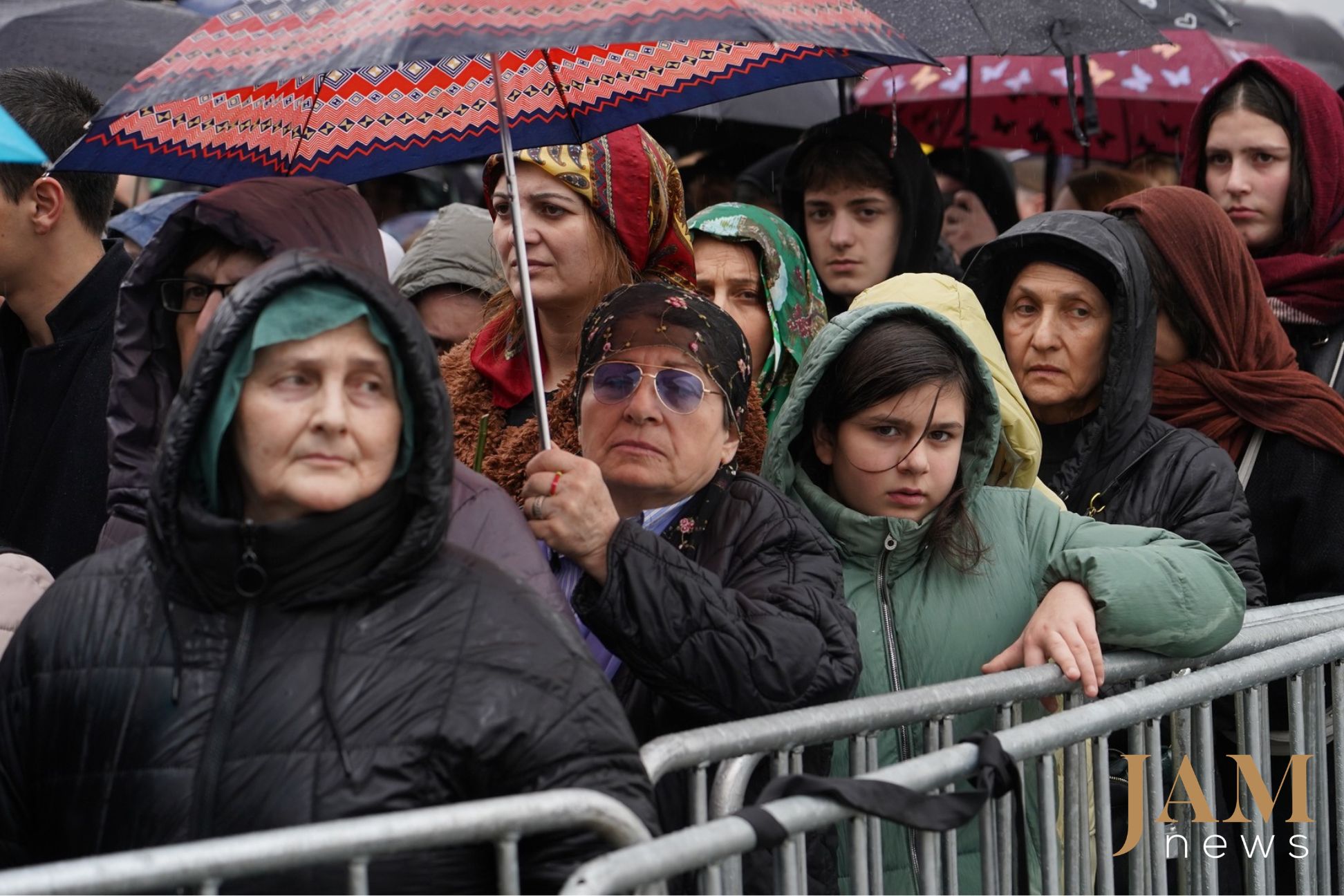
Catholicos-Patriarch of the Georgian Orthodox Church Ilia II was buried on Sunday, 22 March 2026, at Sioni Cathedral in Tbilisi. After five days of mourning, the country bid farewell to a figure who for nearly half a century shaped the direction of the Church and, often, of society as a whole. His funeral became a major historic event and a display of collective emotion.
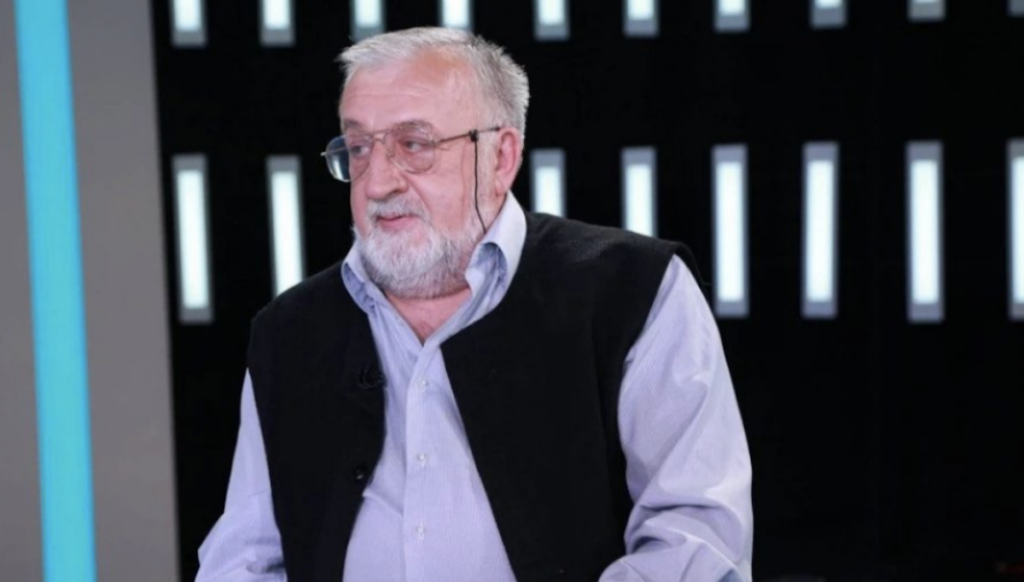
Vakhtang Dzabiradze said:
“Of course, when such a figure passes away — whether a clergyman or a layperson — a huge void emerges that is difficult to fill in any circumstances. In the case of the Patriarch’s death, that void is particularly deep. He had enormous authority.
The Patriarch was like a father, and we are like brothers. Relations between brothers cannot be the same as those between the Patriarch and the current members of the Synod. Whoever becomes Patriarch, there are different groups with different political interests. It is hard to say whether the state and the political elite will remain neutral.
Even during the days of mourning, when senior clergy touched on this issue, they repeatedly said that the successor — the one who will be elevated to the Patriarchal throne — will not necessarily become a Catholicos-Patriarch in the same sense. The only thing that can be assumed, and most likely will be the case, is that we are facing a rather complex process.
The Patriarchate has been the only institution in the life of the nation that has preserved unity until now. I would like it to maintain that unity after the election of a new Patriarch, rather than split. Because this would affect the whole of society. We are already fragmented and decentralised, and if a religious dimension is added — however politicised — it will be harmful for the nation and the country as a whole.
As for the chances of Bishop Shio [the leading contender], it is difficult for me to predict, as I am not familiar with the internal workings of the Patriarchate. I am speaking based only on observable reality and the information available.
Bishop Shio has been in a position of authority for some time and appears to have established a certain level of contact with the government, but this does not mean the government has no alternative. It will, of course, want a fully compliant candidate. I cannot say whether Bishop Shio meets that criterion.
Who will become Patriarch? This question is of interest not only to Georgian politics, but also to the neighbouring Russian Orthodox Church. Naturally, it has its own interests, including in relation to the recognition of Ukraine’s autocephaly. There are also issues concerning developments in the Pitsunda and Sukhumi-Abkhaz dioceses. There are many interests involved.
Politics in every country seeks stable relations with the Church. Where possible, it will try to extend its influence over the Church and the wider religious sphere. It is clear that it would be better for the Church to be free from politics, but in our reality this is practically impossible. There may be individuals within the Synod whose relations with the government are not fully aligned and who will not take its views into account, but the majority today will likely consider the government’s stance towards any given candidate.
To speak frankly, the opposition in Georgia has never played a significant role under any government, including under the United National Movement. If they were in power today, what would be different? Would the United National Movement have invited opposition representatives to the funeral? No — that is the problem.
The problem is that we have failed to move away from a model of totalitarian governance. We gained independence, but retained a totalitarian system of rule.
Unfortunately, there has not been a political government in this country that has not regarded the opposition as an enemy. If the opposition is seen as an enemy, a traitor or a spy, then the government must prove it and act accordingly. It is clear that Georgian Dream has spoken about a complete ban on opposition parties, but I believe this is just rhetoric. What happened [at the funeral] was wrong. Opposition representatives should have been present. But this reflects a broader reality across the country, and that is our core problem.”
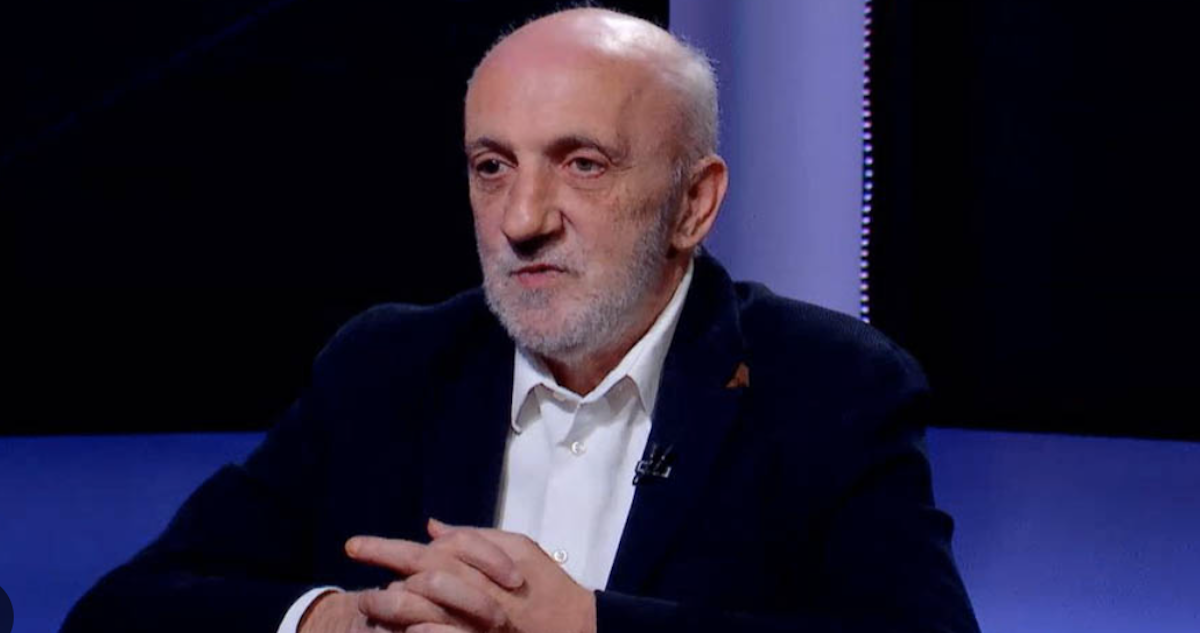
“The government is always given decisive importance, and it always has the resources to take the first step if it truly wants to — but does it really want to? Is there any chance the government would be concerned by statements from the Patriarch and begin changing its policy tomorrow or the day after? I do not think so.
The government feels quite comfortable. It may not enjoy broad public support, but institutions are functioning smoothly. It faces no real problems from a fragmented society. On the contrary, this allows it to manoeuvre and use the political situation to retain power. It has done so until now and will continue to do so. No external will is likely to force it off this path.”
“All governments — especially under a system like the one in this country — take decisive steps only when they are under threat. Does the government today face any real threat from the opposition or society? No. They feel secure and control all institutions. Growing isolation from the West is an issue, but as long as it does not spread to society, it poses no real risk to the government.
Do you expect detainees to be released out of goodwill or because of mourning? Lukashenko, for example, has found a new model of relations — exchanging prisoners and gradually rebuilding ties.
In any case, his relations with the United States are now better than they were before. The Georgian government sees this and may ask why it should not do the same.
Only when domestic discontent reaches a critical level will there be a real chance that the state will make concessions. Until then, no institution will collapse. In Georgia’s history, changes of government have occurred during periods when public dissatisfaction reached its peak.”
Opinion on Georgia’s next Patriarch