Armenia and Georgia rated 'partly free' in updated Freedom House report






Freedom House “Freedom in the World 2026” report
In 2025, political rights and civil liberties declined in 54 countries worldwide, while improvements were recorded in just 35, according to the international rights group Freedom House. The findings appear in its report Freedom in the World 2026: The Growing Shadow of Autocracy.
The report classifies Armenia and Georgia as “partly free”, while Azerbaijan is rated “not free”. Both Armenia and Georgia scored lower than in the previous year, although Armenia maintained its score of 54.
Two other neighbouring countries — Iran, with 10 points, and Turkey, with 32 — are also classified as “not free”.
The maximum score in the global freedom index is 100. It consists of two components:
- political rights — 0 to 40 points,
- civil liberties — 0 to 60 points.
- Opinion: Pashinyan is right — Armenia’s path to the European Union will become harder if Georgia remains in its current state
- ‘Main obstacle to Armenia’s EU integration is frozen EU-Georgia dialogue’ – Pashinyan
- EU document on Ukraine calls on Russia to withdraw troops from Georgia, Radio Liberty reports
Armenia maintains last year’s rating
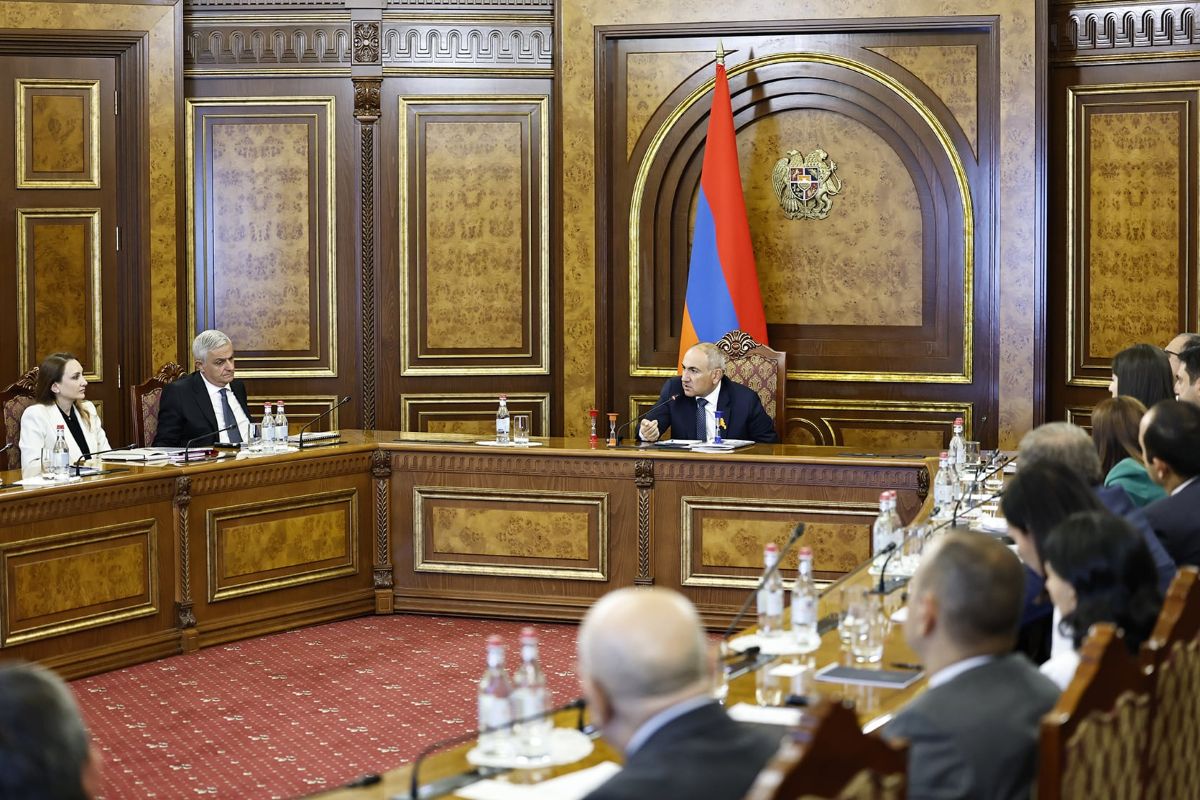
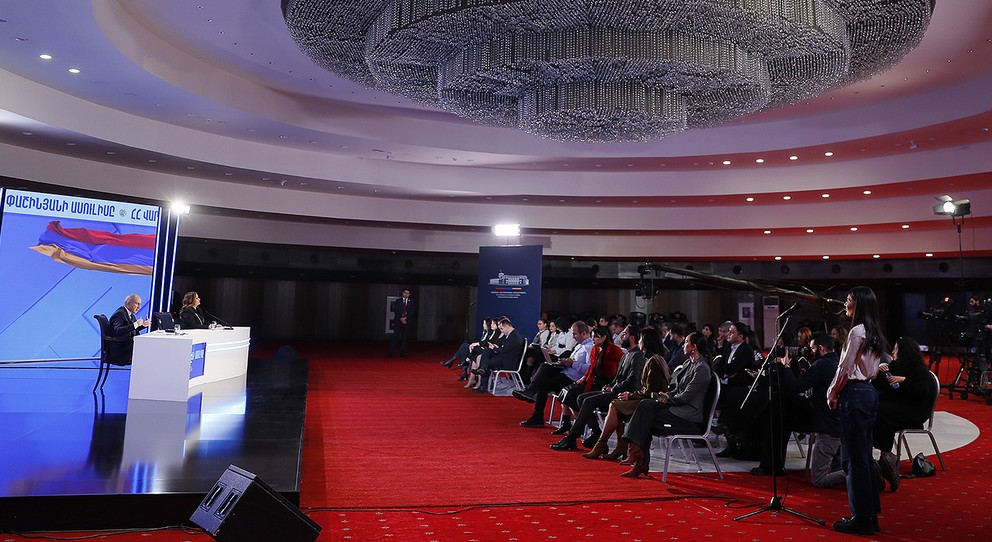
The Freedom in the World 2026 report does not yet include a full section on Armenia on the official Freedom House website. The organisation has published only the scores so far. Armenia received 54 out of 100 points. It remains in the category of “partly free” countries.
Armenia scored 31 out of 60 for civil liberties and 23 out of 40 for political rights.
Freedom House notes in its country overview that Armenia experienced major changes after mass anti-government protests in 2018. Elections followed. They forced the previous political elite to step down.
“Since then, the government has worked to address long-standing problems, including systemic corruption, lack of transparency in policymaking, a flawed electoral system and weak rule of law,” the organisation says on its website.
Political pressure and legal restrictions in Georgia
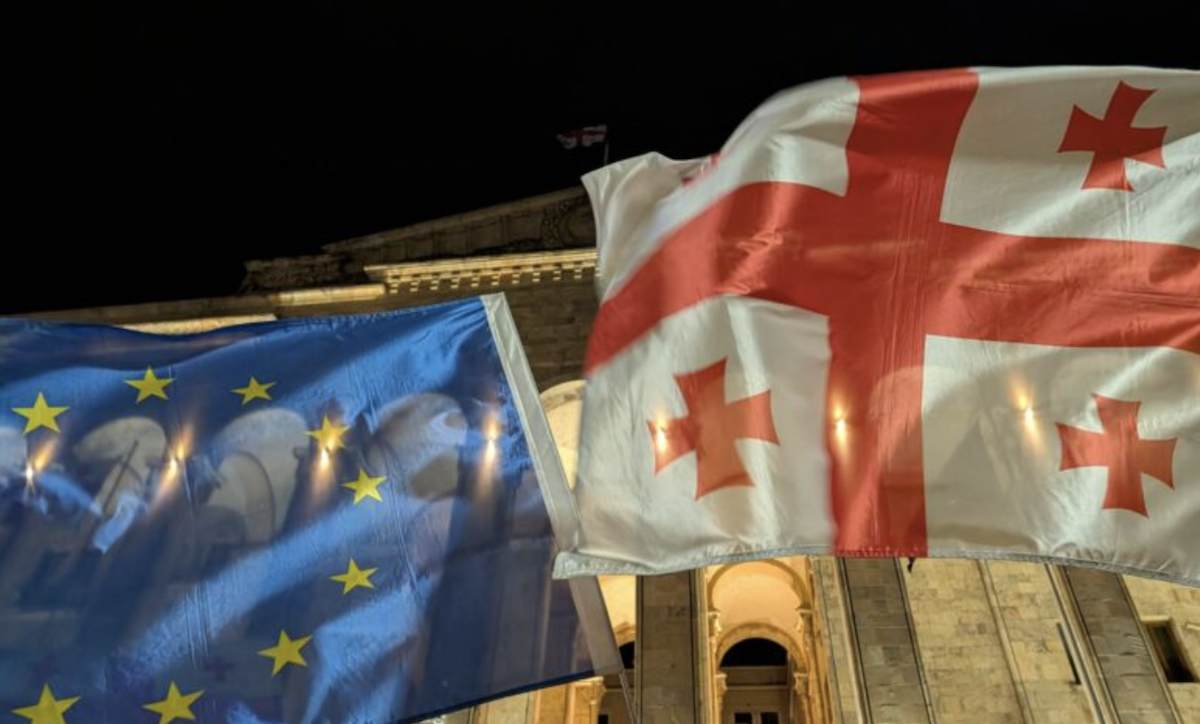
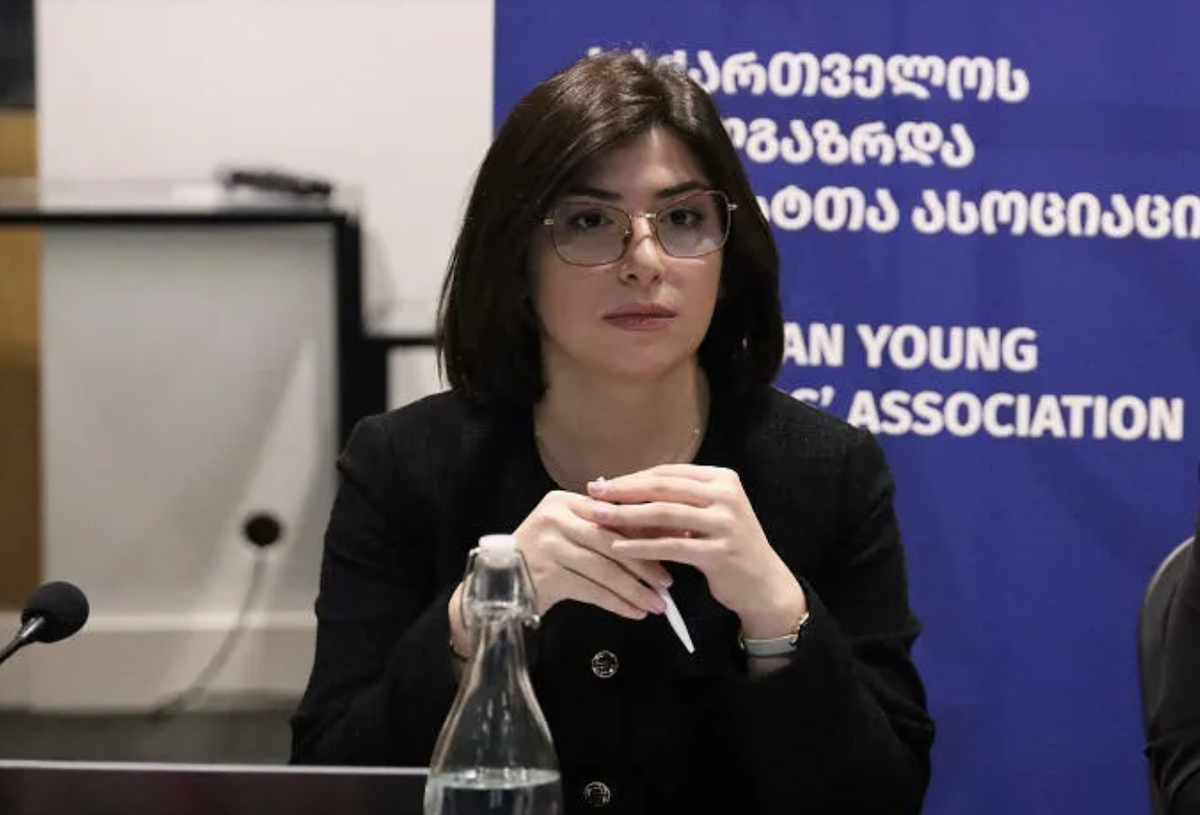
Neighbouring Georgia also falls into the category of “partly free” countries. It scored 51 points this year, down from 55 in the previous year.
The report highlights that large-scale anti-government protests, which began in Georgia in 2024, continued throughout 2025.
Rights groups say protesters faced disproportionate use of force and ill-treatment by police.
“Opponents of the ruling Georgian Dream party faced physical attacks, harassment and new legal restrictions aimed at limiting the participation of opposition parties and civil society in public life.”

Authoritarian resilience in Azerbaijan
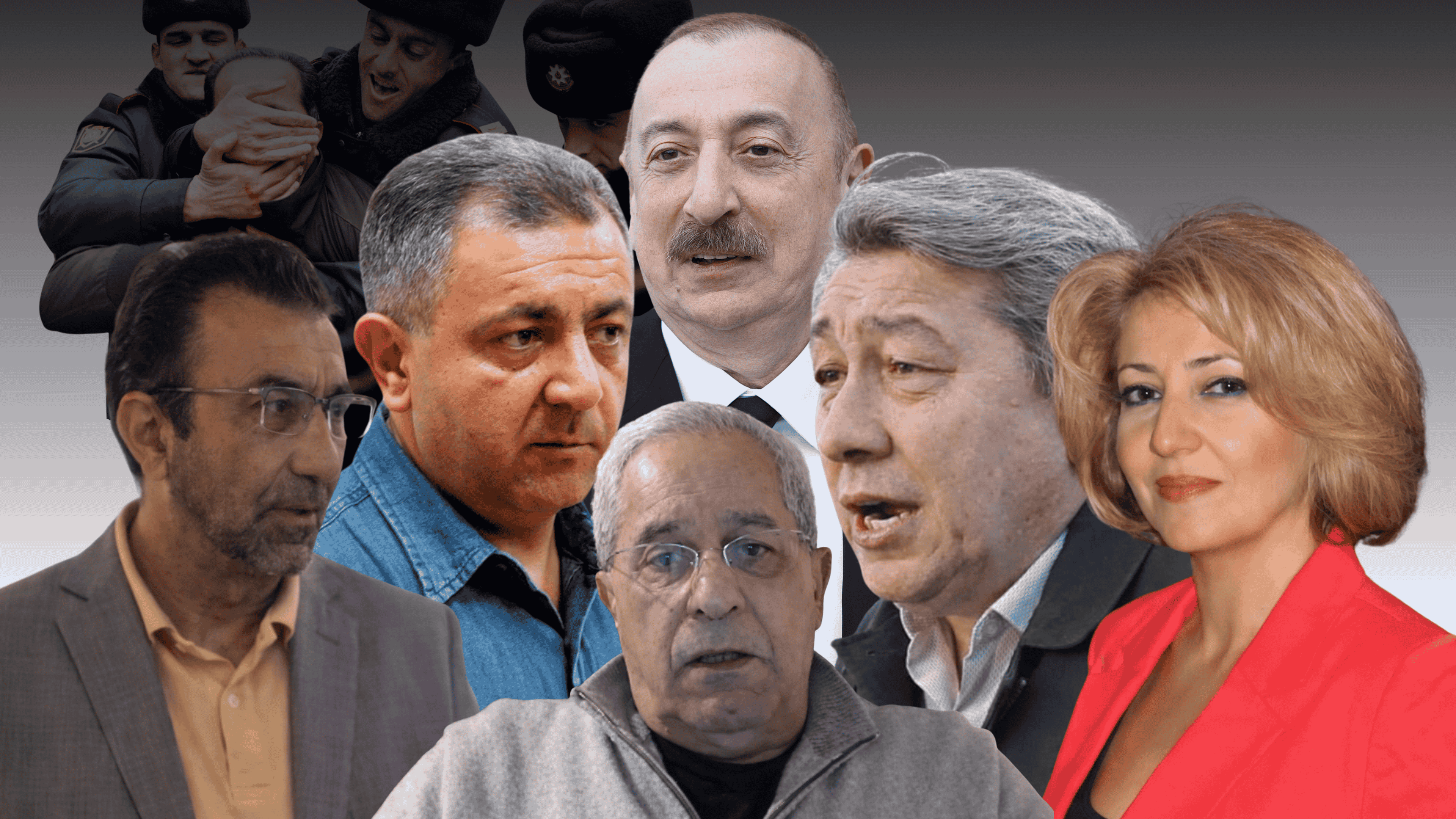
Azerbaijan has been classified as “not free” since 2002. Freedom House data show that the country’s score has fallen from 33 to 6 over the past two decades. It dropped by one point over the past year, down from 7.
Experts say the decline reflects increased repression of civil liberties by the authorities.
The report states that the situation has deteriorated significantly since 2005. It links this trend to the consolidation of authoritarian rule in the hands of the president and his family.
Freedom House notes that after Ilham Aliyev succeeded his father as president, he expanded presidential powers and weakened judicial independence.
“In the absence of an independent judiciary and even independent media, corruption continues to thrive, and the Aliyev family treats state resources as a source of private benefit.”
The report also says state-funded pro-government media “bolster the authorities’ standing and discredit the opposition”.
According to Freedom in the World 2026, when propaganda proves insufficient to suppress dissent, “autocrats use their control over security forces and the justice system to intensify repression.”
Freedom House “Freedom in the World 2026” report