'This is not peace, but defeatism': a dissenting view on Armenia’s security strategy






How Armenia should ensure its security
The situation in the Middle East is extremely tense. Powers are trying to redraw borders, and the balance of power is shifting. Some Armenian experts say the region now follows the same logic that the South Caucasus experienced in 2020. In their view, the war in Nagorno-Karabakh that year created a new regional order. In this order, force dictates the rules rather than law. Since then, they argue, Yerevan has chosen a strategy of concessions.
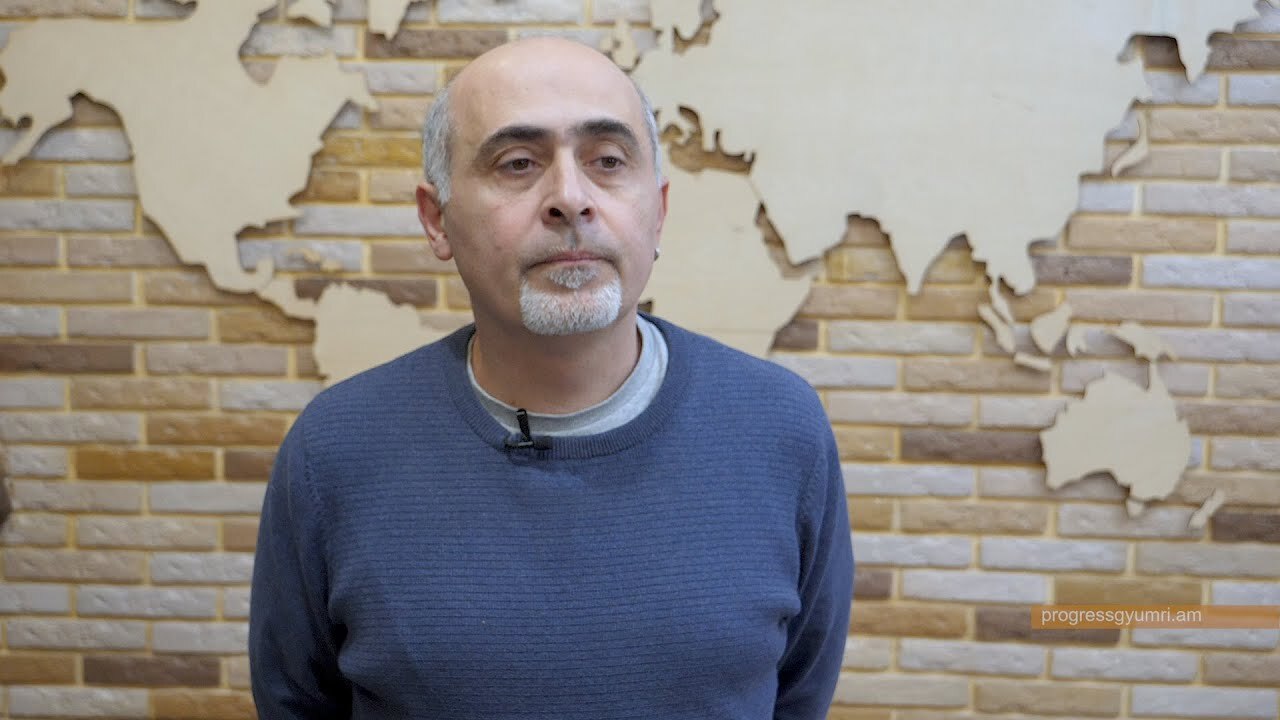
CIS affairs expert Lilit Grigoryan says this approach amounts to “not peace, but defeatism”. Here is her view on what Armenia should do to ensure its security.
- ‘Peace is strengthening’: outcomes of the third meeting of Armenian and Azerbaijani experts
- Pashinyan and Aliyev receive the Zayed Prize for Peace Efforts: why it matters
- Opinion: ‘Armenia is returning to space it was pushed out of’
Comment by CIS affairs expert Lilit Grigoryan
Iran between weakening and fragmentation
“What is happening in Iran is the result of processes that have unfolded over decades. The weakening of Iraq after the US invasion disrupted the regional balance of power. A redistribution of that balance became only a matter of time. Today the Middle East is undergoing a major reconfiguration, in which Israel pursues its own ambitions.
Two scenarios appear possible for Iran. The first is the gradual weakening of the regime while the country’s territorial integrity remains intact. Most European states support this scenario. The second is the fragmentation of Iran through support for separatist movements in certain regions. Israel is primarily interested in that option.
In any case, the regime will weaken. However, a prolonged conflict harms the countries of the Persian Gulf, which are already suffering significant losses. War drives oil prices up. Russia benefits from this situation. The United States has eased sanctions pressure in some areas and granted India a 30-day exemption from the ban on purchasing Russian oil. In addition, some weapons that had been intended for Ukraine are now being used against Iran. The conflict itself also shifts international attention away from the Ukrainian front, which again works in Moscow’s favour.”
South Caucasus without international law
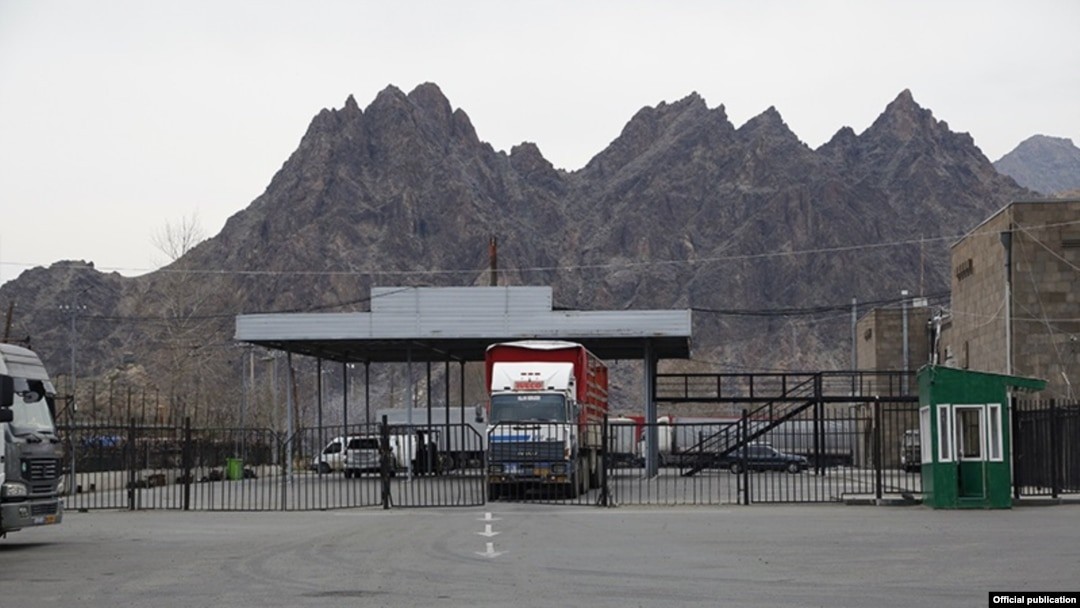
“What is happening in the Middle East today already took place in the South Caucasus in 2020. At that time, with the consent of Russia, Turkey and Iran, a redistribution of power began. Russia and Azerbaijan changed the regional balance to Armenia’s detriment. This process created a new model — regionalism. In this model, major players, primarily Russia and Turkey, set the red lines, while smaller countries such as Armenia and Georgia accept the new realities. Azerbaijan became a co-author of this model.
Regionalism is essentially an anti-Western concept. Smaller states seek security through cooperation with regional heavyweights rather than through Western institutions. Armenia now acts within this logic. It declares friendly relations with everyone but relies primarily on regional powers. Discussions about Yerevan pursuing a Western course contradict the idea of regionalism. Armenia’s actual policies suggest something different.
However, this model contains a fundamental flaw. The new order rests on force rather than law. Previously, the issue of Artsakh was addressed within the OSCE Minsk Group, where the key principle was the non-use of force. Russia and Azerbaijan dismantled that structure with Armenia’s effective participation. The region now operates according to the principle of force. This means the costs of the new order will fall first and foremost on the weakest states — the smaller countries.”
Peace in exchange for concessions
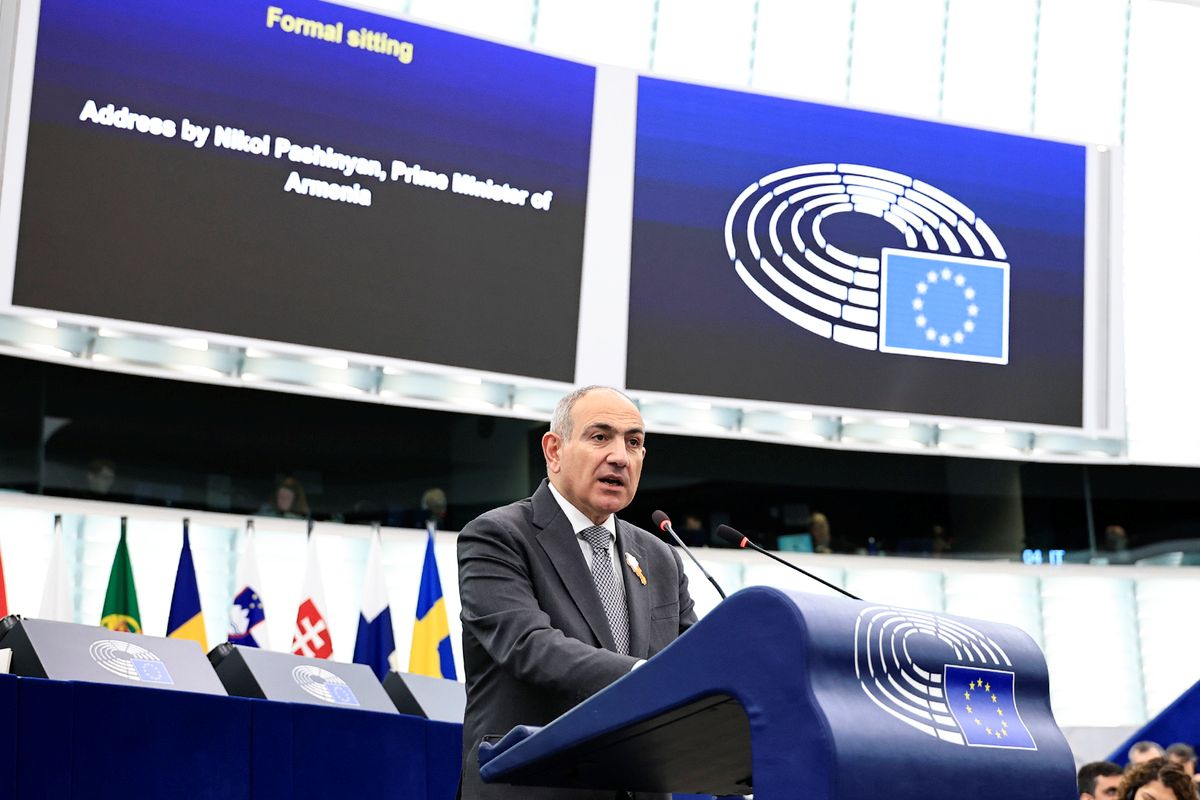
“Military action against Armenia will resume the moment it stops making concessions. As long as it continues to concede, there will be no military escalation.
Ahead of the elections, the authorities will avoid any steps that could provoke escalation. Their key message is an economic breakthrough and lasting peace in the region for 99 years, according to TRIPP. It is a politically advantageous position: the authorities can accuse any opponent of potentially bringing the country to disaster and war.”
The “Trump Route for International Peace and Prosperity” (TRIPP) is a proposed transport corridor that would connect mainland Azerbaijan with its exclave of Nakhchivan.
Armenia and Azerbaijan agreed to unblock the route with mediation from the US president. An American consortium would take part in managing the business operations linked to the project.
“But in a situation where the collective West no longer exists as a guarantor of international law, the greatest danger is the loss of a sense of reality — something the authorities are actively encouraging. Countries that can assess the situation soberly and recognise that the region is entering a period of military tension will emerge with the fewest losses.
When society sincerely believes that a single route — TRIPP, whose economic dividends remain uncertain — can solve everything, the most dangerous combination arises: loss of vigilance, lack of political will and absence of strategy.
The minimum Armenia can do under these conditions is pursue a policy of deterrence. But that requires political vision and determination.”
Deterrence strategy — the only way forward for Armenia
“A policy of deterrence is not the same as resilience. Resilience responds to blows after they occur. Active deterrence works preventively. A country identifies risks in advance and removes them before they grow. It seeks autonomy in all areas, not only in the military sphere.
Armenia has proclaimed ‘peace at any cost’. In reality, the country is moving not towards peace or stability but towards steady decline. The authorities have no plan B. Society is becoming divided and losing a clear understanding of what is happening. Under such conditions, the country risks finding itself unprepared for new challenges.
A policy of deterrence requires concrete steps. Armenia must secure supply chains. It must ensure food and energy security and manage water resources. Psychological preparation of society is also important. This is not about military mobilisation but about civic readiness. People should know what to do in a worst-case scenario. Regions should be able to provide themselves with food and fuel. They should maintain communication even without the internet and deliver basic medical assistance.
The military dimension also requires deep reform. Azerbaijani forces are consolidating their presence in occupied territories while Armenia remains passive. This passivity opens the way to creeping annexation. The logic is simple: if a country allows an adversary to entrench itself, the next step will be further advances. Limited tactical operations and targeted actions could prevent the opponent from feeling secure there and gradually push it back from the positions it has taken.”
Armenia plays by its opponent’s rules
“Armenia’s current policy accepts Azerbaijan’s appeasement programme. Baku openly calls it the peace of the victor: Azerbaijan sets the terms and Armenia agrees.
Inside the country and across the diaspora, many follow the same logic. First accept these conditions, rebuild strength and later address the accumulated problems. Today’s peace agenda operates within that framework.
Armenia’s fundamental problem lies elsewhere. For decades it has not monitored the strategies of its opponents, including Russia. It has not studied their tactics or drawn conclusions.
People now forget Russia’s role in the current situation with striking speed. That itself creates a security risk. A state that cannot identify hostile policies directed against it is destined to face the same scenario again — but in a worse form.
Meanwhile, the tactics of hostile countries are clear. They aim to prevent Armenia from accumulating strength, resources and capabilities so that it cannot, in their words, pursue revenge. One instrument is control over Armenia’s political field.
Aliyev’s rhetoric in Munich illustrates this approach. His references to Nuremberg and fascism were not accidental. Azerbaijan is building a narrative in which it presents itself as a fighter for justice while portraying Armenians as aggressors. Behind this stands a state-centred strategy with long-term planning and well-established mechanisms. Armenia does not counter this strategy — it adapts to it.”

Armenia should become a “poisonous flower”
“Armenia must openly defend its rights. This includes the issue of Artsakh, the deportation of the Armenian population and the demand for a just peace. Peace imposed by a victor never lasts. Either the winner continues the pressure, or the defeated side eventually pushes back. This is not stability. It is a postponed conflict.
For 30 years Azerbaijan built a strategy. Now, facing little resistance, it is moving to the next stage. Officials speak about ‘historical lands’ and the ‘restoration of Azerbaijani communities’ inside Armenia. As long as Yerevan believes concessions are a winning tactic, it keeps losing its already weakened strategic position. Armenian rhetoric increasingly repeats the narrative created in Baku, and changing that becomes harder each time.
Building a security policy on the assumption that ‘Azerbaijan also wants peace’ is extremely risky. Such an approach might have made sense in the early 1990s. At that time liberal democracy expanded and the collapse of the Soviet Union strengthened the discourse of human rights. Presenting that logic today as the only correct strategy is an anachronism and a gamble.
When a victor faces no real leverage from Armenia or outside actors, the absence of a plan B allows it to change the rules at any moment. Deterrence works in the opposite way. The adversary understands that any misstep will carry a high cost and that victory will not come easily. Being small does not mean being defenceless. A country can become a ‘poisonous flower’.”
TRIPP is not deterrence
“TRIPP is exactly what Azerbaijan sought — and obtained without firing a single shot. It is difficult to describe this as a deterrent. By the same logic, Armenia could ‘deter’ Baku by handing over all settlements where some Azerbaijanis once lived, abandoning the term ‘Artsakh’ and agreeing to any other concessions. The correct term here is not deterrence but defeatism.
The same logic appears in the case of Ukraine. If Kyiv agreed to territorial concessions and abandoned its course towards NATO, it could also ‘stop the war’. The question is at what price.”
How Russia controls Armenia’s political field
“Armenia is going through a deep crisis today, and it is not only about the current authorities. The emerging opposition does not resemble the old-style pro-Russian forces. Instead, Russian oligarchic structures have penetrated it. These actors offer no way out of the regionalism that threatens Armenia. Russia exercises almost total control over Armenia’s political field.
Moscow has no real problem with the current government. The real problem for Russia would be Armenian citizens who could create new parties, raise questions of justice and demand accountability — not only from Azerbaijan but also from Russia. Russian influence systematically closes that political space.
Russia has lost the Armenian people, but it has not lost the political field. Moscow now pursues three goals:
- to close the issue of Artsakh
- if possible, to attract Armenians from Artsakh to Russia — for this reason hostility toward them is artificially encouraged in Armenia
- to shift responsibility for the loss of Nagorno-Karabakh onto Pashinyan alone and attribute the redistribution of power in the region to other centres of influence.
At the same time, a more vulnerable Armenia could be brought back under control more easily if necessary. For now, Moscow does not need to do this. At present, Armenia — like Georgia and Azerbaijan — serves as a channel for bypassing Western sanctions.”
Why the West views Armenia through Baku’s lens
“The West is undergoing a deep transformation. This process will intensify over the next two to three years. Western decision-making centres do not act as a single bloc. Countries with organised lobbying networks promote their narratives more effectively.
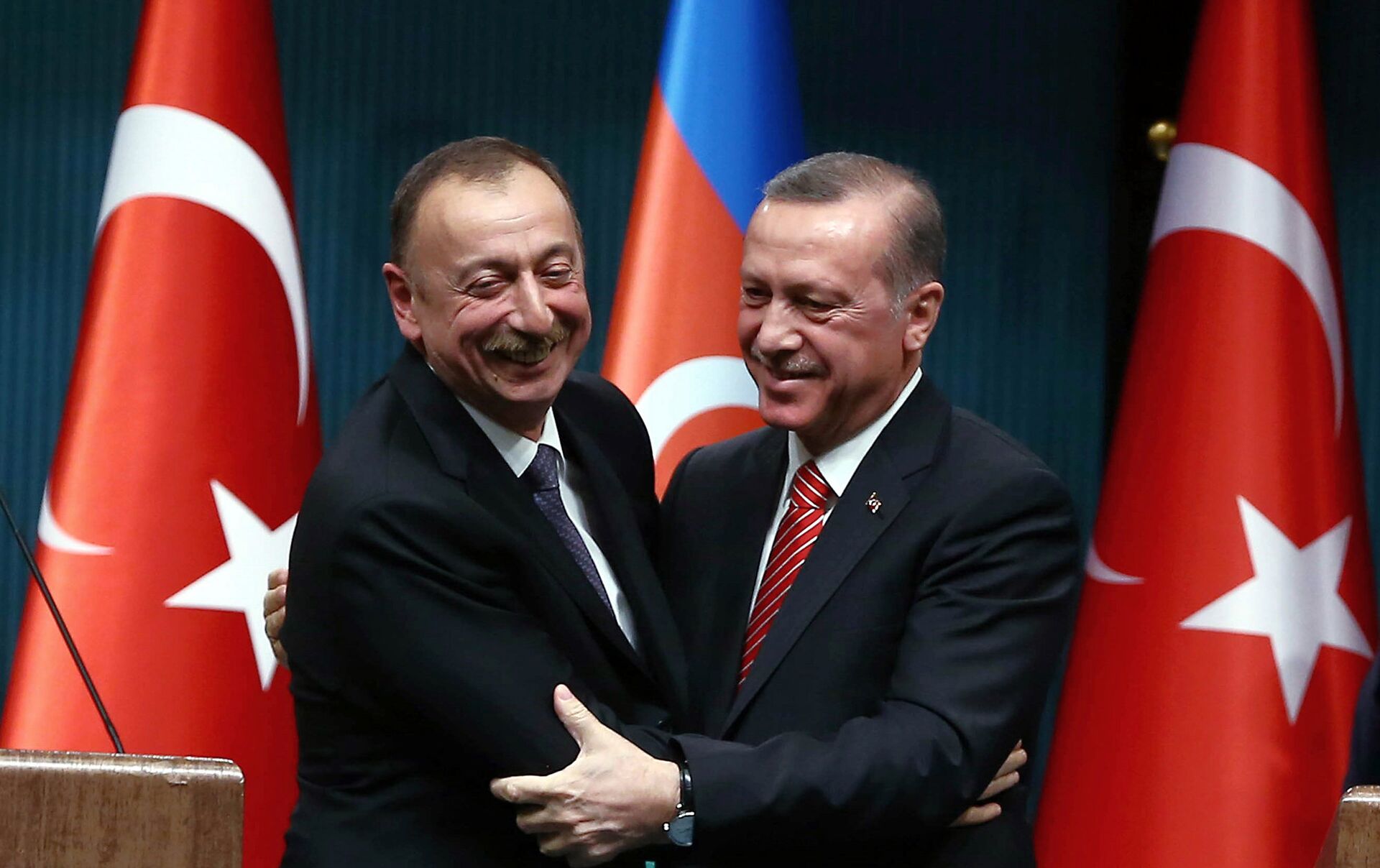
Azerbaijan understood this long ago. It works successfully with Western experts against Armenia. A striking example illustrates this trend. A well-known Azerbaijani propagandist publicly claimed that Azerbaijan would help Armenia free itself from Russian influence. Armenia offers no comparable voices. Moreover, since 2023 some voices inside Armenia have begun repeating Azerbaijani messages.
As a result, Western perception forms in layers. First comes the Azerbaijani narrative. Then experts repeat and reinforce it. Finally, Western observers see a simplified Armenian political landscape. On one side stands a Russian oligarchic opposition. On the other stands the current government, despite its flaws. Western actors choose the latter as the lesser evil. They applied the same approach to Armenia’s previous authorities.”
Worst-case scenario for Armenia
“A multipolar world order is the worst scenario for Armenia. When major centres of power become equal in strength, they start competing for the periphery. Armenia lies exactly in that zone. The first step large powers may take is to divide smaller states among themselves. Multipolarity will not bring friendly or cooperative relations between centres of power. It will produce confrontation.
Under such conditions, regionalism becomes a trap rather than a solution. Armenia therefore needs to build a strong core inside the country. It should stop making constant concessions. It should accumulate strength and carry out reforms so that it can defend its rights in the future. Azerbaijan followed exactly this strategy for 30 years.”
How Armenia should ensure its security