

The U.S.–Azerbaijan Strategic Partnership Charter and expectations from Vice President Vance’s visit to Baku






Vance’s Visit to Azerbaijan
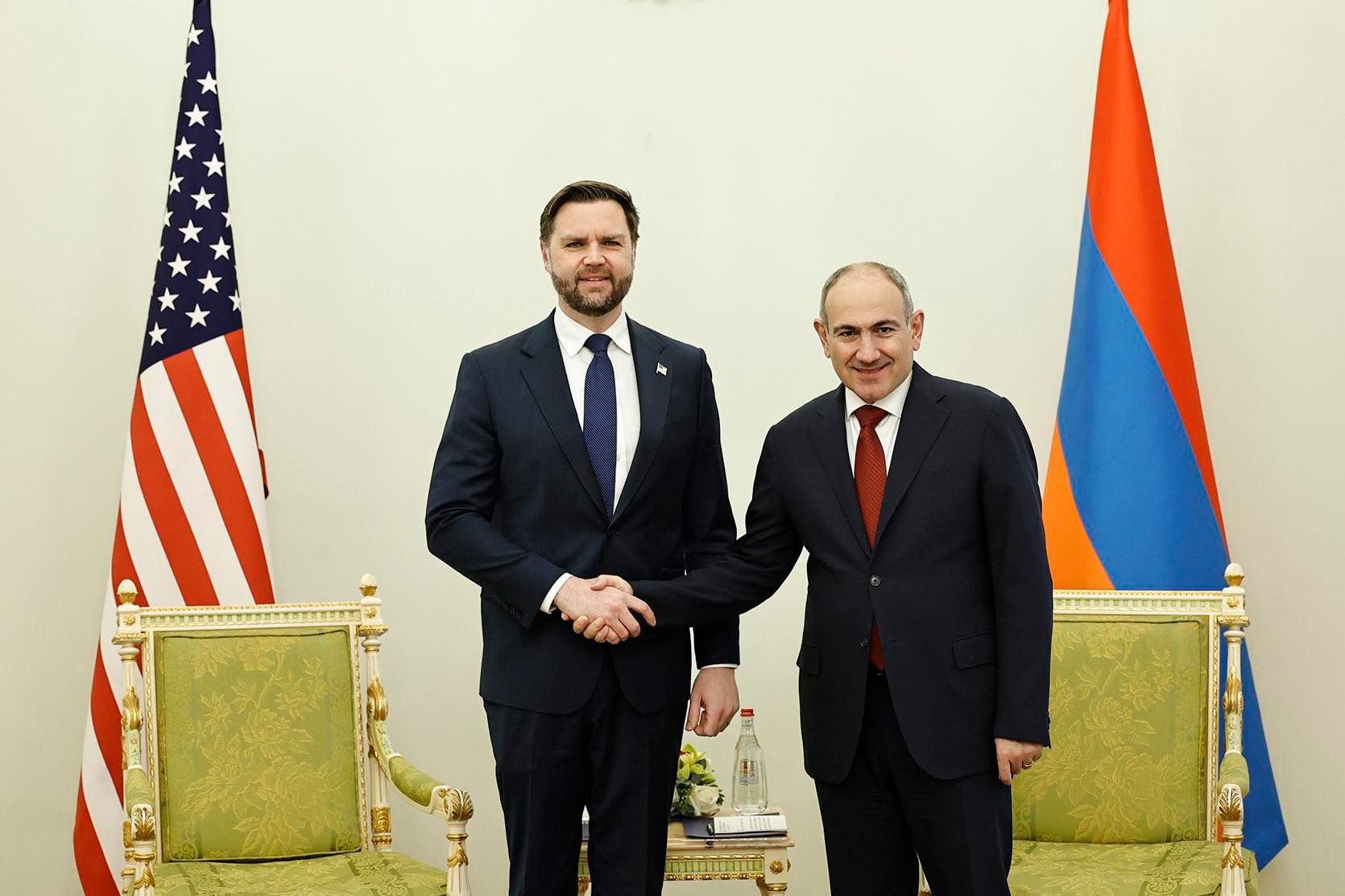
The U.S.–Azerbaijan Strategic Partnership Charter was signed at a meeting in Baku on February 10 by U.S. Vice President James David Vance and Azerbaijani President Ilham Aliyev. The Strategic Partnership Charter “will strengthen bilateral relations between our countries. The United States remains committed to working with Azerbaijan to unlock the great potential of the South Caucasus region” the U.S. Embassy in Azerbaijan said in a statement.
Both leaders called both Vance’s visit and the signing of the Charter a “historic event.”
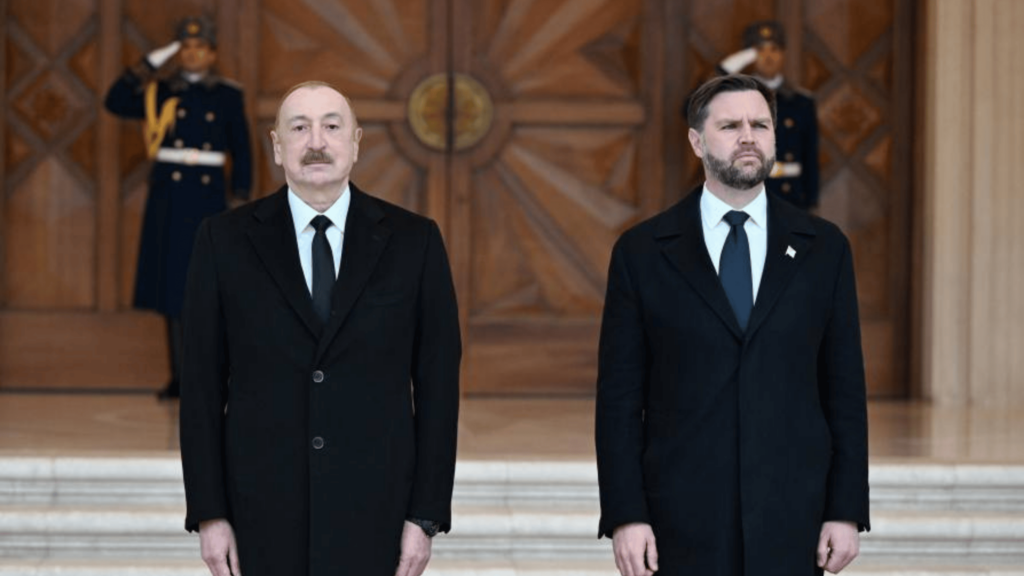
Today, @VP JD Vance and @presidentaz Ilham Aliyev met in Baku to discuss the implementation of the historic August 8 White House Peace Summit and reaffirm their shared commitment to regional peace, security, and prosperity. The leaders signed the 🇺🇸U.S.-🇦🇿Azerbaijan Strategic… pic.twitter.com/4dHbn8Sxcp
— U.S. Embassy Baku (@USEmbassyBaku) February 10, 2026
U.S. Vice President James David Vance (J.D. Vance) arrived in Baku on February 10 on an official visit from Yerevan, where he held meetings with Armenian leadership on February 9–10.
Vance was welcomed at Baku airport by Azerbaijani government representatives before his motorcade proceeded to the Zagulba residence for a meeting with President Ilham Aliyev.
The main stated goal of the regional tour is to promote the peace initiatives of President Donald Trump in the South Caucasus, in particular the transit project known as the “Trump Route for International Peace and Prosperity” (TRIPP).
However, the visit of a U.S. official of this level has also generated additional expectations in Azerbaijan and across the region.
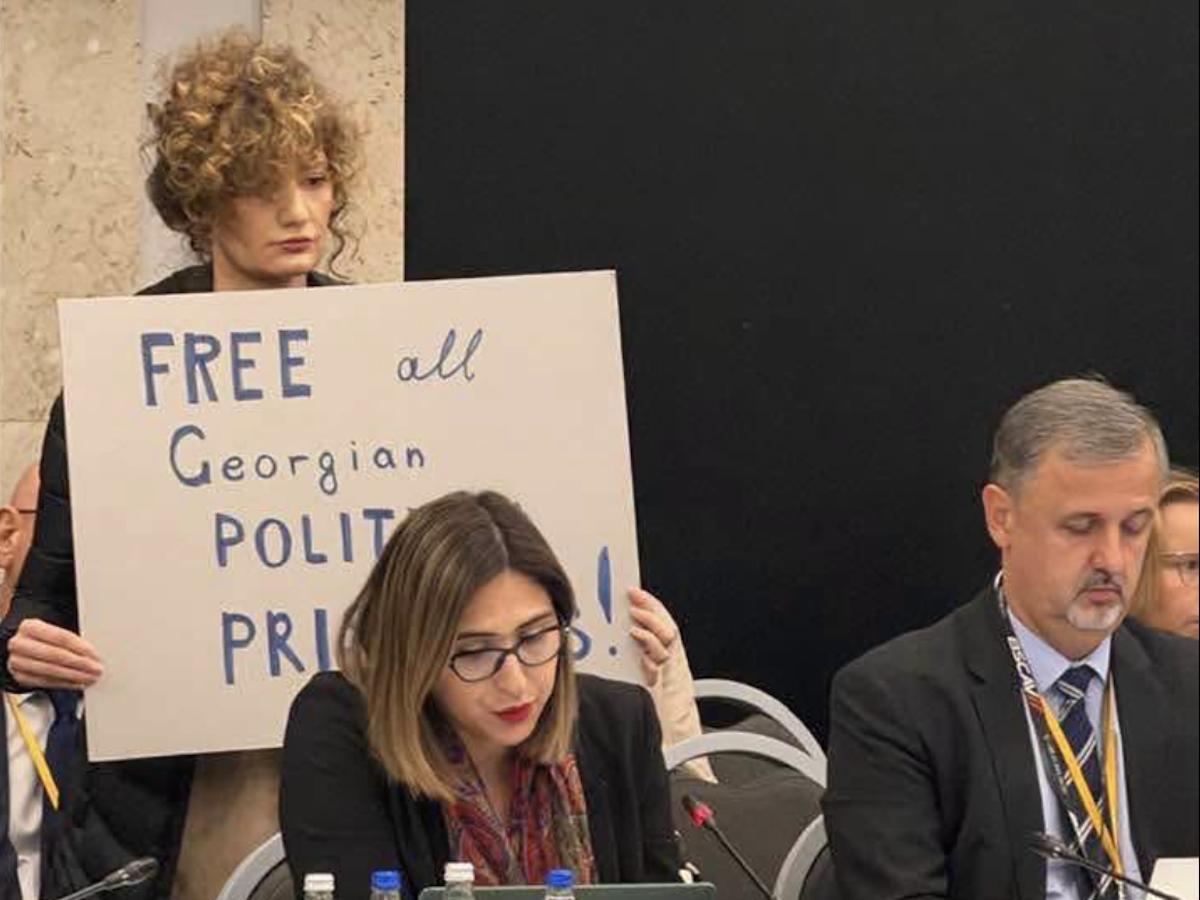
Some members of the Azerbaijani opposition hope that the issue of political prisoners will be raised during the visit and that some detainees may be released.
In Armenia, there are also expectations related to the possible release of Armenian detainees currently held in Azerbaijani prisons.
Peace Agreement and the TRIPP plan
The main expectation centers on advancing a long-term peace agreement between Azerbaijan and Armenia.
With U.S. mediation, the parties agreed on the text of a peace treaty in March 2025, and on August 8, the document was initialed at a meeting attended by President Trump. Under the agreed terms, Baku and Yerevan committed to opening all key transport routes and strengthening cooperation with the United States in energy, technology, and economic sectors.
Particular attention is focused on the transport corridor known as the “Trump Route” (TRIPP). This corridor will run through Armenia and link Azerbaijan to its Nakhchivan exclave.
Analysts believe the Trump administration aims to achieve sustainable peace in the South Caucasus through economic integration. The strategy is to prevent future conflicts by creating an environment of cooperation and prosperity in the region, with the participation of and investments from American companies.
It is expected that Vice President Vance’s meetings in Baku will include discussions on the final details of the peace treaty.
President Ilham Aliyev has already stated that if Armenia removes the controversial provision from its constitution that challenges Azerbaijan’s territorial integrity, he is ready to sign the peace agreement and submit it to the parliament for ratification.
Prime Minister Nikol Pashinyan will need domestic political support to make these constitutional changes.
For this reason, Vance publicly expressed support for Pashinyan during his visit to Yerevan, emphasizing that Pashinyan’s continued leadership is important for implementing the agreements reached with Washington’s mediation.
This is seen as a sign that the United States places high importance on the Armenian-Azerbaijani peace process.
One of the key outcomes of the visit was statements reaffirming both sides’ commitment to the peace agenda.
At the same time, Vance is also likely to discuss the implementation of the TRIPP transport corridor with the Azerbaijani side. According to previous agreements signed in Washington, the construction and operation of the corridor will be handled by American companies, with Russia excluded from the project.
Moscow, whose geopolitical influence in the region is weakening, has expressed dissatisfaction with the situation but has so far refrained from open protests.
Political observers note that the Trump administration is relying on trade and economic projects with regional countries as a way to limit the influence of Russia and Iran in the South Caucasus.
Political prisoners and human rights
Ahead of Vice President Vance’s visit, expectations have also focused on the human rights situation in Azerbaijan.
Local human rights activists report that more than 300 political prisoners are currently held in the country’s prisons, while official authorities deny the existence of such individuals.
Human Rights Watch notes that the situation worsened in 2025, highlighting increased pressure on independent media, political opponents, and civil society.
Against this backdrop, several individuals considered political prisoners, along with their family members, have sent open letters to the Trump administration.
They cited U.S. actions to secure the release of political prisoners in countries such as Belarus and Venezuela, expressing the expectation that Washington would take a similarly principled stance regarding Azerbaijan.
American politicians have also engaged on the issue.
In particular, Congressman James McGovern, co-chair of the Tom Lantos Human Rights Commission, sent a letter to Vice President Vance requesting that the release of prisoners of conscience be made a priority during official meetings in Baku.
In his letter, McGovern listed several well-known Azerbaijani political activists and journalists: economist Professor Gubad Ibadoglu, his brother Galib Bayramov, opposition figure Tofiq Yagublu, PNF-A leader Ali Kerimli, party official Mamed Ibrahim, civic activist Bakhtiyar Hadjiev, Radio Free Europe journalist Farid Mehralizade and his wife Nargiz Mukhtarova, journalists arrested in the Meydan TV case – Shamshad Aga, Aynur Elgunesh, and Ulviya Guliyeva – as well as human rights defenders Rufat Safarov and Anar Mamedli.
McGovern emphasized that the list is not exhaustive, but that all the individuals mentioned deserve release. Additionally, two U.S. senators (both Democrats) have separately urged Vance to advocate for the release of journalist Farid Mehralizade.
Despite these appeals generating some hope domestically, local political commentators remain skeptical that Vance will publicly raise human rights issues. According to them, during the Trump administration Washington prioritized strategic partnership and security matters in its relations with Baku, meaning human rights was not a central topic of negotiations.
When independent media asked whether Vance would discuss the fate of arrested journalists in Baku, some experts responded: “We have absolutely no expectations.”
Nevertheless, it is possible that Vance may address the situation of certain detainees during private meetings with Aliyev. Even minimal progress in cases under international media scrutiny – such as Mehralizade’s potential release from detention – could be seen as a humanitarian outcome of the visit.
The issue of Armenian prisoners
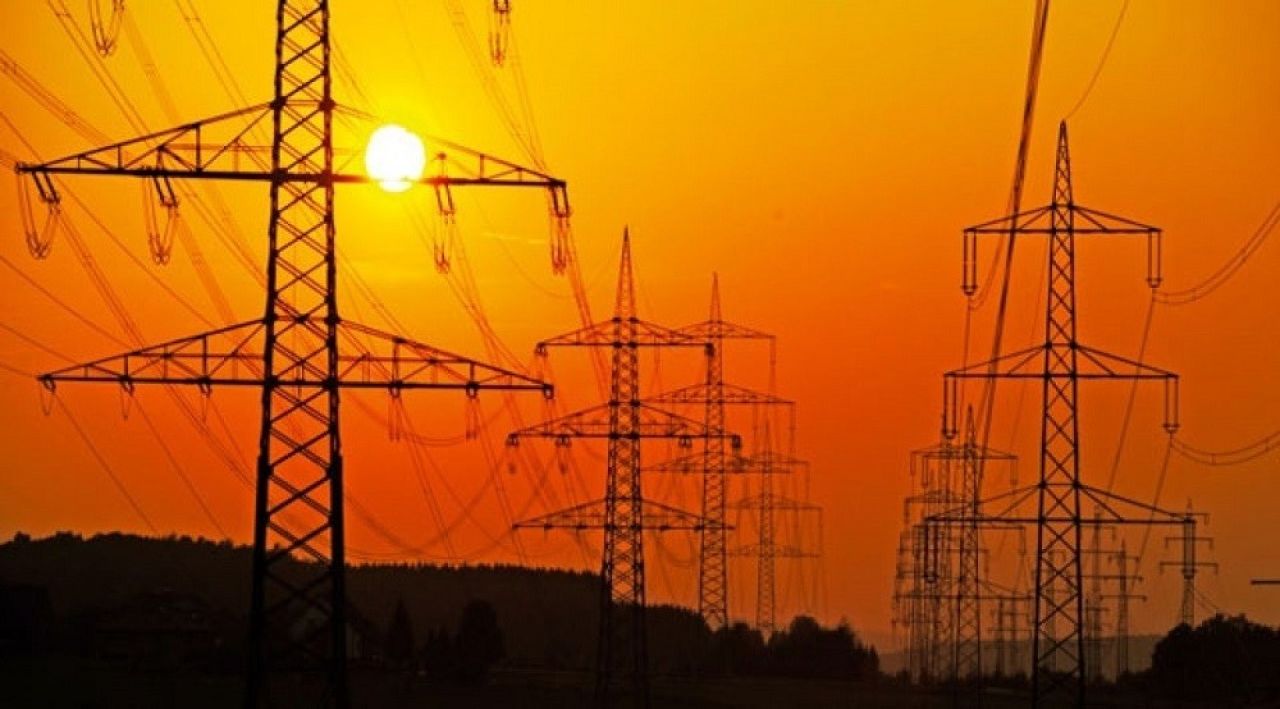
Ahead of Vice President Vance’s visit to Baku, certain expectations were also expressed by Armenian society and media. One of the key topics remains the fate of Armenian prisoners who came into Azerbaijani custody during and after the Second Karabakh War.
Upon leaving Yerevan, James Vance publicly stated that he would raise this issue in Baku. His statement was positively received by Armenian society.
On January 14, Azerbaijan transferred four Armenian prisoners to Armenia on a humanitarian basis. However, according to Armenian officials, 19 Armenian prisoners remain in Azerbaijani detention.
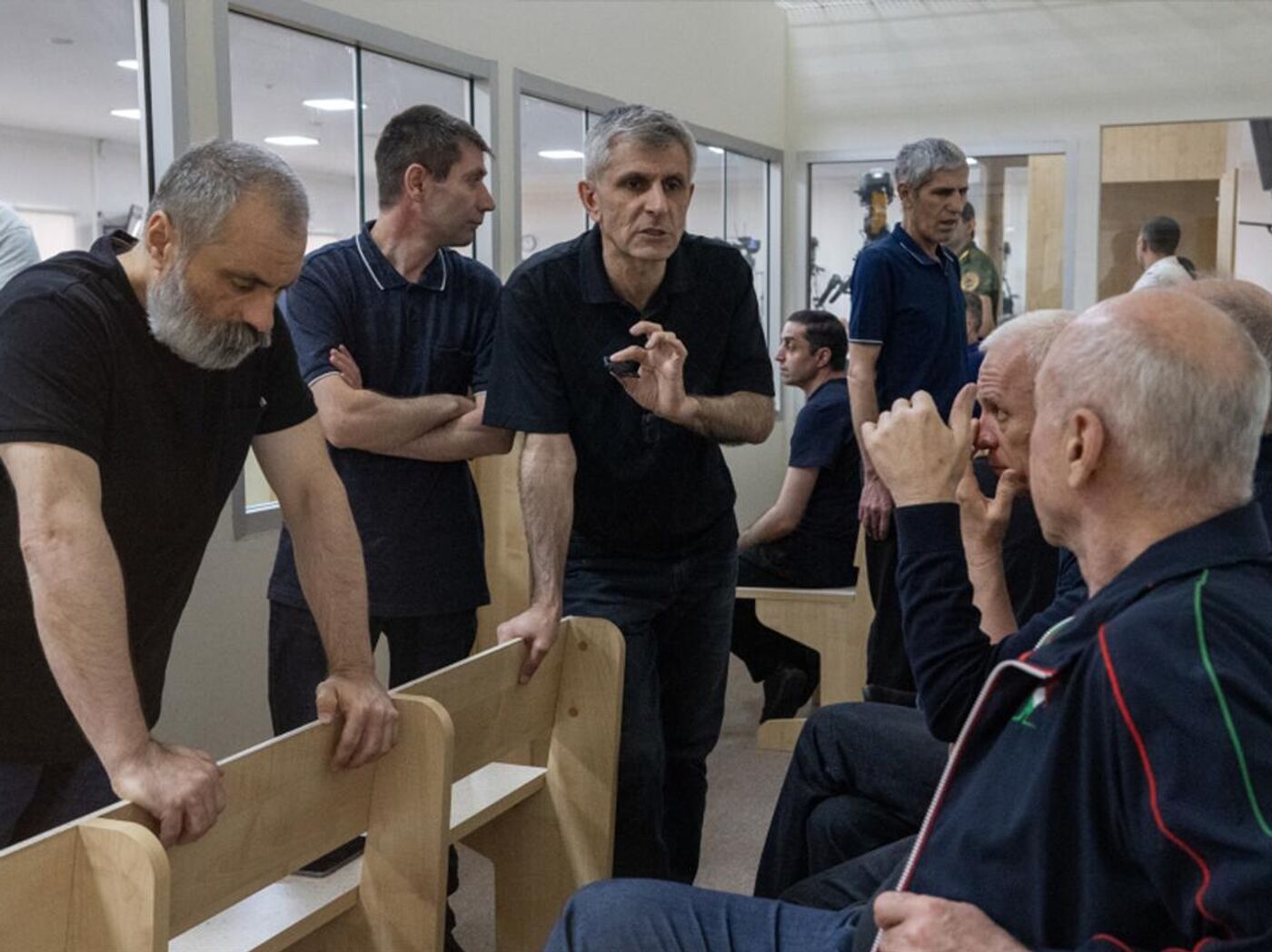
A trial is underway in Azerbaijan against another group of former leaders and fighters of the unrecognized Karabakh regime, numbering around 16 individuals. Among them is the former “State Minister” of Karabakh, billionaire Ruben Vardanyan, whose case is being considered separately.
These individuals are being tried in Azerbaijan on charges of terrorism, war crimes, and other serious offenses, and some have already been sentenced to life imprisonment. Official Yerevan and international human rights organizations have called for their release.
It is possible that Vance’s visit could lead to some agreements on this issue. Observers suggest that, at Washington’s proposal, Azerbaijan might release some Armenian prisoners or transfer them through the mediation of a third country as a goodwill gesture.
News in Azerbaijan