Interrogations in Azerbaijan: experts warn of government plan to crash opposition






Arrest of Ali Karimli in Azerbaijan
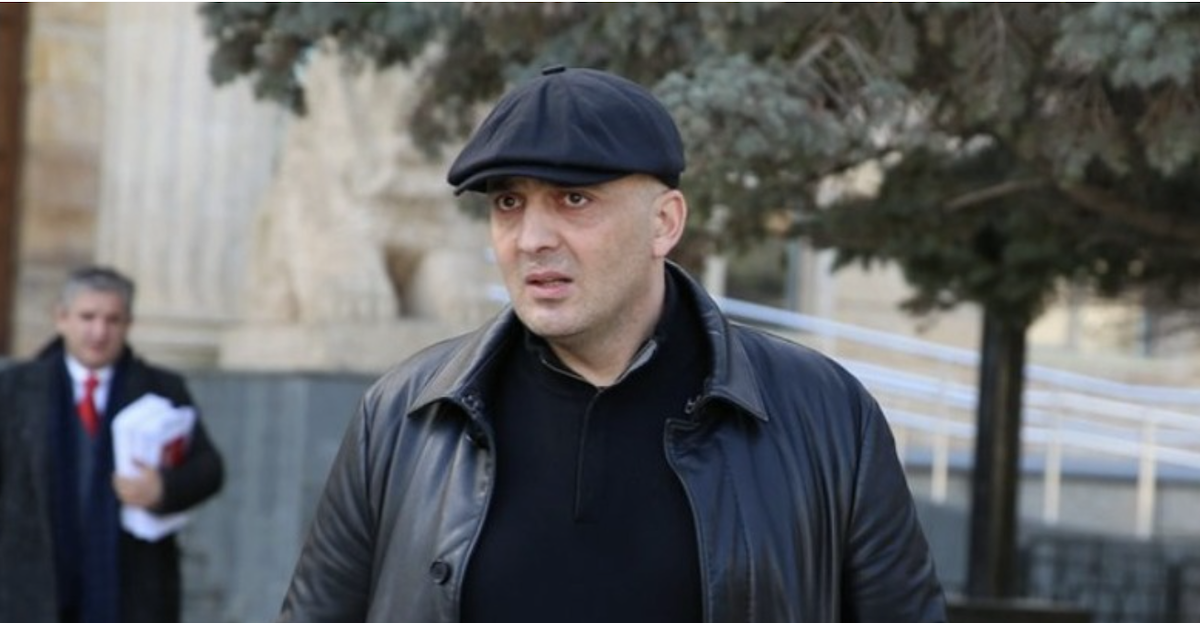
Security officers from Azerbaijan’s State Security Service (SSS) carried out an unexpected search at the Baku home of Ali Karimli, the chairman of the Azerbaijani Popular Front Party (APFP), and detained him.
Officials have charged Kerimli under Article 278.1 of the Criminal Code — the provision dealing with attempts to seize power by force or forcibly change the constitutional order. His deputy, Mammad Ibrahim, is also in custody, with additional interrogations and arrests reported.
As part of the same investigation, a search was also conducted at the home of APFP board member Mammad Ibrahim. His son, Turan Ibrahim, wrote on social media:
“Thirteen people searched the house, and Mammad Ibrahim was taken away. His phone and computer were seized.”
On the same day, APFP officials Faig Amirli and Ruslan Amirli (an aide to Karimli) were also detained. Fariz Alizade, head of the party’s Sabunchu branch, has been missing since 28 November, and party representatives believe he has also been arrested.
Pro-government media say the search of Ali Kerimli’s home is connected to the criminal case against former presidential administration chief Ramiz Mehdiyev.
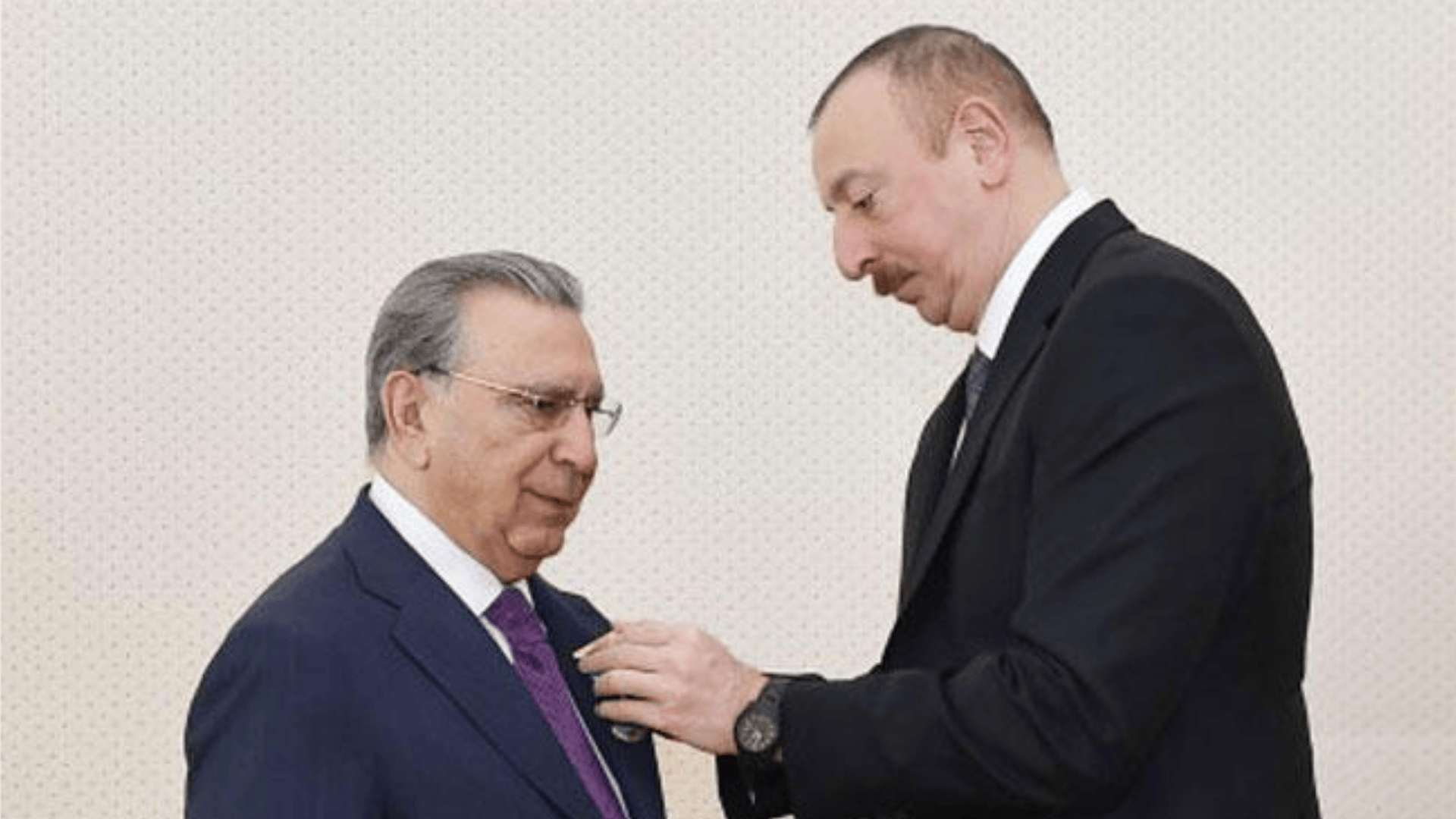
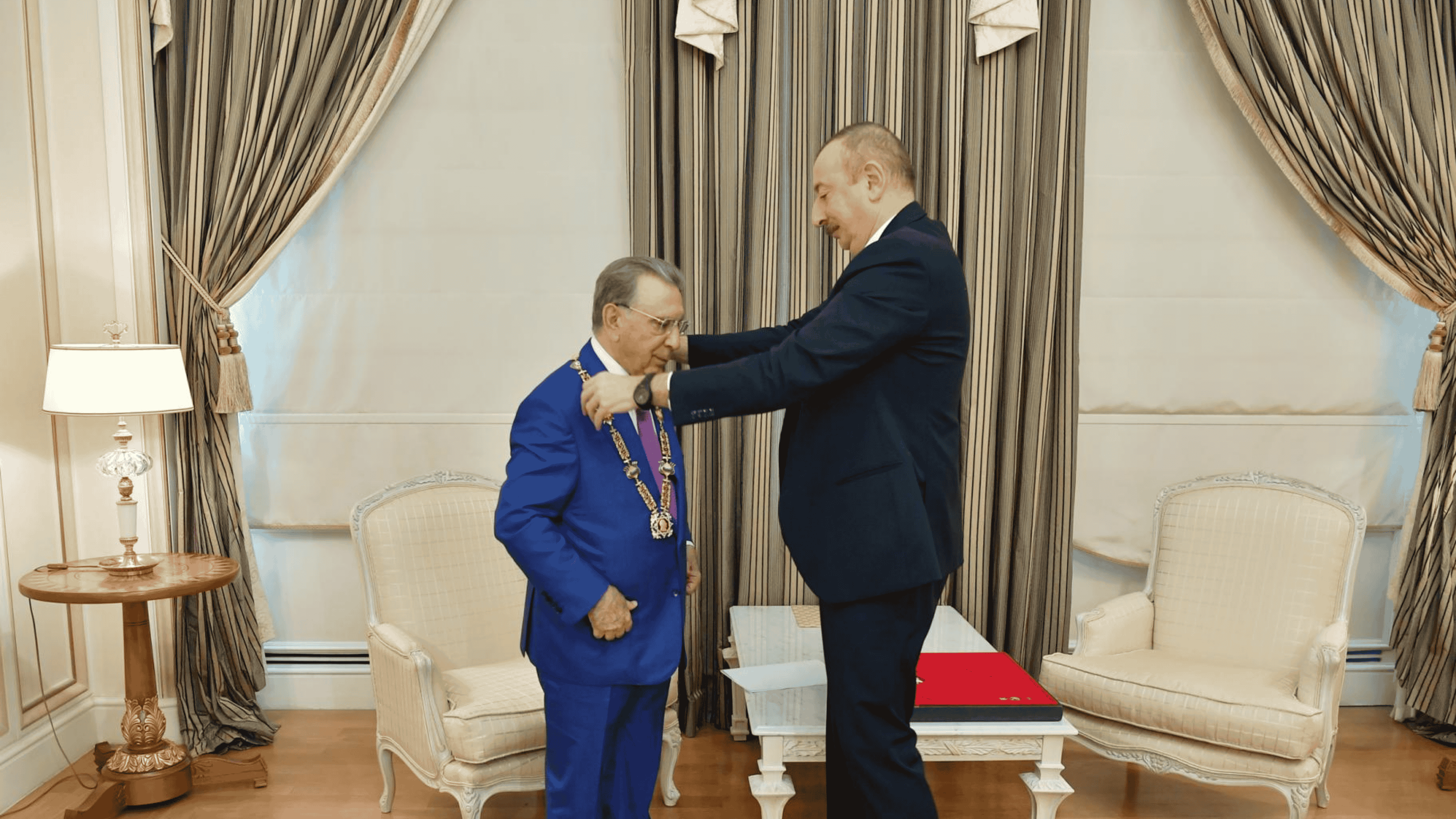
In October, Ramiz Mehdiyev was placed under four months’ house arrest on charges of attempting a coup, treason and money laundering. A government representative told Reuters that Ali Karimli had come under investigation on suspicion that Mehdiyev had been financing him.
However, the authorities have yet to disclose which specific charges have been brought against Karimli.
According to the party, State Security Service officers knocked on the door on arrival, introducing themselves as a neighbour. When Karimli opened the door, they entered and later “placed in his desk drawer a letter previously published in the media under Ramiz Mehdiyev’s name, and during the search allegedly ‘found’ it there”.
The investigators claim they discovered an “unedited copy” of the letter — purportedly written by Mehdiyev to the Russian leadership and leaked to the media earlier — in Karimli’s home.
“Planting in Ali Karimli’s desk drawer a letter already circulated in the media as a ‘secret document’, and then supposedly finding it during the search, shows how fabricated this case is and how devoid of legal basis it has become,” the party said.
This commentary was prepared by a regional analyst. The terminology, place names, and views expressed reflect solely the position of the author or the community concerned and do not necessarily represent the views of JAMnews or its staff.
Official justification and government arguments
Government bodies have sought to frame Karimli’s detention not as an attempt to silence a political opponent but as a routine legal and operational measure. For many years, Azerbaijani officials have responded to international criticism by insisting that fundamental freedoms are upheld in the country and that no one is targeted for expressing critical views.
Officials regularly stress that “no one in Azerbaijan is prosecuted for political activity and all arrests are based on specific offences”. According to this narrative, the case of Ali Karimli is no exception, and the measures taken against him fall strictly within the framework of a criminal investigation.
However, these arguments raise a number of questions. First, the “Mehdiyev case” itself lacks transparency. Accusing an 87-year-old former official of plotting a coup has been met with widespread scepticism. Second, the authorities’ claims of possible “financial ties” between Karimli and Mehdiyev have not been independently verified. The APFP, for its part, has repeatedly stated that it has “no links to Mehdiyev”.
Third, the fact that the letter allegedly “found” during the search had already appeared in pro-government media — and that the party described it as fabricated evidence — further undermines the official version of events. Taken together, these factors reinforce the impression that the authorities’ arguments serve political aims rather than rest on objective legal grounds.
According to observers, the Azerbaijani authorities have long tended to frame opposition views in the country as a “threat to national security”. In 2020, during the pandemic, President Ilham Aliyev openly spoke of “internal national traitors” and hinted at a new wave of repression.
Now, using the domestic political dispute known as the “Mehtiyev case” as a pretext, the move to sideline one of the country’s most prominent opposition figures appears to be a continuation of this approach. An examination of the authorities’ arguments suggests that the real aim is not to prevent an attempted coup, but to eliminate the remaining pockets of political opposition inside the country.
Even the pro-government outlet APA wrote that “in connection with the Ramiz Mehtiyev case, the PFA could be fully neutralised”, implying that the party may effectively be shut down.
This narrative is based on several claims:
- Suspicions that, once the war between Russia and Ukraine ends, Moscow will try to restore its influence in the South Caucasus;
- Allegations that it may rely on forces linked to Ramiz Mehtiyev to do so, with the PFA supposedly playing a leading role in this process. Pro-government sources argue that the party has always been prone to “radical actions” and “did not act in the national interests of Azerbaijan”.
Commentators say this is why, in their view, the “timely neutralisation of the PFA is crucial for state security”.
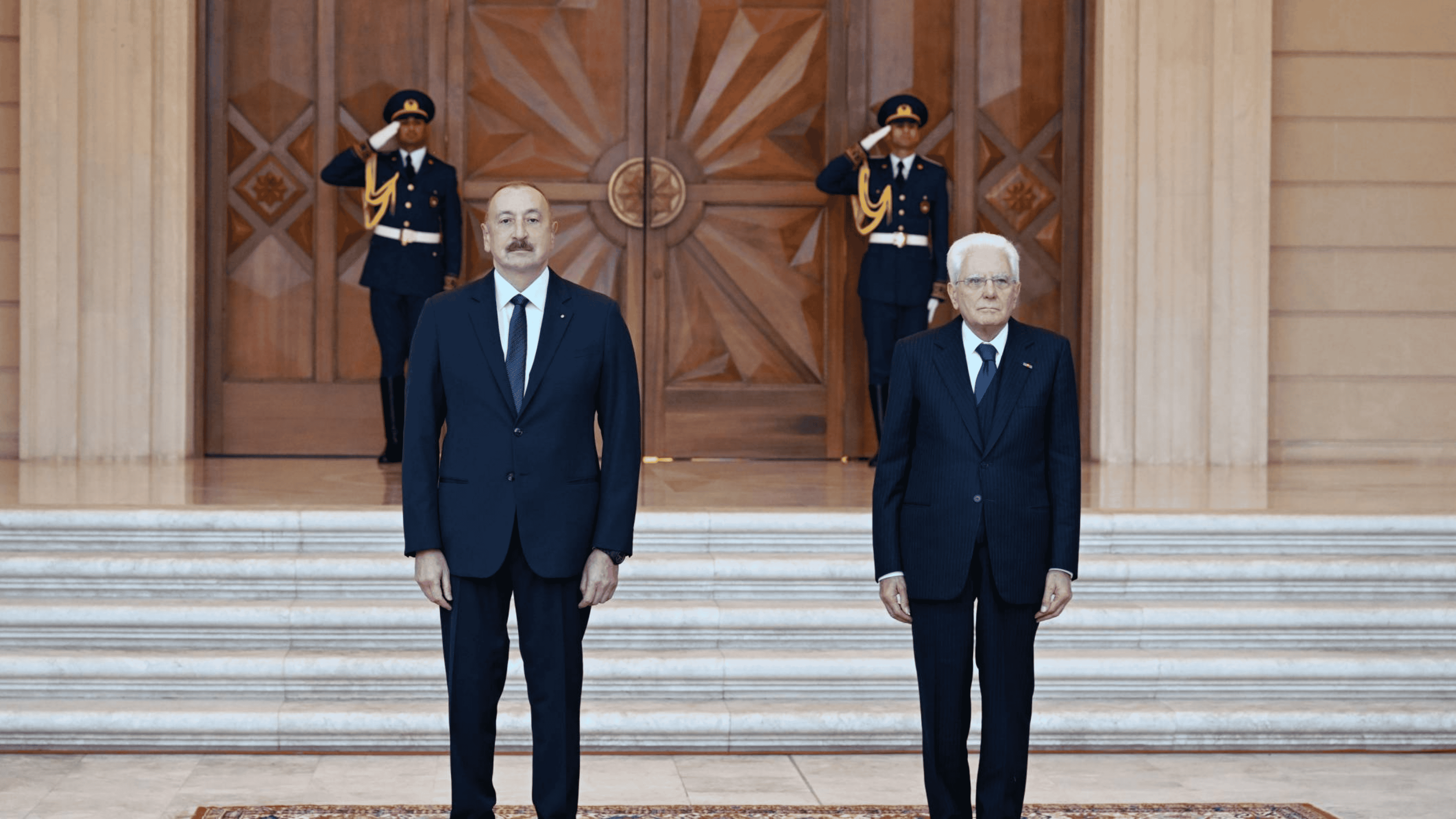
Reaction of the opposition and the PFA
The arrest of Ali Karimli has triggered discontent and protest within the opposition. On the evening of 29 November, the PFA issued an official statement stressing that “the detention of Ali Karimli is entirely political in nature”.
“In recent years, the authorities have effectively kept him under blockade. Despite this, Ali Karimli remains one of Azerbaijan’s key democratic figures.”
The party noted that his interviews with international media and invitations to global political forums had “caused concern within Ilham Aliyev’s regime”. According to the PFA, “at a time when political activity in the country is effectively banned and civil liberties are severely restricted, this operation represents yet another step towards intensifying political repression”.
In other words, the opposition party argues that the authorities’ main objective is “to eliminate the last independent political force” in the country.
Overall, the opposition views the arrest as the culmination of years of authoritarian governance. In their view, the charge of “attempted coup”, built around Karimli’s role, lacks credibility and is merely part of the authorities’ broader strategy to systematically remove their political opponents.
Years-long pressure on Ali Karimli
Ali Karimli has been one of the most persecuted political figures in Azerbaijan for the past two decades. His latest arrest marks another episode in a long-running, systematic campaign of repression.
Since the mid-2000s, Karimli has been under constant scrutiny by the authorities. He has been banned from leaving the country since 2006. After his passport expired that year, it was never renewed under various pretexts, effectively preventing him from travelling abroad.
Despite official justifications, Human Rights Watch described these measures as an “unjustified obstruction”. As a result, Karimli remained under a travel ban for more than 15 years.
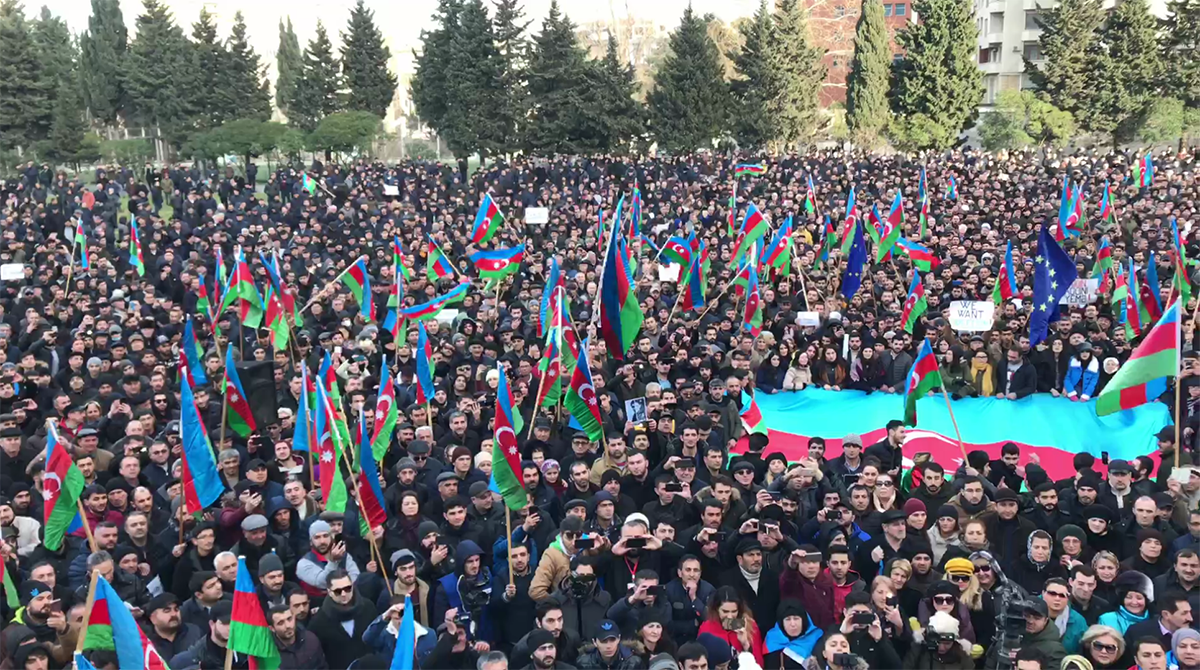
The PFA chairman has repeatedly faced police violence, detentions, and administrative penalties. The most severe police actions occurred in October 2019 during a peaceful protest in Baku, when Karimli and his supporters were met with heavy-handed intervention. During the demonstration, Karimli was detained and beaten at a police station, suffering multiple bruises to his head, face, and neck.
Human Rights Watch reported that after the protest “at least 35 PFA activists received administrative detentions ranging from 10 to 60 days, and peaceful demonstrators were beaten by police”. Although Karimli and others publicly reported the violence, the authorities denied the allegations.
Information blockade against Karimli
In 2015–2016, Ali Karimli was also kept under constant surveillance. His phones were monitored, police posts were stationed outside his home, and his participation in political events was restricted. By 2020, the pressure reached an extreme level: from mid-April, both his home and mobile internet connections were completely cut off.
At the time, the PFA said its leader had been placed under an information blockade. A Freedom House report likewise noted that “in April 2020, the internet connection of Ali Karimli and his family was deliberately and repeatedly disrupted”. The authorities attempted to explain the outage as “technical issues”. Some MPs even made derisive remarks such as: “Let Karimli buy a new SIM card.” The communications blackout aimed to deprive Karimli of a voice on online platforms and continued until the day of his arrest.
Although no criminal case had been opened directly against Karimli until recently, people close to him were repeatedly targeted with what activists describe as fabricated charges. Even his volunteer drivers and security assistants faced harassment, detentions and, in some cases, ill-treatment.
Paralysis of political competition and one-man rule in Azerbaijan
The arrest of Ali Karimli, along with the authorities’ accompanying actions, once again underscores that political competition in Azerbaijan is effectively paralysed. Recent developments point to the further consolidation of one-man rule in the country.
Opposition parties are either stripped of their legal status, their leaders are arrested, or they are denied any access to the public sphere. This has led to the disappearance of even the minimal degree of pluralism that Azerbaijan retained in the post-Soviet period.
The paralysis of political competition is evident in several key areas:
Absence of opposition in parliament:
The forces represented in the Milli Majlis are either fully controlled by the ruling party or adhere to what is described as a constructive line. There are no genuine opposition voices left. The PFA, Musavat and other groups have been out of parliament for many years. In effect, political rivalry within the legislature has been reduced to zero.
- Elections have become a formality: Presidential and parliamentary elections have consistently been assessed by OSCE and Council of Europe observers as neither free nor fair. The votes held under Ilham Aliyev since 2003 have drawn particularly sharp criticism. Registered opposition candidates have either been arrested — Ilgar Mammadov was detained ahead of the 2013 election — or faced reprisals afterwards. This pattern has fostered public distrust in elections and eliminated their competitive function.
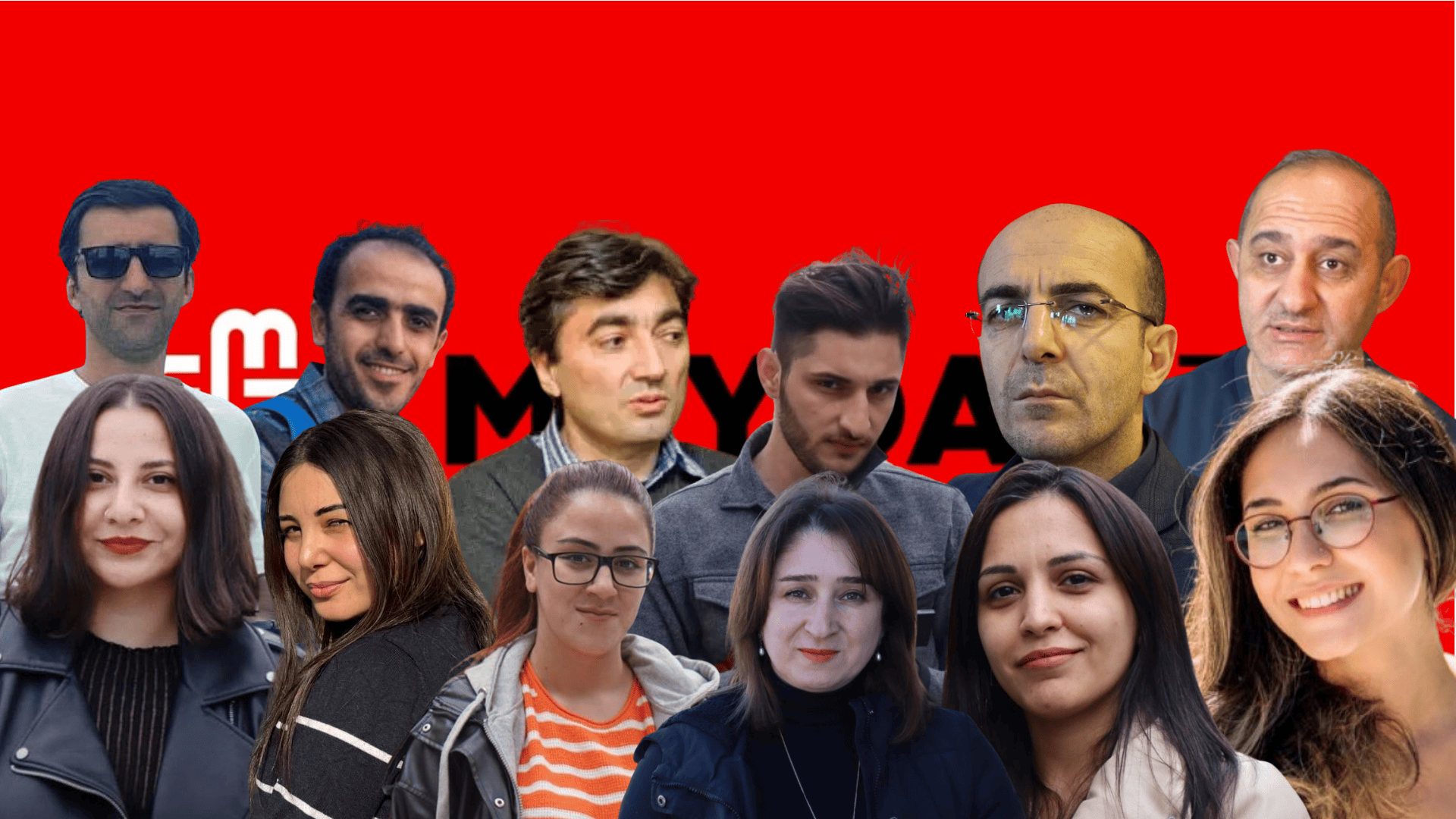
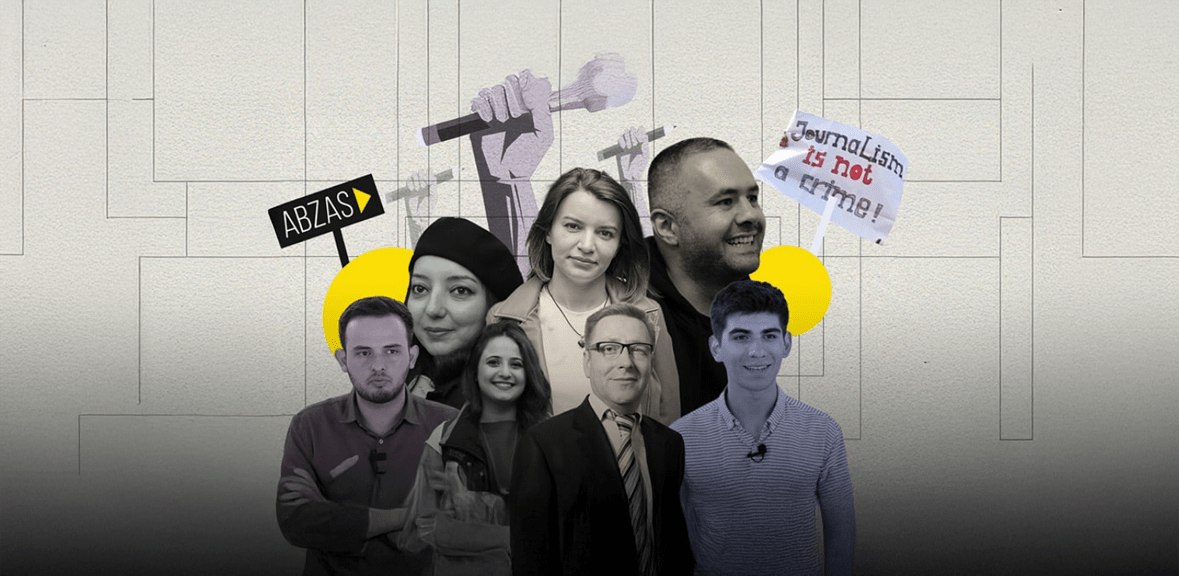
- Independent media and NGOs suppressed: A free press is a core element of political competition, yet independent media in Azerbaijan are either forced to operate from abroad or completely blocked. The newspaper Azadliq, Radio Azadliq (Radio Liberty), Meydan TV and others have long been banned, and many of their journalists have been jailed. Even activists who criticise the authorities on social media face surveillance and penalties. As a result, the public space has fallen almost entirely under official control, dismantling the infrastructure needed for political competition.
- Climate of fear and public passivity: Years of pressure have fuelled apathy and fear of political involvement. Many civil society actors have left the country or ceased their activities, while those who remain are reluctant to speak openly. Such an atmosphere is typical of one-man rule and stifles political competition. People understand that any public dissent can lead to consequences ranging from job loss to arrest. In such conditions, a healthy political environment cannot develop.
The arrest of Ali Karimli can be seen as a logical extension of these trends. The country’s authoritarian trajectory has entered a new phase. While some observers previously described Azerbaijan as a “soft authoritarian” system, the terms “hard authoritarian” and even “leaning towards totalitarianism” are now used with growing frequency.
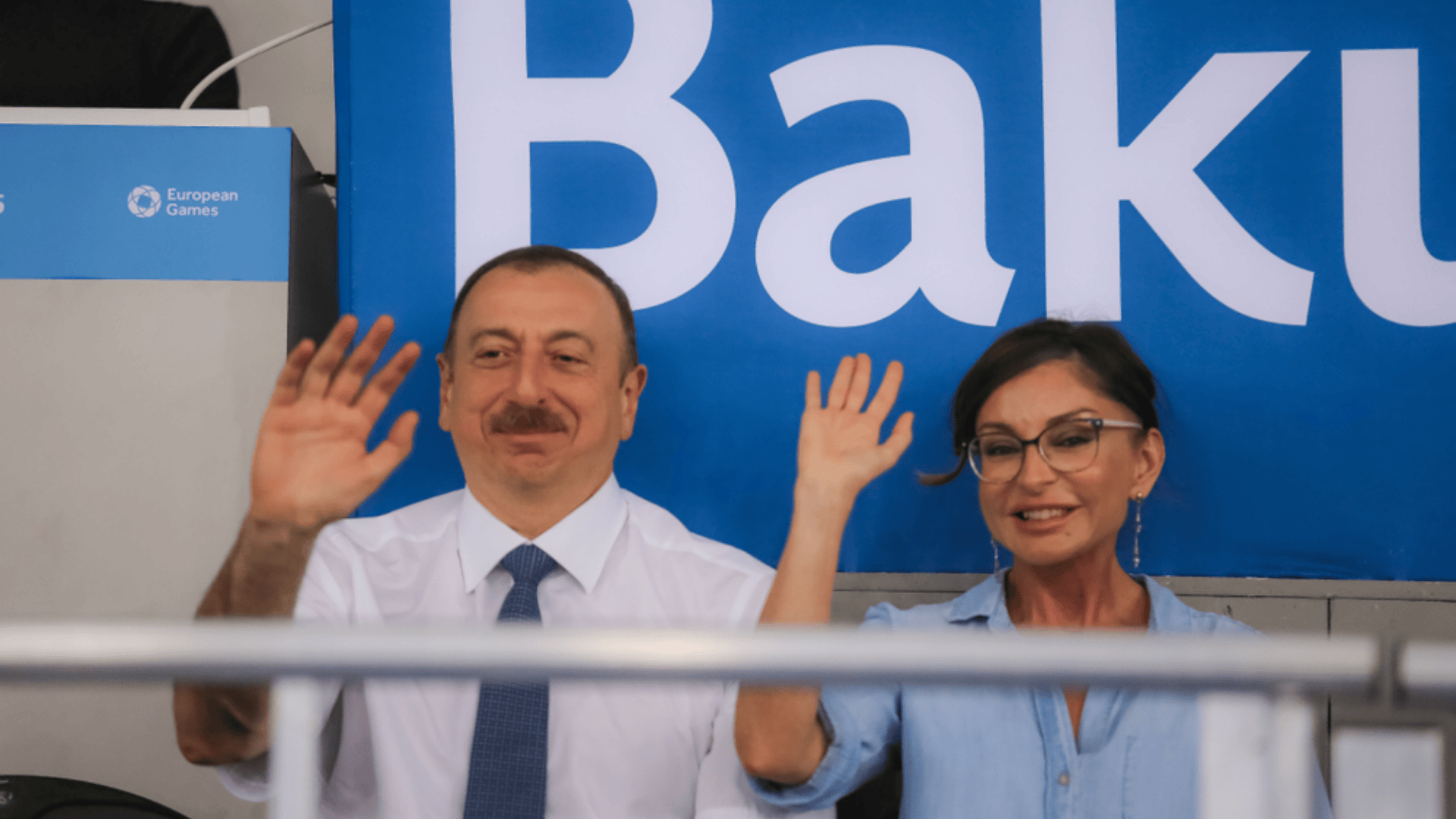
The consolidation of one-man rule is also aimed at securing dynastic succession for the ruling family. The Aliyevs have governed Azerbaijan for nearly 35 years, with father and son in power since 1993.
During this period, virtually all key opposition figures have been sidelined. Some, like Abulfaz Elchibey, died in isolation; others, such as Rasul Guliyev, lost political influence while in exile; and many ceased active political engagement altogether.
Ali Karimli remained one of the last leaders continuing to resist. Many view his arrest as marking the end of an era.
This process is also likely to deepen public political passivity. In the absence of opposition, people may lose faith in their ability to address issues through political means, reinforcing long-term apathy — a situation that benefits authoritarian regimes.
International analysts note that Azerbaijan is increasingly becoming a system of “one-man rule,” where all major decisions are made by a small circle of elites. In such systems, political competition is largely formal: elections become mere procedures for ratification, courts are not independent, and the media are not free.
These trends have intensified in recent years. Even the few independent candidates who won seats in the 2020 parliamentary elections, such as Erkin Gadirli, were later neutralised, leaving the parliament operating in an atmosphere of complete silence.
Karimli’s arrest can be seen as the effective end of the country’s multi-party political system. While the authorities previously tolerated at least minimal opposition activity in form, the regime has now become entirely intolerant.
Ultimately, Ilham Aliyev is reinforcing his status as the “unmatched ruler.”
Arrest of Ali Karimli in Azerbaijan