Yerevan discusses the potential for linking energy systems of Armenia and Azerbaijan






On Armenia–Azerbaijan energy links
Politicians and experts in Armenia have been debating for several days the feasibility of linking the energy systems of Armenia and Azerbaijan. The discussion was prompted by a statement from Prime Minister Nikol Pashinyan:
“The energy systems of Armenia and Azerbaijan will be connected and will, on equal and reciprocal terms, make use of both export and import opportunities.”
He made the remarks in parliament in response to a question about whether energy infrastructure being built as part of the TRIPP project would be interconnected.
TRIPP (Trump Route for International Peace and Prosperity) is a road project that will link Azerbaijan with its autonomous exclave of Nakhchivan via the territory of Armenia.
For several years, Yerevan and Baku failed to reach an agreement on the issue. Azerbaijan demanded a route it referred to as the “Zangezur corridor”. The Armenian authorities said they were ready to unblock all transport links, but rejected the term “corridor”, arguing that it implied a loss of control — and therefore sovereign rights — over the territory.
It was only on 8 August, in Washington, that the sides agreed the road would remain under Armenia’s sovereign control, while the United States would join the unblocking process as a business partner. As a result, the project became known as the “Trump Route”, after the mediator involved.
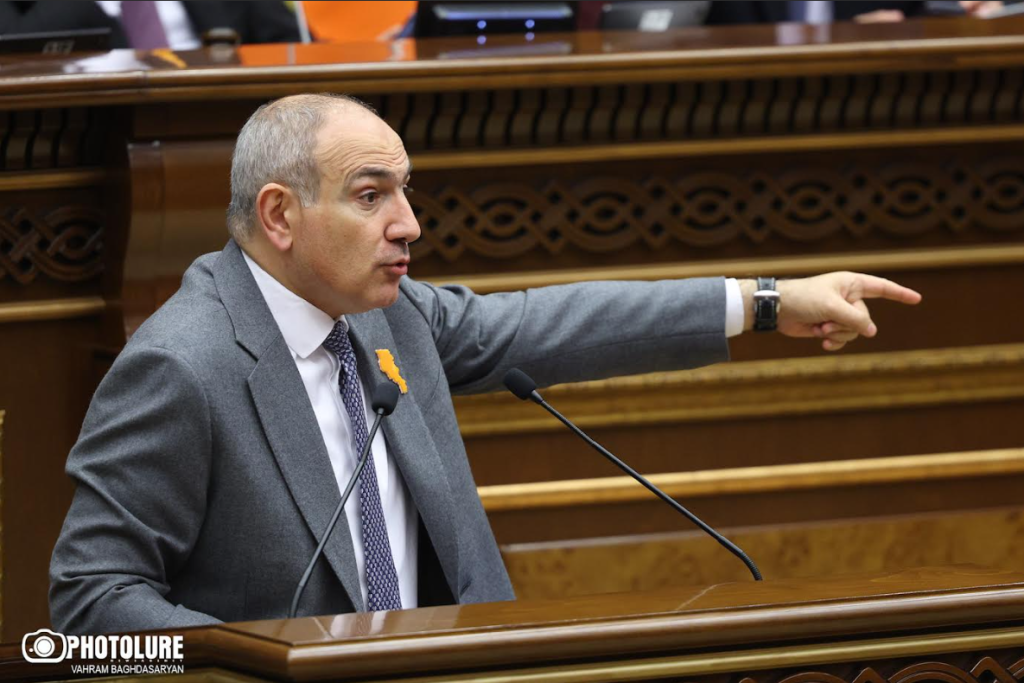
Parliamentary opposition figures responded sharply to the prime minister’s remarks. They said Armenia was “handing the power switch to the Azerbaijanis”.
“Maybe one day he will merge the armies as well. He could say: let’s unite the armed forces of Armenia and Azerbaijan to optimise spending,” said Hayk Mamijanyan, the head of the I Have Honour faction. The faction is led by former president Serzh Sargsyan.
Economists and energy experts point to both risks and new opportunities. They say Armenia should, in any case, follow the logic of diversification. They argue that the country must avoid dependence on any single source.
“We should not import gas or electricity only from Azerbaijan. We need diversification. We should try to import a certain amount from there as well. But we must keep routes such as Georgia and Iran,” economist Suren Parsyan stressed.
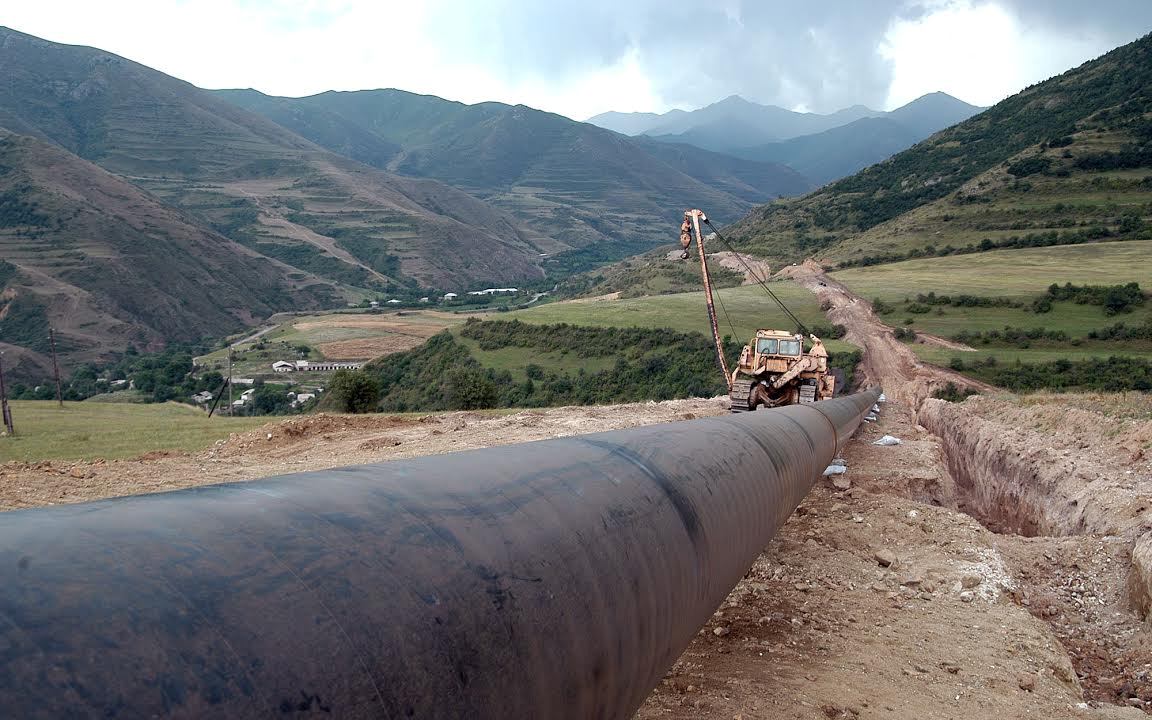
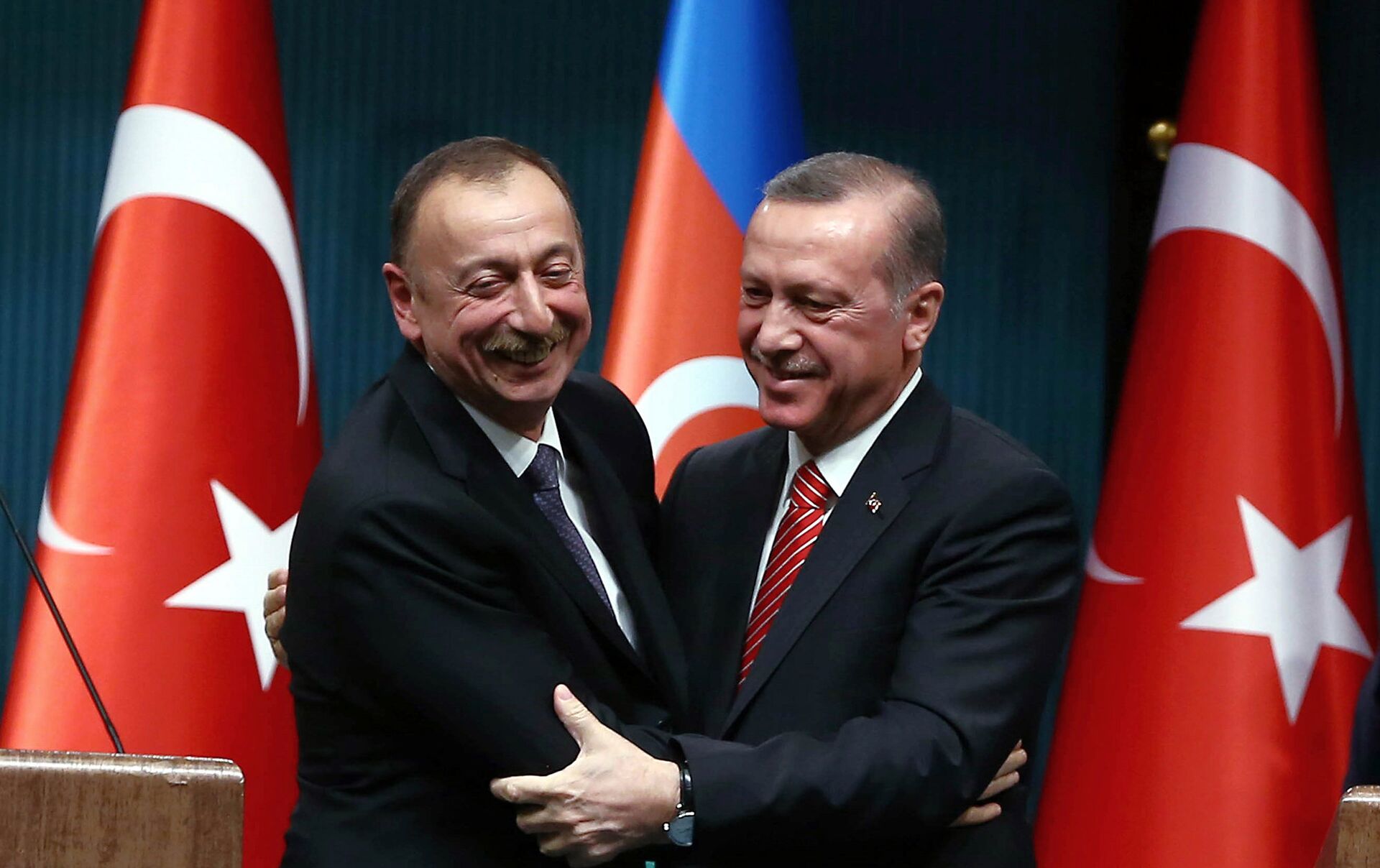
The Armenian prime minister and the Azerbaijani president discussed the construction of power transmission lines and a gas pipeline under the TRIPP project as early as October 2025, during talks in Copenhagen.
At the time, Nikol Pashinyan said the sides had held a preliminary discussion. He also promised that the details “would be specified”. No one has released any further information since then.
- ‘First economic deal since independence’: Azerbaijani petrol arrives in Armenia
- Pashinyan urges Baku to drop issue of return of Karabakh Armenians and ‘Western Azerbaijan’
‘Energy dependence on Azerbaijan is unacceptable’
Extra-parliamentary forces also criticised Pashinyan’s statement. The European Party of Armenia, the For Democratic Statehood party and the Njar Movement (“Scales”) issued a joint statement. It says that “any potential linking of the energy systems of Armenia and Azerbaijan crosses the line of constitutional order and national security”.
The extra-parliamentary opposition recalled developments in recent years:
- the 2020 Karabakh war,
- the incursion of Azerbaijani armed forces into Armenia’s sovereign territory in 2021–2022,
- the forced exodus of all Karabakh Armenians from their homeland.
“There can be no cooperation or integration of strategic infrastructure with such a hostile state that has committed genocide,” the statement says.
According to the three political forces, energy is a key element of sovereignty, national security and stability. For that reason, they should not regard it as an “ordinary economic initiative”.
Opposition figures say only a nationwide referendum can decide this issue. Otherwise, they warn, a “serious problem of legitimacy and constitutionality” would arise.
The extra-parliamentary forces described the following as unacceptable:
- joint management or control of Armenia’s energy system,
- energy dependence on Azerbaijan,
- secret or non-transparent processes beyond public oversight.
“Energy cannot and must not become a tool of political pressure. This issue cannot be the subject of negotiations or commercial interests. This is a ‘constitutional’ red line for Armenia,” the signatories said.
Experts’ commentaries
According to economist Suren Parsyan, the electricity and gas supply systems of Armenia and Azerbaijan were interconnected during the Soviet period.
At the time, Armenia supplied both electricity and gas to Nakhchivan. That system stopped functioning in the 1990s, when the Karabakh war began.
Parsian says Armenia currently has a surplus of electricity. The country could export it both to Azerbaijan and to its exclave of Nakhchivan.
“The question is whether Azerbaijan will want to use Armenia’s energy system. Azerbaijan may prefer to supply electricity to Nakhchivan directly, via the territory of TRIPP. That is also an option. But I think that because Armenia is closer to Nakhchivan, such supplies would be cheaper,” he said.
He stresses that a potential linking of the energy systems of Armenia and Azerbaijan may involve risks. However, he argues that the sides could manage those risks by introducing “mechanisms of mutual restraint and control”.
The economist says Armenia should diversify its energy system and reduce its dependence on Iran, Russia and Georgia. At the same time, he adds, the country must not become dependent on Azerbaijan.
In this context, Parsyan recalls how often sabotage targeted the gas pipeline running to Armenia through Azerbaijani territory in the 1980s. He says those incidents led to severe consequences.
At the end of 2025, the European Union said it was ready to support Armenia in strengthening its energy security and diversifying its energy system. The EU Commissioner for Enlargement, Marta Kos, announced the signing of an agreement on the Caucasus Power Transmission Network project. The project has a value of €500m. It provides for investments to link Armenia’s energy grid with that of Georgia. Kos also said work is under way to connect the Armenian and Turkey energy systems. The aim is to reduce Armenia’s energy dependence on Russia.
Energy expert Artur Avetisyan says the authorities should prioritise preventing Armenia’s economy from becoming dependent on the outside world.
He stresses that he supports the unblocking of the region:
“But Armenia must at the same time continue the policy it has pursued since gaining independence. In terms of capacity and the construction of power transmission lines, Armenia must keep building an economy focused on electricity generation, self-sufficiency and exports. This approach would significantly reduce the risks.”
According to the expert, Armenia should increase electricity exports, especially given that it operates a nuclear power plant. Armenia is the only country in the region with a functioning nuclear power station.
“At some point, the current nuclear plant will need to be taken out of operation. A new one will then come online. Talks with investors and partners on storage power plants must take place in a way that treats not only infrastructure, but Armenia’s entire energy system as a whole — generation and exports,” he said.
On Armenia–Azerbaijan energy links
On Armenia–Azerbaijan energy links