Why the ECHR ruling on 'Gavrilov night' in Georgia matters – a lawyer’s view






Lawyer on ECHR ruling over “Gavrilov night”
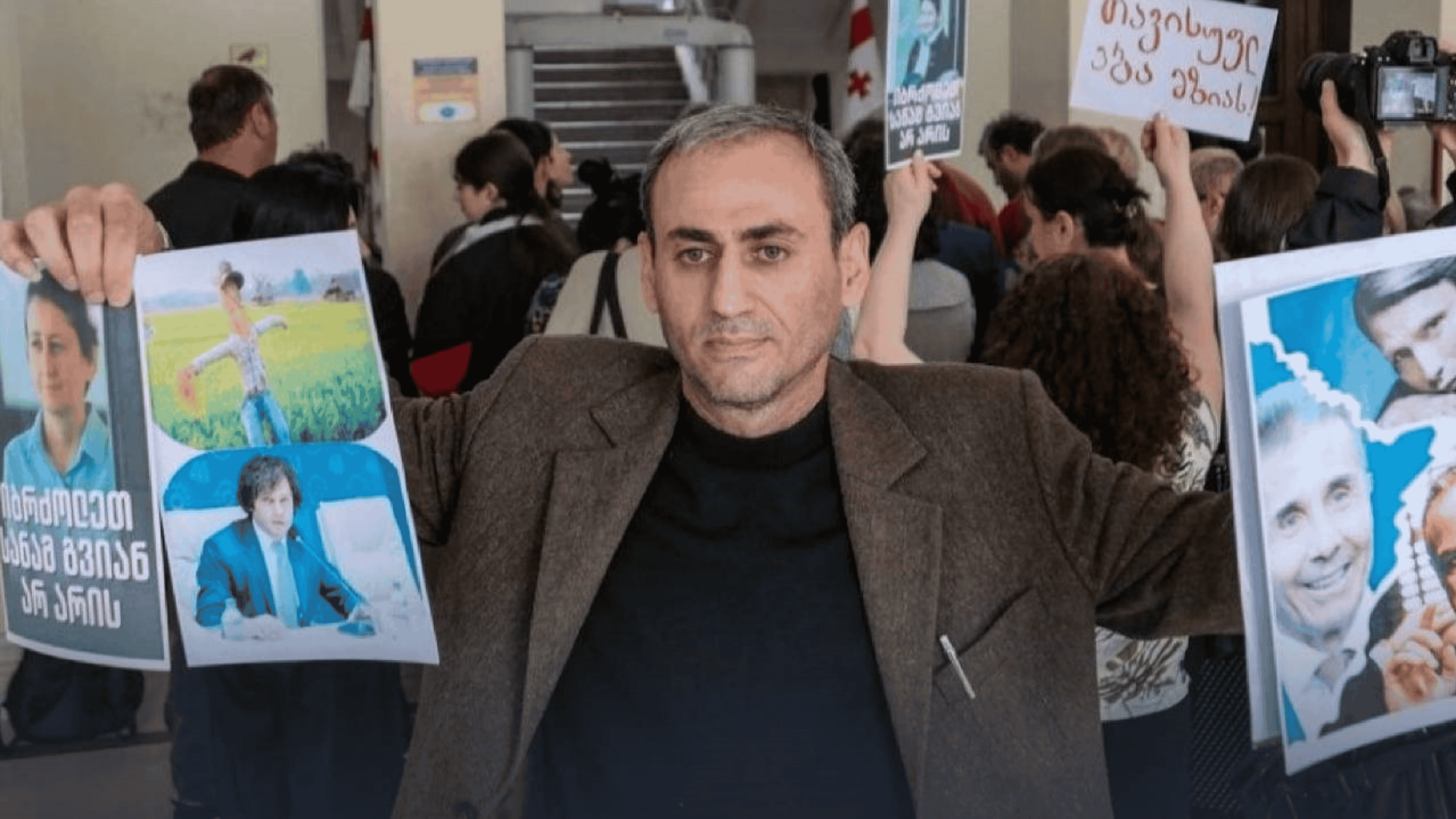
“(This ruling) not only restores the faith of individual victims that their long and difficult struggle for their rights will ultimately succeed, but also opens up new opportunities to protect the rights of participants in peaceful assemblies,” wrote Nona Kurdovanidze, chair of the Georgian Young Lawyers’ Association, on social media. In her post, she explained why the Grand Chamber’s ECHR decision on the “Gavrilov night” case is so significant.
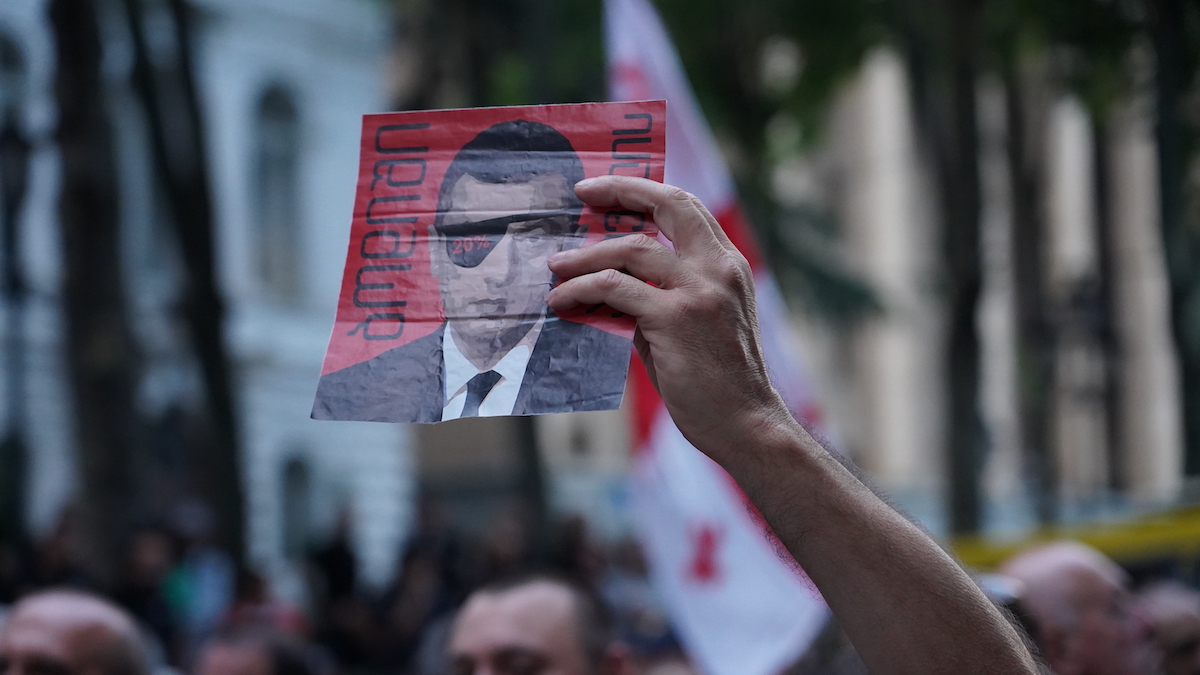
The Georgian Young Lawyers’ Association has won a case over the dispersal of a protest in Tbilisi on 20–21 June 2019, which was triggered when Russian MP Sergei Gavrilov took the speaker’s chair in the Georgian parliament and addressed delegates of the Interparliamentary Assembly on Orthodoxy in Russian.
The Grand Chamber of the European Court of Human Rights ruled that on 20–21 June 2019 — during the so-called “Gavrilov night” — the rights of 26 citizens were violated under the European Convention on Human Rights, including the prohibition of torture, freedom of expression, and freedom of assembly and demonstration.
The court ordered the Georgian state to pay a total of €646,000 to the 26 victims. The judges unanimously found that the prohibition of torture had been violated in respect of all 26 applicants who brought the case.
The Georgian Dream–led Justice Ministry commented on the court ruling, saying that on “Gavrilov night” the former leadership of the Interior Ministry “failed to ensure the use of proportionate force” against protesters.
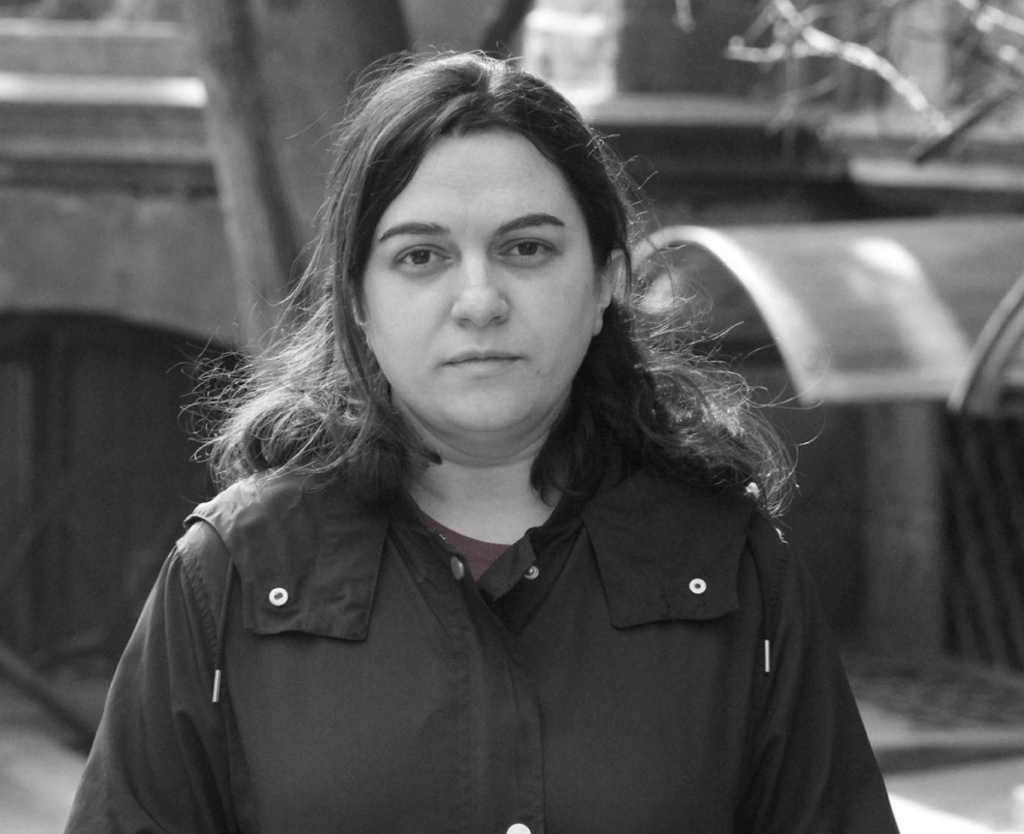
Nona Kurdovanidze:
“Why is the Grand Chamber’s ruling of the Strasbourg court on the night of 20–21 June 2019 so important?
It not only restores the faith of individual victims that their long and difficult struggle for their rights will ultimately succeed, but also opens new opportunities to protect the rights of participants in peaceful assemblies, including in the future.
This case is particularly relevant today, when the right to peaceful assembly is among the most restricted, and the violent dispersal of protests, torture, and the use of special means against peaceful demonstrators remain a reality.
Following this ruling, Georgia is obliged not only to pay the compensation awarded to individual victims but also to develop detailed rules for the use of special means [during protests].
Georgia is required to:
- Refrain from using special means against peaceful protesters;
- Develop detailed instructions on the specific technical characteristics of such means and their use, taking into account health risks. Domestic legislation should also include effective safeguards to prevent arbitrary actions when these means are used;
- Use kinetic means (rubber bullets) only in cases of extreme necessity, in response to a real and immediate threat to life or physical harm;
- Apply kinetic means only in targeted cases, rather than as a general crowd-control measure;
- Use them in a way that minimizes risk to life and health, even when deliberately applied;
- Avoid using multi-component devices or bullets containing metal;
- Ensure that use of kinetic means is generally preceded by appropriate warning;
- Restrict the use of kinetic means to law enforcement officers who have received proper training;
- Ensure that the use of kinetic means is carried out under strict orders and supervision.
And a reminder of what happened on the night of 20–21 June 2019:
Police began using kinetic weapons against thousands of citizens participating in a peaceful demonstration without warning. In addition to tear gas and water cannons, the Interior Ministry unlawfully and without prior warning began shooting rubber bullets at protesters.
The prolonged and targeted use of tear gas, water cannons, and rubber bullets, the lack of international standards on their use, and the brutal actions of police and special forces over more than six hours led to physical injuries for more than 200 people.
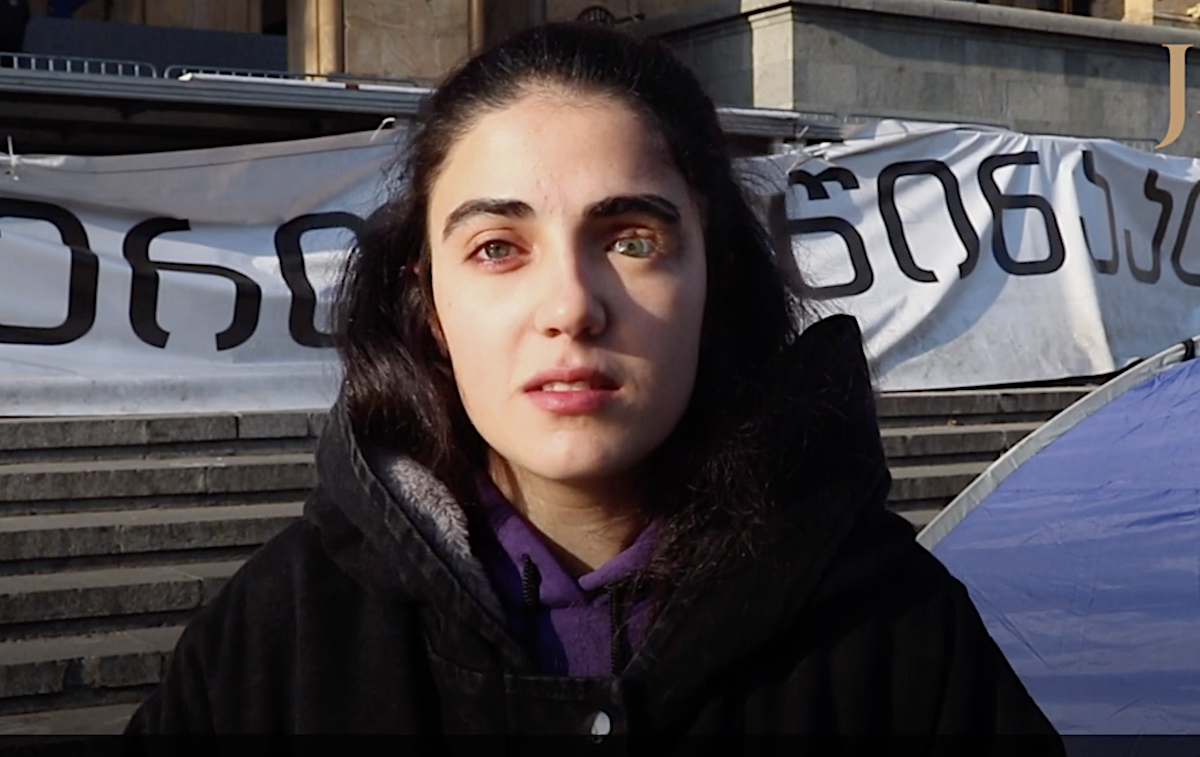
The dispersal operation lasted almost seven hours. Police fired over 800 rubber bullets. A total of 187 protesters and 38 journalists were officially registered as injured by police actions. Some lost their sight, while others sustained facial injuries from rubber bullets.
After this historic victory, we at the Georgian Young Lawyers’ Association remembered how we began working on these cases: immediately after the dispersal, we searched for detainees and victims in detention centres, defended around 80 people under administrative arrest in court, and located injured people in hospitals.
We are very pleased that six years of hard work have brought results. Many thanks to all association staff who, over these six years, at different times worked on the cases of those affected on 20–21 June. We also thank our partner, the European Human Rights Advocacy Centre, with whom we took this case to the Strasbourg court.”
Lawyer on ECHR ruling over “Gavrilov night”