

'What’s in it for us?' - views from Abkhazia on new transit terminal






Transit terminal in Abkhazia
In the Gali district of Abkhazia, a new road transport terminal for transit shipments from Georgia to Russia is nearly complete. It is owned by a private transit and logistics company, whose CEO, Astamur Akhsalba, said in a recent interview that the terminal will soon become operational.
Akhsalba did not explain how goods will be processed amid the unresolved Georgian-Abkhaz conflict, or whether there are any agreements between the sides on this matter. Abkhaz authorities have also made no comment.
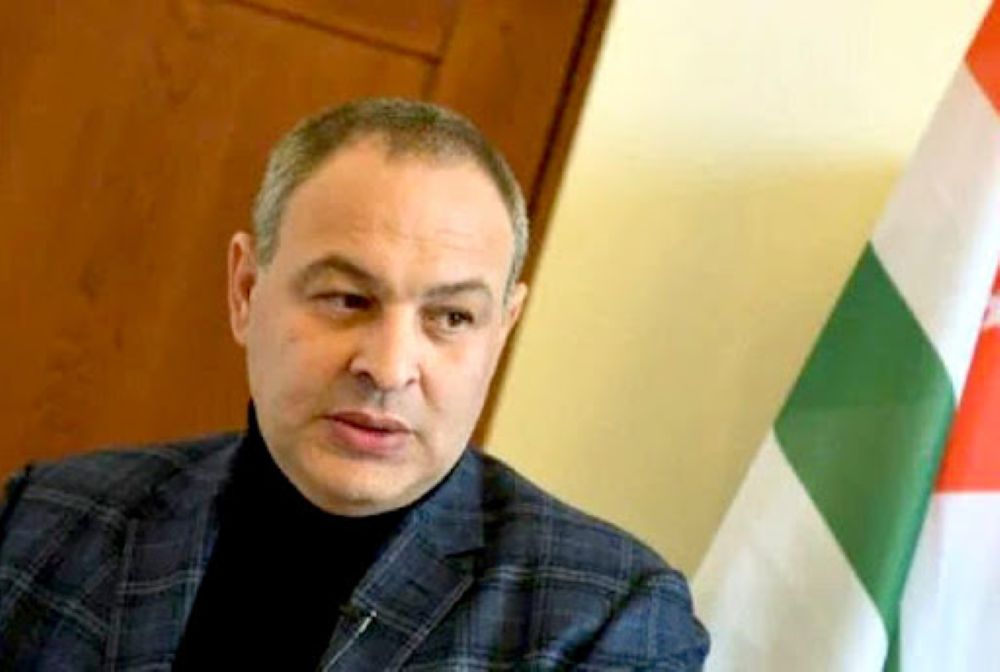
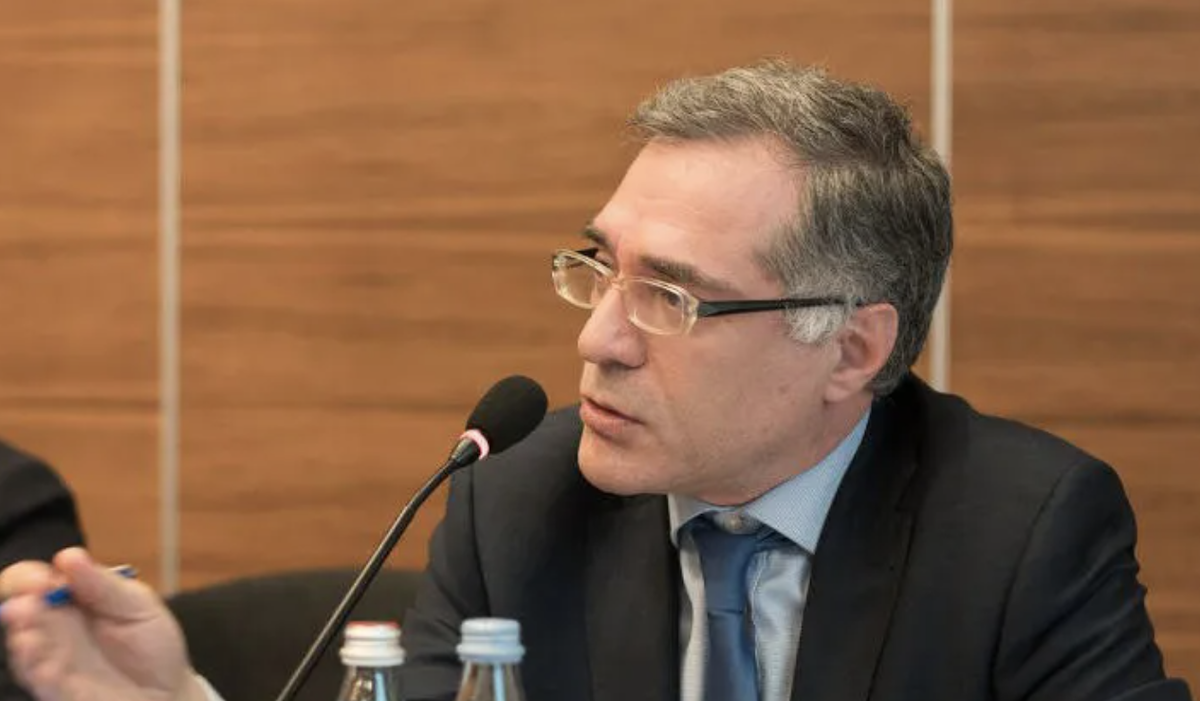
Abkhaz publicist Tengiz Jopua, who has experience working in the Customs Committee, analysed the issue of transit through Abkhazia in an interview with the Telegram channel OKNO.
JAMnews provides a brief summary of the interview.

What will Abkhazia gain from the transit?
Tengiz Jopua finds it strange that the Customs Service and the Ministry of Economy have so far remained silent on the issue.
“I don’t understand under what conditions this terminal will operate for the Abkhaz side. At the same time, I fully understand the terms for Georgia and Russia. But what does it give Abkhazia?”
Jopua explains that there is only one possible payment in the transit of goods – a customs fee. It amounts to 0.1% of the customs value of the goods moving through the country.
“I don’t understand under what conditions Abkhazia agreed to this transit, because it brings certain inconveniences and challenges: the use of national roads will increase, traffic density will rise,” he said.
According to him, Georgia benefits from the scheme, and it aligns with Russia’s interests, as it apparently involves sanctioned goods. He also has a rough idea of what the hub’s owners will gain.
“But I don’t understand what Abkhazia will get from it. I think, aside from the 0.1% customs fee, nothing else. On such terms, this is unacceptable for our republic. We have no bypass routes, our roads are not suited for such heavy use, and we lack the necessary transport infrastructure.”
Transit amid an unresolved conflict with Georgia
At present, neither Georgia nor the international community, with the exception of Russia and a few other countries, recognize the Georgian-Abkhaz border as legitimate. Any trade operations across it are therefore illegal. In addition, Georgia has a law on occupied territories, meaning that anything Georgia transports through this route is considered smuggling.
Nevertheless, Tengiz Jopua believes that Georgia still benefits from such transit.
“In all transport, banking, and commercial documents, the destination country will be listed as Georgia. No one will indicate Russia as the destination. So when these goods arrive in Georgia, customs duties, taxes, and economic measures such as licences and quotas will be applied. Georgia will therefore receive the maximum profit from all foreign trade operations.”
Grey and black market schemes
Parallel imports include almost everything subject to Western sanctions, from bearings to soft drinks. Jopua believes that the Georgian side will process these goods as if they remain in Georgia, after which a grey scheme comes into play.
“But there is also a black scheme, where no documentation exists at all. In a grey scheme, documents exist but customs values are understated, commodity codes and countries of origin are altered. These changes reduce the customs fees that need to be paid. In a black scheme, there is nothing at all.”
Jopua says it is quite possible that the black scheme could be used in this case.
“Russia is our strategic partner, and if it needs this, we have no objection. But we certainly don’t want to end up looking like fools. If they are going to use our roads and territory, we should also profit from it.
“The Cabinet of Ministers of Abkhazia could pass a resolution to introduce a fee for transit of goods from Georgia, so that we get at least some benefit. Otherwise, under the current arrangement, we only suffer losses. Georgia will earn, Russia will earn, the terminal owners will earn… and Abkhazia will only lose.”

Political dimension
The political dimension of the issue also remains unclear.
“Let Georgia repeal the law on occupied territories and end its policy of isolating Abkhazia on the international stage, at least in areas such as culture, sports, and education.
If they want transit to go through our territory, then we should also be participants in that transit. We should have the opportunity to send and receive goods ourselves, for example from Armenia and Azerbaijan.
Otherwise, we end up being treated as nothing. That is exactly how we are seen now,” Tengiz Jopua said.
Toponyms, terminology, views and opinions expressed by the author are theirs alone and do not necessarily reflect the views and opinions of JAMnews or any employees thereof. JAMnews reserves the right to delete comments it considers to be offensive, inflammatory, threatening or otherwise unacceptable.
Transit terminal in Abkhazia