‘This affects every citizen of Georgia’: lawyer on tougher foreign funding law






Georgia’s foreign funding law
Explaining the tougher foreign funding law in Georgia, lawyer Saba Brachveli says it affects not only media outlets, NGOs or political parties, but virtually any citizen of the country.
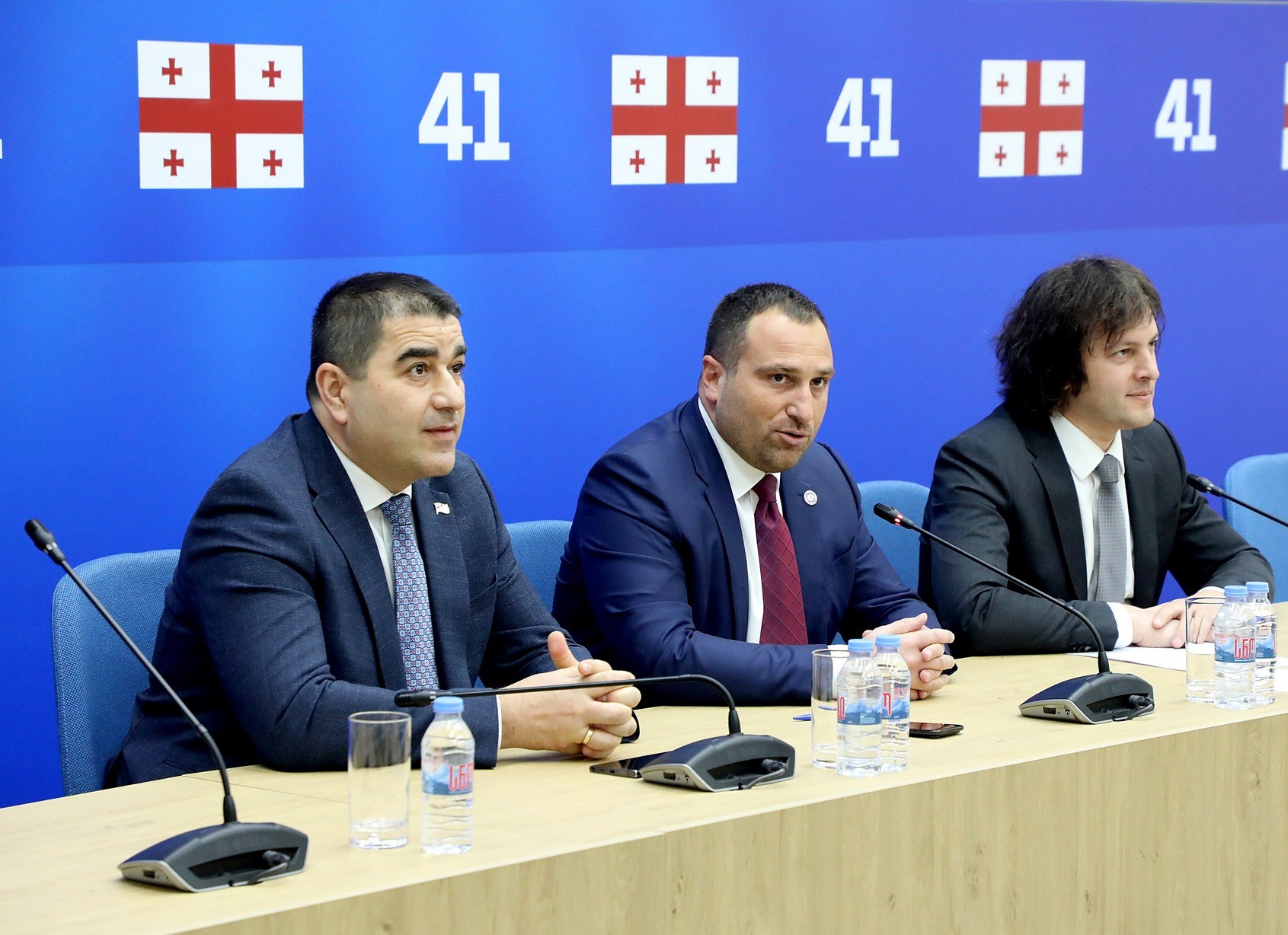
On 28 January, the ruling party Georgian Dream announced that under new legislative amendments, any cooperation with foreign foundations or legal entities without government approval would become a criminal offence. The move aims to block all remaining channels through which civil society groups can access foreign funding in Georgia.
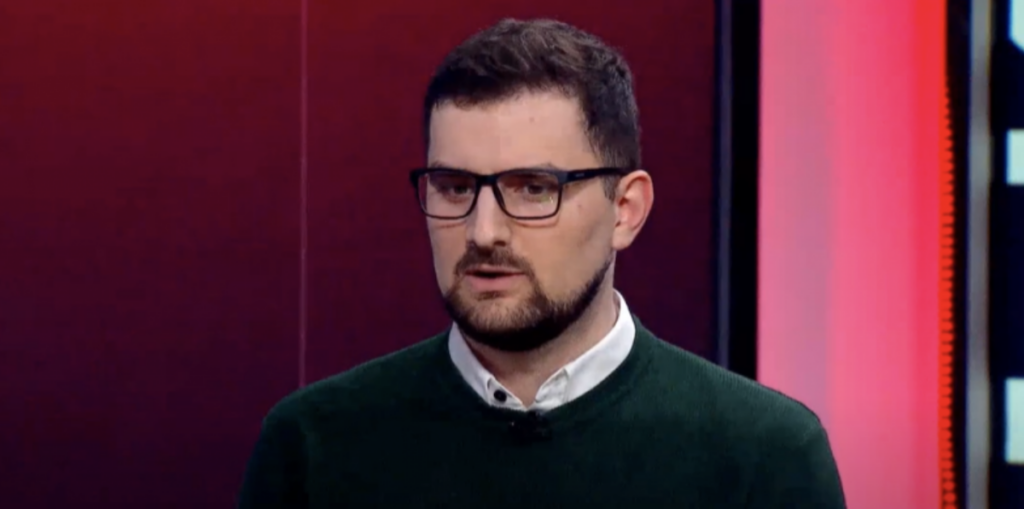
Saba Brachveli said: “I will try to briefly explain the essence of the new legislative amendment.
- Anyone who has any kind of contract with foreign companies or organisations – or even Georgian ones based abroad – and receives money or services from them must notify the authorities within a month and obtain official permission. This includes, for example, a Netflix subscription or free online courses.
- Until such permission is granted, the person may not fulfil the terms of the contract, spend the received funds or even use Netflix. Otherwise, they face up to six years in prison.
- If the same person publicly expresses any opinion on social or political issues, the authorities can designate them as a political actor. As a result, all their personal data loses confidentiality.
- For example, if the United Nations hires a graphic designer to run a free workshop for students, and the designer does not take a single penny, both the designer and the students could still face up to six years in prison.
- Until now, the foreign funding law did not apply to representatives of international organisations such as the United Nations or the Council of Europe. Under the new rules, their staff could face prison sentences if the authorities do not approve even unpaid cooperation with citizens of Georgia.”
- Head offices of international organisations will need prior approval to transfer funds to their Georgian branches. In practice, this means organisations will have to negotiate their annual budgets with the Georgian authorities in advance.
- Prosecutors will gain the legal right to question anyone who has any connection, however minor, with foreign individuals or organisations. Failure to report such contacts will constitute a separate criminal offence. As a result, if the authorities find an organisation guilty, they will arrest its leaders for violating the law, while employees will face charges for failing to report the violation.
- The law applies not only to media outlets, journalists or political parties. It covers everyone – any citizen of Georgia who has any foreign ties and receives any benefit from them, even a non-material one.
- Civil society groups, which have faced similar restrictions for years, will likely find ways to adapt. Those who believed the changes would not affect them should now prepare to live “by permission”.
P.S. This is only the initial version of the amendments. We will see what else lawmakers add before they pass them.
Georgia’s foreign funding law