Shortfall in transport fares in Yerevan: fines fail to solve problem






Shortfall in Yerevan public transport fares
The Armenian government will allocate an additional 3 billion drams (almost $8 million) from the reserve fund to Yerevan’s city hall. Cabinet members approved this decision to ensure the implementation of priority programs, including the purchase of 45 trolleybuses.
A few months after the introduction of a unified payment system and the increase in public transport fares in the capital, Yerevan Mayor Tigran Avinyan said the city would not be able to purchase 30 of the 45 planned trolleybuses. He explained that the city hall’s budget had not received enough funds due to a shortfall in fare payments.
City authorities blame the shortfall on opposition colleagues in the Yerevan City Council, who had spent several months urging residents to boycott and avoid paying fares after the tariff increase. The opposition argues that the shortfall is the result of ineffective management.
Since February 2025, Armenia has adopted a unified ticketing system for public transport. Previously, a single ride cost 100 drams (26 cents); it now costs 150 drams (39 cents).
The system also offers packages ranging from one day to one year. For example, a one-month unlimited pass costs 9,000 drams ($23.6), while a one-year pass costs 90,000 drams ($236).
In addition, certain groups of passengers receive discounts. These include schoolchildren, university students, pensioners, and socially disadvantaged citizens receiving benefits.
- Yerevan launches public transport checks, fare dodgers to be fined
- Why is it so noisy in Armenia — and what can be done about it: views from residents and experts
- Rise of electric cars in Armenia: What’s driving their popularity?
The city hall does not hide that the budget shortfall results from undercollection of transport fares.
“The budget of Yerevan shows a certain shortfall, especially in public transport fare collection,” the government explained as it justified its decision.
Preliminary calculations indicate that the shortfall for 2025 will reach 5.5 billion drams (over $14 million).
Although this information was included in the government’s decision, Armen Galjyan, head of the ruling Civil Contract faction in the City Council, said that the number of fare dodgers is decreasing.
He added: “If a citizen is fined once, they are expected not to behave that way for a long time.”
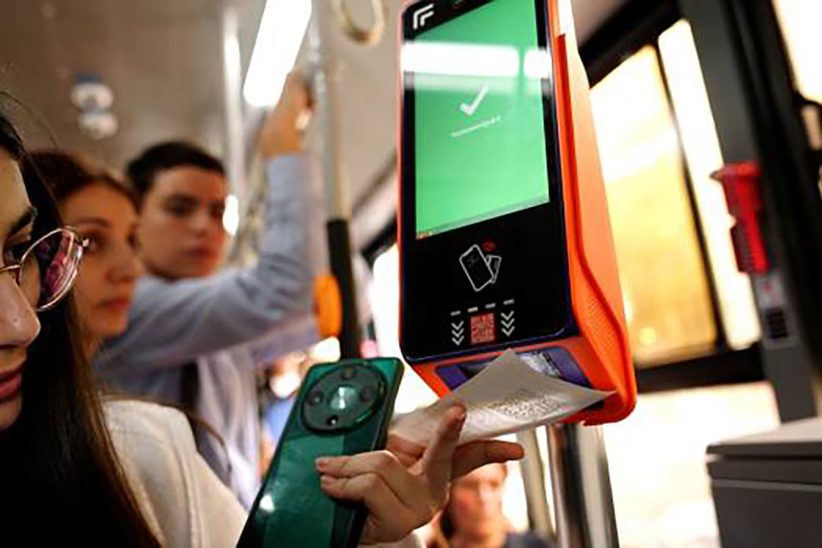
Fines have not made up for the shortfall.
Since 5 August 2025, public transport in Yerevan has been subject to inspections. Officers from the Public Order Protection Service check whether passengers have paid for their trip, either with their own card or with a card belonging to someone eligible for concessions.
If a passenger has a ticket but has not validated it using the validator, they face a fine of 3,000 drams ($7.8). Traveling without a ticket carries a fine of 10,000 drams ($26). Using someone else’s concession ticket results in a fine of 15,000 drams ($39).
As of 25 November, authorities had issued 1,180 penalty notices. Of these:
- 860 passengers did not have a ticket,
- 91 used another person’s concession ticket,
- 229 had a ticket but failed to validate it, meaning they did not scan it on the validator.
Opposition claims that “the transport reform has failed.”
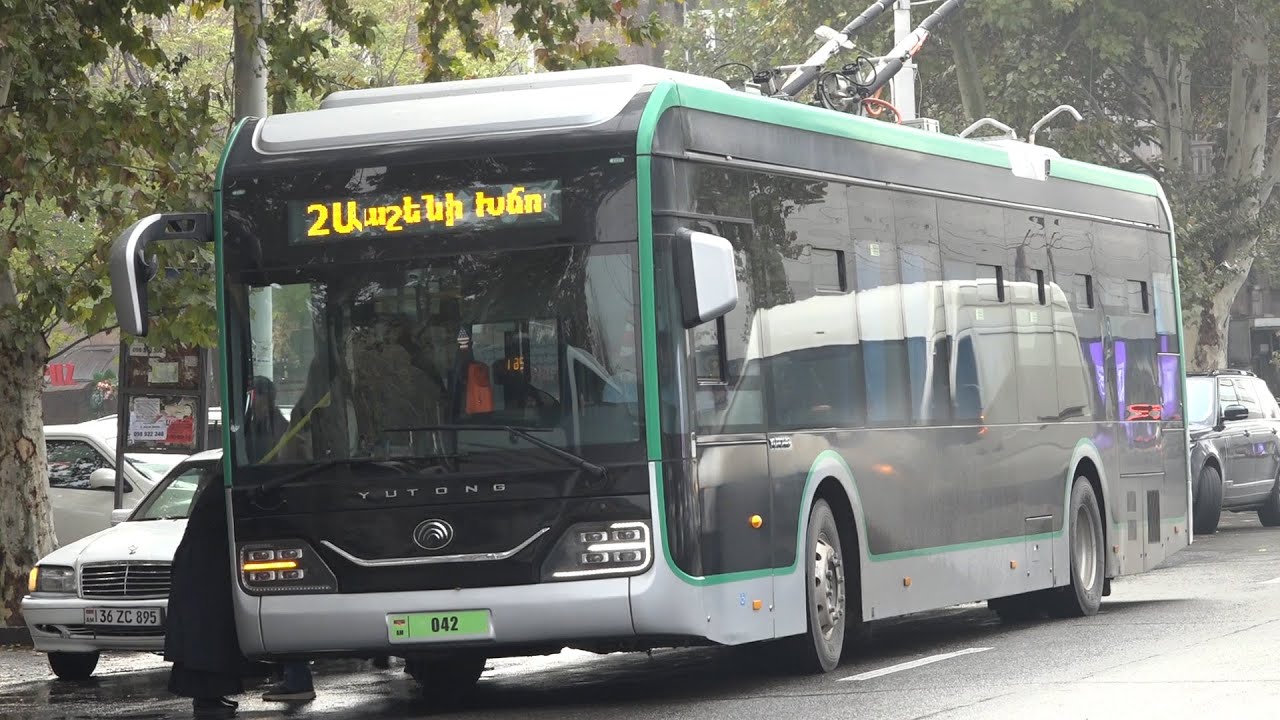
The renewal of the public transport fleet serving Armenia’s capital began a few years ago. In 2024, however, the transport reform accelerated noticeably. Old minibuses, commonly known as “marshrutkas,” were removed from the streets. The city now operates new, comfortable buses and trolleybuses.
The opposition, however, claims that the reform has failed. Manuk Sukiasyan, head of the “Mother Armenia” opposition faction in the city council, said that the municipal authorities have not fulfilled their promise to reform the transport system:
“In a responsible society, after such a failure, city authorities would apologize and resign. They would not even dare to run in the next elections. And these people just say, ‘What happened?’ Nothing terrible occurred, we failed. Yet the government has a reserve fund. Using it, they can cover up wrong or even criminal actions and continue as if nothing happened.”
The opposition figure suggests that the government’s decision is influenced by the upcoming elections in 2026:
“They chose the path of covering up and hiding the incompetence of their associates by allocating money from the state budget. And this sum will be returned indirectly, taken from the citizens’ pockets.”
Shortfall in Yerevan public transport fares