

“Georgia against Ivanishvili!” - 38th Saturday march in Tbilisi | Video podcast “Protests in Georgia”






Protests in Georgia against Ivanishvili
The traditional “Saturday march” in Tbilisi on September 5 was held under the main slogan “Georgia against Ivanishvili”. Speakers said democracy was declining in Georgia, relations with the EU and Western partners had sharply deteriorated, and the country’s EU integration process had been suspended despite Georgia already having candidate status.
Participants blamed the situation on Bidzina Ivanishvili, founder of the ruling Georgian Dream party and an oligarch widely seen as the country’s de facto ruler.
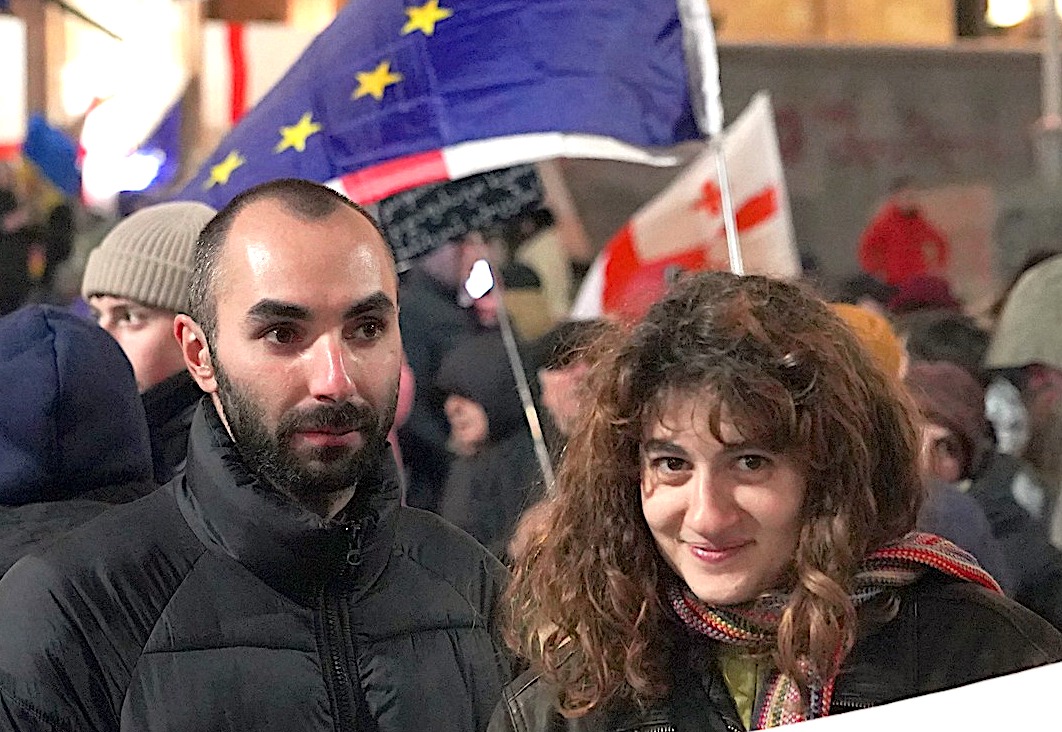
“Protests will continue until the Ivanishvili government leaves office,” march participants said.
The traditional Saturday march was held in Tbilisi for the 38th time. The demands remain unchanged: the release of detained protesters, new parliamentary elections and a return to the path of European integration.
For more than a year and half – since November 2024 – continuous protests have been taking place in Georgia, with demonstrators demanding that the country return to the path of European integration. The results of the parliamentary elections held in autumn 2024 are still not recognised by part of Georgian society.
Every evening thousands, and often tens of thousands, gather in Tbilisi and several other cities. Over this time dozens of participants have been detained, many have faced criminal charges, and some have been sentenced to prison terms.
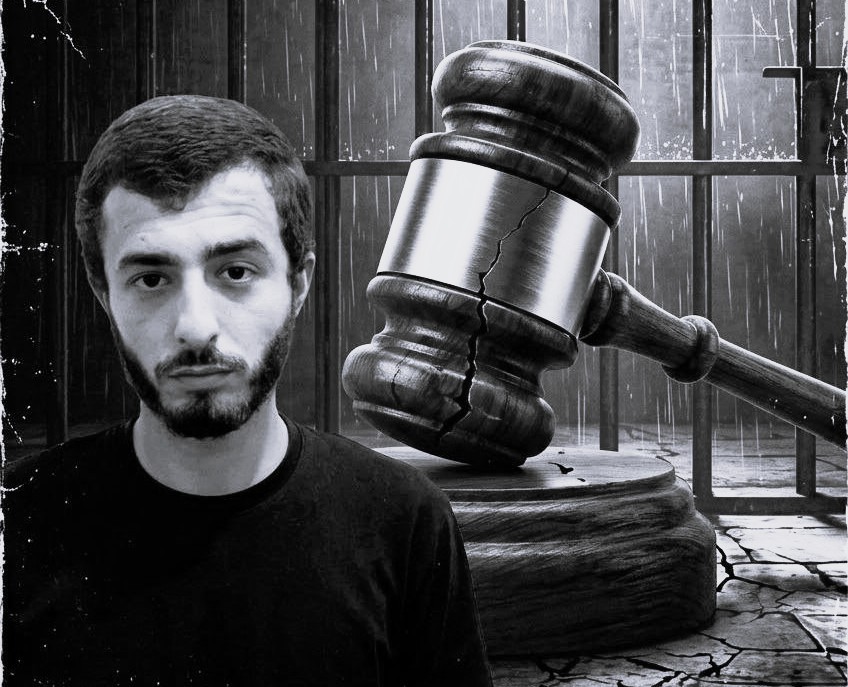
For the first time in the history of independent Georgia, the country has up to 150 prisoners of conscience, including women. Among them is Mzia Amaglobeli, founder of the popular outlets Batumelebi and Netgazeti.
In 2025 she was sentenced to two years in prison for slapping a police officer. Protesters demand the release of all political prisoners and the repeal of all anti-democratic laws adopted over the past two years.
To suppress the protests, the ruling Georgian Dream party has increasingly tightened repression against civil society and the media. However, protests in various forms continue.
News in Georgia