Germany’s ambassador: “We’re not agents of regime change in Georgia and don’t care who is in power”






German ambassador criticizes Georgian authorities
Peter Fischer, Germany’s ambassador to Georgia, said in an interview with InterpressNews that the ruling Georgian Dream uses increasingly critical rhetoric toward the European Union.
He said recent claims that the EU is a “global war party” or part of a so-called “deep state” are baseless and serve only to shift political responsibility onto others.
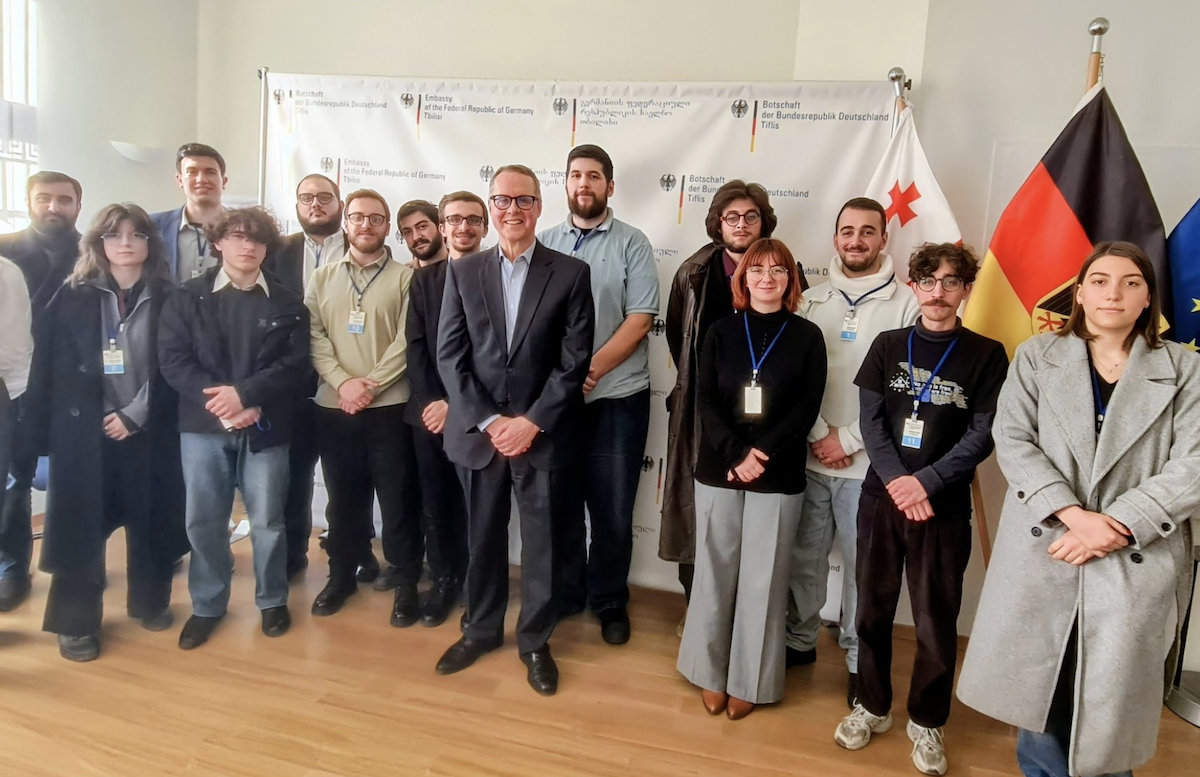
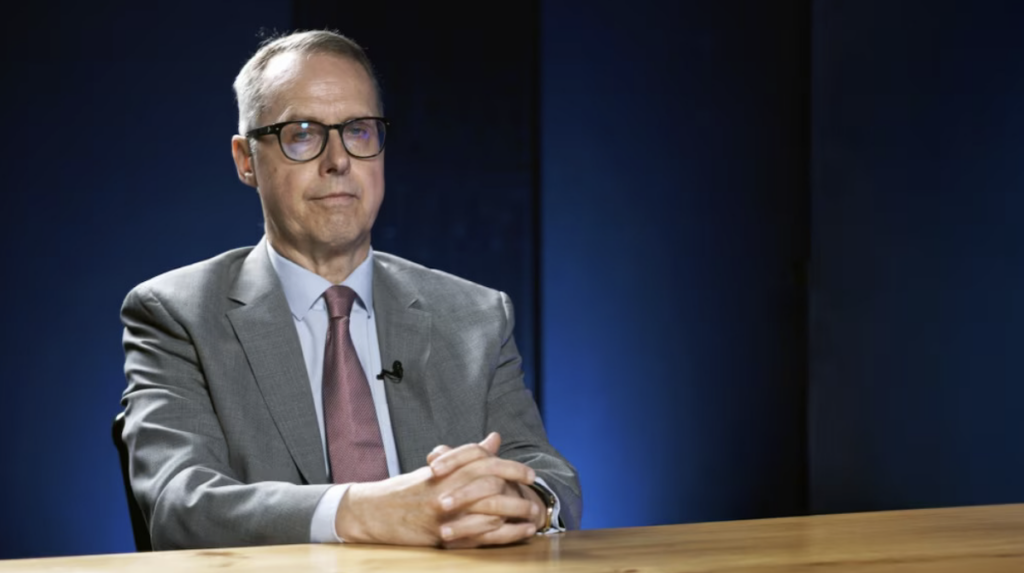
Peter Fischer: “We are not foreign agents. We don’t care who is in power in Georgia. We express our views on protecting human rights and fundamental freedoms, but we will never be agents of regime change.”
He added that such accusations against the European Union simply shift responsibility onto “external enemies,” calling it a classic propaganda tactic.
Fischer also stressed that Europe has long been Georgia’s strategic partner in democracy, economic development, and Euro-Atlantic integration.
“We have been Georgia’s best friend and partner for the past 30 years. It is strange that today, according to some narratives, we are supposedly supporting a violent coup,” he said.
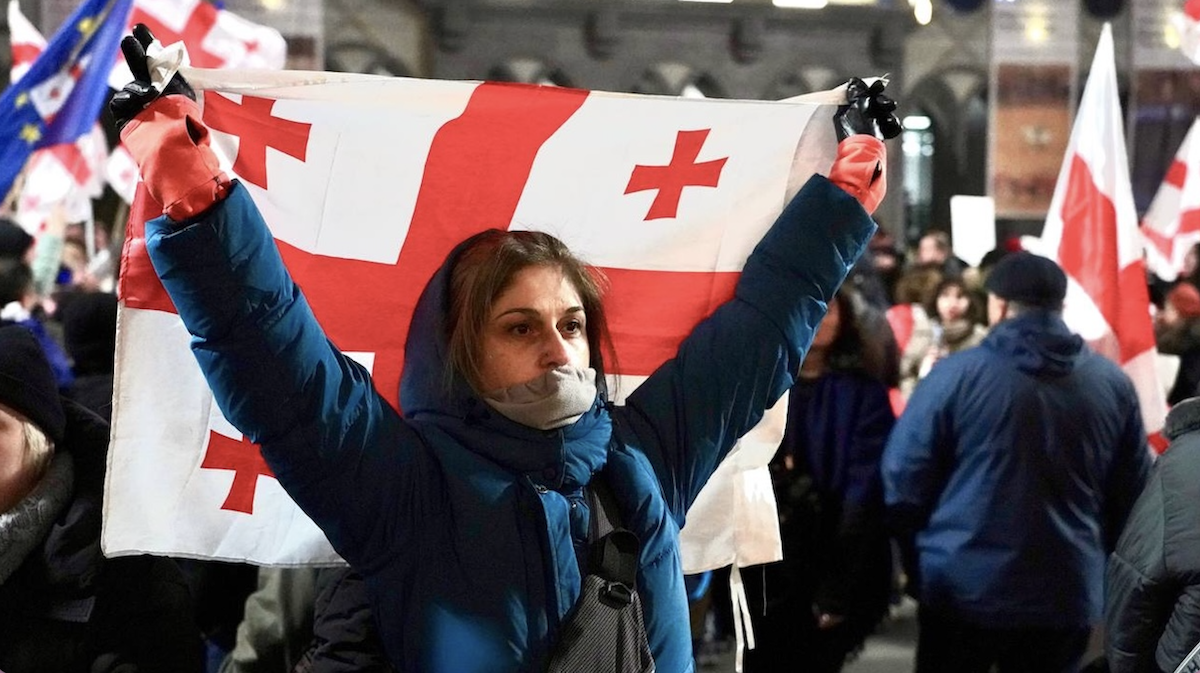
Peter Fischer also addressed Georgia’s visa-free regime with the European Union. He said that any potential EU decision to suspend visa-free travel depends on the actions of Georgia’s authorities and their fulfillment of international obligations:
“Visa-free travel is a privilege, not a right. The Commission reviews the situation annually, and everything will depend on how the country protects human rights,” he said.
Fischer also responded to accusations linking him to a so-called “deep state”:
“This is not about me personally, but about the narrative. I am simply being used as an ‘external enemy’ or a scapegoat,” the ambassador said.
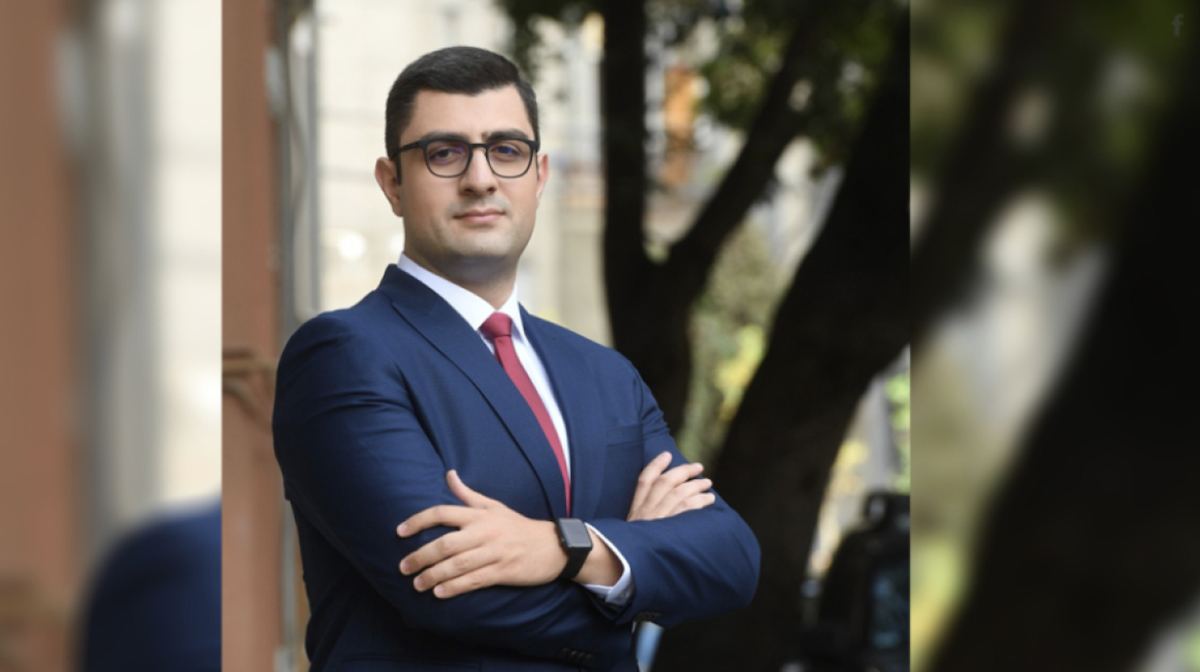
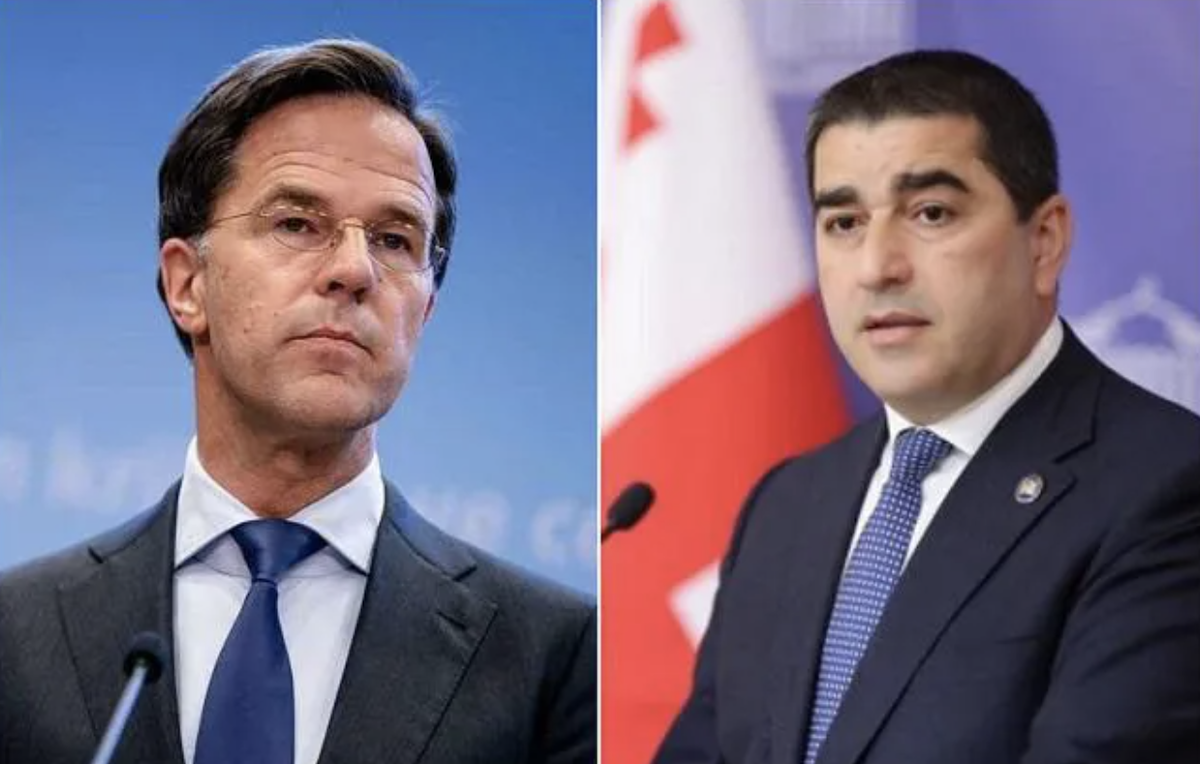
The diplomat cited the professional experience of Parliament Speaker Shalva Papuashvili as an example:
“I know Mr. Papuashvili well. According to Wikipedia, he studied in Germany for four years on a scholarship and participated in projects with GIZ for 17 years. In total, he worked 21 years on a salary paid in Germany.”
Fischer also emphasized that despite recent statements, Germany and the European Union are ready to support Georgia, maintain visa-free travel, and ensure a stable partnership:
“We want Georgian citizens to travel safely to Germany and other EU countries, as they do now. Georgia has candidate status, and we want it to become an EU member,” Fischer said.

Earlier, Shalva Papuashvili once again criticized the German ambassador, accusing him of “undermining the foundations of Georgian democracy.” According to Papuashvili, Fischer and his leadership contributed to escalating tensions between Georgia and Germany.
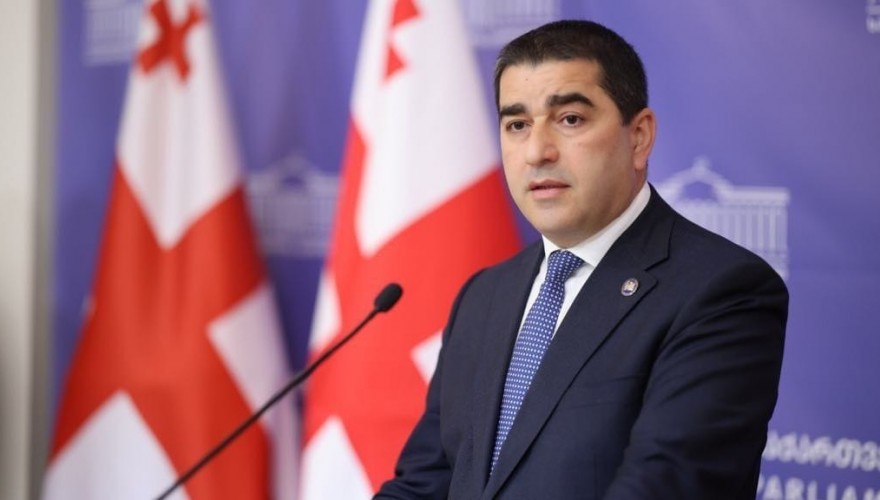
Shalva Papuashvili: “The German ambassador in Georgia has only a three-year mission, while I and many members of our team have had long-standing ties with Germany and the German people, including professional experience and education.
What have they done to Georgian-German relations? Step by step, we built 30 years of friendship between our two countries and governments. This started back in Genscher’s time. Germany’s reputation was especially high in Georgian society.
And today, when I meet with people, with society, they ask me: what’s wrong with Germany? Why is it acting this way?
The country that opened the first embassy in Georgia is now seen by the Georgian people as the one that first undermined Georgian democracy. That’s exactly what our people are asking us – what’s wrong with them? What happened to Germany that its ambassador is trying to undermine Georgian democracy?”
“Therefore, they must answer for this before the Georgian people,” said Papuashvili.
News in Georgia