Opinion: 'The grants law is an attempt to destroy intellectual class that emerged in independent Georgia'






Opinion on Georgia’s grants law
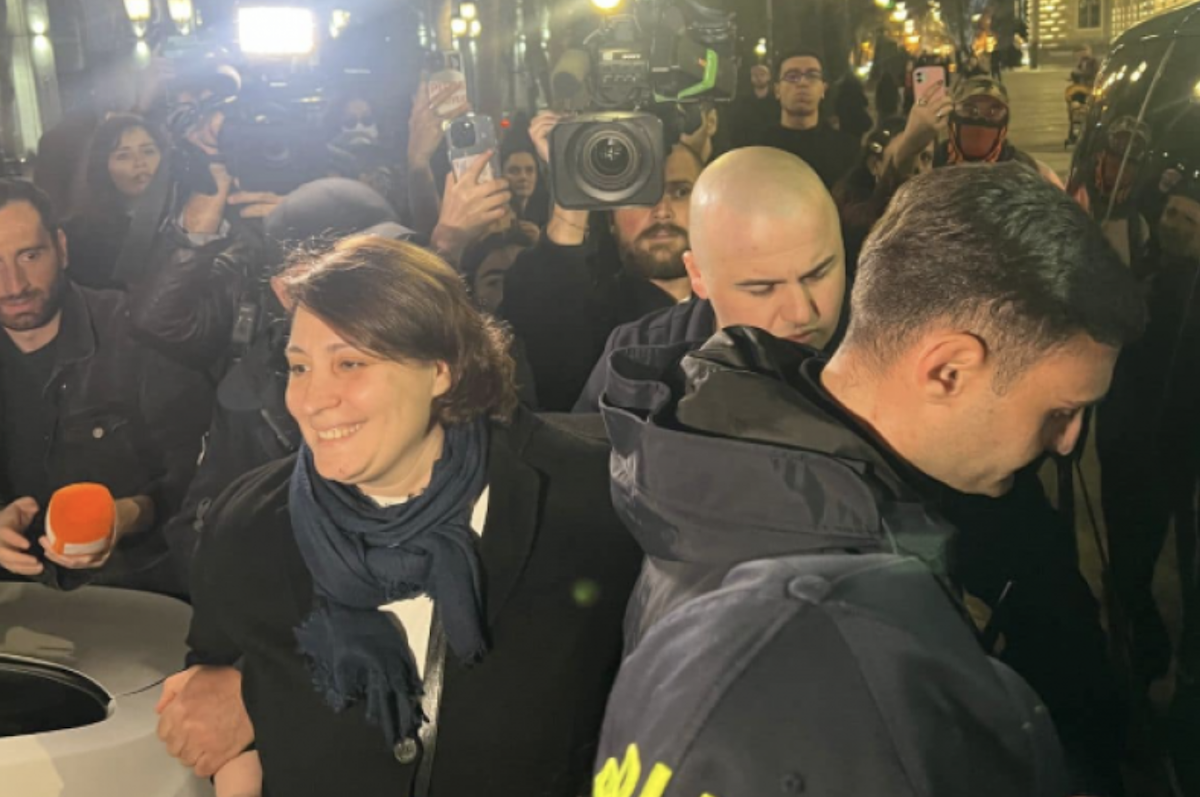
Tamta Mikeladze, director of the Social Justice Center, has commented on the new restrictive amendments to the law on grants adopted by the ruling party Georgian Dream. In her view, the legislative changes represent an attempt to socially and politically destroy the intellectual and cultural class that emerged in independent Georgia.
Georgia’s parliament has passed in the third reading a package of laws that significantly tighten control over foreign funding and political activity. The amendments broaden the definition of a “grant”, extending it to include almost any financial or non-financial assistance that could influence the country’s politics. They also require prior government approval for grants and introduce lengthy prison sentences for violations. More details about the changes are available at the link.
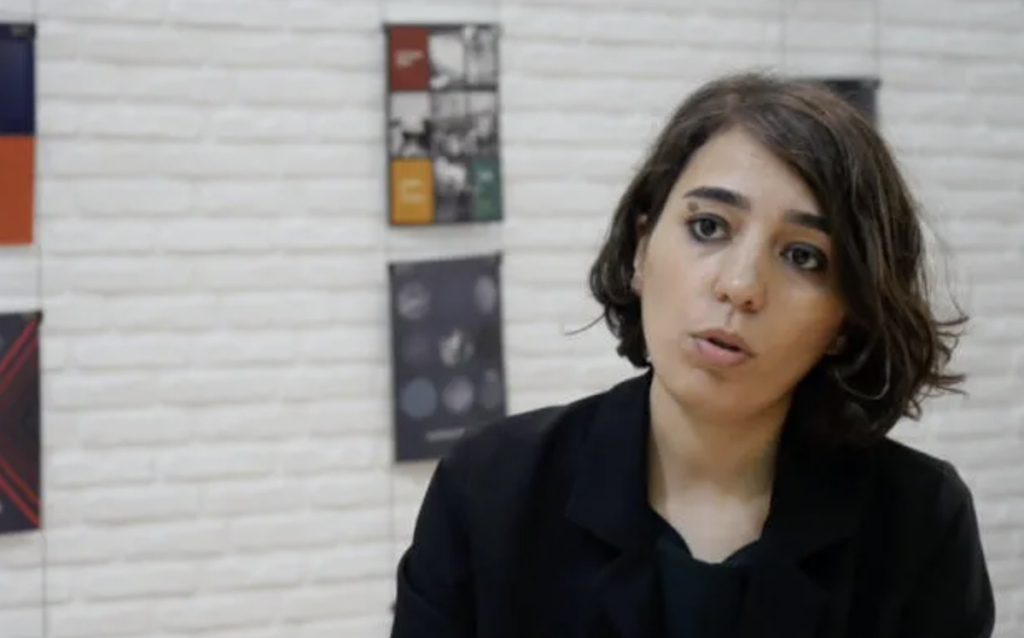
Tamta Mikeladze: “The law adopted today by Georgian Dream in the third reading, together with all the other destructive legislative and administrative changes the ruling party has introduced in recent years, effectively represents an attempt to socially and politically destroy the intellectual and cultural class that emerged in independent Georgia.
If we look at the recent years of Georgian Dream’s rule through the experience of individual representatives of this class, we can see a deliberate campaign to persecute them and dismantle what they created. This includes educational programmes, social initiatives and civic organisations. The process also erases their memory and their social and political significance.
Such a deliberate war against social forces that are vital for all democracies is not accidental. All autocrats act in the same way.”

“It is quite obvious that the simultaneous adoption of these laws is a sign of their weakness. A year has passed since the last amendment to the law on grants, and not a single major donor has approached Georgian Dream to request approval for project implementation. Now Georgian Dream is trying to secure cooperation with international organisations at a technical level, while banning everything — in the absolute sense of the word. The party also wants to completely demobilise the social forces that are driving protests in Tbilisi and other cities.
Georgian Dream is “bunkering” the country and pushing it into long-term regression simply to preserve power. In this sense, it has branded itself as the darkest and most backward political force in the history of Georgia.
Will civil society continue to function in the future? I think it certainly will. Because “thanks to” Georgian Dream, civil society is no longer limited to its institutionalised actors. In place of the destroyed NGO sector, a new experience is emerging. It is based on the pure work, courage, volunteerism, honesty and solidarity of individuals. There are more such people than the authorities can imagine.
So within this loss there is also the potential for something new to be born. I am certain that our generation will endure this as well.”

Opinion on Georgia’s grants law