Opinion: 'Russia becomes involved in Abkhazia’s political process'






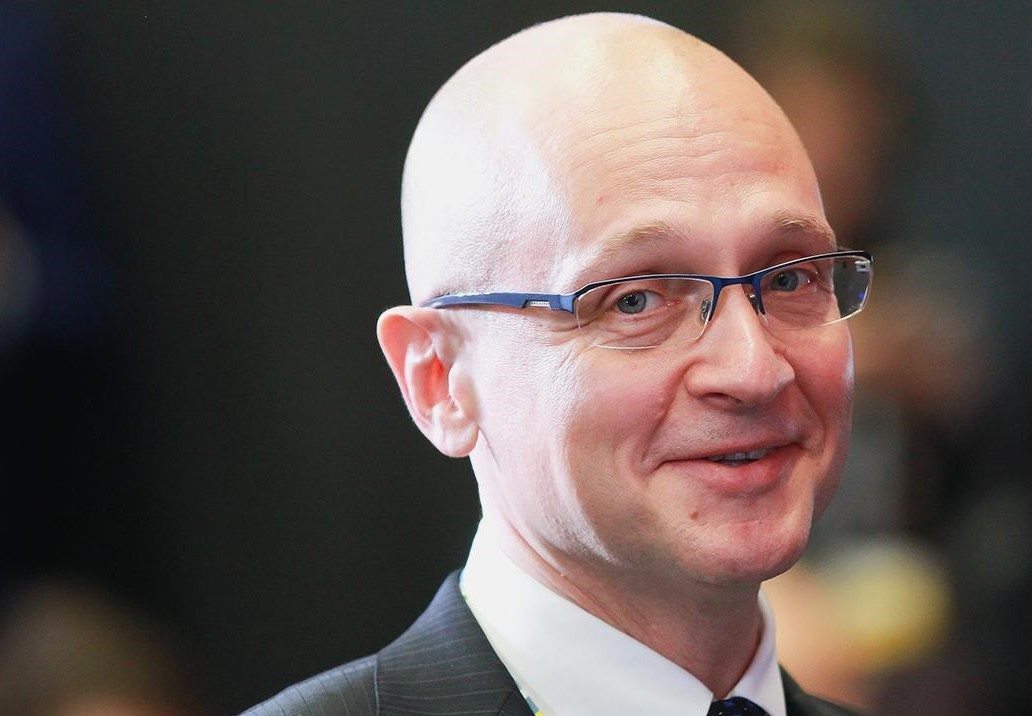
A recent interview with Sergey Kirienko, first deputy head of the Russian presidential administration and overseer of Abkhazia, in which he analysed current Russian-Abkhaz relations and the republic’s domestic political situation, has sparked intense discussion on Abkhazia’s social media.
Famous Abkhaz director and publicist Tengiz Dzhopua also shared his impressions of Kirienko’s interview on his blog.
On one hand, he is concerned that Russia is becoming a direct participant in Abkhazia’s political process, but he believes Kirienko could help achieve a compromise.
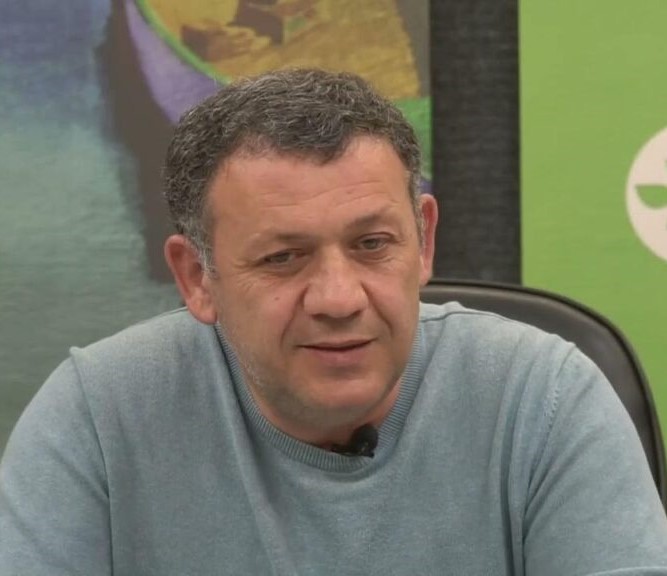
Tengiz Dzhopua:
“Sergey Kirienko is a very subtle politician and conducted the dialogue with great skill, deftly sidestepping sensitive points and steering Abkhaz frustrations into a dead end. His arguments were simple and understandable to ordinary people.
As an overseer, he is certainly better than his predecessors — he understands and senses a lot. As a politician, he is several steps above ours; the Abkhaz political elite cannot match him.
But what I don’t like about the whole situation is that Russia is becoming a participant in Abkhazia’s political process.
Previously, it was above the fray; now it is inside it. This undermines its ability to act as a stabiliser in a crisis and creates a negative image in the eyes of the opposition.
Given that half of Abkhazia’s population did not vote for Moscow’s favourite in the last presidential election, it is to be expected that this part of the population will absorb and accumulate negative feelings towards Russia. They simply do not feel respected — more precisely, half of the population is treated with respect, while the other half is not. That is the whole logic.”
“But overall, of course, Kirienko is better — more open and constructive than his predecessors in the role of overseer. At times, it seemed to me that he knew our problems better than we did. It is quite possible that he actually does.
But Kirienko has one weak point: Abkhazia. An unstable and difficult-to-manage region, with an uncertain political reality torn by competing interest groups, low trust in the elites and even in ‘approved and coordinated personnel,’ heavy-handed interference from other Russian structures and influence groups, sometimes deliberately aggressive and clumsy, and the constant need to keep a finger on the pulse of this area…
I listened to Kirienko and thought that he was not a Russian official in Abkhazia, but our man in Moscow. Our elite can negotiate with him and offer support, and he will help us. Our actions may not influence much, but some things do depend on us.”
“Instead of escalating confrontations, it is possible to sit down and talk. But you need to talk to everyone. Kirienko can bring everyone to the same table; the key is for our people to have the sense to listen to him, define red lines, analyse the agenda, and outline plans for implementation.
A compromise is needed that promotes stability — without interfering in the electoral process, without giving privileges to any side, without criminal cases against Abkhaz opposition members, scandals, or hunts for anti-Russian elements in Abkhazia.
This would be sensible for Abkhazia’s interests and beneficial for the overseer himself. After all, things are not easy in the Kremlin either. There are plenty of problems even without Abkhazia. So why make life harder for each other?”
Toponyms, terminology, views and opinions expressed by the author are theirs alone and do not necessarily reflect the views and opinions of JAMnews or any employees thereof. JAMnews reserves the right to delete comments it considers to be offensive, inflammatory, threatening or otherwise unacceptable.
Russian-Abkhaz relations