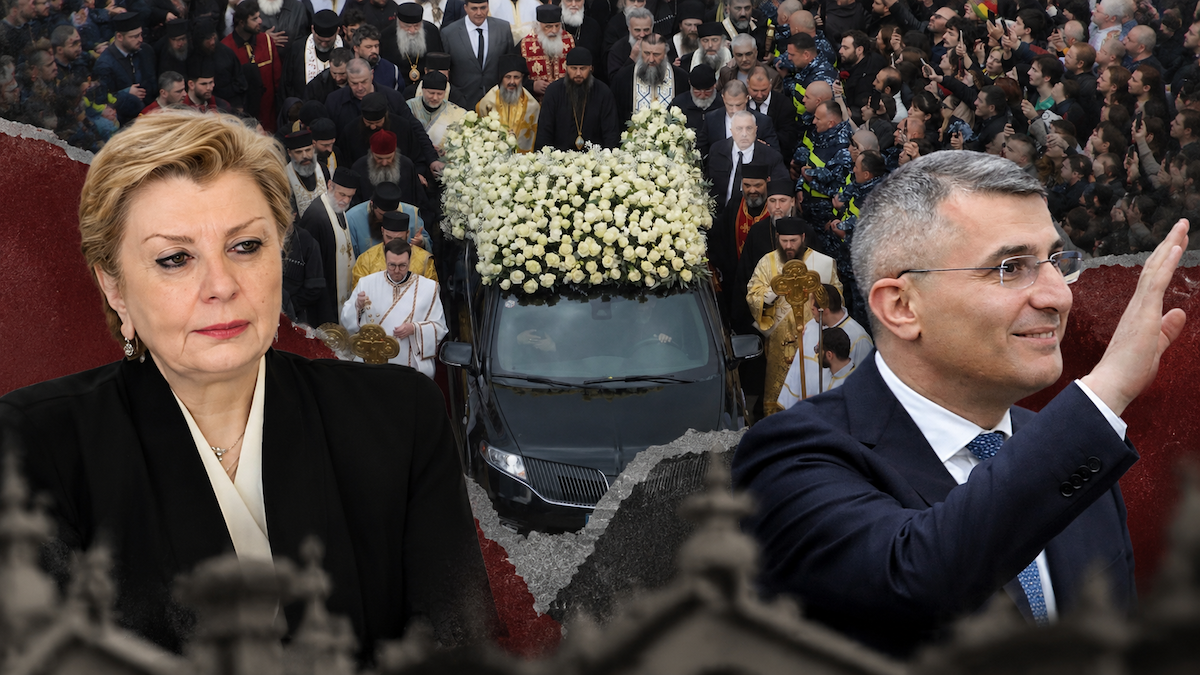
Opinion from Tbilisi: 'Dictator wants to be liked by everyone. Those who don't like him must be neutralised'






Transparency International Georgia researcher Zviad Koridze believes that Georgia’s current system of governance is built on fostering civil confrontation and deepening divisions within society. In his view, authoritarian regimes rely on social polarisation and the portrayal of people with different opinions as enemies in order to maintain power.
Koridze said that Georgian society still retains the capacity to resist, and that, ultimately, it is civic engagement that will serve as the main force pushing back against these processes.
On 26 July, MMA (mixed martial arts) fighter Giorgi Kartvelishvili, together with several supporters, announced the creation of a civic movement that will “respond immediately” to issues involving ancestors, religion, history and other subjects that the group considers offensive.
According to Kartvelishvili, the movement will be “highly active, well-organised and constructive”, and any “patriotic Georgian” will be able to join. Members of the group also said they were prepared to take responsibility for their actions, including serving prison sentences if necessary.
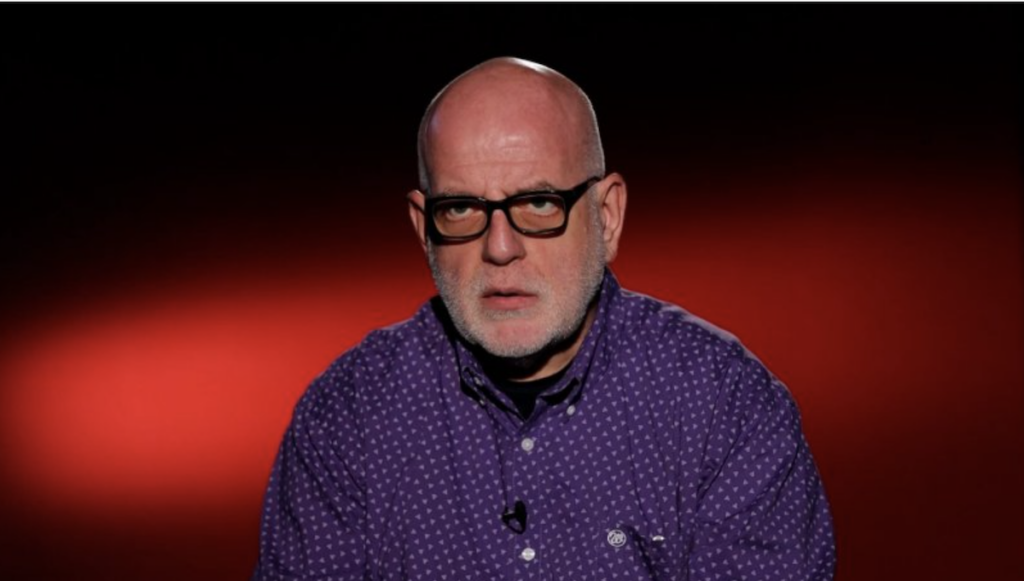
Zviad Koridze: “the system of governance that has taken hold in Georgia — Bidzina Ivanishvili’s dictatorship — regards civil confrontation as its natural state, just like any other dictatorship. Without it, those in power cannot consolidate their rule. They cannot persuade citizens that their continued grip on power and authoritarian governance serve the public interest. To do that, they need civil confrontation.
“All dictatorships are structured and develop in exactly this way. They need to identify groups and segments of society whose views differ from those of the autocrat. Then another social group must emerge to confront and suppress them. That is the language of civil confrontation.”

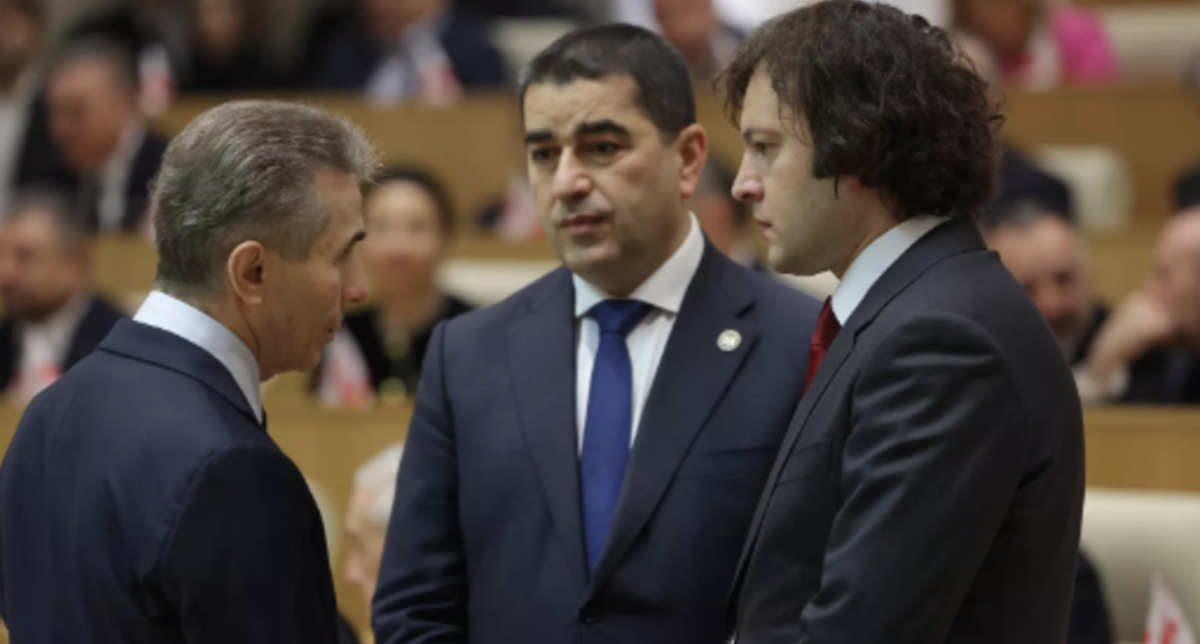
“When parliamentary speaker Shalva Papuashvili says that we do not need to join the European Union because we should have the right to make our own decisions, that is clearly not his independent position but Bidzina Ivanishvili’s. Papuashvili’s role is to voice that position and to support the creation of precisely these kinds of vigilante groups. He is expected to welcome their emergence. He sees this as a form of sovereign governance, and that is exactly why he does not want Georgia to join the European Union.
“How can a writer be liked by everyone? Is there a single writer who is universally admired? How can anyone even make such a claim? Or say that a public figure must be liked by everyone? Only a dictator wants that. He wants everyone to like him. And anyone who does not must be neutralised, driven out, persecuted and beaten. That is why he creates groups like these.
“These restrictions are designed to instil a climate of irrational fear, discouraging people from thinking independently, protesting and speaking out. The current situation is exactly the one Bidzina Ivanishvili wants most, and he is using every mechanism at his disposal to maintain it. The only force capable of dismantling these mechanisms is society itself — a society with a firm stance. I do not believe society is silent. I am convinced that our society will resist.”
Civil confrontation in Georgia