Opinion: 'Armenian products could lose competitiveness in Iran'






Iranian inflation and Armenia’s trade links
Experts in Armenia are closely monitoring developments in Iran, particularly the devaluation of the rial, rising inflation, and ongoing protests, and they are predicting possible impacts on Armenian-Iranian economic ties.
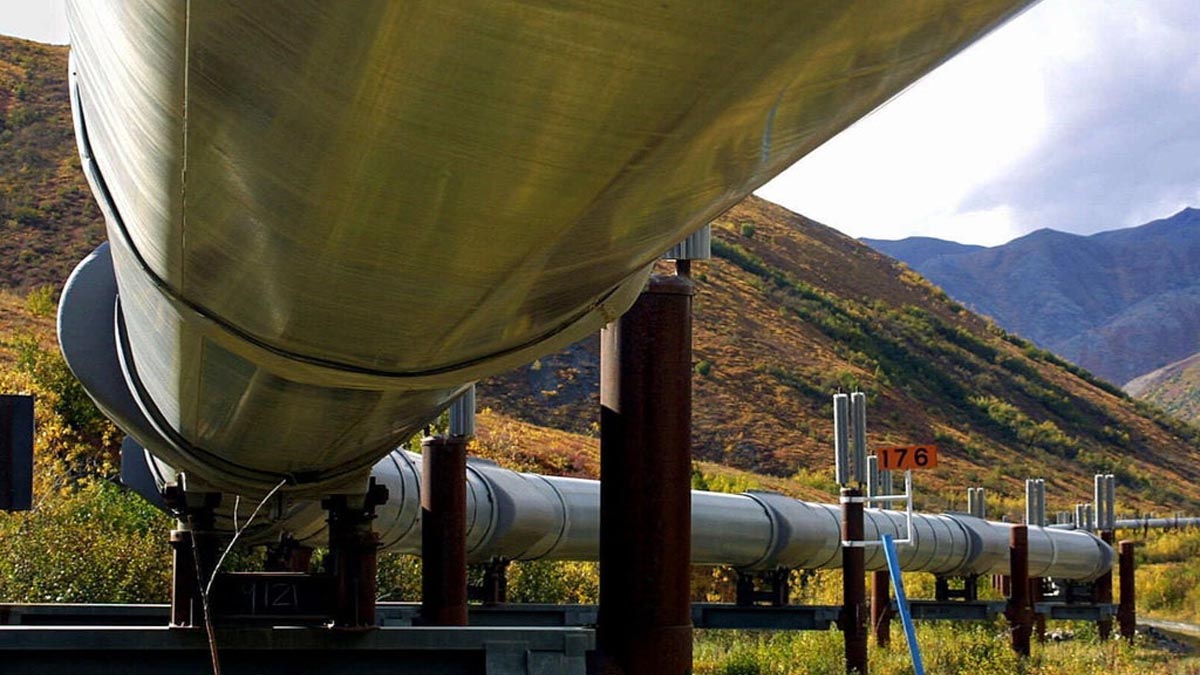
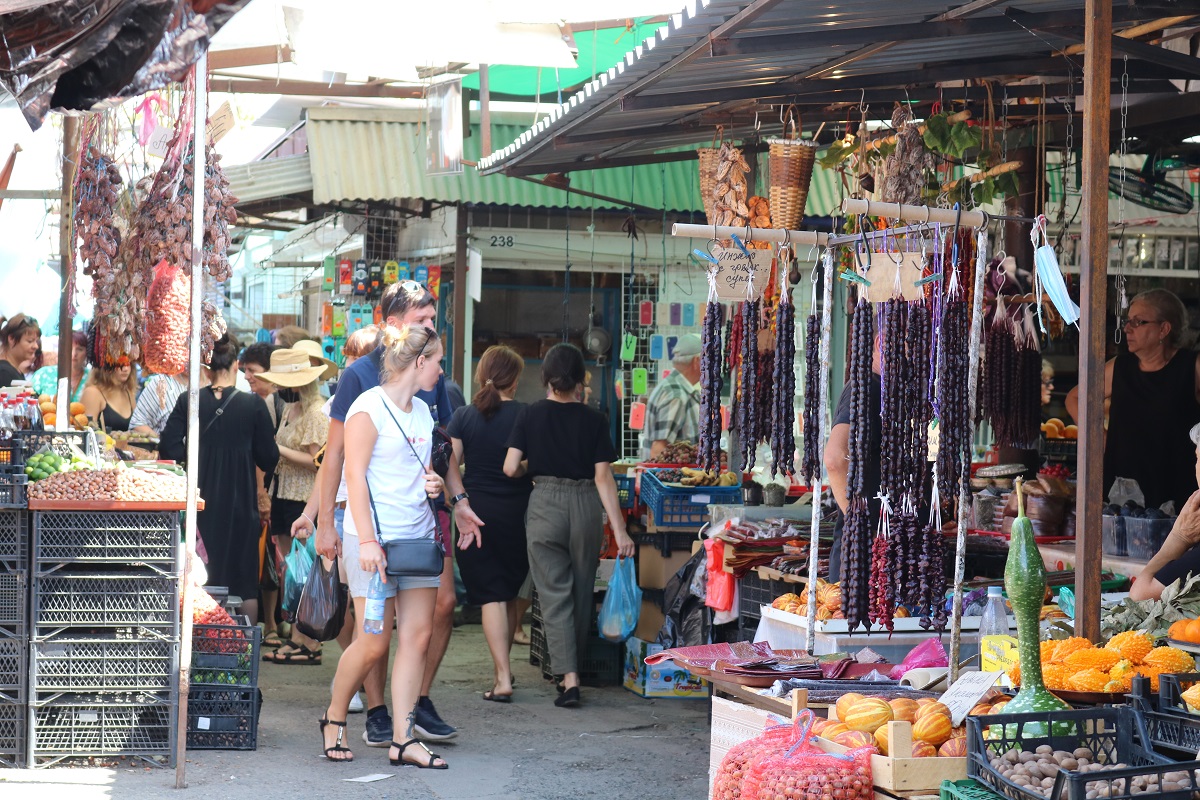
Armenia imports iron and steel, natural gas, petroleum products, plastics, and construction materials from Iran. At the same time, it exports electricity, minerals, food products, machinery, and equipment to its neighbor.
In 2025, trade between the two countries approached $1 billion. During Iranian President Masoud Pezeshkian’s visit to Yerevan in August 2025, Armenian Prime Minister Nikol Pashinyan expressed a goal to increase trade to $3 billion.
Economists suggest that ongoing inflation in Iran could undermine the competitiveness of Armenian goods. They also warn that this factor may negatively affect tourist flows from Iran to Armenia.
- Iranian president: “Visit to Armenia is part of priority trips to neighbouring countries”
- ‘Armenian-Iranian relations are not a bargaining chip’: Yerevan reassures Tehran
- ‘Political message to Baku — and beyond’: on Armenian-Iranian military drills
Experts’ commentaries
Agasi Tavadyan, an Armenian economist, told a local TV channel that developments in Iran inevitably affect Armenia:
“Products exported from Armenia to Iran will become more expensive for Iranians, which means they will lose their competitiveness,” he said.
He added that the situation in Iran has complicated exports for Armenian businesses:
“Previously, we exported a product that cost, say, 1,000 drams and sold it there at a certain price. Now, because the rial has depreciated significantly — for example, by half — this means our product will sell there at twice the price. From this perspective, exporting becomes more difficult.”
At the same time, Tavadyan suggested that imports from Iran to Armenia could theoretically become easier:
“An Iranian exporter can bring goods into Armenia, sell them at the same or higher price, and earn a larger profit.”
Iran expert Armen Vardanyan believes the Iranian economy is almost paralyzed. He warned about potential impacts on tourism:
“Tourists coming from Iran first buy dollars to be able to pay in Armenia. If the dollar rises in value, they will have to pay more, which could affect tourist flows to Armenia.”
Vardanyan added that he does not expect major changes in bilateral trade:
“Trade between Armenia and Iran is not very large. It amounts to roughly $700 million a year. I do not foresee significant changes in the volumes.”
According to the latest data from the Armenian Foreign Ministry, trade between Armenia and Iran reached $737 million in 2024. In August 2025, Prime Minister Nikol Pashinyan announced that bilateral trade had approached $1 billion.