

Armenia, Azerbaijan, and Georgia, top stories this morning
 Live
Live





-
Monday, October 12, Azerbaijan. Azerbaijan’s parliament and NGOs urge US Congress to fully repeal anti-Azerbaijan Section 907 of Freedom Support Act
● Members of Azerbaijan’s Milli Majlis and representatives of Azerbaijani NGOs have called on the US Congress to fully repeal Section 907 of the Freedom Support Act.
Background: Section 907 of the US Freedom Support Act prohibits US government assistance to Azerbaijan. It was adopted by the US Congress in 1992 after Azerbaijan imposed a blockade on Armenia, following Armenia’s occupation of Karabakh and seven surrounding districts during the First Karabakh War. In August 2025, President Donald Trump signed a document suspending the provision.
In a joint letter sent to US senators and members of the House of Representatives over the weekend, 30 MPs and 11 NGO leaders and representatives also urged them to abandon unilateral assessments that could complicate the peace process between Azerbaijan and Armenia. The letter states, in particular:
- Section 907 no longer reflects the current state of Azerbaijani-Armenian relations.
- Its full repeal would send an important signal of congressional support for the regional peace process and mark the beginning of a new chapter in relations between Azerbaijan and the US.
- Azerbaijan has spent more than 30 years dealing with the consequences of conflict and the occupation of around 20% of its internationally recognised territory.
- Approximately 13% of the country’s territory is contaminated with an estimated 1.5 million landmines.
- The fate of thousands of people reported missing during the First Karabakh War remains unknown.
- The president of Azerbaijan is pursuing a strategic course aimed at achieving peace.
- Azerbaijan initiated the preparation of a peace agreement and submitted a draft to the Armenian side.
The signatories praised Donald Trump’s role in advancing the peace process and the Washington peace summit held on 8 August 2025.
“Peace between Azerbaijan and Armenia should not become a subject of inter-party disputes in Washington,” the letter states.
● Ramzan Kadyrov, head of the Chechen Republic within the Russian Federation, has visited Azerbaijan. During a meeting with President Ilham Aliyev, Kadyrov expressed condolences over the deaths of passengers aboard an Azerbaijani airliner that was struck by Russian air defences as it approached Grozny from Baku in December 2024. Following the meeting, Aliyev and Kadyrov toured Baku’s White City, a modern residential district built as part of a major redevelopment project. The area was formerly known as Black City and became a centre of the oil industry in the late 19th and early 20th centuries. For more than 150 years, industrial waste polluted the district, creating numerous “oil lakes”. The Azerbaijani president launched a major environmental redevelopment project there in 2011.
● Registration has been completed for a new joint Azerbaijan-Kazakhstan venture capital fund, named Tamar Ventures. Its founders are Azerbaijan’s Innovation and Digital Development Agency and Kazakhstan’s White Hill Capital venture capital fund. The fund has authorised capital of $1 million. White Hill Capital, which has operated since 2021, reportedly invests primarily in start-ups from Central Eurasia.
● Cambodian Prime Minister Hun Manet has arrived in Azerbaijan on an official visit, accompanied by his wife.
● Azerbaijan’s National NGO Forum has urged the public not to “fall for provocations by external forces” amid new school dress-code requirements. A cabinet resolution sets a uniform standard for school clothing across the country, in line with the secular nature of general education. It also establishes requirements for teachers’ clothing, which must be “professional and secular”. Some commentators have linked the measures to a ban on wearing hijabs in schools. “In recent days, information attacks have been launched in Iran and other countries against Azerbaijan’s secular system of government. Their authors promote the principles of Sharia law and create artificial divisions in society. We strongly condemn the politicisation of dress-code requirements for pupils and teachers and attempts to turn this issue into a religious confrontation,” the forum said in a statement. The statement describes secularism as a historic achievement, a state tradition and a national asset of Azerbaijan. Azerbaijan made history as the first country in the Muslim East and the Turkic world to establish a tradition of secular statehood. […] Those seeking to return Azerbaijan to a dark age of ignorance, impose clerical rule and turn the country into a version of Iran governed by religious dogma will not achieve their aims,” the statement said.
● Participants in the fourth international conference, the Baku Dialogue on Missing Persons, have made a familiarisation trip to Karabakh.
● A group of travellers from the international Most Traveled People club were given the opportunity to observe demining operations in Karabakh and surrounding areas that Azerbaijan regained control of following the 2020 Second Karabakh War. Representatives of Azerbaijan’s National Agency for Mine Action (ANAMA) outlined the scale of mine contamination attributed to Armenian armed forces during the period of occupation. Particular attention was paid to how the mine threat prevents former internally displaced persons from safely returning to their homes and hampers reconstruction. The group comprised around 40 people from 13 countries.
● Azerbaijani judoka achieved a historic result at the World Championships held in Baku from 4 to 11 October. In the team standings, they won one gold, two silver and four bronze medals. The individual competitions also produced a record haul of seven medals.
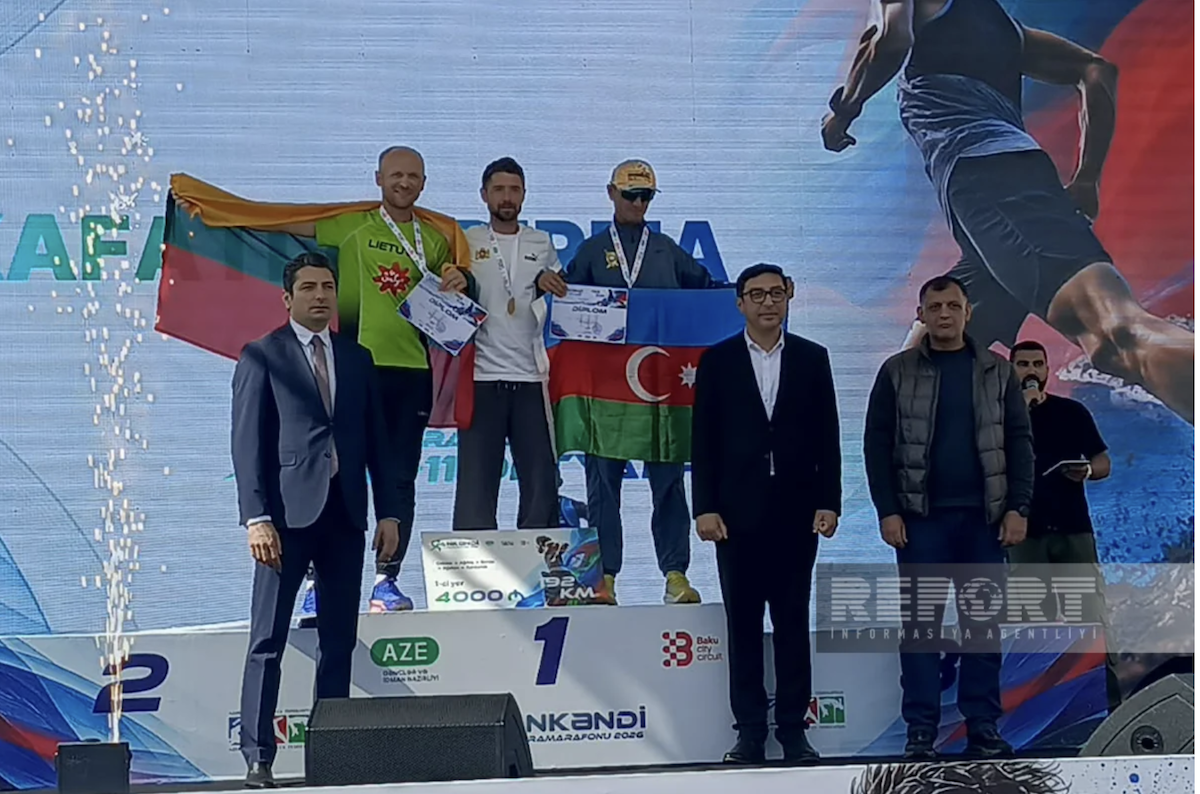
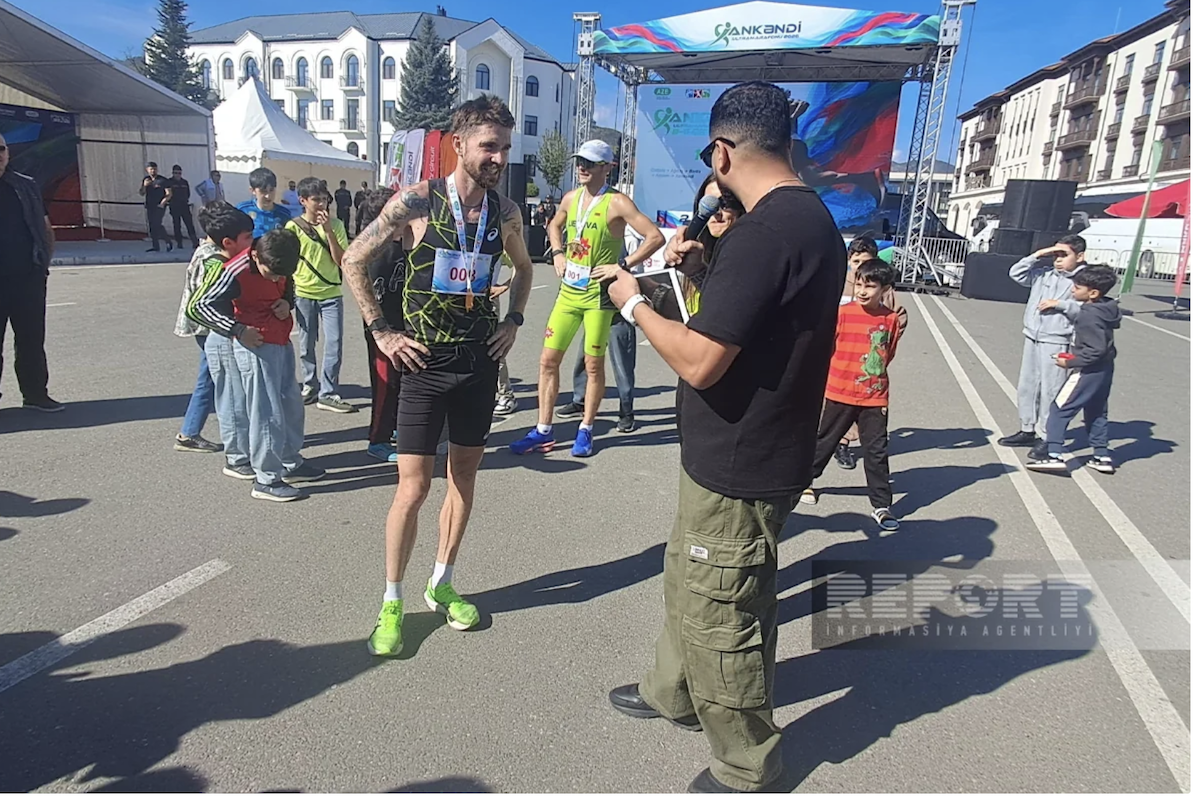
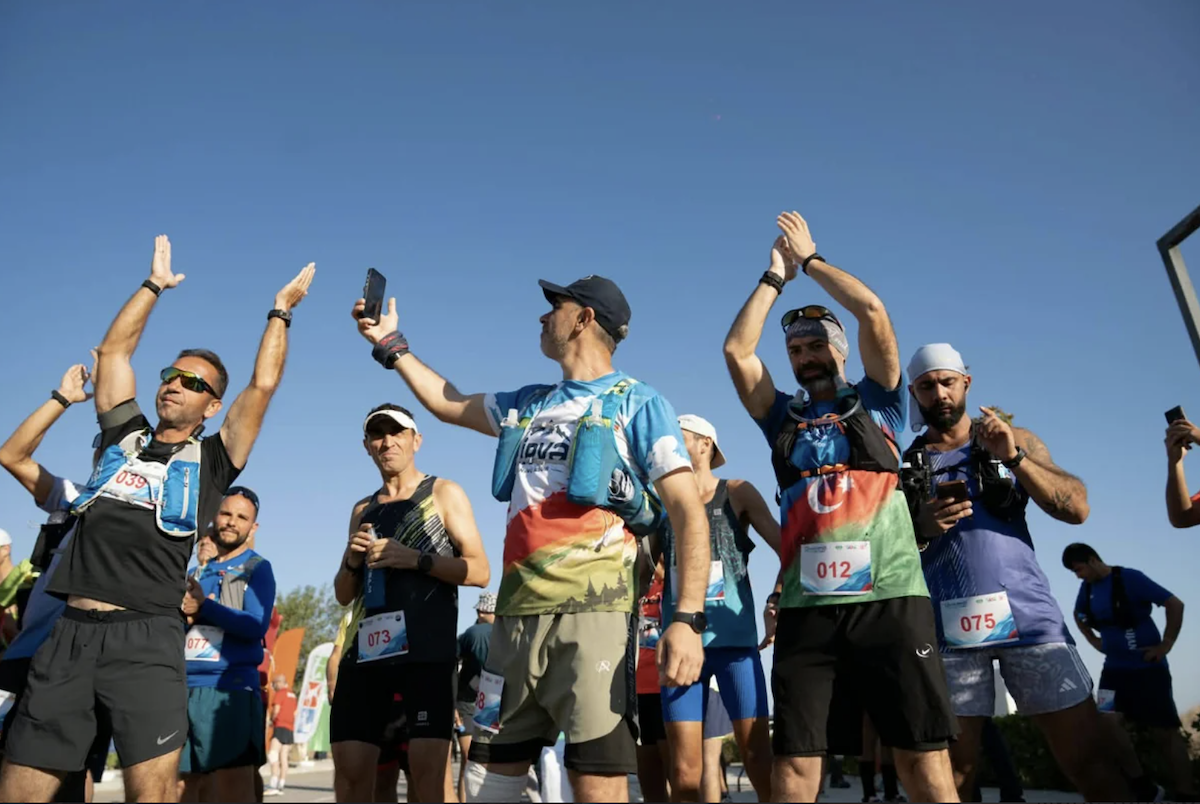
● Winners of the third international ultramarathon, held from 7 to 11 October along the 192-kilometre route from Gabala to Khankendi in Karabakh, have been awarded their prizes in Khankendi. Georgian athlete David Kharazishvili won the men’s fourth and final stage. Andrei Egorov of Lithuania finished second, followed by Azerbaijan’s Elshad Nasibov in third place. Ukraine’s Elena Shevchenko won the women’s overall title. Leila Abdinova of Russia came second, while Azerbaijan’s Natalia Vallek finished third. Kharazishvili and Shevchenko also won the first two stages of the ultramarathon. A total of 97 athletes from six countries took part.
-
Top stories in Azerbaijan, Armenia, and Georgia from 5-9 October, 2026