New travel rules for Russian minors: how will they affect Abkhazia’s citizens?






Rules for children leaving Russia
New border-crossing rules for Russian minors came into force on 20 January. From now on, children under the age of 14 need an international passport to leave the country.
The changes apply in particular to travel to Belarus, Kazakhstan, Kyrgyzstan, Abkhazia and South Ossetia. Previously, a simplified system allowed children to cross the border with their parents using only a birth certificate.
The new rules will also indirectly affect citizens of Abkhazia, as most of them hold Russian citizenship in addition to their own.
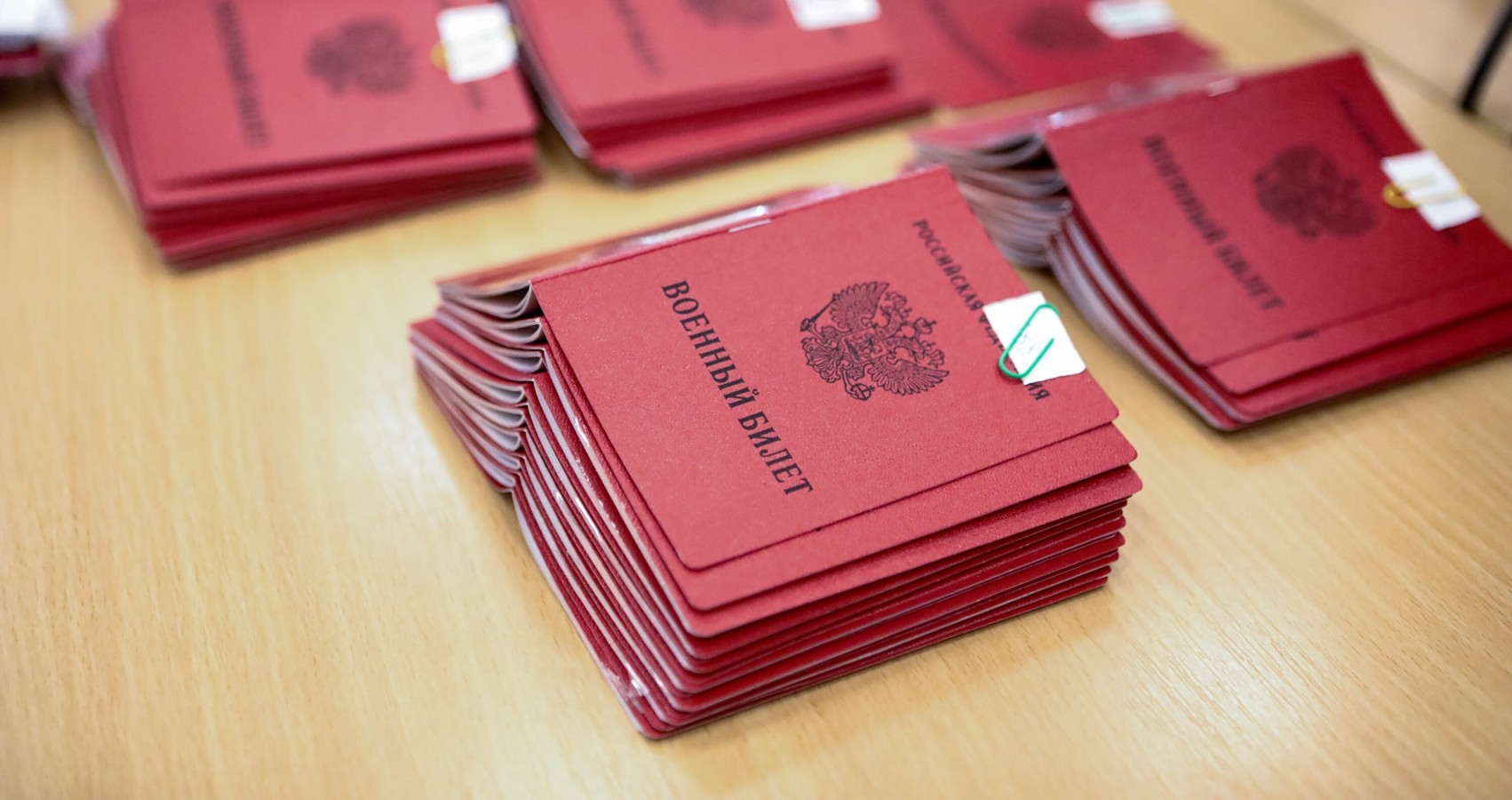
The main problem is that in recent years many Abkhaz women have chosen to give birth in Russia, mostly in the nearby city of Sochi, where medical services are significantly better than in Abkhazia itself. Under the new rules, however, if a child is born in Russia to parents with dual citizenship, they must obtain an international passport for the newborn before returning home. This process typically takes between one and three months.
Previously, a woman holding both Russian and Abkhaz citizenship could give birth in Russia and return home with her child almost immediately. Now, she must wait at least a month for the passport to be issued.

The new rule has also raised concerns among representatives of Abkhazia’s tourism industry, who fear it could reduce the flow of visitors from Russia. The simplified border-crossing system had been one of the factors making Abkhazia attractive for family holidays, as well as for day trips from Sochi.
However, Abkhazia’s tourism minister, Astamur Logua, has sought to allay those concerns, saying visitor numbers will not fall. He argues that information about the changes was made public well in advance, giving both tour operators and potential tourists sufficient time to prepare.
Toponyms, terminology, views and opinions expressed by the author are theirs alone and do not necessarily reflect the views and opinions of JAMnews or any employees thereof. JAMnews reserves the right to delete comments it considers to be offensive, inflammatory, threatening or otherwise unacceptable.
Rules for children leaving Russia