'Ivanishvili should be sanctioned' - hearings in UK House of Commons






UK on sanctions against Ivanishvili
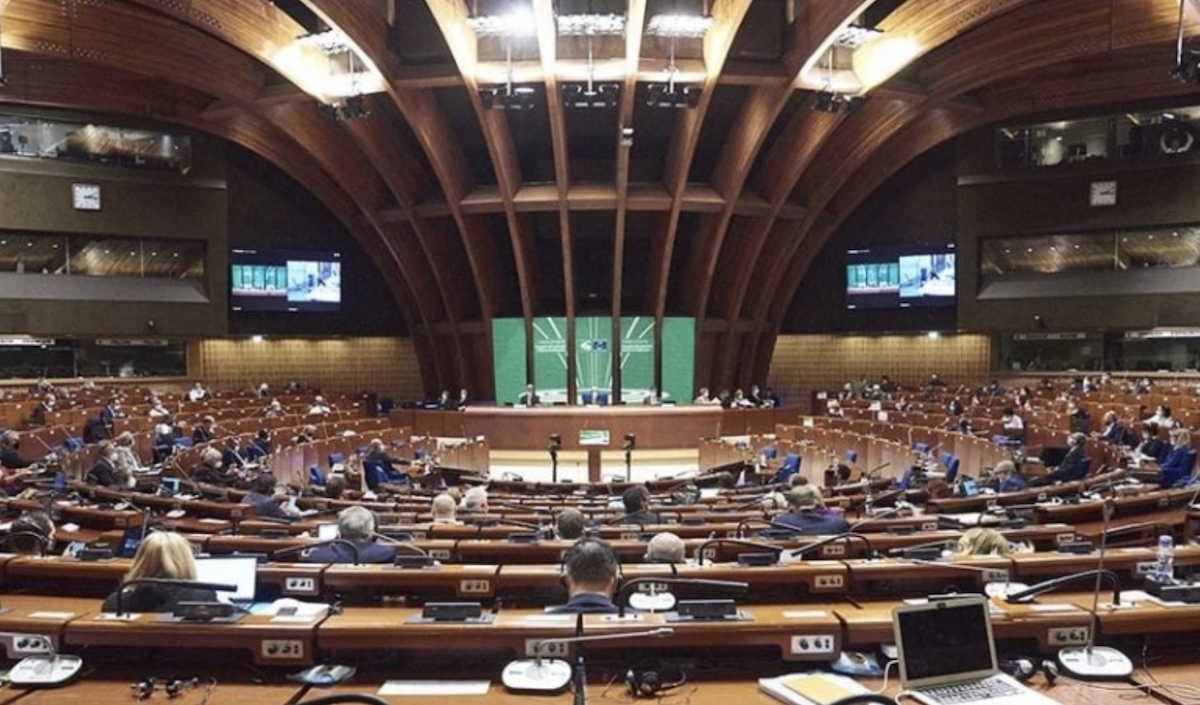
On 8 January, the UK House of Commons held special hearings on Georgia. MPs demanded that the government explain why stricter and broader sanctions were not imposed on those they believe are systematically undermining democratic foundations in Georgia.
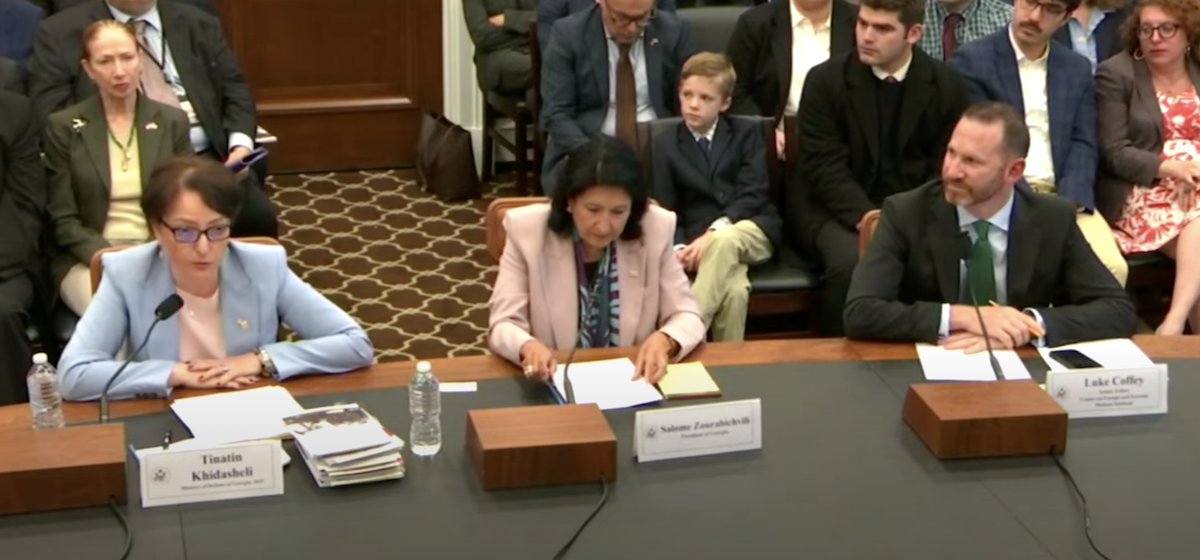
During the hearings, several MPs emphasized that Georgia’s political system is increasingly concentrated in a single center of power, while independent institutions – such as the judiciary, media, and civil society – are coming under growing pressure.
In this context, Foreign Secretary Stephen Doughty was directly questioned about the reasons for the delay in imposing sanctions in response to events in Georgia.
The House of Commons focused particularly on the need for a sanctions policy targeting government officials who, according to MPs, show signs of state capture.
Discussion centered on oligarch Bidzina Ivanishvili, considered Georgia’s shadow ruler, and the ruling Georgian Dream party that he founded.
Ivanishvili and party leaders were accused of violence and repression against civilians, journalists, and political opponents, according to statements made during the session.
MPs stressed that the UK’s delayed response contradicts its stated foreign policy, which is based on protecting human rights and democratic values.
They stated that they expect the government to explain when and in what form personal sanctions might be imposed on individuals playing a key role in the regression of democracy in Georgia.
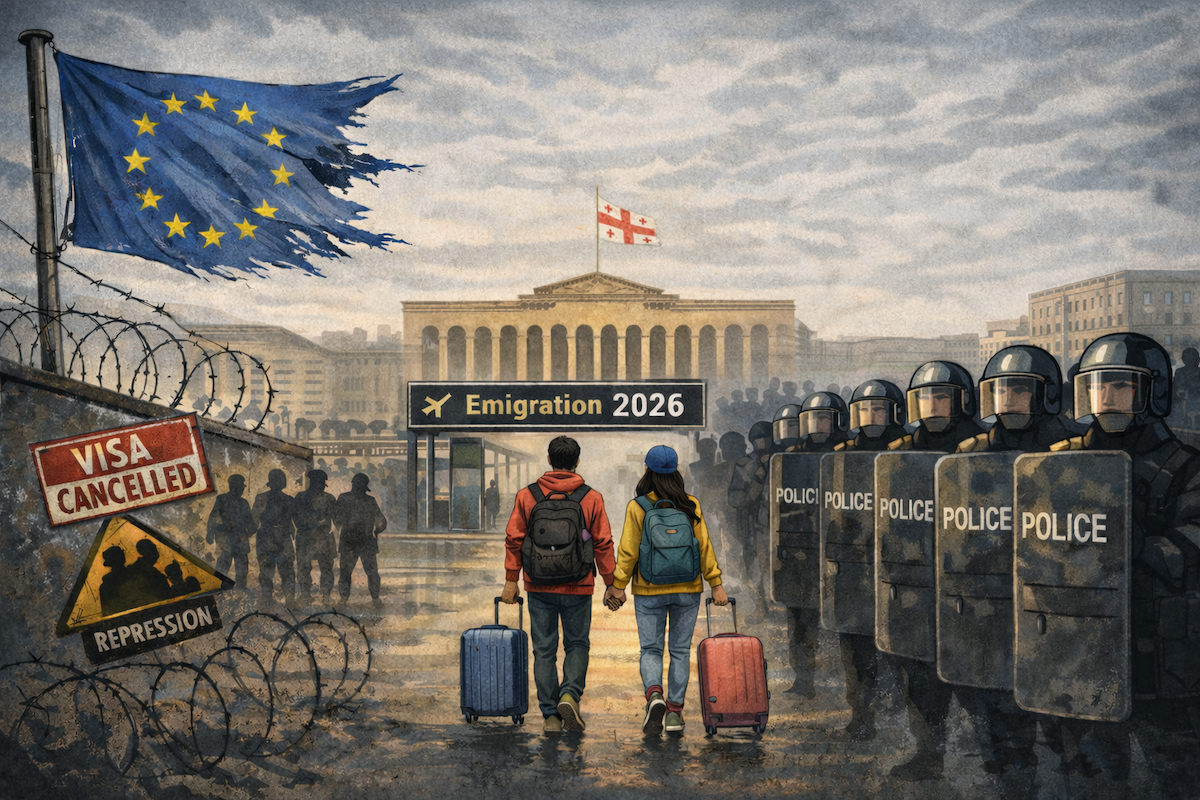
One of the most forceful speeches at the hearings was delivered by MP Phil Brickell, who placed the issue of sanctions in a broader moral and political context.
He stated that imposing effective sanctions for human rights violations and corruption is not only a tool of foreign policy but also a test of what the UK stands for as a state. According to Brickell, Georgia should be moving closer to the European sphere rather than sliding toward authoritarianism, especially in the context of Russian influence.
In his view, power in the country is effectively concentrated in the hands of Bidzina Ivanishvili and the Georgian Dream party, while civil society, independent media, and NGOs are targeted by the so-called “foreign influence agents” law, which Brickell said mirrors Kremlin practices.
Brickell noted that peaceful protesters regularly face violence, and that the sanctions the UK has already imposed on individual officials are insufficient.
He argued that the absence of sanctions against Ivanishvili, including under the global anti-corruption “Magnitsky” regime, sends the wrong signal to other kleptocratic regimes.
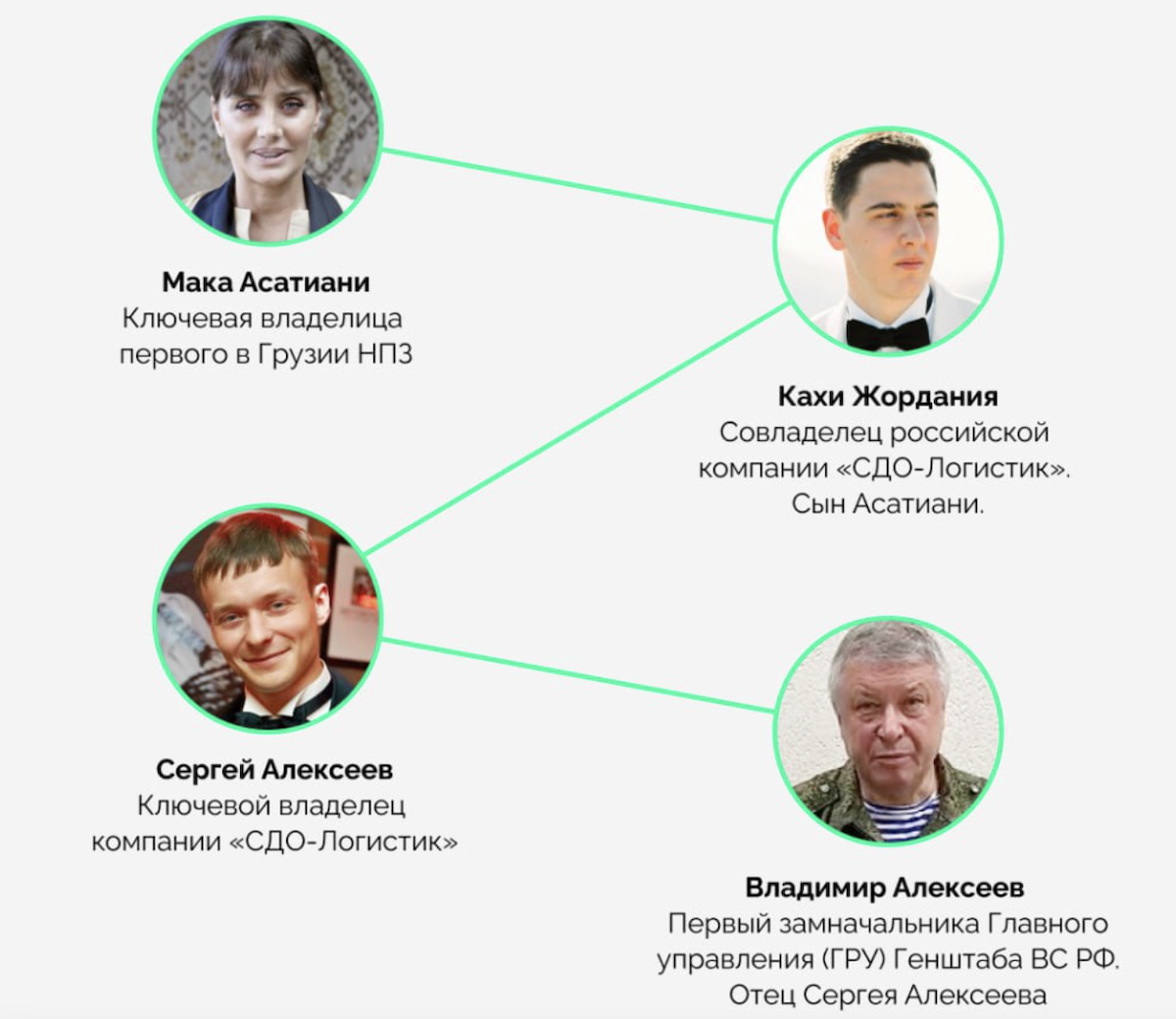
Brickell also highlighted the Kulevi oil refinery operating in Georgia, which, he said, has received increased state funding from the Georgian Dream party.
According to Reuters, the refinery is linked to Vladimir Alekseev, first deputy head of Russian military intelligence, and received its first shipment of Russian oil in October 2025.
Brickell warned that this creates serious risks of potential circumvention of international sanctions against Russia.
Stephen Doughty also spoke at the hearings, describing sanctions as one of the UK’s most effective tools.
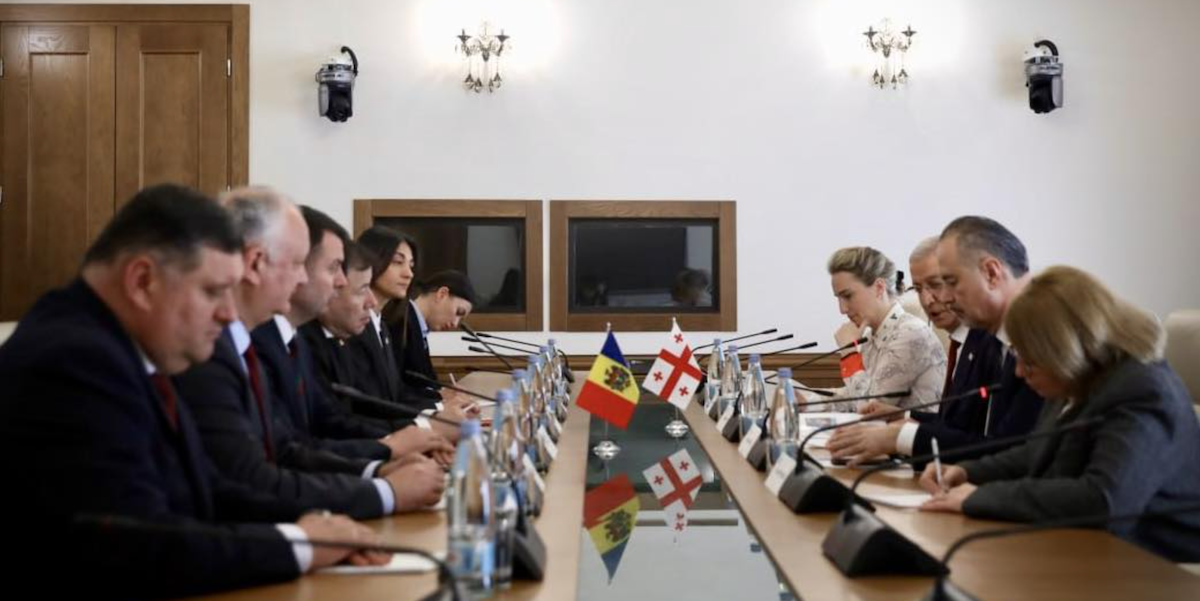
He noted that in 2025 the UK imposed sanctions on 29 individuals in various countries, including Georgia, as part of its global human rights protection program. He added that pro-Russian groups in Moldova were also targeted.
The sanctions were aimed at corrupt officials and judges, as well as groups undermining democracy and the rule of law.
Doughty stated that “sanctions are indeed a powerful tool for protecting security and the rule of law overall,” and that London will continue to work in this direction.
News in Georgia