

Helsinki Commission discusses situation in Georgia and possible “reset” in US ties






Thornton and Vartanyan on Georgia–US relations
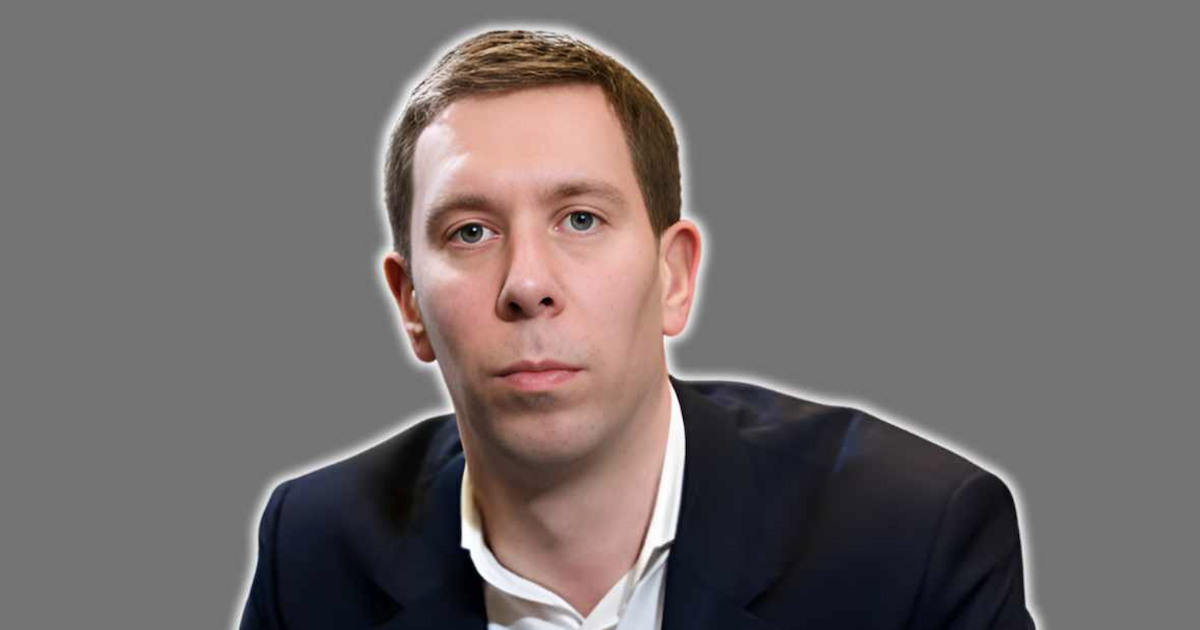
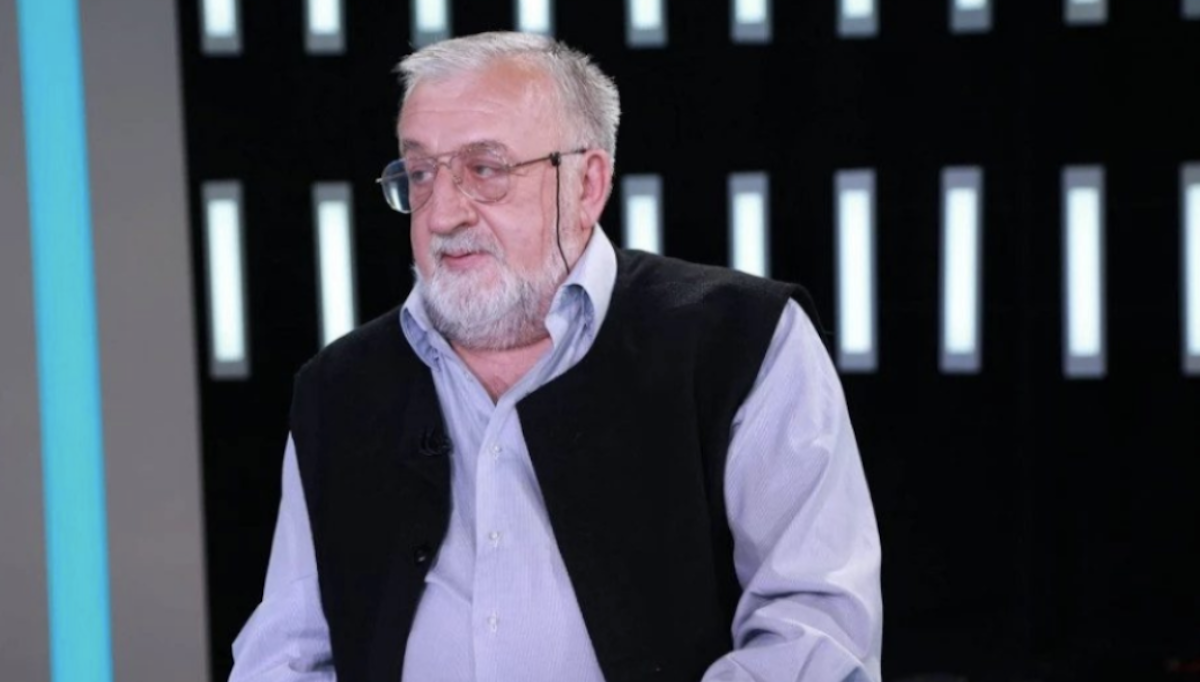
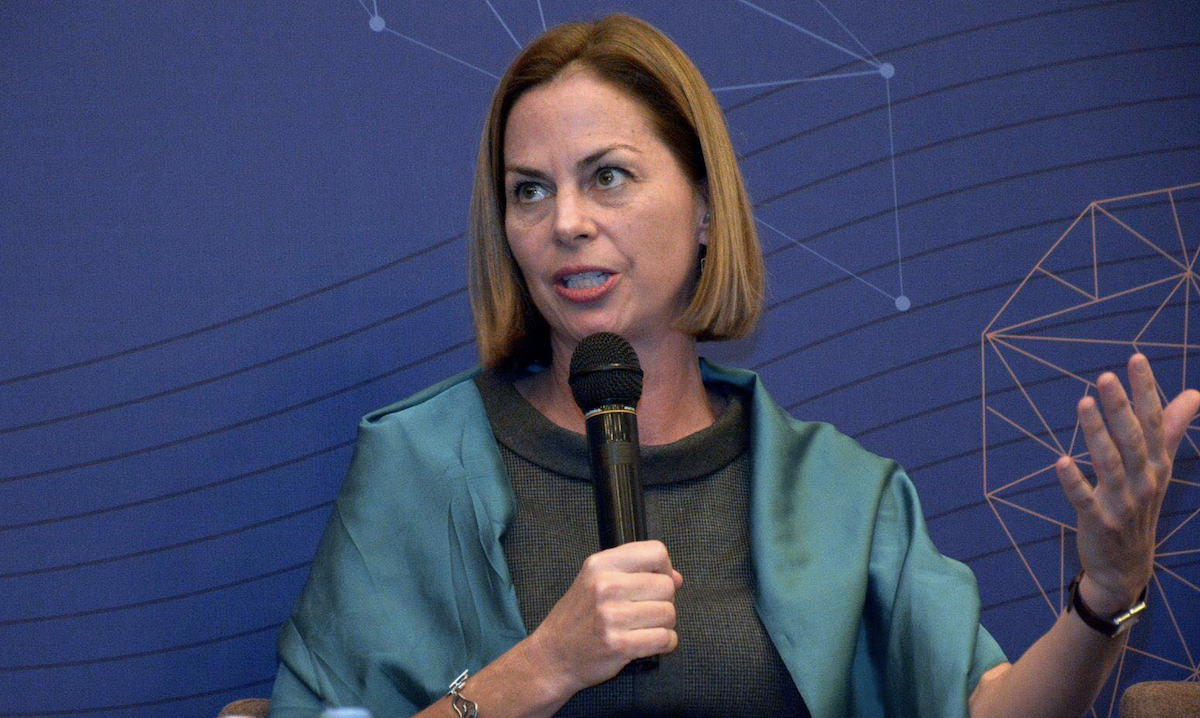
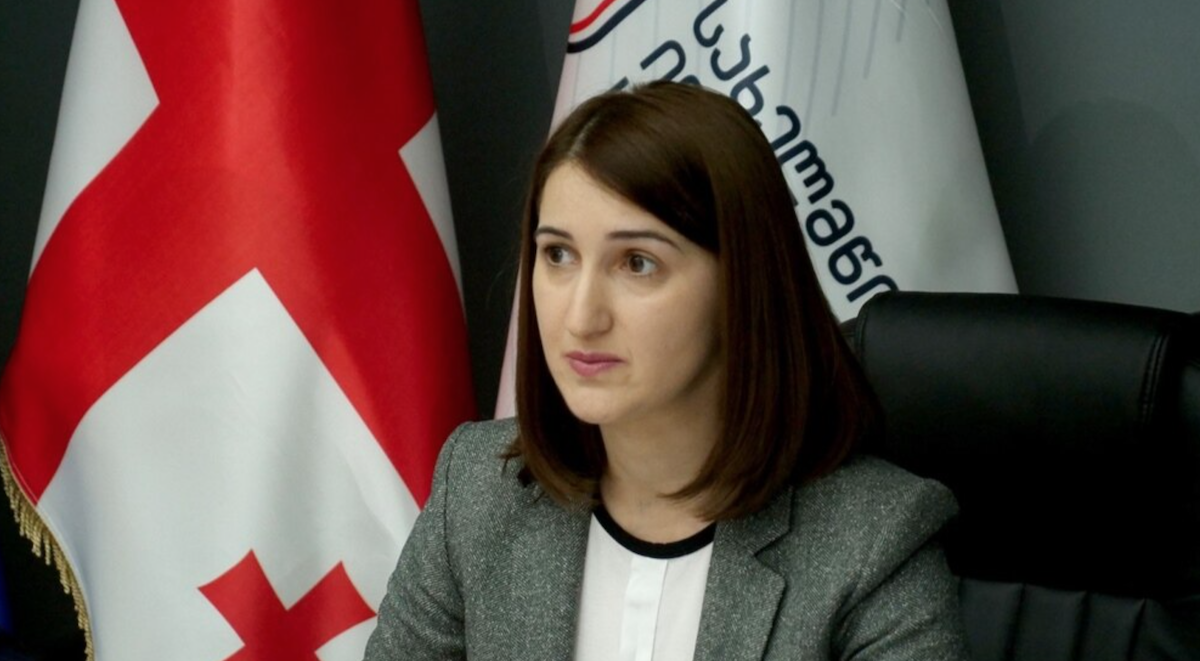
At a briefing held at the Helsinki Commission, Laura Thornton, director of the Global Democracy Program at the McCain Institute, and Olesya Vartanyan, a research fellow at George Mason University, discussed current political developments in Georgia and the possible role of the United States.
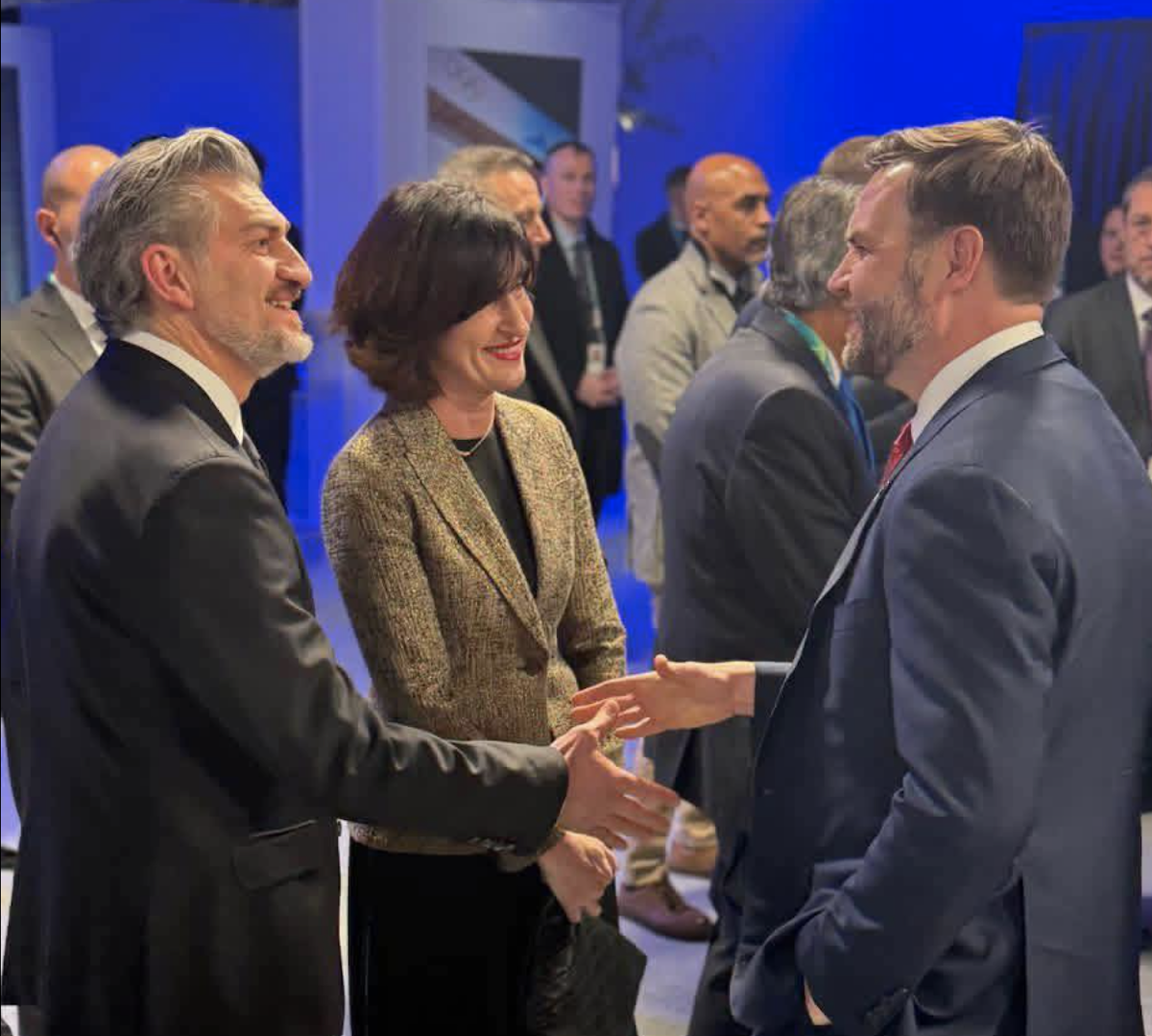
According to Laura Thornton, Georgia’s democratic backsliding is not a recent or rapid process, and its first signs appeared many years ago. She said one of the main problems in this context was Bidzina Ivanishvili — a “wealthy oligarch in Russia” who created the current ruling party, Georgian Dream, and later became prime minister.
“In my view, Bidzina Ivanishvili was never sincerely committed to democratic principles and processes and, most importantly, was always closely linked to Russia — the country where he built his fortune,” Thornton said.
She recalled that in 2014, when she arrived in Georgia to work as head of the National Democratic Institute (NDI), the country was at a promising stage of democratic development. After the 2012 elections, the United National Movement peacefully transferred power to Georgian Dream, a coalition that brought together parties of different ideological backgrounds.
Thornton said this was a period full of promises of reform and renewal. Georgia joined and led the international anti-corruption initiative Open Government Partnership, democratic reforms were debated in parliament, and the country was moving quickly towards EU and NATO membership.
However, that phase proved short-lived. From 2015, more pro-Western and pro-democracy parties began leaving the Georgian Dream coalition. At the same time, illiberal trends started to grow. According to Thornton, these began with the spread of Russian narratives and disinformation targeting minorities, women, ethnonationalism and anti-Western rhetoric. Later, this developed into attacks on civil society, the media and state oversight institutions.
Russia’s full-scale invasion of Ukraine, Thornton said, marked the moment of Georgia’s final break with the West and a turn towards authoritarianism. She said the Georgian government quickly adopted a position that helped Russia more than Ukraine. Georgia, she added, remains an important route for Russia to bypass sanctions, despite the fact that 20% of its territory is under Russian occupation.
Thornton said the Georgian authorities criticised Ukraine and its president, Volodymyr Zelensky, while showing far more caution towards Russia. Later, their criticism turned to the EU and the United States, which they portrayed as “hostile actors” and part of a “Global War Party” seeking to open a “second front” in Georgia. Europe was also accused of “liberal fascism”.
At the same time, Georgian Dream openly described China and Iran as friends and partners. Thornton also mentioned a photograph showing Georgian Prime Minister Irakli Kobakhidze standing alongside representatives of Hamas.
Speaking about Georgia’s 2024 parliamentary elections, Thornton said they were marked by serious violations. She noted that after remaining in power, Georgian Dream soon suspended the country’s EU accession process.
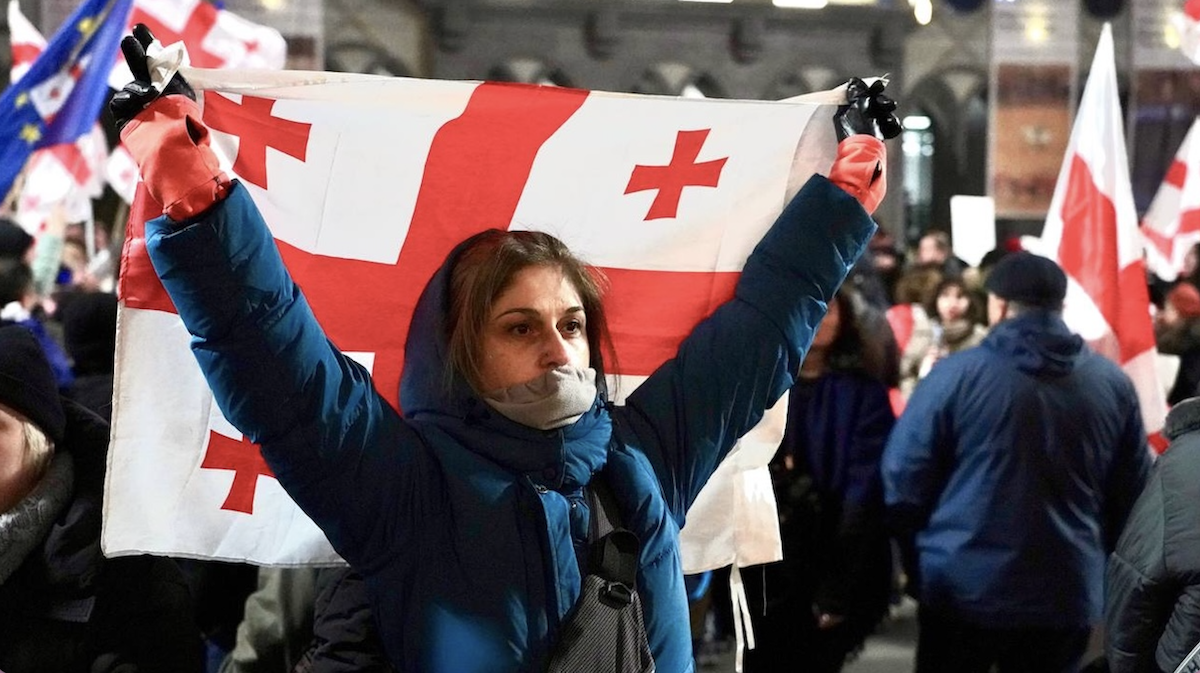
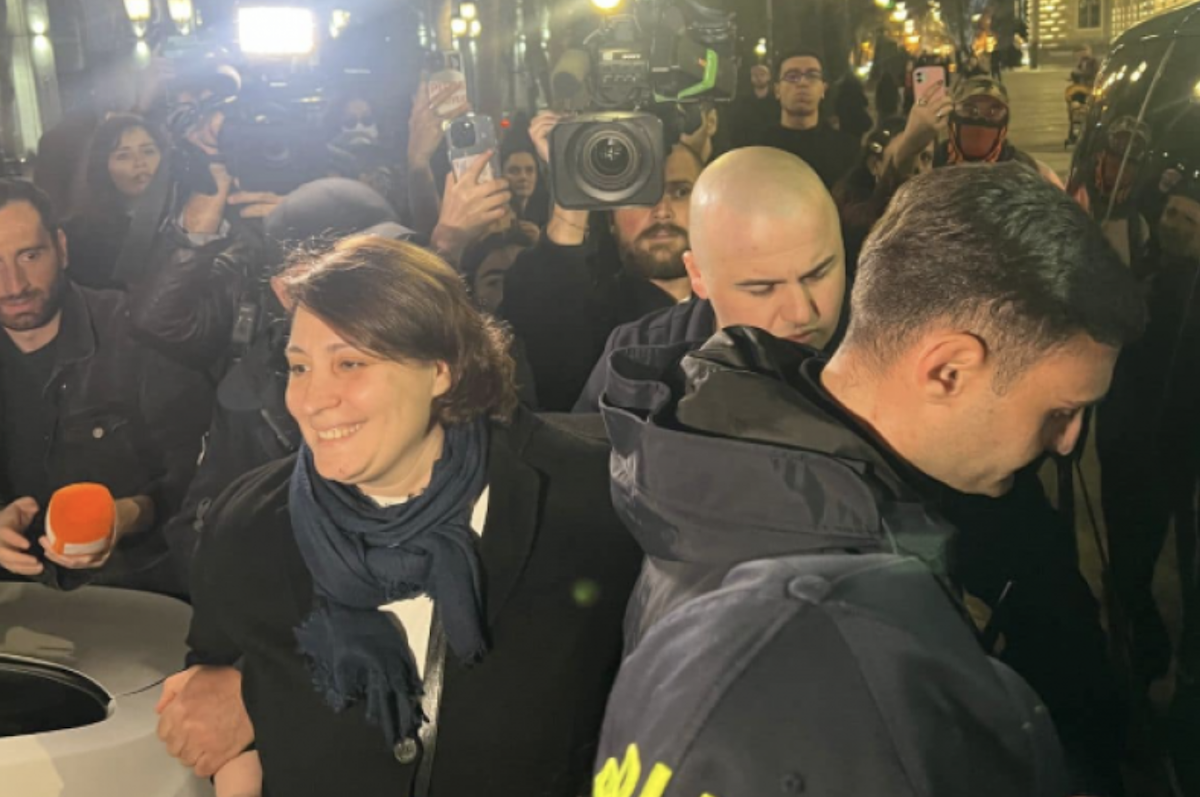
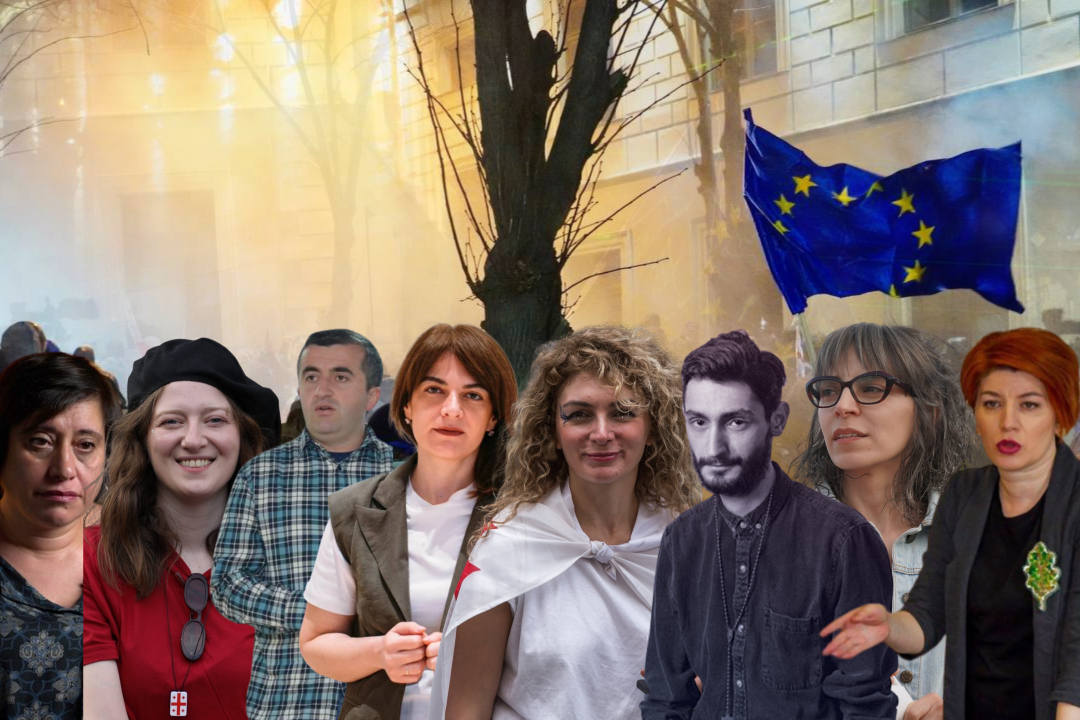
After that, daily protests began in Georgia and continue to this day. Demonstrators have faced violence and arrests. There are currently 121 political prisoners in the country, including journalist Mzia Amaglobeli.
Thornton said Georgian Dream passes new laws almost every week that contradict the country’s international and constitutional obligations to protect freedom of speech and assembly. As an example, she cited a law that allows authorities to detain people for “blocking” pavements.
Research fellow at George Mason University Olesya Vartanyan also spoke at the briefing, focusing on a possible “reset” in relations between Georgia and the United States. In her view, resolving the current political crisis in Georgia will require active involvement from Washington.
Vartanyan noted that in the past, Georgia had used both internal dialogue and foreign mediation to overcome political deadlock, including efforts led by the European Union.
She stressed that such processes cannot succeed without a strong external guarantor. The EU played that role in the past, but the Georgian government has publicly said it does not plan to continue on the path of EU integration in the near future. In that context, she said, the United States could take on the role of guarantor.
Vartanyan also noted that sanctions against Bidzina Ivanishvili are already in place and clearly affect the founder of Georgian Dream. In her view, those sanctions could be used strategically to encourage a genuine political process in Georgia.
Thornton and Vartanyan on Georgia–US relations