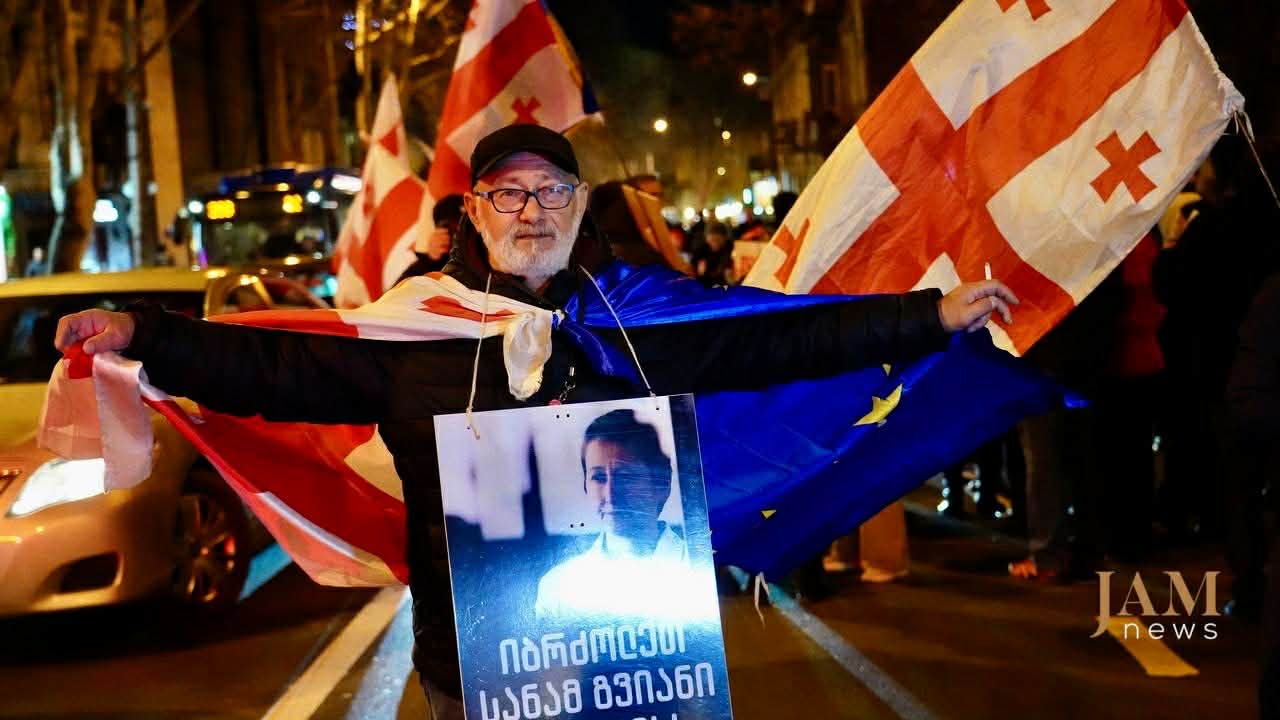
Georgian government bans emigrants from voting abroad






Georgia bans voting abroad
At an extraordinary session on 17 December, Georgia’s parliament approved a new version of the Electoral Code, under which voting in parliamentary and municipal elections will only be possible within the country.
What does this mean? Previously, Georgian citizens living abroad could vote at embassies and consulates. Under the new rules, they are effectively disenfranchised unless they travel back to Georgia specifically to vote.
The amendments were introduced to parliament by David Matikashvili, a member of the ruling Georgian Dream party.

According to Parliament Speaker Shalva Papuashvili, the decision is based on Article 24 of the Constitution, which obliges the state to ensure the freedom of expression of the will, inherently meaning freedom from external interference.
Papuashvili claims that the voting rights of Georgian citizens living abroad have not changed. They can still vote, but the only requirement is to “come home” once every four years.

“Elections around the world are becoming increasingly vulnerable to external influence, with growing accusations of foreign interference.
The 2024 parliamentary elections [in Georgia] also showed how open and blatant external information and political pressure on voters can be.
In this context, the risks are especially high for non-residents — Georgian citizens living abroad are under the influence of foreign jurisdictions and political environments, where the state cannot prevent interference,” Papuashvili said.
He believes that for citizens living outside the country, “the risks of information manipulation are high,” as they do not have a clear understanding of the situation at home.
“Accordingly, requiring voting to take place on Georgian territory strengthens the resilience of elections, reduces the influence of external actors, and ensures a more informed and adequate choice,” the parliament speaker added.
He also noted that this voting model fully complies with international standards and is used, for example, in Ireland, Israel, Malta, and Armenia.

Georgia bans voting abroad