Georgian Dream: tightening protest law aligns with Constitutional and Strasbourg court practice






Georgian Dream on amendments to protest law
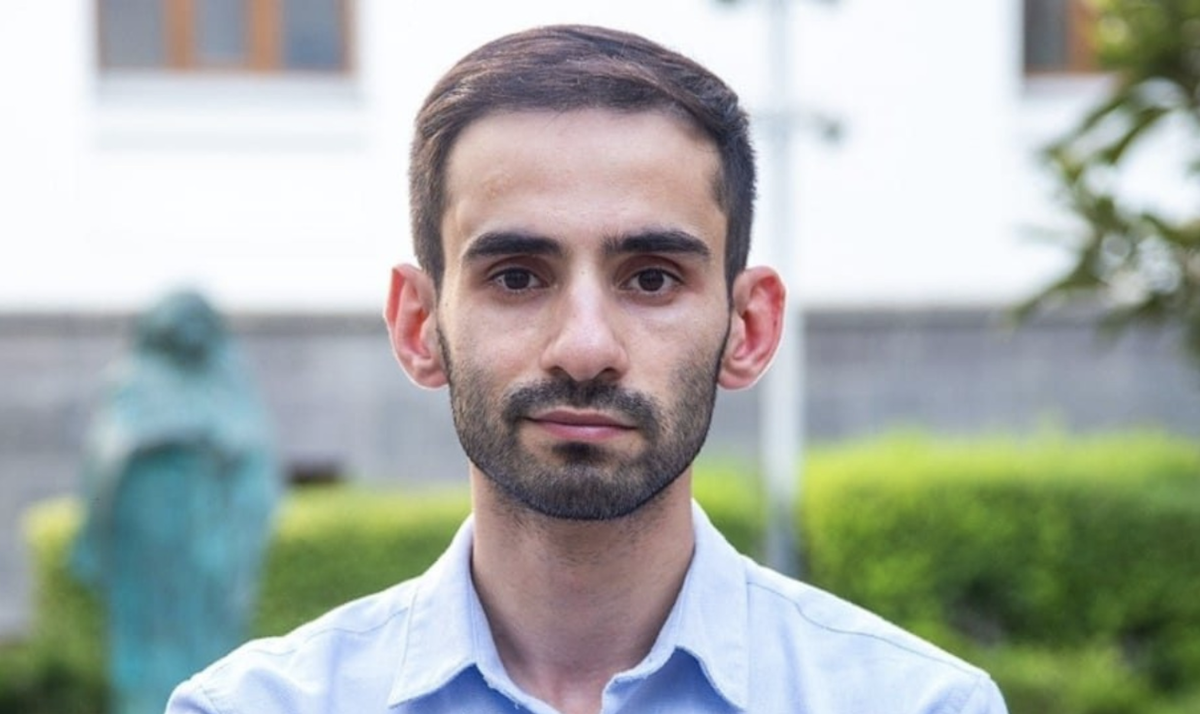
Shalva Papuashvili, chair of the Georgian Dream parliamentary faction, said that tightening the law on assemblies and demonstrations aligns with the practice of both the Constitutional Court and the Strasbourg Court.
“If participants refuse to hold a gathering or demonstration in the location proposed by the Interior Ministry, they will face administrative detention for up to 15 days, and in the case of a repeat offence — criminal liability, including imprisonment for up to one year,” said Irakli Kirtskhalia, a Georgian Dream MP, at a briefing.
In addition, the Georgian Dream bill once again requires organisers to notify authorities five days in advance of any gathering or demonstration. On 14 December 2023, the Constitutional Court ruled that such a requirement is unconstitutional, as it makes spontaneous gatherings impossible.
According to Papuashvili, the rule requiring advance notification of rallies has existed before, and protests, especially small ones, should not obstruct the movement of vehicles or pedestrians.
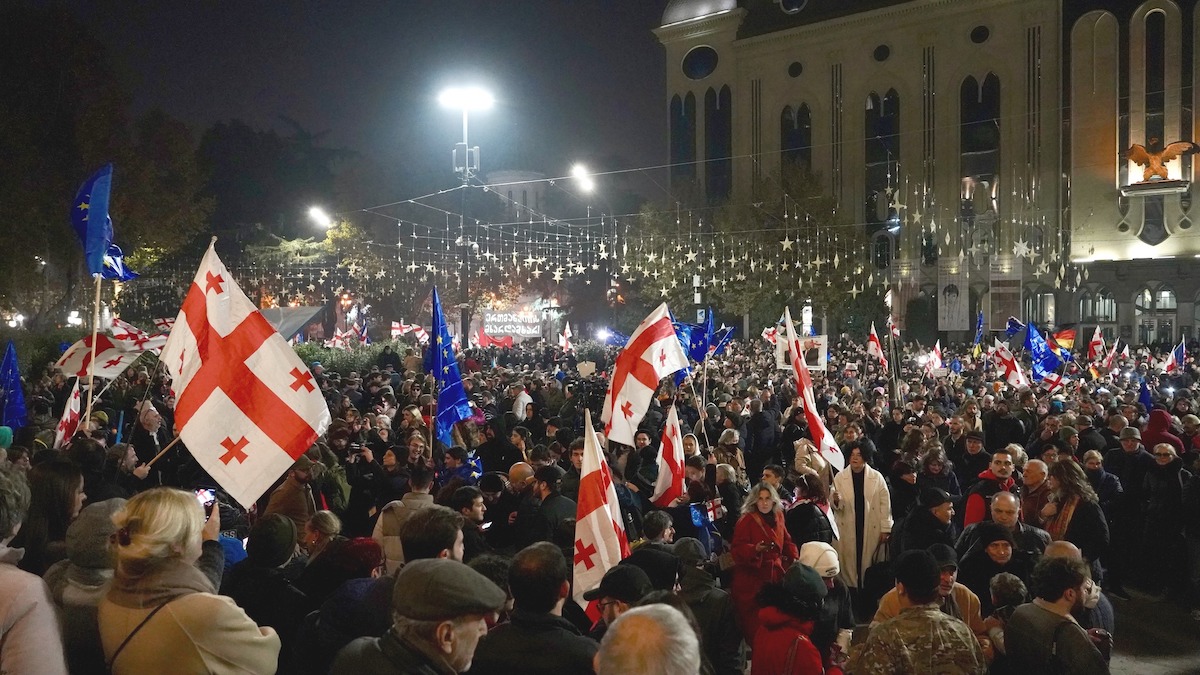
Papuashvili also claimed that protesters allegedly use procedural tricks to delay paying fines in administrative cases. He said the tougher penalties for violating assembly laws are due to offenders “not responding” to fines.
Comment from Shalva Papuashvili
“This bill fully complies with both constitutional norms and the practice of the Strasbourg Court, so it has no legal flaws…
Of course, if a gathering obstructs citizens’ movement, the police will have the option to direct protesters along a different route. People travelling by car should not experience unnecessary inconvenience, especially when there are few protesters and the road should not be blocked. It is good that society as a whole agrees with this.
We see that even those participating in protests follow the law in this regard, and there is a full understanding of the standard that should apply. The same applies to pedestrians’ rights. If there are few protesters, they should not impede the movement of others on foot.
I don’t think there is anything unclear or beyond human norms here, let alone legal norms… Why should fifty people block a street? We have already agreed that they will not block it. It is good that they have finally fallen in line.”
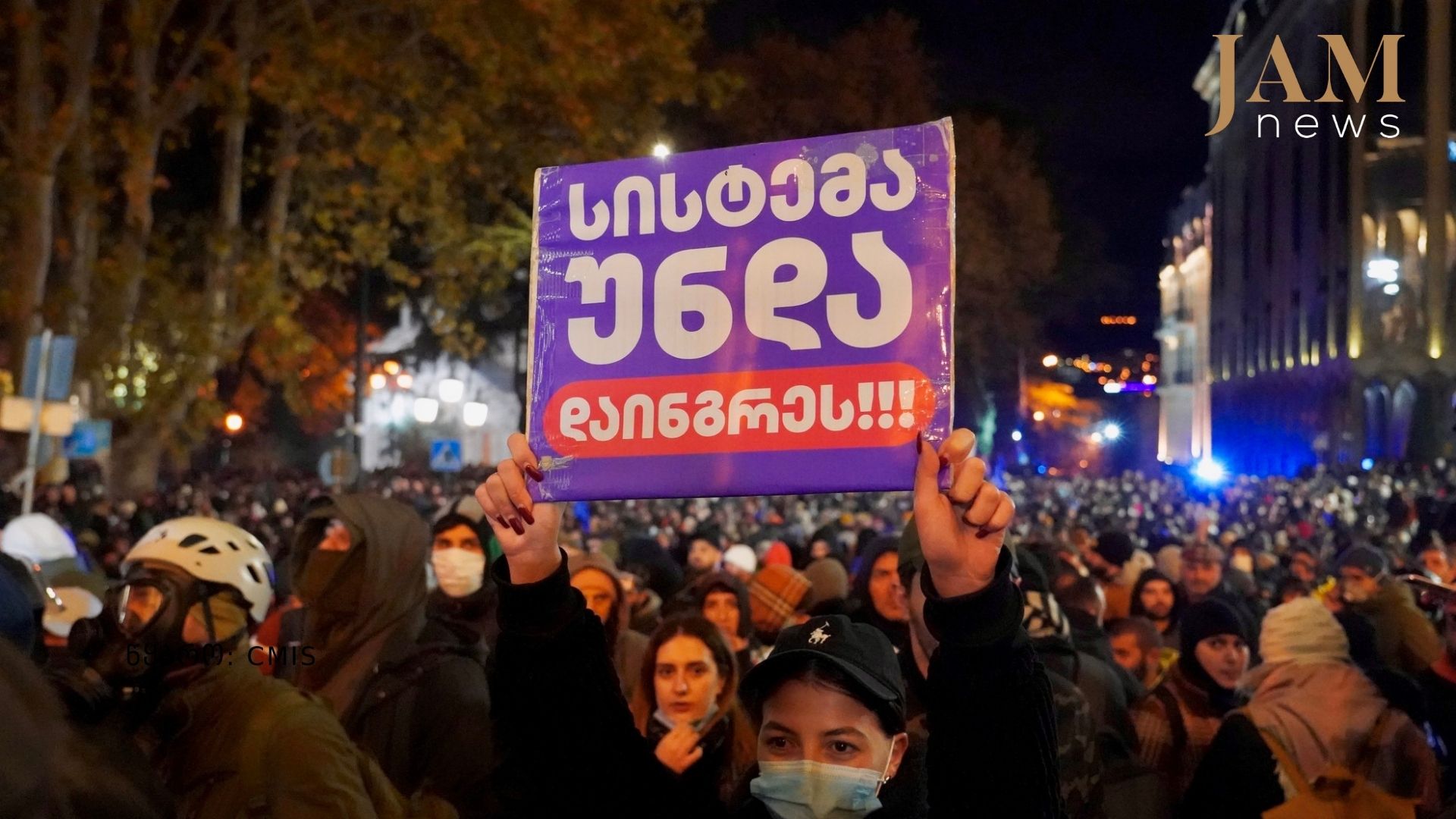
“Unfortunately, sanctions had to be toughened for radical groups. The law, in place for years, was always clear: it is impossible for fifty people to block a road. But they did not comply and used certain procedural tricks to delay paying fines [for blocking the road]. Parliament, accordingly, responded to these attempts at abuse. As a result, everything remained within the legal framework established in our country for decades.
Anyone wishing to protest has every opportunity to do so without unnecessarily infringing on the rights of other citizens… What is the point of a fine or any other sanction for administrative offences? It is meant to have a preventive function…
But we saw that there was no response to a number of fines, so law enforcement was delayed. That is why we made a timely decision regarding vehicle movement, which brought order to the situation.”
Georgian Dream on amendments to protest law